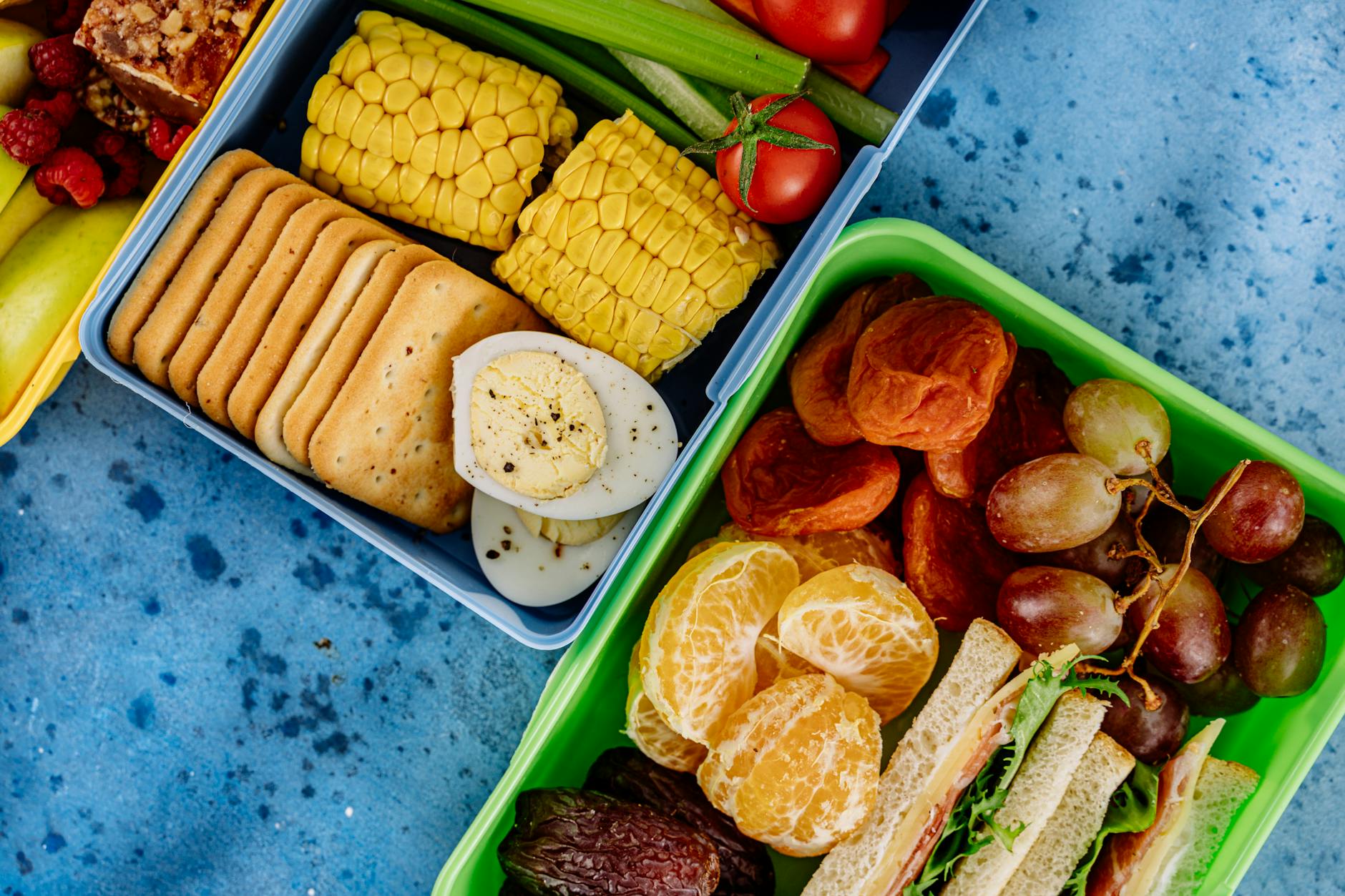

The cheapest meal prep plans cost between $30 and $60 per week for one person and save you 5 to 8 hours of cooking time by batching meals on a single day. The money savings come from buying ingredients in bulk, eliminating daily takeout decisions, and reducing food waste—not from eating like you’re living on ramen. A realistic example: buying dried beans, rice, seasonal vegetables, and eggs in bulk on Sunday allows you to assemble four days of lunches and dinners for roughly $1.50 per meal, compared to $8 to $12 for a restaurant lunch or delivery option. The time savings work because you cook once instead of seven times.
If you spend three hours on Sunday preparing grains, roasting vegetables, and cooking proteins, you eliminate the decision fatigue and cooking time throughout the week. You simply reheat and assemble. The best meal prep plans aren’t rigid diet systems—they’re strategies that fit your actual kitchen capacity, cooking skill level, and food preferences. This article covers the specific approaches that deliver both savings and genuinely save time.
Table of Contents
- What Makes a Meal Prep Plan Cheap Without Sacrificing Quality or Speed?
- The Budget Meal Prep Trap—Why Cheap Plans Can Backfire If You Ignore Spoilage
- The Three Cheapest Meal Prep Frameworks That Actually Work
- How to Spend Less Than $40 Weekly While Actually Having Variety
- Common Pitfalls in Budget Meal Prep—Storage, Taste, and Burnout
- The Hidden Time Savings Beyond Cooking
- Is Meal Prep a Permanent Solution or a Temporary Fix?
- Conclusion
What Makes a Meal Prep Plan Cheap Without Sacrificing Quality or Speed?
The foundation of affordable meal prep is separating ingredients into three categories: proteins, vegetables, and carbohydrates. You cook each in bulk, then mix and match throughout the week. This approach is cheap because you’re buying ingredients at their lowest unit cost, not pre-assembled meals. A rotisserie chicken from a supermarket costs $7 to $10 and yields six servings; buying the same amount of boneless chicken breast might cost $10 to $12 but gives you the same nutrition and leftovers for stock.
Dried beans cost $0.12 per pound and provide 25 grams of protein per cooked cup, beating ground beef on cost per gram when you account for bulk purchasing. The time efficiency comes from batching identical tasks. Chopping fifteen bell peppers for a week of meals takes less time per pepper than chopping three peppers on three different nights because you develop rhythm, keep your knife sharp, and maintain focus. A typical Sunday prep session involves: thirty minutes of shopping and setup, sixty minutes of chopping vegetables, thirty minutes on grain prep (starting rice and beans), forty-five minutes on proteins (roasting chicken thighs, browning ground turkey, cooking a pot of lentils), and fifteen minutes of cooling and container organization. That’s a three-hour investment for six days of meals.

The Budget Meal Prep Trap—Why Cheap Plans Can Backfire If You Ignore Spoilage
The most common failure in budget meal prep is preparing too much and watching it spoil by Wednesday. A five-day prep plan using mostly fresh produce needs careful container strategy: airtight containers prevent bacterial growth, and storing damp vegetables promotes mold. The limitation here is real—a $40 grocery haul loses its value if you throw away wilted spinach and rotting tomatoes by Thursday. The workaround is freezing: prepare four days’ worth of refrigerated meals and freeze the remaining portions.
This extends viability and prevents the “I’m tired of this meal” issue that makes fresh batches attractive around day four. Another trap is underestimating portions. Meal prep beginners often prepare 1,200-calorie daily plans and find themselves genuinely hungry by 4 p.m., reverting to snacks or takeout. A realistic budget plan allocates 2,000 to 2,400 calories daily for most adults, using cheaper fillers like beans, oats, and potatoes alongside proteins. A woman aiming to spend $30 weekly should expect about 1.5 pounds of protein, 10 pounds of vegetables, and 5 pounds of grains or legumes—not lean premium cuts of meat.
The Three Cheapest Meal Prep Frameworks That Actually Work
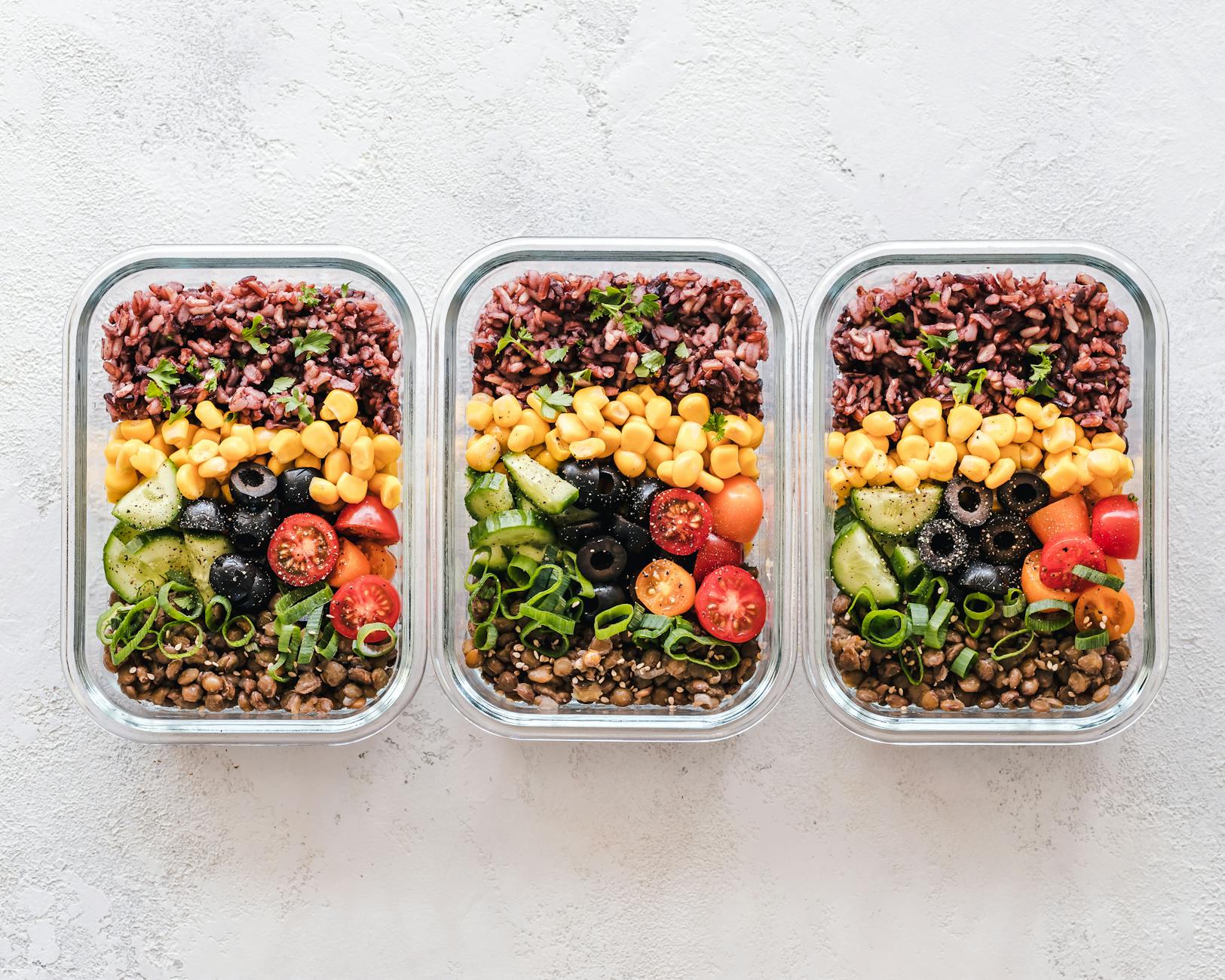
The **Bean and Grain Framework** costs $25 to $35 weekly and works for anyone, including vegans. The core is: one type of dried bean (black, pinto, or lentil), one whole grain (brown rice, oats, or farro), one roasted vegetable (carrots, broccoli, or sweet potato), and one fresh vegetable added after reheating (spinach, tomato, or cucumber). This combination covers amino acid needs through the bean-and-grain pairing, prevents boredom through vegetable rotation, and allows for calorie adjustment through portion size. Example: on Sunday, cook a two-pound batch of lentils (cost $0.50), a six-cup batch of brown rice ($0.75), roast three pounds of root vegetables ($2), sauté a large container of spinach ($1), and prepare a hot sauce or dressing ($1). Total cost: $6, divided into six meals at $1 per meal. The **Rotisserie Chicken Plus** framework costs $28 to $45 weekly and relies on one central purchase. Buy two rotisserie chickens ($14 to $20), add two sheets of roasted potatoes or rice, three types of vegetables, and optional sides.
The chicken yields twelve servings; pair each with different vegetables and a starch throughout the week. The time advantage is enormous—rotisserie chicken is already cooked and just needs pulling apart. The limitation is flavor fatigue; four dinners centered on the same chicken can feel repetitive without sauce variety. The **Breakfast-First** framework flips traditional meal prep by preparing the most affordable meal category first. Overnight oats, egg muffins, and breakfast burritos cost $0.50 to $1 each and take two hours to prepare for five days. This approach frees up weeknight cooking time for simpler dinners, reducing overall weekly cooking to four hours instead of five or six. Example: prepare twenty egg muffins with different vegetable fillings ($4 total), make ten overnight oat jars with different toppings ($5 total), and cook two types of breakfast sausage ($6). Breakfast costs $15 for the week and eliminates morning cooking entirely.
How to Spend Less Than $40 Weekly While Actually Having Variety
The myth about budget meal prep is that you eat the same meal five days in a row. In reality, you rotate components. Buying five types of cheap proteins (canned tuna, eggs, ground turkey, dried beans, and chicken thighs) and rotating them daily prevents boredom while staying under budget. Ground turkey costs $4 per pound and yields four servings ($1 per meal); canned tuna costs $0.50 per can and pairs with any grain; eggs cost $0.20 each and work for breakfast, lunch, or dinner.
The tradeoff in ultra-budget planning is ingredient quality. Buying the cheapest store brand versus a midrange option saves $10 to $15 weekly but sometimes means lower nutrient density or less pleasant texture. Generic canned vegetables work nutritionally but have softer texture; frozen store-brand vegetables often outperform canned in both quality and cost. A practical balance spends $35 to $50 weekly, allowing for some ingredient choice that prevents meal fatigue while maintaining the core savings.
Common Pitfalls in Budget Meal Prep—Storage, Taste, and Burnout
The biggest practical limitation is kitchen equipment. Effective meal prep requires enough container capacity for 6 to 12 meal portions, which costs $20 to $40 upfront if you don’t have it. Glass containers last longer than disposable plastic and prevent the “stain and smell” issues that plague cheap plastic, but the initial investment is higher. Budget meal prep also demands freezer space; without it, you’re limited to four-day rotations and higher spoilage risk. Taste fatigue kills most budget plans by day four. The solution isn’t to abandon meal prep but to batch-cook sauces, dressings, and seasonings separately.
Three completely different sauces—a tahini dressing, a hot sauce, and a soy-ginger mixture—transform the same chicken-and-rice base into three distinct meals. The time cost is fifteen minutes for sauce prep; the retention rate jumps from 60% (people abandoning plans by Wednesday) to 85%. Another warning: meal prep burnout peaks around week six. Approaching meal prep as a forever system leads to exhaustion. Instead, frame it as a 12-week challenge with planned breaks. The person who preps meals for ten weeks, takes a two-week break, then resumes is more sustainable than someone trying to prep seven days a week for a year.

The Hidden Time Savings Beyond Cooking
The actual time gains extend beyond meal preparation. When meals are ready, you eliminate decision-making (reducing decision fatigue), avoid impulse purchases at grocery stores, and reduce cleanup across the week. A person cooking fresh dinner nightly spends 45 minutes cooking and 15 minutes cleaning daily; that’s 7 hours weekly. A person who meal preps spends 3 hours on Sunday and 20 minutes nightly on reheating and minimal dishes—total 5 hours and 40 minutes weekly.
The 80-minute weekly savings equals roughly 69 hours annually, equivalent to an extra working week of time. The financial benefit compounds in unexpected ways. When meals are prepared, you stop impulse-buying coffee, snacks, or fast food during lunch breaks. A person saving $200 monthly on avoided meals and coffee easily recovers the $20 to $40 monthly cost of meal prep supplies.
Is Meal Prep a Permanent Solution or a Temporary Fix?
Most people approach meal prep as a lifestyle change, but long-term sustainability depends on matching prep intensity to your actual schedule. Some people batch-cook one day monthly; others prep multiple times weekly. The future of budget eating likely involves hybrid approaches—prepping core components (grains and beans) monthly while buying fresh proteins and vegetables weekly, balancing shelf stability with freshness.
The cheapest sustainable model involves seasonal adaptation. Summer allows for faster-spoiling greens and fresh produce; winter shifts toward root vegetables, stored grains, and freezer staples. Building meal prep flexibility prevents the all-or-nothing failure that derails most plans.
Conclusion
The cheapest meal prep plans cost $30 to $60 weekly and save 5 to 8 hours of cooking time through a combination of bulk cooking, strategic ingredient selection, and component-based assembly rather than rigid meal plans. The three most reliable approaches—Bean and Grain Framework, Rotisserie Chicken Plus, and Breakfast-First—all deliver savings without requiring expensive equipment or advanced cooking skills. The key to long-term success is matching your prep intensity to your actual kitchen capacity and preferences, preparing sauces and seasonings to prevent flavor fatigue, and reframing meal prep as a sustainable practice, not a permanent solution.
Start with one single day of meal prep before committing to a full weekly system. Prepare enough for three meals and evaluate what worked, what tasted good, and what took longer than expected. This small-scale trial costs under $15 and reveals whether your kitchen, storage, and schedule support continued prep without requiring the six-week investment needed to see meaningful financial benefits.