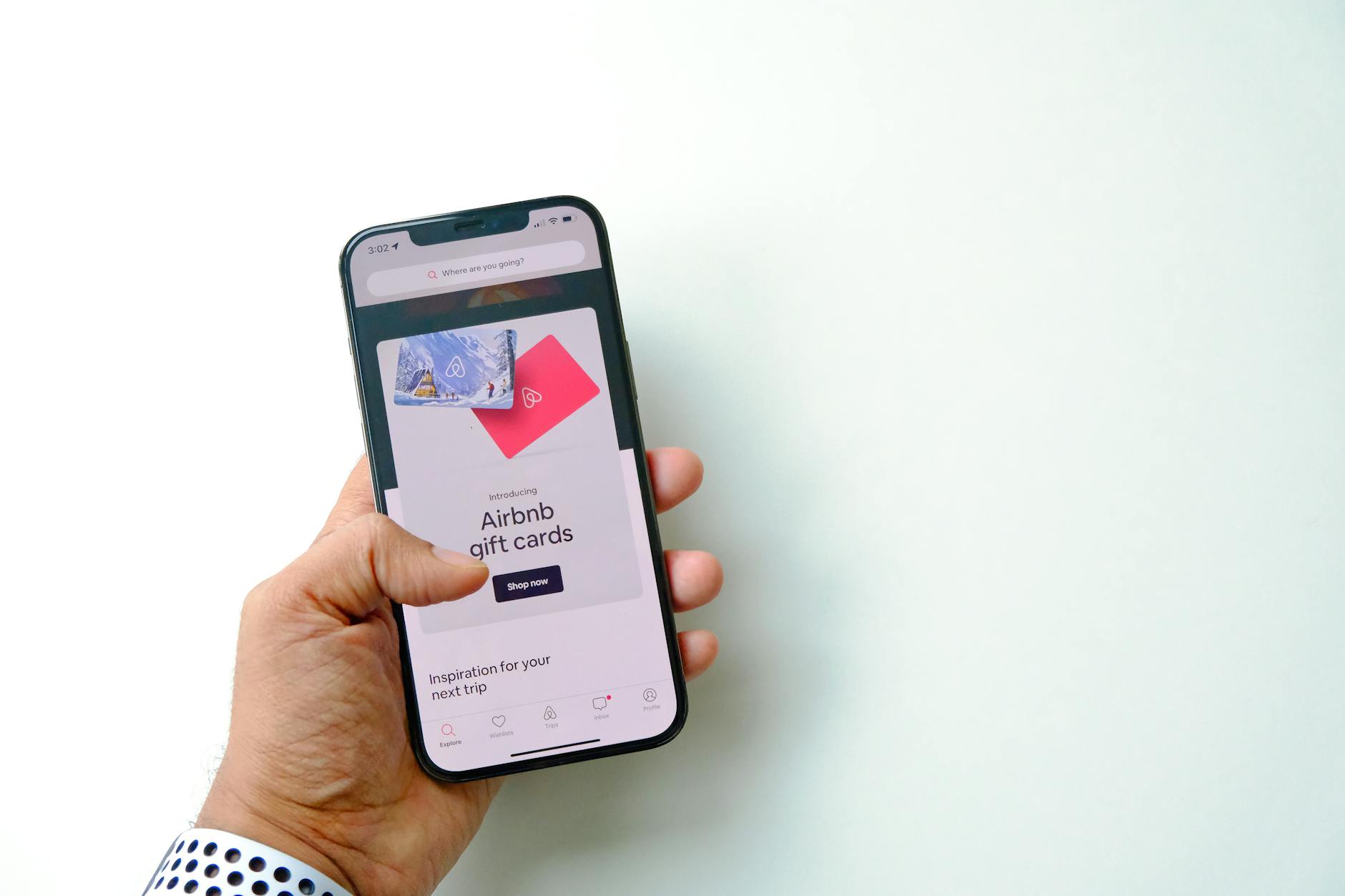

Too Good To Go is an app that connects users with restaurants, bakeries, and grocery stores that have excess food at the end of the day, offering these meals and goods at steep discounts—typically 50 to 70 percent off. To get a $15 meal for $4, you download the app, browse available items from nearby businesses, reserve and pay for your selection, and then pick it up during a designated time window, usually within a few hours. The app works because restaurants waste significant amounts of perfectly good food each day, and Too Good To Go provides them a way to recoup some loss while you get an exceptional deal.
The math is straightforward: a restaurant that would otherwise throw away a $15 prepared meal gets paid $4 from Too Good To Go’s cut. You get a meal for less than a third of its regular price. However, the catch is that these discounted meals are grab-and-go only, often prepared minutes before closing, and you have no control over exactly what you’re getting. One user reported reserving a “surprise bag” from a local Italian restaurant for $3.99 and receiving pasta, bread, dessert, and a drink—easily worth $16 at full price.
Table of Contents
- What Types of Restaurants and Stores Participate in Too Good To Go?
- Understanding the Surprise Bag Model and Its Limitations
- How to Find the Best Deals in Your Area
- Setting Realistic Expectations vs. Marketing Claims
- Common Issues and Important Warnings
- Maximizing Your Savings with Strategic Usage
- The Future of Food Waste Reduction Through Apps
- Conclusion
- Frequently Asked Questions
What Types of Restaurants and Stores Participate in Too Good To Go?
Too Good To Go has partnerships with chain restaurants, independent eateries, bakeries, supermarkets, and coffee shops in over 17 countries. In the United States, you’ll find major chains like Panera Bread, Chipotle, and Whole Foods in larger cities, alongside countless local restaurants. However, availability varies dramatically by location—someone in New York City or San Francisco might find 20 to 30 discounted meals on any given evening, while a user in a smaller town might see only one or two options per week.
The businesses that participate are typically those with consistent daily surplus. Bakeries are particularly common because they bake extra inventory to ensure they don’t run short, then face the choice of discarding unsold items or recovering some value through the app. Chain restaurants tend to offer standardized surprise bags rather than specific menu items, while independent restaurants have more flexibility in what they discount. For example, a popular sushi restaurant in Brooklyn might offer a $12 bag containing sushi rolls and edamame that normally cost $28.
Understanding the Surprise Bag Model and Its Limitations
The majority of Too Good To Go deals come in the form of “surprise bags,” where you purchase a meal without knowing the exact contents. This is both the app’s greatest strength and its biggest limitation. Restaurants create these bags based on what they have leftover, which explains the steep discount—they’re essentially selling food that would otherwise be tossed. The trade-off is that you might get an exceptional meal or something you’re less excited about. There’s a real risk of disappointment or dietary incompatibility.
If you have food allergies or strict dietary preferences, the surprise bag model can be problematic. One user allergic to shellfish unknowingly received a shrimp pasta, forcing them to find someone to give it to. Additionally, some restaurants are more generous with their bags than others. A Starbucks location might offer a bag with two pastries and a drink, while another location’s bag contains only a single sandwich. You have no recourse once you’ve picked up your order—no refunds, no exchanges. The app does allow you to rate experiences and report issues, but your primary responsibility is managing your expectations.
How to Find the Best Deals in Your Area
The app’s home screen shows all available discounts within a set radius of your location, with photos, restaurant names, pickup times, and original prices clearly displayed. To maximize your savings, open the app multiple times per day, since new listings appear frequently as different restaurants near closing time. Peak availability is typically between 7 PM and 9:30 PM, when dinner service is wrapping up, but many bakeries post breakfast and lunch deals in the morning hours. The best strategy is to explore restaurants you’ve never tried before or ones outside your usual price range.
A high-end steakhouse might offer a $45 meal for $8, giving you access to dining experiences you’d normally avoid because of cost. Many users set location radius to its maximum and explore neighborhoods they don’t typically visit. Additionally, some restaurants offer slightly higher prices but provide detailed descriptions of exactly what’s in the bag—these might be worth choosing over unnamed surprise bags if predictability matters to you. Checking reviews on the app helps; if a popular burger restaurant has dozens of positive reviews for its Too Good To Go bags, that’s a safer choice than an unknown option.
Setting Realistic Expectations vs. Marketing Claims
The “$15 for $4” scenarios do happen, but they’re not the norm for every transaction. Some of the best deals are on restaurant meals in the $12 to $20 range reduced to $3 to $6, while other items—a single coffee for $1.50 or a bakery pastry for $0.75—represent smaller absolute savings. A café selling a $6 coffee for $2 is mathematically a 67 percent discount, but you’re still spending $2. If you’re using Too Good To Go thinking you’ll eat out constantly for pocket change, you’ll be disappointed.
The practical reality is that Too Good To Go works best as an occasional supplement to your regular eating habits, not as a replacement for cooking at home. A home-cooked meal costs roughly $2 to $4 in ingredients, so a Too Good To Go bag at $4 to $6 isn’t necessarily cheaper than eating your own prepared food. However, if you were already planning to spend $15 on takeout, the app is a no-brainer. The comparison that matters is: would you buy this meal at full price? If yes, then the discount is genuine value. If you’re only buying because it’s cheap, you’re not actually saving money—you’re just spending it differently.
Common Issues and Important Warnings
Too Good To Go relies on business participation, which means availability is unpredictable. A restaurant might offer bags for two weeks, then stop because management changed or the program wasn’t working for them. You can’t plan future meals around the app—you discover deals as they appear. Another issue is that some businesses use the app primarily for slow periods. A restaurant might offer bags at 8 PM because nobody’s coming in for dinner, but if you arrive at 8:15 PM expecting a fresh meal, you might find food that’s been sitting for hours.
Location matters significantly for the entire model. Urban areas with high restaurant density have dozens of active listings, while suburban and rural areas might have very few. One user in a mid-sized Midwest city reported finding only two options on their entire first week using the app. Additionally, while the app itself is free, you’ll need to use a payment method (credit or debit card), and prices are charged immediately when you reserve, not when you pick up. If circumstances change and you can’t collect your order, Too Good To Go’s refund policy is strict—most refunds require cancellation at least 30 minutes before the pickup window, and some restaurants have no refund policy at all. Always check the specific restaurant’s cancellation terms before purchasing.
Maximizing Your Savings with Strategic Usage
One effective approach is to coordinate Too Good To Go meals with other money-saving strategies. If you’re already planning a night out or a grocery store trip, downloading the app before you leave home ensures you see all available discounts in that area. Some users plan their schedules around major food-waste moments—for example, hitting up bakeries on Sunday evenings when they need to clear weekend surplus before closing, or visiting restaurants on slower weeknights when they’re more likely to have surplus prepared meals.
Building a habit of checking the app at specific times—early morning for bakeries and coffee shops, mid-afternoon for lunch leftovers, and early evening for dinner discounts—trains you to catch deals consistently. One user reported saving $40 per week by spending five minutes each evening browsing their local options and picking up one meal. Over a year, that’s roughly $2,000 in food cost reduction, assuming moderate income and regular grocery bills.
The Future of Food Waste Reduction Through Apps
Too Good To Go is part of a broader movement toward reducing food waste through technology. The app has expanded to 17 countries and has helped redirect millions of kilograms of food from landfills to dinner tables. As restaurants become more comfortable with the model and consumer adoption grows, the app’s ecosystem will likely expand.
Some platforms are adding features like flexible scheduling (reserving food in advance rather than only same-day pickups) and clearer meal descriptions to reduce surprise and disappointment. The long-term impact depends on whether restaurants view the program as a permanent discount channel or a tool for handling occasional surplus. If more independent restaurants and chain locations adopt the model, availability will improve in underserved areas. However, the core limitation—that these are deals on food that would otherwise be discarded—will always cap how many meals are available and how predictable the experience can be.
Conclusion
Too Good To Go delivers real savings for users willing to embrace flexibility and slight unpredictability. The app genuinely offers opportunities to purchase meals worth $12 to $20 for $3 to $6, but success requires managing expectations. These deals work best as an occasional supplement to your normal eating habits, not as a primary meal strategy. The 50 to 70 percent discounts are real, but only if you would have purchased the meal at full price anyway.
To get started, download the app, set your location, and browse what’s available in your area. Check back regularly, read reviews on listings, and try different restaurants and bakeries. Start with items that have detailed descriptions and positive reviews if predictability matters to you, and be willing to try surprise bags as you get more comfortable with the platform. Over time, you’ll learn which local restaurants offer the best deals and when the best times to check are. For budget-conscious eaters in areas with strong restaurant participation, Too Good To Go is a genuine tool worth using consistently.
Frequently Asked Questions
Do I have to pick up my order in person, or can someone else get it for me?
Most restaurants require the person who reserved the order to pick it up, though some are flexible if you provide authorization. Check the specific restaurant’s policy before purchasing.
What happens if I can’t pick up my order in time?
You’ll forfeit your purchase. Most restaurants have a 10 to 15-minute grace period after the pickup window ends, but this varies. Always plan to arrive during the scheduled window.
Are too Good To Go meals always safe to eat?
The app works with legitimate businesses that meet health codes. The food is prepared for sale and is being redistributed before spoilage. However, surprise bags are grab-and-go only, so you should eat perishable items promptly rather than storing them for days.
Can I use Too Good To Go if I have dietary restrictions?
Partially. You can filter by some categories (vegetarian, vegan) in some areas, but surprise bags are unpredictable. If you have allergies or strict requirements, stick to listings with detailed descriptions rather than surprise bags.
Why are some restaurants on Too Good To Go but most aren’t?
Restaurants must actively choose to participate. The program requires staff coordination, proper packaging, and management buy-in. Many restaurants prioritize other strategies for managing surplus or simply haven’t adopted the app yet.
Is it worth traveling across town for a $4 meal?
Usually not, unless you’re already in that area. Gas or rideshare costs quickly offset the savings. The app works best when deals happen to be available near places you’re already going.