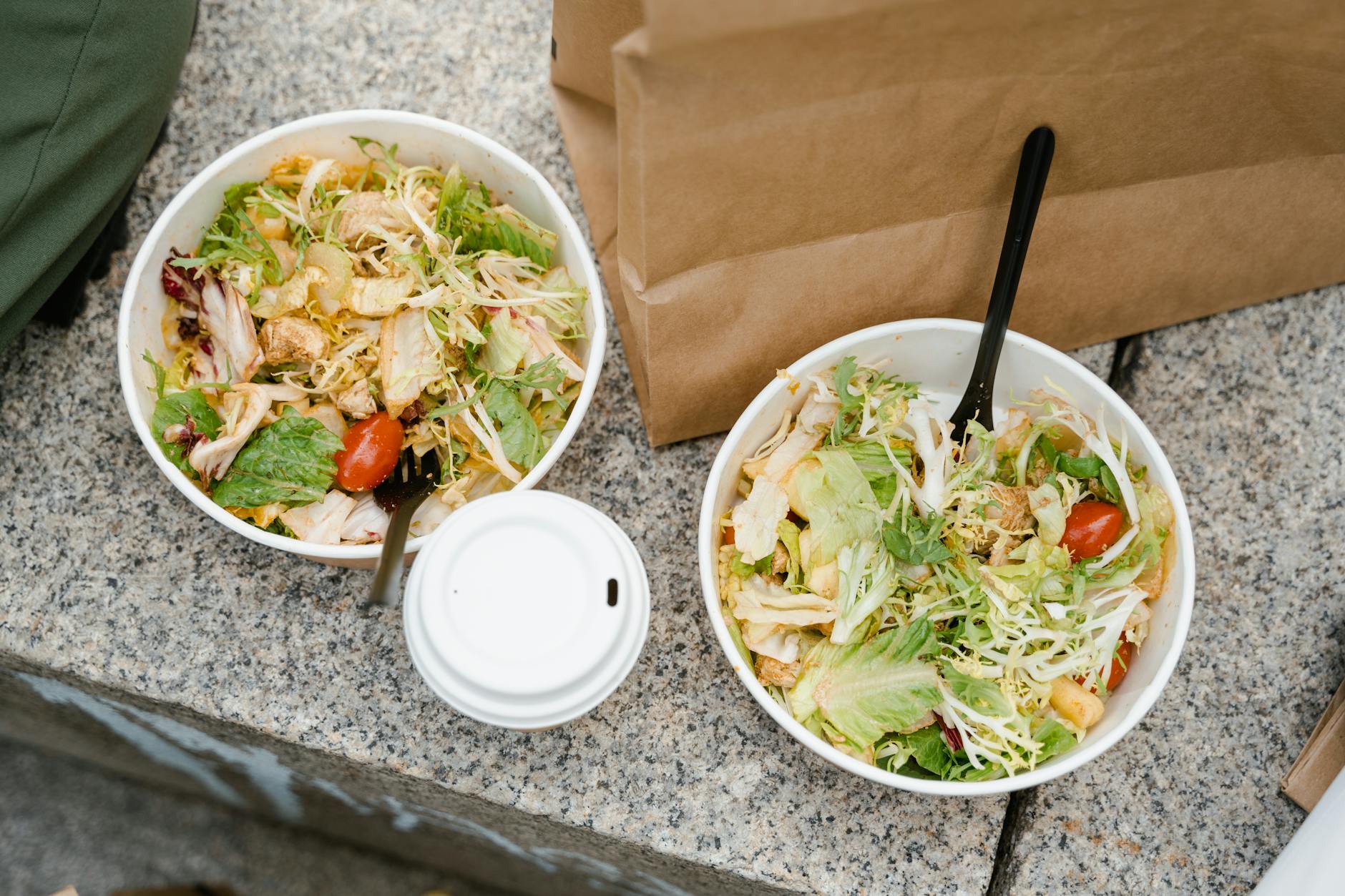

The most direct way to eat out for less is enrolling in dining loyalty programs that offer rewards, discounts, and cash back on your restaurant spending. A typical diner using just three major loyalty programs—combining a restaurant group’s proprietary rewards app, a credit card dining bonus structure, and a third-party app like OpenTable—can easily save 10 to 20 percent on their annual dining budget. For someone eating out twice a week at an average cost of $50 per meal, that translates to savings between $500 and $1,000 annually with minimal effort.
Dining loyalty programs have become far more sophisticated than simple punch cards. Most major chains now offer app-based programs that track your spending automatically, provide exclusive deals, and sometimes grant birthday bonuses or surprise rewards. The key to maximizing these savings is understanding which programs work best for your dining habits and how to stack rewards without overspending.
Table of Contents
- What Are the Best Dining Loyalty Programs for Restaurant Savings?
- How Credit Cards Amplify Your Restaurant Savings
- Stacking Multiple Programs for Maximum Savings
- Building Your Personalized Loyalty Strategy
- Common Traps and Limitations in Dining Loyalty Programs
- Leveraging Birthday Offers and Seasonal Promotions
- The Future of Dining Loyalty and Emerging Programs
- Conclusion
What Are the Best Dining Loyalty Programs for Restaurant Savings?
The six most valuable dining loyalty programs fall into distinct categories: restaurant group loyalties, credit card rewards, and third-party dining platforms. Chipotle Rewards, for instance, is one of the simplest and most generous—every dollar spent earns points, and members get a free entrée after spending $100 total. Starbucks Rewards offers both free beverages and bonus points during promotional periods, while Chick-fil-A’s app delivers personalised offers and free items on your birthday. For casual dining chains, Olive Garden’s e-rewards program and Buffalo Wild Wings’ loyalty app provide regular discounts on specific menu items.
Third-party platforms like OpenTable and Resy have embedded loyalty benefits directly into their reservation systems. OpenTable’s Dining Points let you earn rewards on qualifying reservations, which you can redeem for restaurant credits. The benefits vary by restaurant but often provide 3 to 4 points per dollar spent at participating establishments. Dine Rewards, a smaller but growing platform, partners with independent and mid-tier restaurants to offer similar benefits without the commitment to a single chain.

How Credit Cards Amplify Your Restaurant Savings
Credit card dining rewards are often the most overlooked component of loyalty savings. The Chase Sapphire Preferred card earns 3 points per dollar at restaurants—and when redeemed for travel through Chase’s portal, those points are worth 1.5 cents each, making dining effectively worth 4.5 percent cash back. American Express Platinum cardholders receive up to $300 annually in dining credits (split into monthly allowances) through their Amex Offers program, plus additional points on eligible restaurants. Capital One Venture X offers unlimited 5 percent cash back on restaurants, though its annual fee of $395 only makes sense if you’re dining out frequently.
The limitation here is that credit card rewards attract spending that you might not otherwise incur. The math only works if you’re genuinely replacing cash dining with card dining—not increasing your restaurant visits to chase rewards. Additionally, some restaurant loyalty programs offer higher rewards to their own branded cards. Marriott Bonvoy, for example, provides up to 10x points at Marriott restaurants when using their co-branded credit card, which can be a better value than a generic dining card if you stay at those properties.
Stacking Multiple Programs for Maximum Savings
The real money appears when you combine programs. Order through the Uber Eats app on your credit card while enrolled in a restaurant’s app loyalty program, and you’re earning rewards through three separate systems simultaneously. A meal at an Olive Garden might net you Olive Garden e-rewards points, credit card dining points, and potentially a promotional boost if Uber Eats is running a dining bonus campaign.
One practical example: You spend $100 at an Olive Garden reservation booked through OpenTable using your Chase Sapphire Preferred card. You earn 300 OpenTable Dining Points (roughly $5-8 in value), 300 Chase points (worth $4.50), and 100 Olive Garden rewards points (worth approximately $5 toward a future meal). That $100 meal effectively costs you $84.50 before tips and taxes. The tradeoff is tracking multiple accounts and understanding which programs apply in which situations—it requires initial setup and occasional management.

Building Your Personalized Loyalty Strategy
Rather than joining every program indiscriminately, build a strategy around your actual dining patterns. Track where you eat most frequently over the next month. If you visit casual chains (Applebee’s, Panera, Chick-fil-A) regularly, their app-based programs should be your priority.
If you prefer full-service restaurants, focus on credit card rewards and third-party platforms. If you eat mostly at local independent restaurants, Resy, Dine Rewards, or simply using a cashback app like Rakuten (which offers 1-3 percent cash back at many restaurants) may deliver better returns than chain loyalties. Comparison: A person dining out three times weekly at a mix of chains and independents might benefit from Chipotle and Chick-fil-A apps (chain visits), Chase Sapphire Preferred (credit card category), and Rakuten (independent restaurants and chains not covered by other programs). Someone dining primarily at higher-end restaurants would prioritize American Express Platinum’s $300 dining credit, combined with OpenTable Dining Points and a high-end credit card like Amex Gold.
Common Traps and Limitations in Dining Loyalty Programs
Many diners miss that loyalty program points expire if unused. Starbucks Rewards, for instance, expire after 12 months of inactivity. Some chains also change their loyalty terms—Chipotle occasionally adjusts the spending threshold required for free items. Additionally, bonus point promotions often exclude certain dishes or locations, and earning points frequently applies only when you order directly through the company’s app, not through third-party delivery platforms or in-person orders without explicit enrollment.
A significant limitation is that loyalty programs incentivize spending at participating locations even if better deals exist elsewhere. You might stay loyal to a restaurant paying 2 percent rewards when a competing restaurant offers 3 percent but lacks a formal program. The psychological pull of earned rewards often leads to stickiness that isn’t financially optimal. Additionally, inflation and menu price increases often outpace rewards generation—a restaurant increasing prices 8 percent annually but offering 3 percent cash back loyalty means members are still losing purchasing power despite the rewards.
Leveraging Birthday Offers and Seasonal Promotions
Most loyalty programs offer substantial deals during your birthday month. Olive Garden typically provides a free entrée, Chipotle offers a free entrée with drink purchase, Panera grants a free pastry, and Chick-fil-A adds $5 in bonus rewards. Strategically timing your visits during birthday months across your enrolled programs can generate significant savings.
If you have two regular spots where you dine monthly, scheduling birthday visits strategically can mean two free meals annually at each location. Seasonal promotions are equally valuable but require email opt-in and app notifications. Many restaurants run promotional point multiplier campaigns during slow seasons—earning 3 or 4 points per dollar instead of the standard rate. Tracking these promotions through email and app notifications means timing your dining around bonus periods for 50 to 100 percent higher returns on the same spending.
The Future of Dining Loyalty and Emerging Programs
Dining loyalty continues evolving toward personalization and dynamic rewards. Newer platforms like Resy are integrating AI-driven recommendations that suggest high-value reservations based on your preferences and past activity, effectively surfacing the meals where rewards will be highest. Some restaurants are moving toward subscription models—Panera Plus and Starbucks Rewards members in select markets can now enjoy unlimited beverage purchases for monthly fees, bypassing traditional point systems entirely for core items.
The trend suggests that the most sophisticated savers will combine traditional loyalty programs with subscription benefits and dynamic third-party platforms. Programs that fail to integrate with popular reservation and payment systems are gradually losing relevance, while those that simplify point redemption and offer transparent conversion rates are gaining adoption. For diners willing to adapt their strategies annually, staying informed about program changes will increasingly provide competitive advantages.
Conclusion
Reducing your restaurant costs through loyalty programs is achievable, but requires intentional enrollment in the right combination rather than joining every available program. The optimal approach involves identifying your dining patterns, enrolling in your top three to four programs, and leveraging credit card rewards within those programs. A realistic expectation is 10 to 15 percent annual savings on dining costs—substantial enough to justify the minimal setup time.
The next step is downloading apps for your two most-visited restaurant types, enrolling in a dining-friendly credit card if you carry a balance or spend consistently, and adding one third-party platform like OpenTable or Rakuten. Check your email weekly for promotional campaigns and set calendar reminders for birthday months. Review your strategy quarterly to identify patterns where you’re earning fewer rewards than available alternatives, and adjust accordingly. Small optimizations compound significantly over a year of dining out.