You can genuinely earn $100 to $400 per month through cash back deals and rebates if you’re willing to be systematic and patient. The key is combining multiple strategies—using cash back credit cards for regular purchases, activating store rebates on specific items, claiming manufacturer rebates, and using cash back apps for both online and in-store shopping. Most people leave significant money on the table because they don’t track these opportunities consistently or they lack the discipline to follow through on the mail-in rebate process. The math is straightforward: a household spending $3,000 to $4,000 monthly on groceries, gas, and general purchases can capture 1 to 2 percent back through cards alone, which translates to $30 to $80 per month.
Layer in seasonal rebates on larger purchases, manufacturer deals, and cash back apps for specific categories, and reaching $100 to $400 per month becomes realistic without changing your spending habits—only how you pay for them. Let’s say you buy a washing machine for $800 and find a manufacturer rebate for $100 and a store cash back promotion for $50. Meanwhile, your cash back credit card earns $24 on that purchase. In a single transaction, you’ve captured $174 in value, all because you spent 15 minutes researching before buying. This article walks you through the systems that make these gains predictable.
Table of Contents
- What Are Cash Back Deals and Rebates, and How Do They Generate Monthly Income?
- Building a System to Track Cash Back and Rebate Opportunities Throughout the Year
- Which Cash Back Credit Cards and Apps Generate the Most Consistent Monthly Returns?
- How to Leverage Manufacturer Rebates and Store Promotions for Larger One-Time Gains
- Common Mistakes That Prevent You from Reaching the Upper End of the $100-$400 Range
- Seasonal Opportunities and Holiday Shopping Strategies
- The Long-Term Value and Sustainability of Cash Back as a Savings Strategy
- Conclusion
- Frequently Asked Questions
What Are Cash Back Deals and Rebates, and How Do They Generate Monthly Income?
Cash back deals and rebates are incentives offered by manufacturers, retailers, and credit card companies to encourage purchases or promote specific products. A manufacturer rebate typically requires you to purchase a product and submit proof of purchase (receipt, UPC code, possibly the item itself) to claim cash back by mail, app, or online portal. A cash back deal through a retailer’s app or website gives you instant or delayed credit to your account without paperwork. Credit card cash back awards you a percentage of your spending, which compounds across all your purchases. The distinction matters because each has different friction and timing. A cash back credit card is passive income—you pay as you normally would and get cash back quarterly or monthly.
A mail-in rebate requires 4 to 8 weeks of waiting and submission work, but often offers larger amounts ($25 to $200) on high-ticket items. Store-specific cash back apps are immediate or appear in your account within days, making them the fastest feedback loop. For example, buying $200 in groceries with a 2 percent cash back card nets $4 instantly. A $50 manufacturer rebate on laundry detergent requires mailing in a receipt but pays out far more per unit price. The income potential comes from the scale and consistency of your purchasing. A single household buys groceries weekly, fills up gas monthly, and purchases larger items quarterly. If each of those categories has an active cash back opportunity, and you automate the process (setting calendar reminders for rebate deadlines, keeping a folder of receipts), the money adds up without requiring you to change what you buy—only the payment method and attention to available incentives.

Building a System to Track Cash Back and Rebate Opportunities Throughout the Year
The biggest barrier to earning steady cash back isn’t finding deals—it’s not forgetting them or missing deadlines. Rebates expire. Manufacturer offers run for only three months. Store promotions change weekly. Without a system, you’ll earn maybe $20 per month on accident. With one, you can reliably hit $100 to $400. start by creating a simple spreadsheet or note in your phone’s reminders app with three columns: date of purchase, rebate amount or cash back rate, and deadline. Every time you see a cash back opportunity—whether it’s printed on a receipt, posted on a store’s app, or advertised on a manufacturer website—log it with the deadline highlighted.
Set a phone alarm for one week before the deadline. This prevents the common mistake of forgetting to submit a mail-in rebate after 60 days and losing the money entirely. Many retailers now offer digital rebates that auto-load to your account or email, eliminating the mail-in hassle. If a rebate requires mailing, keep a folder in your kitchen with receipts and rebate forms separated by deadline date. When it’s time to submit, everything you need is in one place. One warning: some retailers require the original receipt for mail-in rebates, and stores sometimes throw away your receipt if you return it for price adjustments. Keep a photo of your receipt on your phone’s cloud storage immediately after checkout, before anything happens to the paper. Also watch out for rebate forms that limit the quantity per household—you might see an offer for “$10 back on laundry detergent” but discover it’s only valid for one purchase per customer per year. Those limitations are usually buried in the fine print, so reading the full terms saves you from wasting time on deals that won’t apply to you.
Which Cash Back Credit Cards and Apps Generate the Most Consistent Monthly Returns?
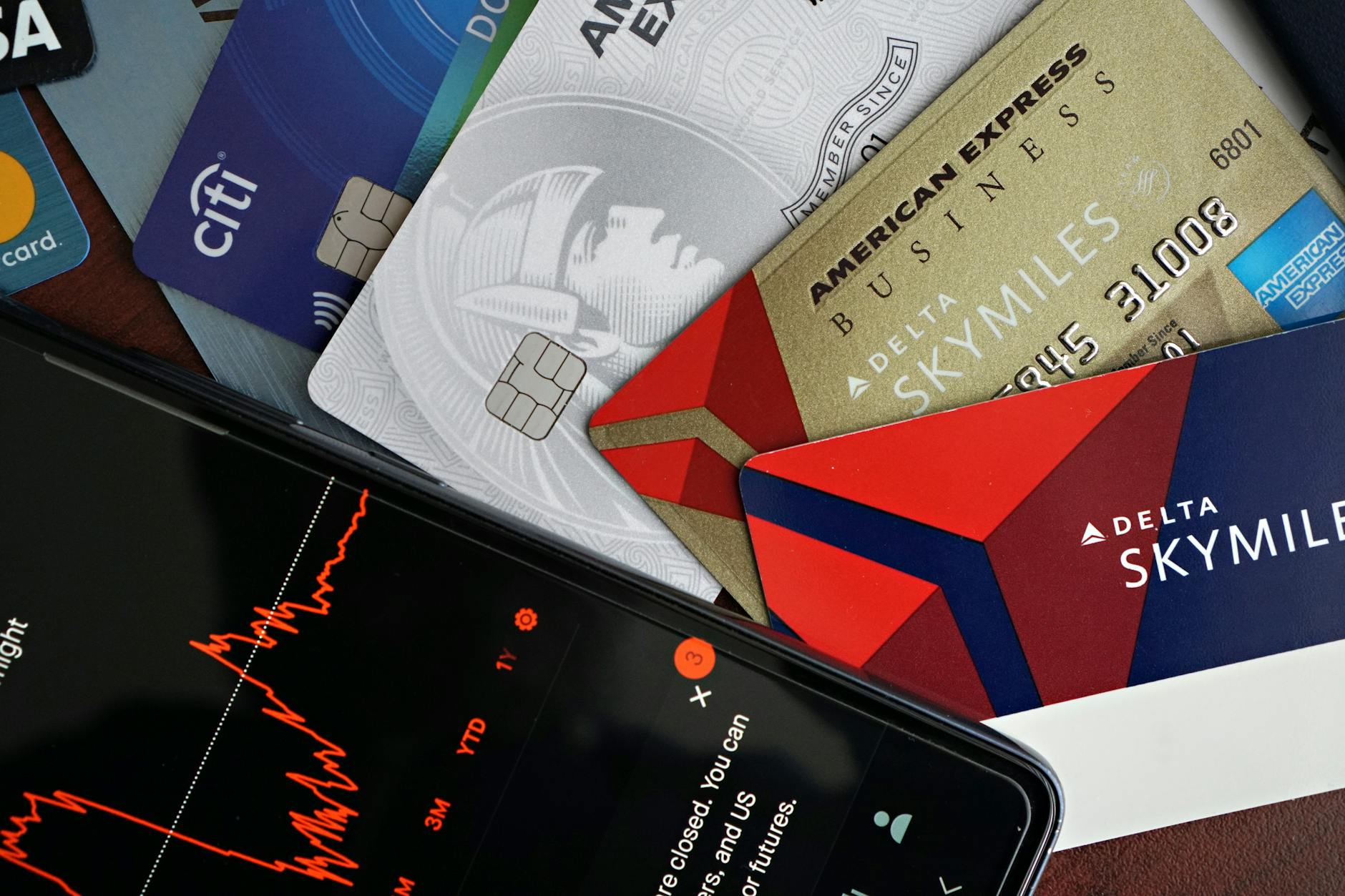
The right credit card is foundational. Cards that offer flat 2 percent cash back on all purchases are less lucrative than cards with 3 to 5 percent back in specific categories like groceries, gas, or dining. The strategy is to match the card to your spending. If you spend $400 monthly on gas, a card with 3 percent cash back on fuel nets you $12 per month or $144 per year, just on one category. A practical example: You have a grocery card that earns 3 percent back on supermarket purchases and 2 percent on everything else. Your household spends $800 per month on groceries and another $200 on other items. That’s $24 in cash back from groceries plus $4 from other categories, totaling $28 per month. That’s one card. If you add a gas card with 4 percent back and you fill up twice monthly at $50 each time, you’ve earned another $4.
A dining card at 3 percent on restaurant purchases worth $200 monthly earns $6. Three cards, properly used, generate $38 per month in passive cash back. Cash back apps like Ibotta, Fetch Rewards, and Rakuten extend this. These apps let you scan your receipt or link your store loyalty account and instantly earn cash back on participating products or entire purchases. Ibotta offers $0.50 to $2 per product, often on everyday items like milk or bread. Fetch Rewards gives you points just for uploading any receipt (grocery, gas, pharmacy, restaurants). The earnings per receipt are small—usually under $1—but if your household buys groceries once a week, you’re uploading 52 receipts per year. At an average of $0.30 per receipt, that’s nearly $16 annually from Fetch alone. Rakuten offers cash back on online purchases through their portal; if you shop online $300 per month, 2 percent back is $6 monthly just for using their link before purchasing.
How to Leverage Manufacturer Rebates and Store Promotions for Larger One-Time Gains
Manufacturer rebates and seasonal promotions are where you can jump from steady $30-to-$50 monthly cash back into the $100-to-$400 range in specific months. These deals are tied to product launches, seasonal needs (back-to-school, holiday buying), and clearance events. The key is anticipating them and planning your larger purchases around the promotions rather than buying randomly. Electronics, appliances, and furniture are the categories with the richest rebates. When Best Buy or Costco runs a promotion on TVs or laptops, manufacturers often stack additional rebates on top. A $1,200 laptop might have a $150 manufacturer rebate, a $50 store promotion, and if you use the right credit card, another $24 in cash back. That’s $224 total value on a single purchase. The catch: you can’t wait to need these items—you have to stay informed about deals and plan ahead. If you know your refrigerator will likely fail within the next six months, start watching for rebate cycles.
Most appliance manufacturers run their biggest rebates in January (New Year shopping) and September (Labor Day sales). Buying in February or March means missing out on potentially $100 to $200 in rebate value. Grocery stores and drugstores run weekly promotions that rotate by category. One week, laundry detergent is on sale with a manufacturer rebate. Another week, it’s pain relievers or vitamins. If you stock up on these items when both the sale and rebate align, you can save 30 to 50 percent. A $8 box of laundry detergent might be on sale for $5 with a $3 rebate, bringing your cost down to $2—effectively 75 percent off if you buy five boxes at once. The limitation is storage space and the time it takes to manage and submit rebates. For a household with two people, buying 10 boxes of detergent at once is overkill and wastes money if they expire before use.
Common Mistakes That Prevent You from Reaching the Upper End of the $100-$400 Range
The most avoidable mistake is not understanding the difference between promotional pricing and actual savings. A store advertises “$50 cash back” on a laptop, but doesn’t mention that the laptop’s list price is already 15 percent above market value. You’ve been duped into overpaying just to capture the rebate. Always compare the final price (after rebate and discounts) against the item’s price at competitors before assuming it’s a deal. Using tools like PCPartPicker for electronics or CamelCamelCamel for Amazon price history helps verify whether the discount is real or illusory. Another common failure is abandoning your cash back system midway through a month or missing a rebate deadline because you didn’t track the submission date carefully. Mail-in rebates are the worst offender—20 to 30 percent of people forget to mail them or miss the deadline by a few days and lose the money. Set a non-negotiable reminder for one week before any rebate deadline.
Put the physical receipt and rebate form in an envelope addressed and ready to mail a few days early. If you’re going to miss the deadline, don’t submit at all—it’s not worth the hassle of a partial claim. Some people also make the mistake of applying for cash back credit cards just to get sign-up bonuses and then churning through new cards constantly. While sign-up bonuses (typically $100 to $300 in cash back for minimum spending) can be lucrative, they come with annual fees, and constantly opening new accounts damages your credit score. Stick to two or three cards that align with your actual spending patterns. One final pitfall: using cash back and rebates as an excuse to overspend. If you tell yourself, “I’ll buy this because I get cash back,” you’re spending to save, which is financially backwards. Cash back is a bonus on money you’re already spending, not a reason to increase spending. Monitor your monthly totals to ensure you’re not buying more than you would without these incentives.

Seasonal Opportunities and Holiday Shopping Strategies
Holidays and seasonal events create the richest rebate environments. Black Friday, Cyber Monday, the back-to-school period (July through August), and year-end clearance sales (December 26 onward) all feature elevated rebate levels. During Black Friday, retailers and manufacturers often double down on rebates, knowing people are primed to spend on gifts and household items. The strategic approach is to front-load your purchasing for larger items into these seasonal windows.
If you need new bedding, kitchen appliances, or clothing, waiting for Black Friday can mean an extra 20 to 40 percent in combined discounts and rebates. A $1,500 order for kitchen appliances might have a $200 manufacturer rebate, $100 in store gift cards, and $45 in credit card cash back if purchased during Black Friday, versus a regular season purchase with a $50 rebate and $22 in cash back. That’s a $273 difference by timing the purchase strategically. Similarly, back-to-school season (late July and August) features aggressive rebates on electronics, furniture (desks, chairs), and clothing. Parents buying laptops for college students can find $100 to $300 in combined rebates and store promotions during this period.
The Long-Term Value and Sustainability of Cash Back as a Savings Strategy
Cash back and rebates aren’t a path to wealth, but they’re a reliable, low-effort addition to your savings when implemented systematically. Over a year, earning $200 per month is $2,400—that’s a fully funded emergency fund for many households, or a meaningful contribution to a vacation, home improvement, or debt payoff. The beauty is that it requires no additional work beyond what you’re already doing; you’re just redirecting existing purchases through the right channels. The sustainability of this strategy depends on your willingness to stay organized and on retailers continuing to offer these incentives.
Cash back and rebates are permanent features of retail economics, not temporary trends. As long as manufacturers and stores need to move inventory and attract customers, cash back deals will exist. Your job is simply to stay informed, keep a running list, and follow through on deadlines. Over time, this becomes automatic—you naturally start checking for cash back apps before purchasing, you instinctively reach for the right credit card by category, and you remember to save receipts for rebate submission. For households with significant grocery and household spending, $100 to $400 per month is a reasonable and achievable target.
Conclusion
Earning $100 to $400 per month through cash back and rebates is entirely possible if you operate with a system. The foundation is selecting credit cards aligned with your spending categories, signing up for cashback apps, staying informed about manufacturer and store promotions, and maintaining a tracking system for rebate deadlines. Start small with one cash back credit card and one app, then expand once you’ve automated the process and understand how it works in practice. The final step is preventing yourself from overthinking it or abandoning the system after a few weeks.
You don’t need to optimize every single dollar or chase every deal. Focus on the categories where you spend the most money and the deals that require minimal effort. Pay attention to deadlines, keep receipts organized, and let the compounding effect work. After six months of consistent effort, you’ll have a clear picture of your realistic monthly cash back potential, and reaching the higher end of that $100-to-$400 range becomes routine.
Frequently Asked Questions
Do mail-in rebates actually pay out, or is it a scam?
Mail-in rebates are legitimate but rely on low submission rates to save retailers money. Approximately 20 to 40 percent of rebates are never claimed because people forget deadlines or lose paperwork. If you’re organized and submit on time, you’ll receive payment within 8 to 12 weeks, typically via check or direct deposit.
Will getting multiple cash back credit cards hurt my credit score?
Opening multiple cards within a short time frame does cause a temporary dip (typically 5 to 10 points per inquiry), but the effect diminishes after six months. If you’re strategic about spacing applications and maintain low balances, the long-term impact is minimal. The cash back earnings far outweigh the temporary credit score reduction for most people.
What happens if a product I bought with a rebate goes on sale the next week?
Retailers don’t typically honor price adjustments retroactively after the rebate period closes, so you lose the opportunity to claim both. To avoid this, avoid making major purchases days before major sales events. Black Friday and major holiday sales are usually announced weeks in advance, so you can time your purchases accordingly.
Can you combine multiple cash back sources on a single purchase?
Yes, in most cases. You can use a cash back credit card, apply an app-based rebate, and still claim a manufacturer or store rebate on the same product. For example, buying laundry detergent might earn 2 percent on your credit card, $0.50 through the Ibotta app, and $3 from a store promotion—all on one purchase.
How much time does managing cash back and rebates actually take?
After the initial setup (selecting cards and signing up for apps), ongoing management takes 30 to 60 minutes per month: scanning receipts, uploading them to apps, checking for active rebates, and submitting mail-in forms. This scales down once you develop habits and systems.
Are there any tax implications for cash back and rebate earnings?
Cash back on personal purchases is generally not taxable because it’s treated as a discount rather than income. Rebates also typically aren’t taxable. However, if you engage in reselling products purchased specifically to claim rebates multiple times, that could be considered business income. For normal household use, there are no tax implications.