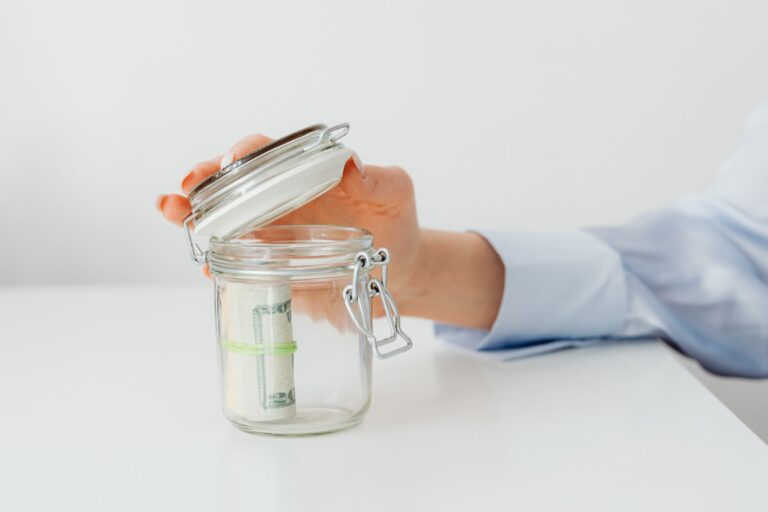
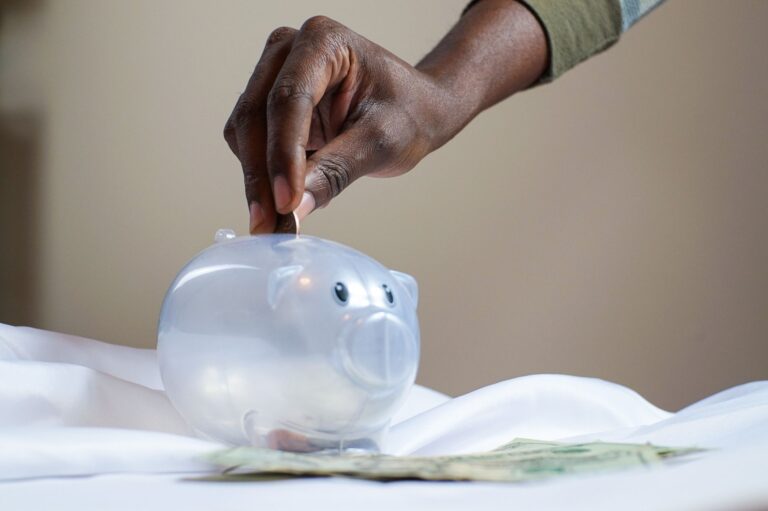
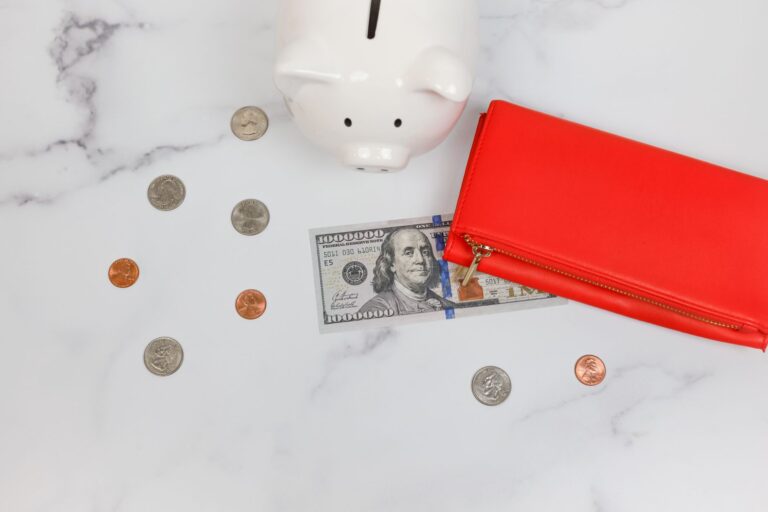
You can cut your coffee spending from $150-200 monthly down to $50 without giving up coffee entirely. The math is straightforward: if you’re buying specialty drinks at $6-8 each, five days a week, you’re spending roughly $120-160 per month. By switching to a combination of home brewing and strategic cafes, most people can maintain their coffee habit while freeing up $100 monthly.
One common scenario: a person buying a $6 latte five days a week for work ($120/month) can switch to brewing at home for $15/month and treating themselves to one fancy coffee on Fridays ($24/month), landing at about $40/month total. The key isn’t cutting coffee out of your life—it’s being intentional about where you buy it and how often. Unlike other budget cuts that feel like deprivation, this approach lets you keep enjoying coffee daily while spending less than half of what you currently do. The transition typically takes a month or two as you settle into new habits, but the savings compound quickly.
Table of Contents
- What’s Actually Costing You $100+ Per Month on Coffee?
- The Reality of Home Brewing: Quality, Consistency, and True Costs
- The “Occasional Treat” Strategy: Buying Smart When You Do Visit Cafés
- Buying and Brewing in Bulk: The Subscription and Wholesale Approach
- The Caffeine Dependence Problem: Avoiding the Pitfalls
- The Hybrid Approach: Coffee Shop Membership and Loyalty Programs
- The Long-Term Shift: Building Sustainable Coffee Habits
- Conclusion
What’s Actually Costing You $100+ Per Month on Coffee?
Most people don’t realize how quickly daily coffee purchases add up because each transaction feels small. A $5 latte here, a $6 cold brew there, and suddenly you’ve spent $150 without consciously choosing to. The problem compounds if you’re buying from specialty chains or trendy coffee shops, where even basic drinks run $4-5. If you grab coffee five days a week at work, you’re automatically committed to at least $80-100 monthly, and that‘s before weekends or travel.
The breakdown matters because it shows where your money is actually going. Someone buying two drinks per day at $6 each is spending $240 monthly just on coffee. Someone buying one drink per day spends around $120 monthly. Even the casual “three times a week” coffee buyer hits $60 monthly. Understanding your personal number—check your last three months of statements and add up all coffee purchases—gives you a concrete target and proof that the $100 savings is achievable.

The Reality of Home Brewing: Quality, Consistency, and True Costs
Home brewing is far cheaper than coffee shops, but the quality and convenience tradeoffs matter. A basic home setup costs $30-100 upfront: a simple drip machine ($20-40), a burr grinder ($30-60 if you want decent quality), and reusable filters. Then coffee beans run about $10-15 per pound, and a pound typically makes 15-20 cups. That’s roughly 50-75 cents per cup at home, compared to $5-7 at a café. Over a month, brewing at home costs $15-20 if you drink one cup daily, versus $120-150 from shops.
The limitation worth acknowledging: home coffee won’t taste identical to what you get from a trained barista at a specialty cafe, and convenience takes a hit. You need to brew before leaving, carry it in a tumbler, or accept that 30 minutes at home. Some people find the ritual of making coffee rewarding; others see it as friction. The common mistake is buying an expensive espresso machine ($200-400) expecting café quality, then using it twice before it feels like a chore. For most people, a simple burr grinder and drip brewer hits the right balance between cost, quality, and effort.
The “Occasional Treat” Strategy: Buying Smart When You Do Visit Cafés
Rather than eliminating coffee shop visits entirely, many people find success by keeping them occasional and intentional. If you typically visit a café five days per week, cutting back to once per week saves $480-600 annually while preserving the experience and social aspect you probably value. That weekly visit becomes something to look forward to rather than a habit, and you’re more likely to enjoy it. You might even spend the same amount on that one visit ($6-8) and still come out ahead because you’re not making additional purchases throughout the week.
The strategic part is choosing cheaper options when you do visit. A simple coffee or americano costs $2-3, while specialty drinks cost $5-7. If café culture matters to you, buy the cheaper drink, spend more time there, and get equivalent value. Some people find that a nice coffee shop visit once weekly hits a psychological sweet spot—the ritual and environment justify the cost, but the frequency keeps it affordable.
Buying and Brewing in Bulk: The Subscription and Wholesale Approach
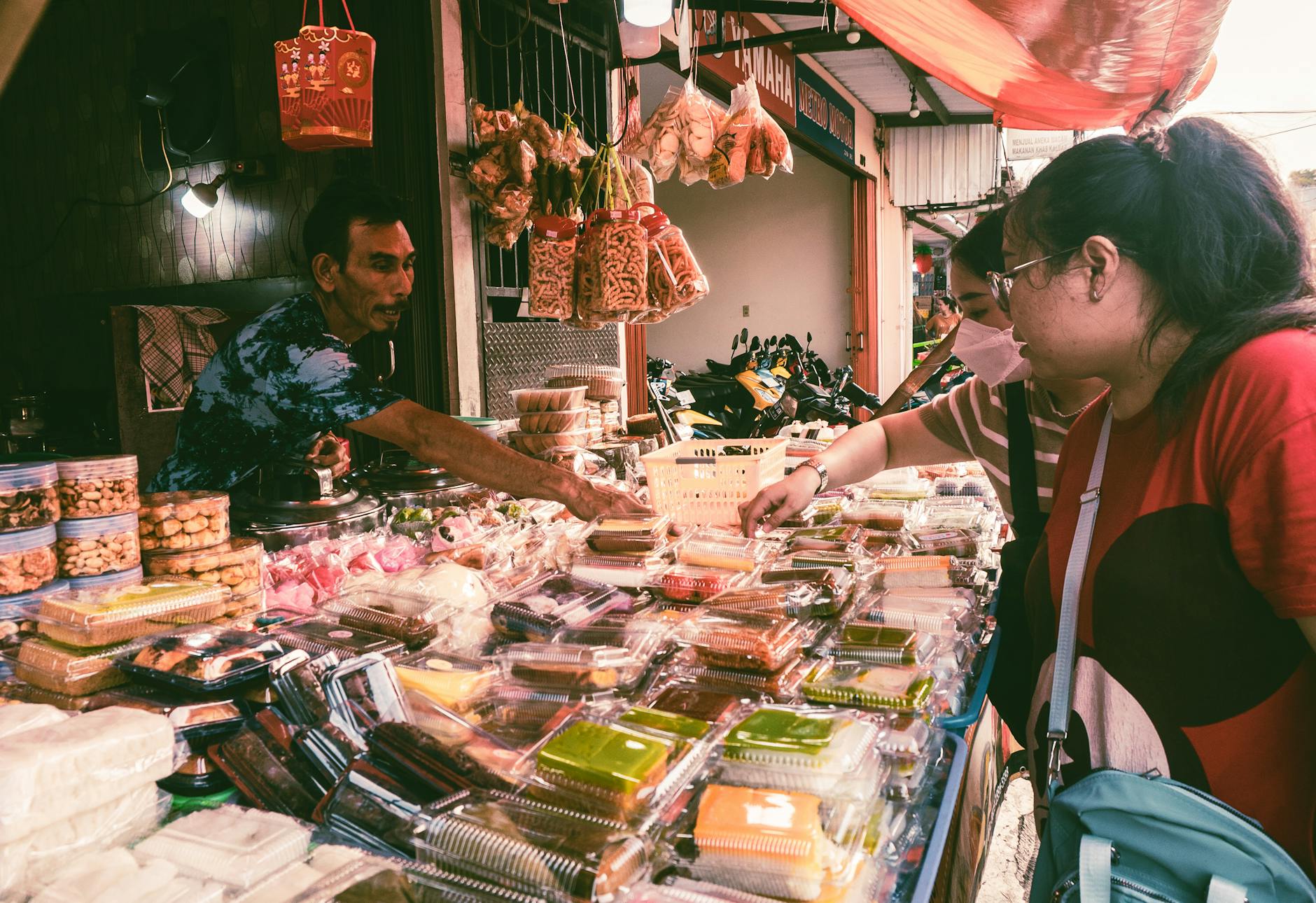
Buying coffee beans in bulk from online roasters or wholesale clubs drops the per-cup cost further. A five-pound bag from a roaster ($30-40) breaks down to roughly 30-40 cents per cup, versus $10-15 per pound in retail bags. If you drink coffee daily, buying bulk every two months is realistic and requires minimal extra effort. Subscription services from roasters often offer a slight discount and handle the ordering automatically, removing the friction of remembering to restock.
The tradeoff is that bulk buying assumes you have consistent taste preferences and storage space. Coffee starts losing freshness after two weeks of opening, so buying ten pounds only works if you’ll use it within that window. You also need airtight storage containers and ideally a cool, dark place away from heat. Some people find subscription services annoying because they arrive on a schedule rather than when you need them, requiring you to manage inventory. The financial gain is real—roughly $3-5 per pound savings—but the convenience cost isn’t zero.
The Caffeine Dependence Problem: Avoiding the Pitfalls
One risk people encounter is replacing expensive coffee shop visits with excessive home consumption, thinking “since it’s cheap now, I can drink more.” This can work against your budget and health. If you go from one daily coffee shop drink to three home-brewed cups, you’re not really saving money, and you’re ingesting 300+ mg of caffeine daily instead of 150 mg, which has its own downsides. The budget-cutting exercise should mean spending less, not consuming more. Another pitfall is investing in coffee equipment beyond what you’ll actually use.
A $400 espresso machine sounds appealing in theory but sits unused in most kitchens. Most people are better served by a $30 drip maker and $40 burr grinder. If you try expensive equipment and hate the daily maintenance, you’ll abandon it and return to café spending, undoing your savings. Start minimal, then upgrade only if you discover you genuinely enjoy the ritual enough to maintain it consistently.

The Hybrid Approach: Coffee Shop Membership and Loyalty Programs
Many coffee shops offer punch cards or subscription loyalty programs that reduce per-drink costs. Starbucks’ subscription program costs $9.99 monthly and gives you a free drink and reduced prices, potentially saving money if you visit regularly. Some local roasters offer monthly subscriptions for $20-30 with significant discounts on in-shop purchases.
These programs work well if you like supporting a specific place and want occasional café visits without the full premium cost. The catch is that loyalty programs incentivize you to visit more frequently to “get your money’s worth,” potentially canceling out savings. Use them only if you were already planning to visit that café regularly; don’t let a subscription create new spending habits.
The Long-Term Shift: Building Sustainable Coffee Habits
The most successful approach to cutting coffee spending long-term isn’t about deprivation—it’s about shifting from convenience-driven purchases to intention-driven ones. When coffee shop visits become special occasions rather than daily routines, you appreciate them more and spend less overall. Over a year, reducing from five café visits per week to one saves over $400, money that compounds into something meaningful.
People who maintain these changes successfully tend to reframe coffee as something they enjoy making rather than a transaction they’re subjected to. Building this mindset takes a few months, which is why most financial advisors recommend a gradual transition rather than quitting cold turkey. Start by bringing homemade coffee three days per week, then increase to four and five. Within six weeks, the new routine feels normal rather than restrictive.
Conclusion
Cutting $100 from your monthly coffee budget is entirely feasible without quitting coffee, and the math supports it. Most people can achieve this by brewing at home for daily consumption and keeping café visits to once weekly or less. The real work isn’t changing what you drink—it’s changing where and how often you buy it, which is a behavioral shift rather than a sacrifice.
Start by tracking your actual coffee spending for one week, then pick one simple change: switch two of your weekly café visits to home-brewed, or buy a basic home brewing setup and commit to using it for 30 days. Once you’ve saved $50-75 over that first month, you’ll have concrete proof that the full $100 monthly savings is within reach. The savings are real, the coffee is still good, and you’ll wonder why you didn’t make this change sooner.