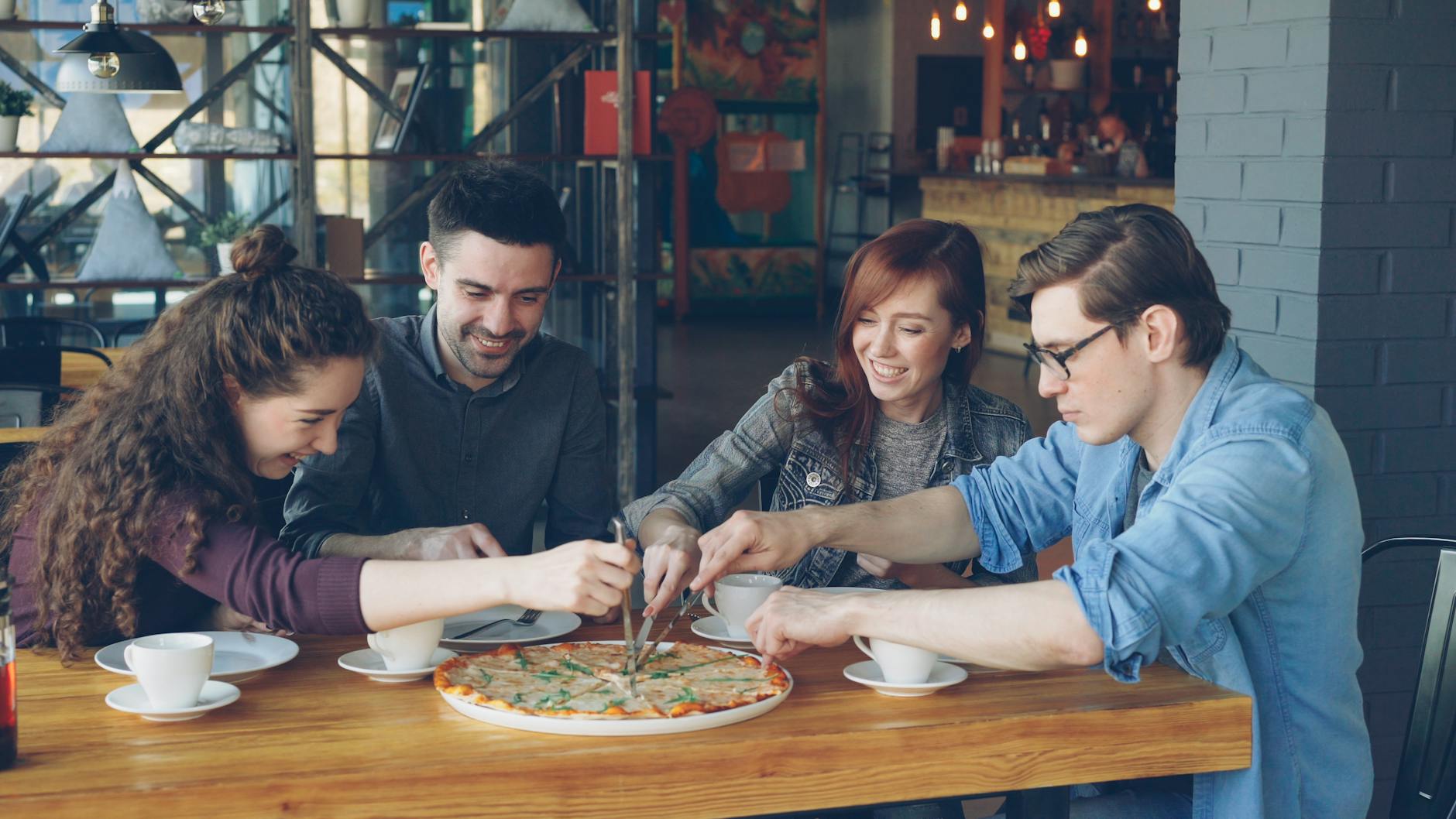

Cutting your restaurant bill by 30 percent is entirely achievable when you understand how restaurants price their menus and when you’re willing to make strategic choices. The single most effective method is dining at lunch instead of dinner—a meal that costs $18 at dinner often appears on the lunch menu for $12, delivering a 33 percent discount immediately. Many restaurants serve lunch prices until 4 p.m., meaning you can eat an early dinner at a fraction of the evening cost. Combined with other tactics like eliminating beverages, sharing entrees, and using digital coupons, reaching a 30 percent reduction becomes realistic for most diners.
The average American family spends substantially more than necessary when eating out. A restaurant meal costing $13 is approximately 325 percent more expensive than preparing the same meal at home for $4. This gap persists because restaurants price aggressively for beverages, leverage psychological pricing for entrees, and structure their menus to encourage higher spending. However, once you understand these pricing structures and apply a handful of strategic choices, you regain control over your dining costs without sacrificing meals you enjoy.
Table of Contents
- How to Maximize Lunch Pricing Advantages
- Strategic Beverage and Add-On Elimination
- Using Appetizers and Shared Meals Effectively
- Timing Your Restaurant Visits for Happy Hour Savings
- Digital Tools and Loyalty Programs to Watch For
- The Home vs. Restaurant Cost Reality Check
- Building Sustainable Dining Habits in 2026
- Conclusion
- Frequently Asked Questions
How to Maximize Lunch Pricing Advantages
The lunch-versus-dinner pricing structure represents the lowest-hanging fruit for restaurant savings. When a restaurant sets a dinner entree at $18, they typically price the identical dish at $12 during lunch service—a 33 percent difference that applies across most cuisine types. This isn’t a special promotion; it’s standard restaurant economics. Lunch customers tend to have less time and lower expectations for ambiance, so restaurants can serve the same quality product at lower prices while maintaining profitability through volume and turnover. The key is knowing which restaurants near you offer lunch service and until what time they honor lunch pricing. Most full-service restaurants extend lunch pricing until 4 p.m., which opens a window for early dinners at substantially reduced costs. If you typically eat dinner at 6 p.m., shifting to 4 p.m. or even 3:30 p.m.
can save $6 to $8 per person on your entree alone. For a family of four, this single adjustment saves $24 to $32 per meal. The limitation is that you may sacrifice the dining experience you prefer—early dinners feel rushed, and some restaurants reduce their lunch atmosphere by late afternoon. Additionally, lunch menus sometimes exclude premium items available at dinner, limiting your choices even though prices drop. A practical example: You want to dine at a casual steakhouse. The grilled salmon costs $24 at dinner and $16 during lunch. By moving your reservation to 3:30 p.m., you save $32 per person before considering any other strategies. If you add beverage elimination and an appetizer-based meal to this single change, your bill reduction exceeds 40 percent. The tradeoff is scheduling flexibility—you must commit to earlier times rather than dining when you prefer.
Strategic Beverage and Add-On Elimination
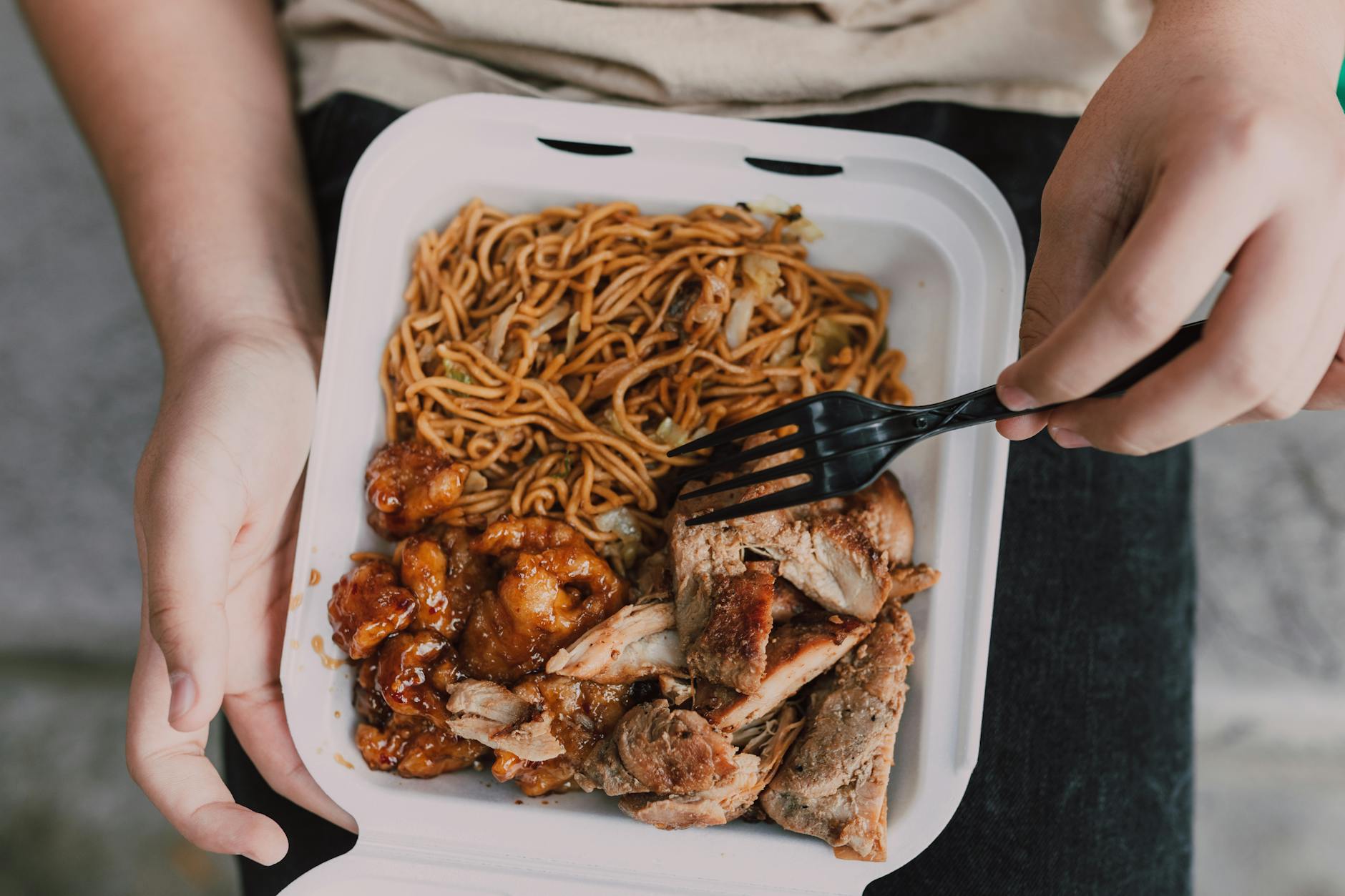
Beverages represent one of the largest profit margins in restaurant operations, with alcohol markups between 60 and 70 percent. Skipping drinks alone reduces your bill by approximately 20 percent, a straightforward calculation because beverages are entirely discretionary line items. A single cocktail costing $14 or a soda at $3.50 adds up quickly across a party of four or five. When you eliminate both alcoholic and non-alcoholic beverages, the savings jump to roughly 20 percent. If you further eliminate sides—bread baskets, fries, or vegetable accompaniments—your total reduction reaches 40 percent or more. The challenge with aggressive beverage elimination is that it affects the dining experience. Skipping water means nothing, but skipping wine with a nice meal eliminates a core component of fine dining. For casual restaurants or family-oriented outings, this tradeoff feels manageable.
For celebrating occasions or trying a new restaurant specifically for the drinks program, strict beverage elimination contradicts your purpose for being there. A middle ground is ordering one shared beverage or limiting alcohol to one drink per person rather than eliminating it entirely. Consider a typical restaurant visit. Your entree costs $18, a side is $4, a beverage is $4, and appetizers are $8. Total: $34. Remove the drink and side, and your bill drops to $22—a 35 percent reduction without changing your main course. This strategy works particularly well at lunch, where entrees are already discounted. The limitation is that sides often enhance entrees—fries complement a burger, vegetables complete a grilled fish, and bread fills the gap while waiting for your meal. By eliminating these, you may feel shortchanged even at a lower price point.
Using Appetizers and Shared Meals Effectively
Appetizers are structurally cheaper than entrees—typically 30 to 40 percent less expensive—while often serving as complete meals in their own right. A plated appetizer at $10 to $14 might be nearly identical in portion size to a $18 to $22 entree, with the main difference being presentation and menu positioning. Restaurants price appetizers lower partly because diners expect them to be smaller and partly because they’re intended to increase order volume rather than replace entrees. By treating appetizers as your main course, you capture this pricing advantage directly. Shared meals amplify these savings further. Ordering one entree to split between two diners reduces per-person costs significantly, even accounting for small plate-sharing fees that some restaurants charge. This strategy pairs exceptionally well with lunch pricing and beverage elimination.
A shared appetizer becomes a lighter, cheaper meal when split further between multiple diners. The practical limitation is that sharing depends on your dining companions and the restaurant’s willingness to accommodate. Some upscale establishments discourage sharing or charge plate fees that reduce the savings advantage. Additionally, dietary preferences and portion size preferences complicate sharing arrangements—you and your partner may want different temperatures, spice levels, or portion sizes. A real-world example: Three diners order appetizers instead of entrees at a restaurant where appetizers average $12 and entrees average $20. Per-person savings: approximately $8 per person, or roughly 40 percent. If they further skip beverages (another $4 per person) and add an appetizer share (reducing individual costs further), their total savings reaches 45 percent or more. The tradeoff is less structured meals and potential social discomfort if the restaurant culture emphasizes full entrees.
Timing Your Restaurant Visits for Happy Hour Savings
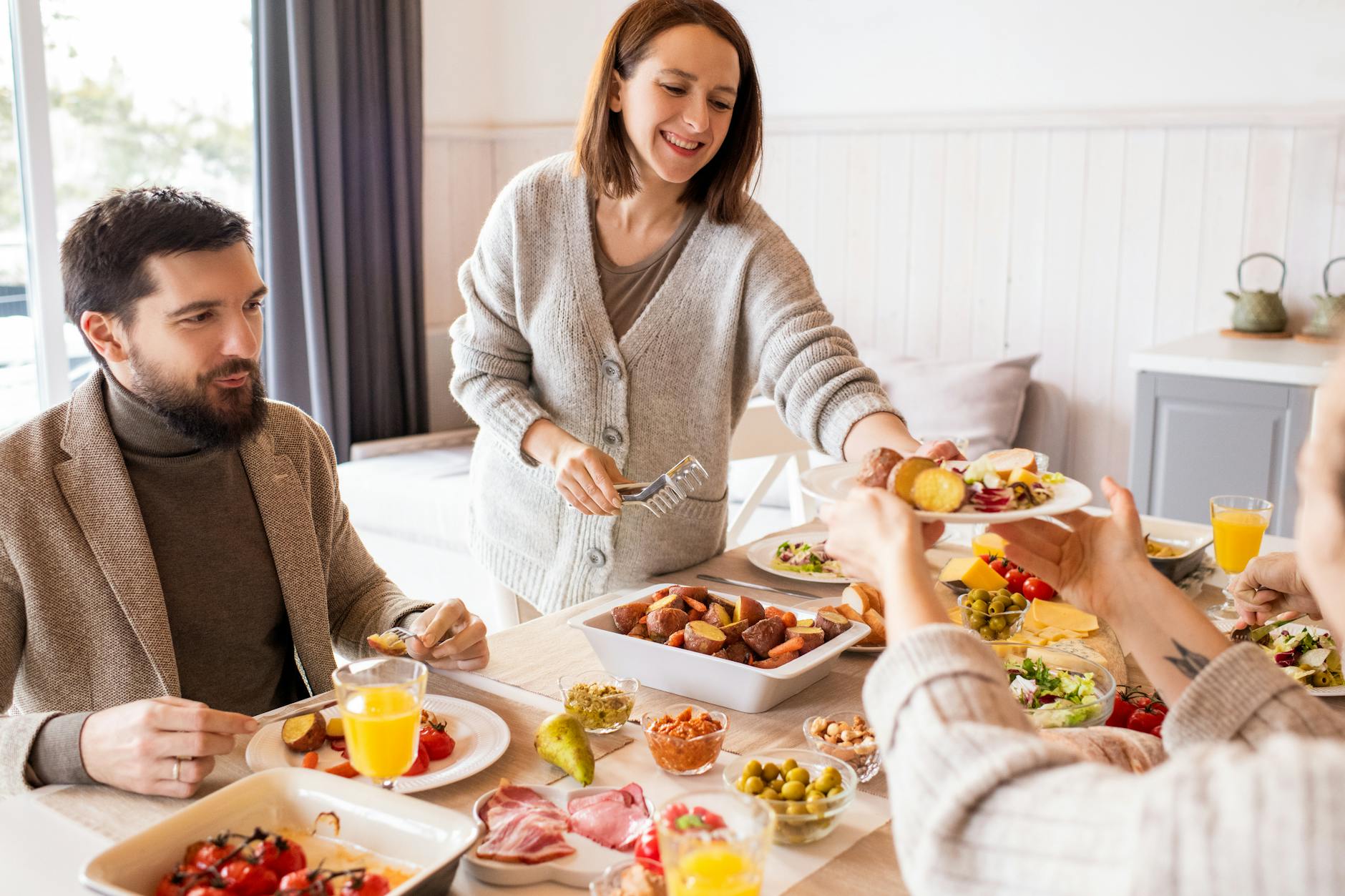
Happy hour, typically running from 3 to 6 p.m., offers discounted food and beverages that can reduce your bill by 20 to 50 percent. Select appetizers, entrees, and drinks are priced at $4 to $7, creating opportunities for substantial savings on specific items. These deals are designed to drive traffic during slow periods, so restaurants intentionally make them attractive. The challenge is that happy hour items are usually limited—not your first choice, but strategically selected by the restaurant to maximize profit while driving volume. Many restaurants extend happy hour pricing to food as well as drinks, meaning you can order a discounted appetizer at happy hour rates. This creates a compounding effect: a $14 appetizer drops to $6 at happy hour, and when you pair it with happy hour drink pricing, a meal that would cost $25 at standard pricing costs $10 to $12.
The main limitation is timing—you must dine between 3 and 6 p.m., which conflicts with standard dinner times for people working traditional hours. Additionally, happy hour crowds can be hectic, and the restaurant experience during happy hour often differs from evening service, with less attentive staff and a bar-focused atmosphere. The practical application depends on your schedule. If you work from home, shift work, or have flexible hours, happy hour becomes a regular part of your dining strategy. If you work 9 to 5 and want to dine after work, happy hour only works on days when you leave early or live near restaurants with extended happy hour windows. Some restaurants run happy hours until 7 or 8 p.m., creating more flexibility. The value proposition is significant—a $25 meal becomes a $10 meal—but only if timing aligns with your reality.
Digital Tools and Loyalty Programs to Watch For
Restaurant apps and loyalty programs offer discounts ranging from 20 to 50 percent, plus free meals throughout the year. Most major restaurant chains and many independent establishments offer digital coupons through dedicated apps or email lists. These programs are free to join and require only a smartphone and a willingness to plan your dining around available offers. A typical offer might be “$5 off a $15 purchase” (33 percent off) or “free appetizer with entree purchase” (equivalent to 20-30 percent savings depending on appetizer cost). The limitation of loyalty programs is that they incentivize you to dine at restaurants you might not otherwise choose, potentially negating savings through increased frequency. If you receive a coupon offering $10 off at a restaurant you’d ordinarily skip, and you dine there to use the coupon, you’ve spent more overall than if you’d dined somewhere without a discount.
Additionally, many loyalty programs require email signups, location tracking, and targeted marketing in exchange for discounts. Some restaurants use loyalty data to increase prices for non-members or to suppress offers to customers they identify as price-sensitive, though this practice is less common. Additionally, restaurants sometimes track how often you use coupons and adjust offers accordingly, meaning frequent coupon users eventually receive fewer deals. A practical application: Join the loyalty programs of restaurants you genuinely frequent—places where you already dine regularly. Check for available coupons before each visit, and use them strategically. A restaurant offering a free appetizer or $10 discount on your next visit amplifies the other savings strategies outlined above. For a family dining out twice monthly, loyalty program savings could total $20 to $40 per month with zero additional effort beyond applying a digital coupon at checkout.
The Home vs. Restaurant Cost Reality Check
Understanding the true cost differential motivates smarter restaurant choices. A meal costing $13 at a restaurant is approximately 325 percent more expensive than preparing the same meal at home for $4. This dramatic difference reflects labor, rent, marketing, and profit margins that restaurants must charge. When you accept this cost structure, you recognize that you’re paying not just for food but for convenience, ambiance, and service. This reframing helps you make intentional choices rather than defaulting to restaurants out of habit.
The 325 percent markup means that strategic choices compound. If you reduce a $13 meal to $10 through lunch pricing and beverage elimination, you’re moving closer to the home cost but still paying roughly 150 percent more. This isn’t reason to stop dining out—the experience has value—but it’s motivation to be intentional about it. Americans are increasingly recognizing this gap. Data from 2025 to 2026 shows that Americans are spending 7 percent less per month at restaurants compared to summer of the prior year, with 69 percent of consumers eating more at home specifically to save money. This shift reflects broader budget consciousness and the compounding effect of dining out costs.
Building Sustainable Dining Habits in 2026
The trends showing Americans eating more at home suggest that sustainable restaurant spending in 2026 and beyond requires intentionality rather than willpower. Rather than swearing off restaurants entirely, the sustainable approach is integrating the strategies outlined above into your regular habits. Lunch dates instead of dinners, appetizer meals instead of entrees, and strategic use of happy hours and coupons become habitual choices rather than exceptional efforts. When these become defaults, they deliver consistent 30-plus percent savings without requiring constant calculation.
Building these habits takes planning—knowing which restaurants near you offer lunch pricing, checking for available coupons before dining, scheduling early dinners instead of evening ones, and choosing appetizers confidently. The forward-looking advantage is that restaurants recognize these trends. Some establishments are adjusting pricing strategies, expanding happy hour windows, and promoting appetizer meals to retain price-conscious diners. By implementing these strategies now, you’re aligning yourself with market realities and taking advantage of programs specifically designed for budget-conscious diners.
Conclusion
Reducing your restaurant bill by 30 percent doesn’t require sacrifice or elaborate planning—it requires understanding how restaurants price menus and making strategic choices at key decision points. Dining at lunch instead of dinner delivers 33 percent savings on entrees alone. Eliminating beverages and choosing appetizers compounds these savings. Happy hours and loyalty programs add another layer of discounts.
When combined, these strategies consistently deliver 30-plus percent reductions on your restaurant bills. The real opportunity is recognizing that you’re already paying premium prices for the convenience of restaurants—you might as well leverage every structural advantage available. Start with one change: dine at lunch on your next restaurant visit, or check for available coupons at a restaurant you frequent. As these practices become habitual, they’ll deliver substantial savings without requiring constant effort or sacrificing meals you enjoy. Your budget and your dining lifestyle can coexist.
Frequently Asked Questions
Will restaurants charge me differently if I request an appetizer as my main course?
No. Appetizers are menu items like any other, and restaurants serve them as ordered. You may occasionally see staff confusion about portion expectations, but you’re within your rights to order appetizers as your main meal.
Do loyalty program discounts actually add up, or am I just eating out more?
They add up only if you dine at restaurants you’d visit anyway. If the coupon motivates you to dine at a restaurant you’d otherwise skip, the discount doesn’t reduce your overall spending. Use coupons strategically at restaurants you genuinely frequent.
Can I combine lunch pricing with other discounts like coupons?
Generally yes, but some restaurants restrict coupon use during lunch hours or prevent stacking multiple offers. Check the coupon fine print and ask your server before ordering to confirm all discounts will apply.
Is asking to split a meal between multiple plates something restaurants accommodate?
Most do without charge, though some fine-dining establishments charge small plate fees ($2 to $4 per plate). Call ahead if you’re unsure, or ask when you arrive. Casual restaurants almost always allow splitting without fees.
What if my preferred restaurants don’t have happy hours or lunch discounts?
Focus on the strategies you can control—eliminating beverages, choosing appetizers, and using loyalty programs. These three alone deliver 30-plus percent savings regardless of restaurant type.
Is it worth changing my dining schedule entirely to catch happy hours?
Only if your schedule allows flexibility. If 3 to 6 p.m. conflicts with work or family routines, forcing yourself into these time slots negates the savings through reduced dining experience and increased frequency to chase deals.