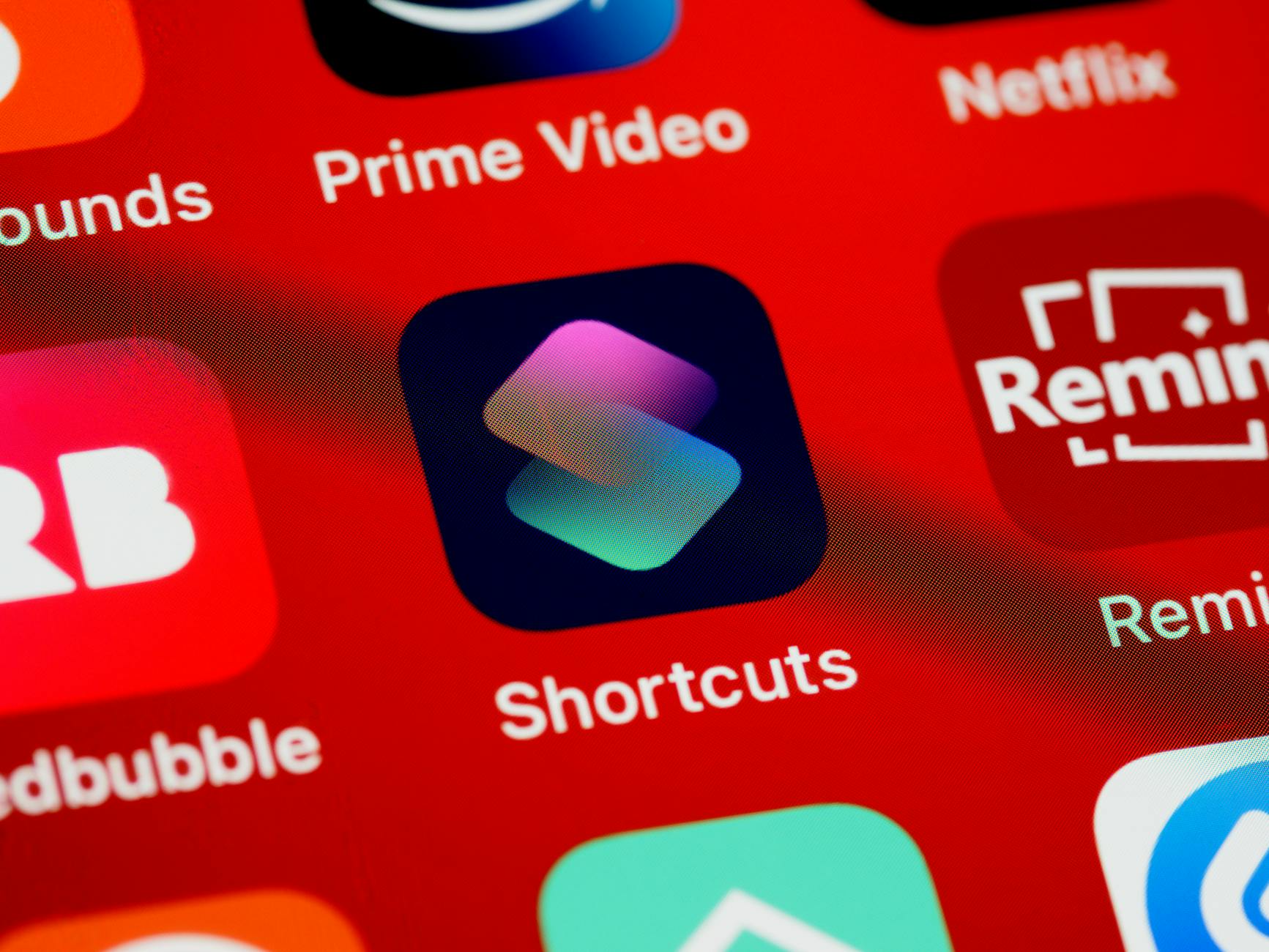

Forgotten subscriptions are costing Americans billions every year. Apps like Truebill, Trim, Subly, and others automate the cancellation process by scanning your bank and credit card statements, identifying recurring charges you’ve likely forgotten about, and handling the cancellation for you—sometimes without you having to lift a finger. If you’ve ever noticed a mysterious $12.99 charge for a streaming service you stopped watching three years ago, or realized you’ve been paying for a gym membership you never use, these apps solve a frustratingly common problem. The beauty of subscription-cancellation apps is their simplicity.
You connect your bank account, they scan for hidden charges, and they present you with a list of subscriptions you’re paying for each month. Many will even contact the company on your behalf to cancel, negotiate a lower rate, or pause the service. Others simply notify you and let you decide whether to keep it. For people who’ve accumulated dozens of small monthly charges over the years, these apps can recover hundreds of dollars annually.
Table of Contents
- How Do Subscription-Cancellation Apps Actually Work?
- The Top Apps That Cancel Forgotten Subscriptions for You
- Which App Is Right for Your Subscription Problem?
- The Cancellation Process: What to Expect and What Could Go Wrong
- The Privacy and Security Reality You Need to Know
- The Negotiation Angle: Some Apps Do More Than Cancel
- The Future of Subscription Management and Building Better Habits
- Conclusion
How Do Subscription-Cancellation Apps Actually Work?
These apps operate by connecting to your financial institution through secure APIs. When you grant permission, they access your transaction history and look for patterns—recurring charges from the same company on the same date each month. Some apps then cross-reference these charges against a database of known subscription services to confirm what you’re actually being charged for. For example, Truebill might identify a charge of $9.99 every month from “Netflix” and alert you that you have an active subscription, complete with an option to cancel immediately through the app’s portal.
The technical backend differs slightly between apps. Trim uses machine learning to categorize transactions and identify subscriptions with unusual accuracy, catching charges that might otherwise slip by. Subly focuses specifically on subscription management and provides a dashboard where you can see all your recurring charges at a glance. Some apps like Cladwell handle niche subscriptions (in their case, clothing-related services), while others cast a wider net. The key limitation here is that not all apps have equal access to all banks—some work better with certain financial institutions, so you may need to test an app with your specific bank to see if it functions properly.

The Top Apps That Cancel Forgotten Subscriptions for You
Trim is one of the most popular options and offers a simple interface where you can review all subscriptions, see how much you’re spending monthly, and initiate cancellations. The app is free to use, though it offers a premium version that includes additional features. Truebill (now part of Rocket Companies) works similarly and integrates tracking for subscriptions alongside overall financial management. It shows you which subscriptions you’re paying for, allows you to cancel directly through the app, and some subscriptions can be paused rather than canceled outright—useful if you think you’ll return to a service later. Subly specializes exclusively in subscriptions and is particularly good if you have a lot of them. The app aggregates all your recurring charges, shows the total you spend each month on subscriptions, and lets you organize them by category. Clarity Money (now part of Goldman Sachs) is another solid option that identifies subscriptions alongside other money-saving opportunities.
For those with niche interests, Cladwell specializes in clothing subscriptions and can help cancel boxes you forgot about. Rakuten also has subscription-tracking features built into its cashback platform, making it useful if you already use Rakuten for rewards. Digit is geared more broadly toward saving, but includes subscription identification as part of its suite. A major limitation with all these apps is that they can only cancel subscriptions through your payment method. If a company requires you to log into your account and cancel through their own website or app (which many do), these apps cannot perform that action. Additionally, your privacy is a concern—you’re giving these apps direct access to your banking information. While reputable apps use encryption and security measures, this remains a legitimate security consideration that should factor into your decision.
Which App Is Right for Your Subscription Problem?
Your choice depends on how many subscriptions you have and what kind of visibility you want. If you have fewer than five subscriptions, you might not need an app at all—simply reviewing your bank statements monthly will catch problematic charges. But if you suspect you have more than ten active subscriptions (which is not uncommon for people with Netflix, Hulu, Disney+, Audible, gym memberships, meal-kit services, and various apps), an automated approach makes sense. Someone with 20 forgotten subscriptions could easily be losing $200–300 monthly, making the time investment in setting up one of these apps worthwhile.
The best approach is to start with a free option like Trim or Truebill to see what subscriptions the app identifies. If it catches several you’ve forgotten about and successfully cancels them, you’ve already recovered its value. If you have a very large number of subscriptions (say, 30 or more), Subly’s specialized interface might provide better organization and visibility. Test the app with your bank to ensure compatibility before fully committing, since some apps work better with certain financial institutions.

The Cancellation Process: What to Expect and What Could Go Wrong
When you authorize an app to cancel a subscription, the process typically works like this: the app identifies the subscription, you confirm you want to cancel, and the app either submits a cancellation request to the company directly (if they have an integration) or sends you a link to complete the cancellation yourself. The best-case scenario takes minutes. You approve the cancellation, the app handles the rest, and you stop seeing the charge on your statement within a billing cycle. However, cancellations don’t always go smoothly.
Some companies make their cancellation process intentionally difficult—requiring you to speak to customer service, filling out a form, or only allowing cancellations within a specific window of your billing cycle. If an app tries to cancel a subscription through an automated integration but the company’s process has changed, the cancellation might fail. In this case, the app will typically notify you that it couldn’t complete the cancellation and direct you to handle it manually. Additionally, some companies may process your cancellation request but continue charging you for one more billing cycle—a common practice that apps can’t prevent. You’ll need to follow up with the company if a charge appears after you’ve requested cancellation.
The Privacy and Security Reality You Need to Know
The biggest red flag with subscription-cancellation apps is that you’re handing them your banking credentials or allowing them to access your full transaction history. This is a security decision, not just a convenience one. Reputable apps like Trim and Truebill use bank-grade encryption and follow industry security standards, and they explicitly state that they don’t store your login credentials. Instead, they use OAuth or API connections that don’t require you to hand over passwords.
However, the app still sees every transaction you make—which is how it identifies subscriptions, but also means the company knows your detailed spending habits. Before using any of these apps, research their privacy policy carefully. Some apps sell anonymized spending data to third parties for market research, which is a business model you should be aware of. Also, keep in mind that connecting your bank account to multiple apps multiplies your security risk. If you’re concerned about privacy, an alternative approach is to simply review your statements manually once a quarter and cancel anything you don’t recognize—it takes 30 minutes but requires no third-party access to your finances.

The Negotiation Angle: Some Apps Do More Than Cancel
A few subscription-cancellation apps have added negotiation features—they contact companies on your behalf not to cancel, but to request a lower rate. Trim has offered this service for some subscriptions, attempting to negotiate with companies like Apple Music or Spotify on your behalf. Success varies significantly depending on the company and your subscription history. A streaming service might reduce your rate from $12.99 to $9.99 if you threaten to cancel, but most companies simply deny negotiation requests.
This feature is worth trying if it’s available, since the only downside is that the app sends a negotiation request on your behalf. Many people are pleasantly surprised to find their rate has been reduced. However, don’t rely on this as your primary strategy—it’s a bonus feature, not a guarantee. For subscriptions where you genuinely want to keep the service but are concerned about cost, it’s worth exploring before committing to a cancellation.
The Future of Subscription Management and Building Better Habits
As recurring subscriptions become more normalized in consumer spending, subscription-cancellation apps are likely to become more sophisticated. Some fintech companies are experimenting with AI-driven systems that notify you before charging occurs, asking you to confirm whether you want to be charged that month. This proactive approach could prevent forgotten subscriptions from accumulating in the first place, rather than just cleaning up afterward.
The longer-term solution, though, is developing a personal habit of reviewing subscriptions quarterly or checking your statements more regularly. Setting a calendar reminder for the first of each quarter to review recurring charges takes 15 minutes and costs nothing. Many people find that after using a subscription-cancellation app once to eliminate forgotten charges, they’re more conscious about what they sign up for—making apps like these a good reset button rather than a permanent solution. The best approach combines app use for the initial cleanup with manual vigilance going forward.
Conclusion
If you suspect you have multiple forgotten subscriptions, apps like Trim, Truebill, Subly, and others can quickly identify and cancel them, potentially recovering hundreds of dollars yearly. The process is straightforward for most subscriptions: connect your bank account, review the list of recurring charges, and approve cancellations. The tradeoff is that you’re giving these apps access to your transaction history, so choosing a reputable app with strong privacy practices is essential.
Start with a free option to see what you’re currently paying for, then decide whether manual quarterly reviews or ongoing app monitoring makes sense for your situation. Most people benefit from a one-time cleanup of forgotten subscriptions, then shift to a monthly or quarterly habit of reviewing statements to prevent the problem from returning. The small time investment upfront typically pays for itself many times over.
You Might Also Like
- Audible Free Trial Warning 2026: The Charges That Start After You Forget to Cancel and How to Stop Them
- Zelle Warning 2026: Why Banks Say Never Use It With Strangers, What Happens If You Do, and Whether You Can Recover Funds
- Venmo Buyer Protection Exposed 2026: What Coverage You Actually Have, Where It Fails, and What to Know Before Sending Money