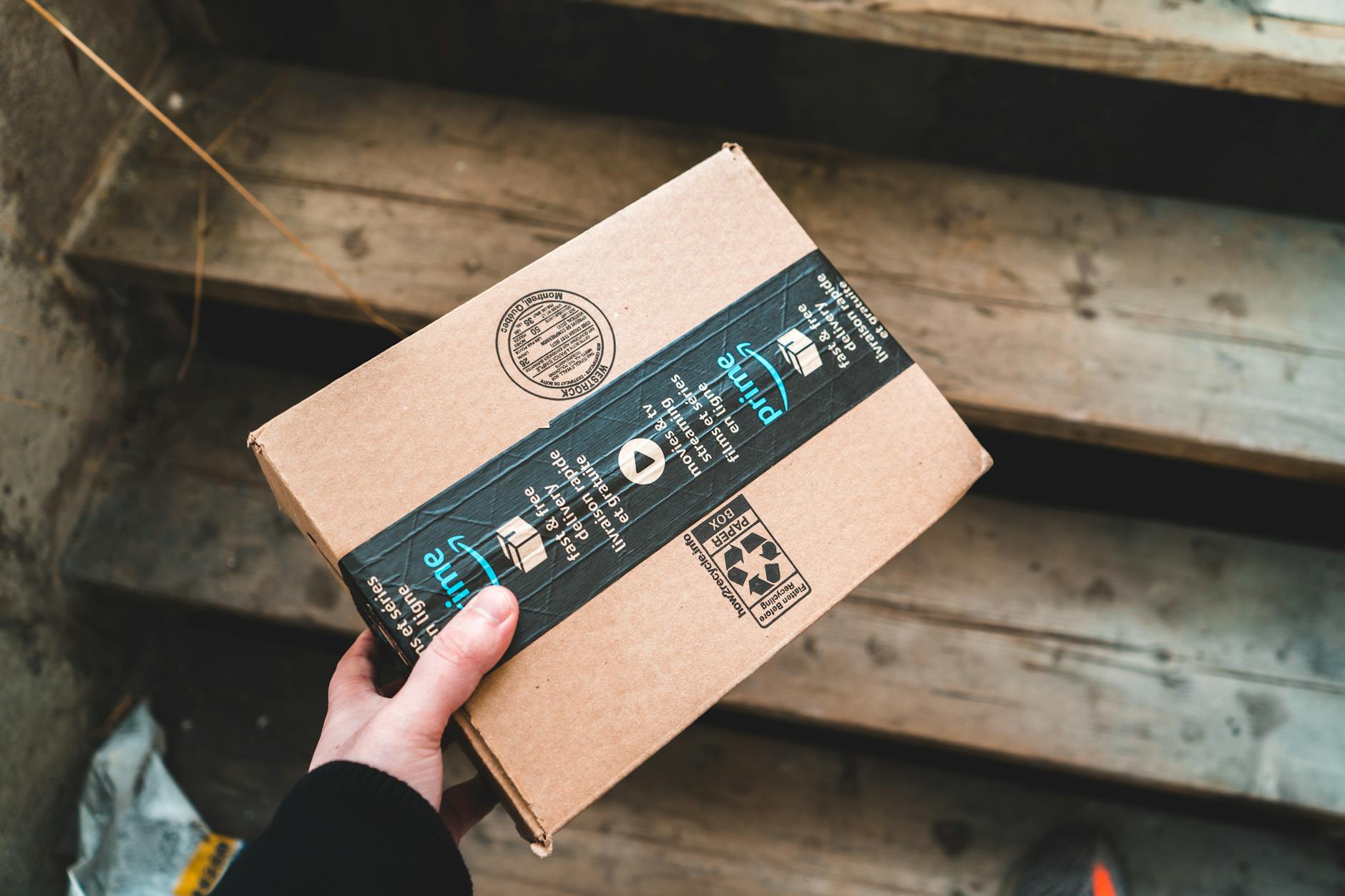

Yes, you can get Amazon Prime for free through several legitimate methods, and even if you don’t qualify for free access, you can reduce your membership cost to just $7 per month instead of the standard $14.99. The easiest path is through Amazon Prime Student, which offers a six-month free trial followed by a $7-per-month rate—you’ll pay roughly half the normal price. For example, a college student could sign up, enjoy six months completely free, then stay subscribed at $7 monthly while their student status is verified by SheerID.
Beyond student discounts, qualifying low-income households can access Prime for free through the Amazon Assisted Shopping program, though eligibility requirements are strict. Several other methods exist, from library partnerships to credit card rewards programs that effectively pay your membership fee. For most people, one of these routes will either eliminate the cost entirely or cut it dramatically.
Table of Contents
- What Are the Best Ways to Get Amazon Prime Completely Free?
- The Student Route to $7-Per-Month Amazon Prime
- Using Credit Cards and Rewards Programs
- Household Sharing and Family Plans
- Watch Out for Scams and Unofficial “Free Prime” Claims
- The EBT/SNAP Prime Benefit
- Looking Forward—Changes to Prime Benefits and Cost
- Conclusion
- Frequently Asked Questions
What Are the Best Ways to Get Amazon Prime Completely Free?
The strongest option for free Prime access is through your local public library system. Over 60% of public libraries in the United States now offer free Prime memberships to cardholders through partnerships with Amazon. To check availability, visit amazon.com/lib and search for your library. Once verified, you’ll get full Prime benefits for the length of your library card membership, typically a year with the option to renew. This is genuinely free—there’s no trial period or hidden requirement.
A resident of Miami-Dade County could obtain their library card at any public library branch, get instant Prime access, and enjoy it for a full year without any catch. Amazon’s Assisted Shopping program provides completely free Prime for qualifying low-income households. To be eligible, you must participate in the Supplemental Nutrition Assistance Program (SNAP) and verify your SNAP card through Amazon. If approved, your Prime membership is free for the entire duration of your program participation. However, eligibility is strict—you’ll need active SNAP benefits, and Amazon verifies this information, so it’s not accessible to everyone. This program has expanded during recent economic downturns, but availability varies by region.

The Student Route to $7-Per-Month Amazon Prime
amazon Prime Student is the most widely accessible discounted option, offering an initially free period and then significantly reduced pricing. When you sign up with a valid college or university email address, you get a six-month free trial with full Prime benefits. After those six months expire, your membership automatically converts to $7 per month—less than half the standard $14.99 annual rate broken into monthly payments. This rate applies only to students under 24 years old or those verified through SheerID, Amazon’s third-party student verification service.
The limitation worth knowing is that you must remain a verified student to keep the $7 rate. If you graduate or your university email access expires, Amazon will eventually request re-verification. Once you fail to verify, your account upgrades to the regular $14.99 monthly price. Some students have reported that Amazon is lenient during the transition period after graduation—giving you months before demanding updated verification—but you shouldn’t count on this. A student graduating in May could theoretically keep the discount through the summer, but by September when they lose campus network access, verification will likely become an issue.
Using Credit Cards and Rewards Programs
Certain premium credit cards effectively pay your Amazon Prime membership through cashback and rewards benefits. The American Express Gold Card, for instance, provides a $120 annual credit toward Amazon purchases when you spend a qualifying amount at U.S. restaurants and supermarkets. The Capital One Venture X card offers similar benefits and covers the Prime membership cost through its travel credits. Chase Sapphire Reserve cardholders receive various premium benefits that can offset membership costs, though these aren’t direct Prime payment options.
The calculation differs for each card based on your spending patterns. If you currently hold a Chase Sapphire Reserve and have the $550 annual fee, you’re already paying for premium perks—one of which is the equivalent of a Prime membership through expedited delivery benefits. However, the real advantage here is if you plan to hold these cards anyway for other reasons. Someone who already carries an American Express Gold Card for business travel could apply their annual Amazon credit to Prime membership, making their overall membership cost zero beyond the card’s annual fee (which comes with other dining and travel benefits). The trap is opening cards solely for the Prime benefit; the annual fees would exceed Prime’s annual cost, making the strategy uneconomical.
Household Sharing and Family Plans
If someone in your household already has a Prime membership, you can access most benefits through their account. Amazon allows you to link multiple adult accounts under a single “Household” for sharing Prime benefits, or you can remain on someone else’s membership without formal household setup. This approach works well within families or when roommates split the cost. A family of four could subscribe to one Prime membership for $14.99 monthly and divide it four ways, bringing each person’s cost to roughly $3.75 per month. The limitation is that Prime benefits don’t divide equally across household members.
Everyone shares the same delivery address on file, which can create confusion if you live in different places. Prime Video is linked to your account specifically, though you can watch it on different devices. Prime Gaming and Alexa benefits also have sharing limitations. If multiple household members buy frequently and require different delivery addresses, the shared plan becomes impractical. Additionally, if the primary account holder cancels, everyone loses access immediately. A college student away from home sharing a parent’s account might find that package deliveries arrive at the parent’s address instead of their dorm, requiring manual address changes for each order.
Watch Out for Scams and Unofficial “Free Prime” Claims
The internet is full of misleading claims about free Amazon Prime, and many of these are scams designed to steal information or spread malware. Websites claiming to offer “hacks” or “secrets” to free Prime membership often ask you to enter your Amazon login credentials or download software. Never do this—Amazon won’t ask for verification through third-party websites, and legitimate free access methods go through Amazon directly or official partnerships like libraries.
Phishing attempts occasionally pose as Amazon communications, asking you to “verify your Prime membership” or “confirm billing information.” Amazon’s official communications always come from verified Amazon email addresses and link directly to amazon.com. If you receive an email claiming your Prime trial is ending and you need to verify something, check your actual Amazon account before clicking any links. A safer approach is to log into Amazon directly through your web browser rather than clicking email links. Additionally, some Facebook groups and forums promise free Prime codes in exchange for “liking” or “sharing” content—these are invariably fake, designed to steal information or compromise accounts.
The EBT/SNAP Prime Benefit
Amazon’s integration with SNAP benefits provides one overlooked path to completely free Prime membership. If you receive SNAP benefits, you can link your SNAP card to an Amazon account and become eligible for free Prime, as mentioned earlier. Beyond the free Prime benefit, SNAP recipients also qualify for special discounts on fresh produce and eligible food items through Amazon Fresh. These discounts can reach 10% on hundreds of grocery products when purchased through the Amazon Fresh service, saving a typical household significant money on staples.
The process requires verifying your SNAP card information, which involves confirming the card number and PIN. Amazon asks for this information directly through its website, not through email or third-party services. An eligible household in Texas could link their SNAP card, activate free Prime, and immediately access discounted groceries on Amazon Fresh. This combination—free Prime membership plus recurring grocery discounts—makes a substantial financial impact for qualifying families. However, the program is only available where Amazon Fresh operates, which excludes some rural areas.
Looking Forward—Changes to Prime Benefits and Cost
Amazon has gradually increased Prime membership costs over the past decade, from $99 annually when it launched to today’s $139 annually (or $14.99 monthly). The company has signaled that further increases may come, particularly if delivery costs continue rising. This trend makes the discounted options discussed here increasingly valuable. Taking advantage of student rates or library access while these programs exist is prudent, as Amazon typically grand-fathers existing rates for a time before raising them on renewal.
The landscape of free Prime access will likely shift. Libraries continue expanding their Prime partnership programs, while Amazon occasionally tests new benefits to justify price increases. Keeping current on available options and reassessing your strategy annually ensures you’re never overpaying. For those with stable income, the question isn’t whether Prime is worth $14.99 monthly, but whether you can access it for less through one of the methods outlined here.
Conclusion
Getting Amazon Prime for free or at a reduced rate is entirely achievable through legitimate channels. Your library membership likely offers free Prime access; students qualify for a six-month free trial plus $7 monthly pricing; low-income households with SNAP benefits receive completely free membership; and family sharing reduces costs even further. The key is matching your circumstances to the program that applies to you and taking action before higher rates take effect.
Start by checking your local library’s Amazon Prime partnership availability, as this is free, requires no trial period, and renews annually. If you’re a student, sign up for Prime Student immediately to lock in the $7 rate while you can. For everyone else, household sharing with family members or exploring credit card benefits tied to spending you’re already doing can offset or eliminate the cost. The money you save—whether it’s the full $139 annual cost or the difference between regular and discounted rates—adds up quickly in a household budget.
Frequently Asked Questions
Can I really get Amazon Prime free through my library?
Yes. Over 60% of U.S. public libraries offer free Prime memberships to cardholders. Check amazon.com/lib to see if your library participates. Access is tied to your library card membership, typically one year with renewal options.
What happens to my Prime Student discount when I graduate?
Your $7 monthly rate continues until Amazon requests verification of student status. Once you can’t verify your student status through SheerID, your account upgrades to the regular $14.99 monthly rate. The transition timeline varies, but you’ll receive notice before the change takes effect.
Are there any risks to sharing one Prime membership across a household?
The main limitation is shared delivery address—packages may arrive at the primary account holder’s location rather than other household members’ addresses. You can change addresses per order, but it’s not automatic. If the primary account is canceled, everyone loses access. Video content and gaming benefits also have sharing limitations.
What’s the difference between free Prime and the student $7 rate?
Free Prime (library or SNAP) includes all standard benefits with no payment. Student Prime starts free for six months, then costs $7 monthly—still significantly less than the regular $14.99 monthly rate. Free Prime applies indefinitely if you maintain eligibility; student rates end once you’re no longer a verified student.
Can I combine methods to save even more, like using a library card plus a rewards credit card?
If your library provides free Prime, you don’t need to purchase Prime separately, so a rewards card benefit won’t provide additional savings. However, you could use rewards from these cards on other Amazon purchases. Don’t open a credit card solely for Prime benefits—the annual fee would exceed the $139 annual Prime cost.
How do I avoid scams claiming to offer free Amazon Prime?
Never enter your Amazon login credentials on unofficial websites. Never download software or apps claiming to unlock free Prime. Legitimate free Prime access goes through Amazon directly or official partners like your library. If you receive suspicious emails, log into Amazon through your browser directly rather than clicking email links.