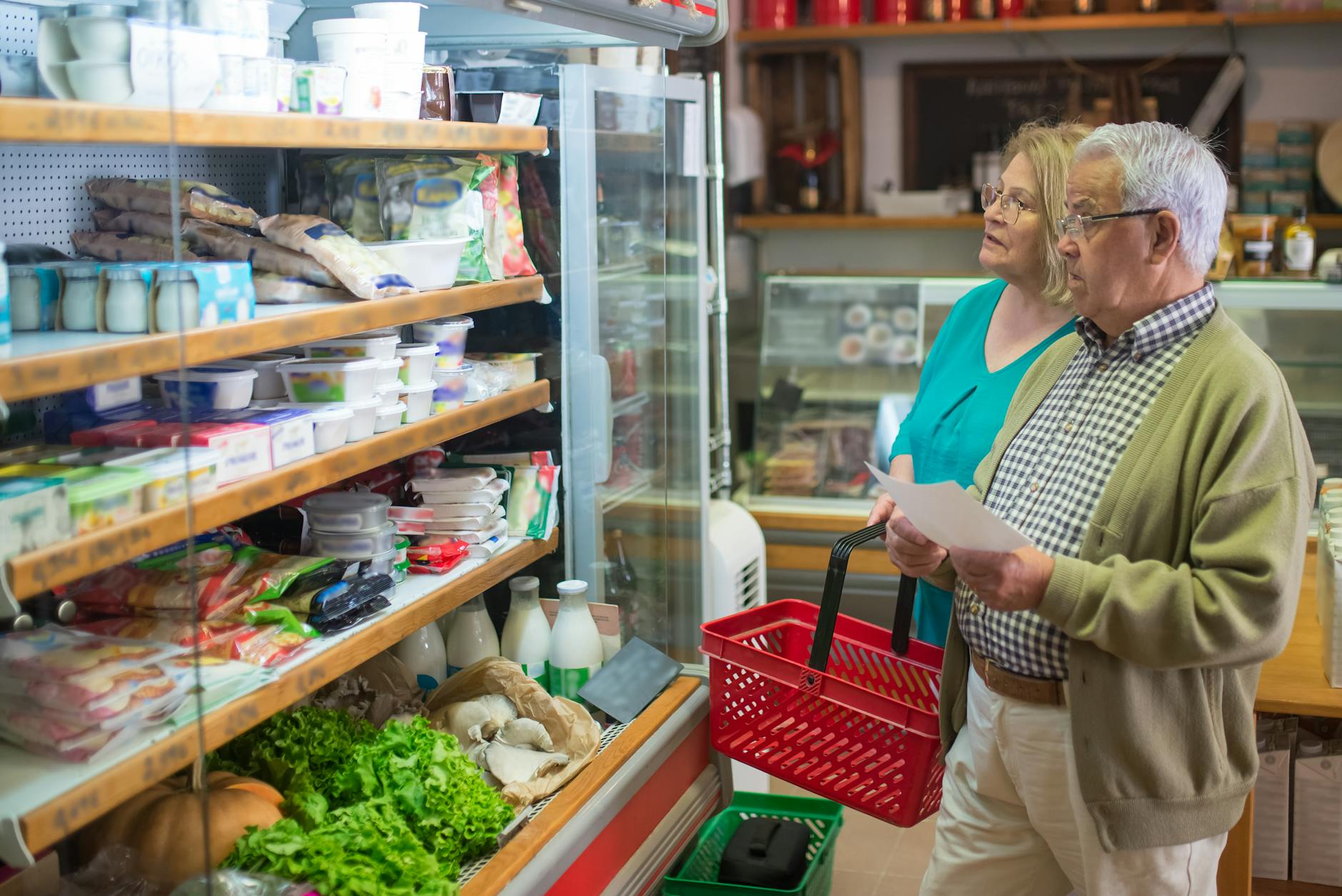

Dollar Tree remains one of the most reliable places to save on a handful of everyday grocery staples, particularly shelf-stable basics like spices, condiments, baking supplies, pasta, canned vegetables, snack crackers, tea bags, cooking oils, hot sauce, bread crumbs, bouillon cubes, and certain candy or chocolate bars. While the chain’s base price point has shifted over the years — most items now ring up at $1.25 rather than the original dollar — these categories have historically and consistently undercut what you would pay at a traditional supermarket, sometimes by 40 to 60 percent on a per-unit basis. For example, a jar of generic garlic powder at a conventional grocery store might run three to four dollars, whereas Dollar Tree typically stocks a comparable size for its flat price.
This article breaks down the twelve grocery categories where Dollar Tree tends to offer the strongest savings, explains why those particular items stay cheap, and flags the situations where the deal is not actually a deal. Not everything on Dollar Tree’s shelves is a bargain — some items come in smaller package sizes that make the per-ounce cost roughly equal to or even worse than a sale price at Aldi or Walmart. Knowing which categories genuinely save you money and which ones just look cheap is the difference between smart frugal shopping and false economy.
Table of Contents
- Which Grocery Items Are Consistently Cheaper at Dollar Tree Than at Regular Stores?
- Why Dollar Tree Prices Stay Low on These Specific Items
- The Per-Ounce Trap and How to Avoid It at Dollar Tree
- How to Build a Dollar Tree Grocery Strategy That Actually Saves Money
- When Dollar Tree Groceries Are Not Worth It
- Dollar Tree Versus Aldi and Walmart for Budget Groceries
- Will Dollar Tree Groceries Stay Cheap Going Forward?
- Conclusion
- Frequently Asked Questions
Which Grocery Items Are Consistently Cheaper at Dollar Tree Than at Regular Stores?
The items that tend to deliver the most reliable savings at Dollar Tree share a few characteristics: they are shelf-stable, they come from smaller or store-brand manufacturers, and they are products where brand loyalty matters less to most shoppers. Spices and seasonings sit at the top of that list. A small container of cumin, paprika, chili powder, or Italian seasoning at Dollar Tree costs a fraction of what McCormick or even store-brand equivalents run at a supermarket. The quantities are smaller, but for a household that uses a spice occasionally rather than daily, the per-use value is hard to beat. Condiments like mustard, soy sauce, and hot sauce follow the same pattern — functional products where the generic version performs nearly identically to the name brand. Dry pasta, canned vegetables, and bouillon cubes are three more categories where Dollar Tree’s pricing structure works in the shopper’s favor. A box of spaghetti or penne is a box of spaghetti or penne, and at Dollar Tree the cost has historically been well below the shelf price at chains like Kroger or Safeway, even before factoring in coupons.
Canned green beans, corn, and diced tomatoes likewise tend to cost less, though you should always glance at the net weight on the can — some Dollar Tree cans are 14.5 ounces where a standard grocery can might be 15 or 15.25 ounces. That slight difference rarely erases the savings, but it is worth knowing. Bouillon cubes, both chicken and beef, are another quiet win: a box that costs two or three dollars elsewhere is available at the flat price point. Baking staples round out the core list. Baking soda, small bags of flour or sugar, vanilla extract (imitation, not pure), and bread crumbs tend to be priced lower at Dollar Tree than at a full-service grocery store. Snack crackers, tea bags — especially generic black or green tea — cooking oil in small bottles, and individually packaged candy bars also frequently come in under what you would pay elsewhere. The common thread is that these are all low-margin, commodity-style products where Dollar Tree’s simplified distribution model lets it shave off cost that traditional grocers cannot.
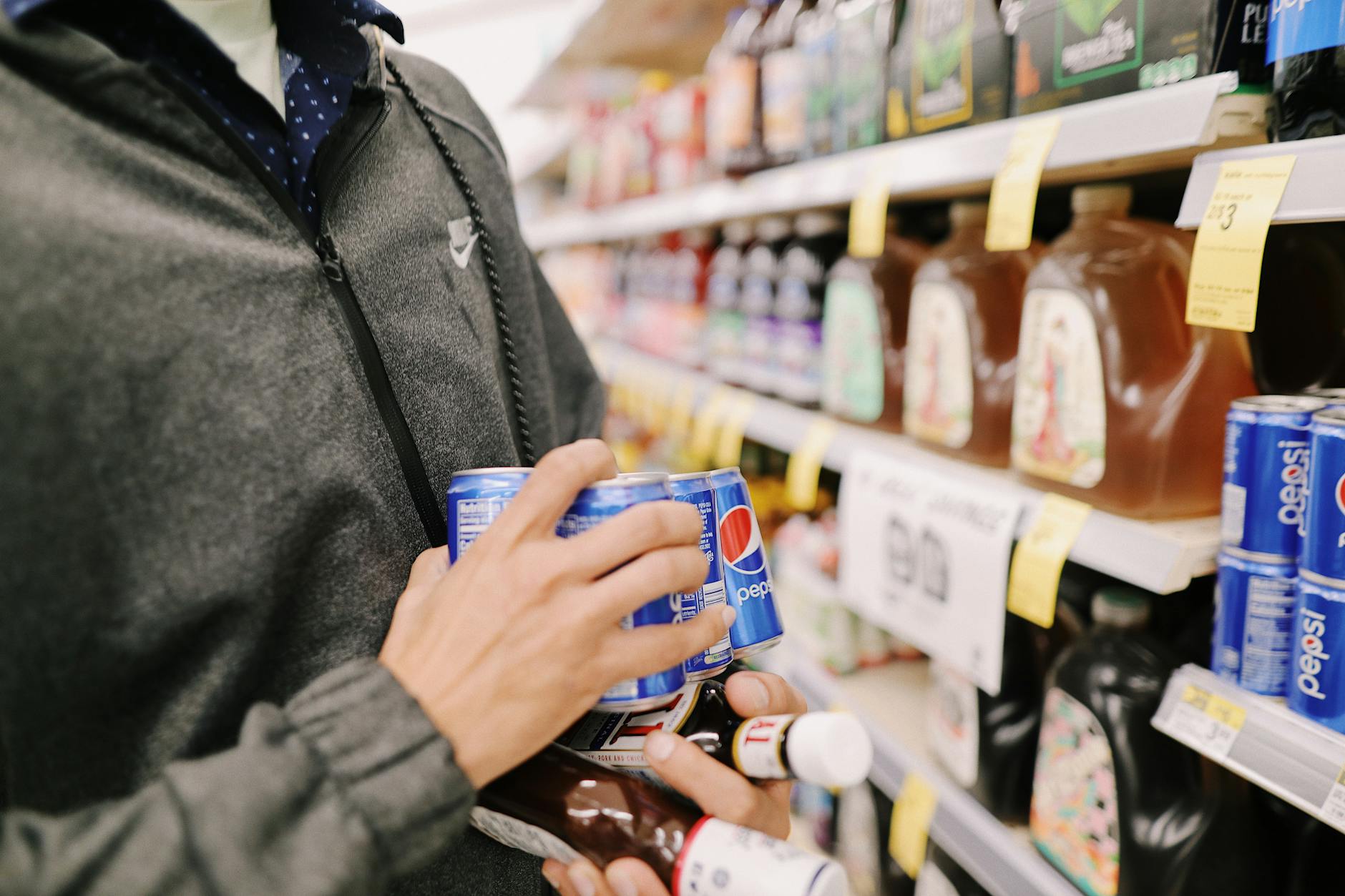
Why Dollar Tree Prices Stay Low on These Specific Items
Dollar Tree’s business model is built on high volume, low overhead, and a narrow product assortment. Unlike a supermarket that might carry eight brands of mustard in four sizes each, Dollar Tree stocks one or two options in a single size. That simplicity reduces warehousing complexity, shelf management labor, and supplier negotiation friction. The result is a lower landed cost on basic goods, and the store passes most of that through to the consumer because its margins come from volume, not markup. However, this model has a significant limitation that shoppers should understand. If you are buying for a larger household or need bulk quantities, Dollar Tree’s per-unit advantage can evaporate.
A 16-ounce bottle of cooking oil at Dollar Tree might cost $1.25, but a 48-ounce bottle at walmart could cost $3.50, which works out to less per ounce. The same applies to pasta, canned goods, and nearly every other item on this list. Dollar Tree wins on small-quantity, immediate-need purchases. If you have the storage space and the upfront cash to buy larger sizes at a warehouse club or a big-box retailer on sale, you will sometimes beat Dollar Tree’s unit price. The key word is “sometimes” — on spices and seasonings in particular, Dollar Tree tends to win even on a per-ounce basis because the markup on spices at conventional stores is notoriously steep.
The Per-Ounce Trap and How to Avoid It at Dollar Tree
One of the most common mistakes frugal shoppers make at Dollar Tree is assuming that every item is a deal simply because it costs $1.25. The store has gradually introduced items at higher price points — $3 and $5 tiers — and even within the traditional price tier, package sizes can vary enough to undermine the apparent savings. A box of cereal at Dollar Tree, for instance, might contain six or eight ounces, while a standard grocery box is 12 to 18 ounces. Per ounce, the Dollar Tree cereal can actually cost more, especially if the grocery store version is on a buy-one-get-one promotion. The practical defense against this is a simple one: use your phone.
Most frugal shopping veterans keep a short list of per-unit prices for the staples they buy regularly. If you know that pasta at your regular store costs roughly eight cents an ounce on sale, you can quickly check whether the Dollar Tree box — typically 12 to 16 ounces for $1.25 — beats that. For the twelve categories listed in this article, it usually does. For other grocery items at Dollar Tree, particularly snack foods, cereals, and frozen items, the math is less reliable. A frozen meal at Dollar Tree might look cheap at $1.25, but a Banquet or Michelina’s dinner at Walmart for $1.50 could be 30 percent larger. Always check.

How to Build a Dollar Tree Grocery Strategy That Actually Saves Money
The most effective approach is to treat Dollar Tree as a supplement to your main grocery store, not a replacement. Buy your spices, condiments, baking basics, pasta, canned vegetables, hot sauce, tea, bouillon, bread crumbs, snack crackers, and small-bottle cooking oil there. Then get your produce, dairy, meat, and bulk dry goods from a store better suited to those categories — Aldi, Walmart, a local discount grocer, or a warehouse club if you have a membership. The tradeoff with this approach is time and logistics. Running to two stores takes more gas and more minutes out of your day, and for some people the convenience cost outweighs the dollar savings. One practical workaround is to batch your Dollar Tree trips.
Rather than going weekly, visit once a month and stock up on the shelf-stable items that you know are cheaper there. Spices last months or years. Canned goods have a shelf life measured in years. Pasta does not expire in any meaningful timeframe. By concentrating your Dollar Tree purchases into a single monthly trip, you capture the savings without the friction of constant store-hopping. Compare this to the approach of shopping exclusively at one supermarket for convenience — you might save 20 minutes a month but leave five to fifteen dollars on the table depending on your household’s consumption patterns.
When Dollar Tree Groceries Are Not Worth It
There are categories where Dollar Tree’s grocery offerings are genuinely poor value or poor quality, and experienced frugal shoppers learn to skip them. Refrigerated and frozen items tend to be the weakest area. The selection is limited, the package sizes are small, and the per-unit costs often match or exceed what you would pay at a conventional store. Dairy products like cheese and butter, when available at Dollar Tree at all, tend to come in portions so small that the per-ounce cost is uncompetitive. Fresh or near-fresh bread is another category to approach with caution.
Dollar Tree does carry bread, but it is often close to or past its best-by date, and the brands tend to be unfamiliar. If your household goes through a loaf in two or three days, this is fine. If bread sits on your counter for a week, you may end up throwing half of it away, which destroys the savings entirely. Similarly, any name-brand product at Dollar Tree deserves scrutiny — sometimes manufacturers create special smaller-size packages specifically for dollar stores, and the per-unit cost is higher than the regular size at a supermarket. This is particularly common with brand-name chips, cookies, and cleaning products that show up in Dollar Tree’s grocery aisles.

Dollar Tree Versus Aldi and Walmart for Budget Groceries
Aldi is Dollar Tree’s most direct competitor for budget-conscious grocery shoppers, and the honest comparison is that Aldi generally wins on produce, dairy, meat, and frozen foods, while Dollar Tree wins on the shelf-stable staples listed in this article. Walmart falls somewhere in between, with the advantage of selection and the disadvantage of a store environment designed to encourage impulse spending.
A shopper who splits their list between Dollar Tree for dry goods and Aldi for everything else will typically outperform someone who shops exclusively at any single store. The exception is if you have access to an ethnic grocery store — many Asian, Latin American, and Middle Eastern markets beat both Dollar Tree and Aldi on spices, rice, beans, oils, and condiments, often by a wide margin and in larger quantities.
Will Dollar Tree Groceries Stay Cheap Going Forward?
Dollar Tree’s price point has already shifted once in recent memory, moving from $1.00 to $1.25 per item for most products, and the company has introduced higher price tiers as well. Inflation, supply chain costs, and the company’s own profitability pressures all push in the direction of further price increases or continued package downsizing.
As of recent reports, the chain remains committed to its value positioning, but shoppers should not assume that today’s prices will hold indefinitely. The best practice is to periodically re-check your assumptions. If Dollar Tree raises prices or shrinks packages enough, some of these twelve categories may no longer qualify as genuine bargains — and the frugal shopper’s job is to follow the math, not the brand loyalty.
Conclusion
Dollar Tree’s strongest grocery value lies in a specific set of shelf-stable, commodity products: spices, condiments, pasta, canned vegetables, baking supplies, hot sauce, tea bags, cooking oil, snack crackers, bread crumbs, bouillon, and select candy or chocolate items. These twelve categories have historically and consistently cost less at Dollar Tree than at conventional supermarkets, and they represent the most efficient use of a Dollar Tree grocery trip. The savings are real, but they are concentrated — wander outside these categories and you may end up paying more per ounce than you would at Walmart or Aldi.
The smartest approach is to treat Dollar Tree as one tool in a broader budget grocery strategy. Stock up on the items where the math clearly works, skip the categories where it does not, and always verify per-unit pricing rather than relying on the sticker price alone. Frugal grocery shopping is not about shopping at the cheapest store — it is about buying each item at its cheapest source. Dollar Tree earns a permanent spot in that rotation for the right dozen categories.
Frequently Asked Questions
Does Dollar Tree sell name-brand grocery items?
Yes, but with an important caveat. Many name-brand products at Dollar Tree come in smaller, dollar-store-specific package sizes. The brand name is the same, but the quantity is reduced, so the per-unit cost may not be lower than buying the standard size at a regular grocery store. Always compare ounces, not just sticker prices.
Are Dollar Tree spices the same quality as supermarket spices?
For most common spices like garlic powder, chili powder, paprika, and Italian seasoning, the quality difference between Dollar Tree brands and mid-range supermarket brands is minimal. They come from similar supply chains and meet the same FDA standards. However, specialty or whole spices — saffron, whole vanilla beans, or high-end peppercorns — are not the kind of products you will find at Dollar Tree, and that is not what the store is designed for.
Is it worth driving to Dollar Tree just for groceries?
That depends on your proximity and how much you plan to buy. If Dollar Tree is out of your way, a special trip for three or four items probably costs more in gas and time than you save. The most efficient approach is to combine a Dollar Tree stop with another errand nearby, or to do a larger monthly stock-up run that justifies the trip.
Has Dollar Tree’s price increase from $1.00 to $1.25 eliminated the savings?
Not for the categories listed in this article. A 25 percent price increase sounds steep, but grocery inflation at conventional stores has also been significant in recent years. The gap has narrowed on some items, but spices, condiments, and dry staples at Dollar Tree still tend to cost meaningfully less than their supermarket equivalents. This could change with future price adjustments, so it is worth revisiting periodically.
Are Dollar Tree canned goods safe to eat?
Dollar Tree canned goods meet the same federal food safety standards as products sold at any other retailer. The brands may be less familiar, but unfamiliar does not mean unsafe. Check cans for dents, bulging, or rust as you would anywhere, and observe the printed best-by dates.