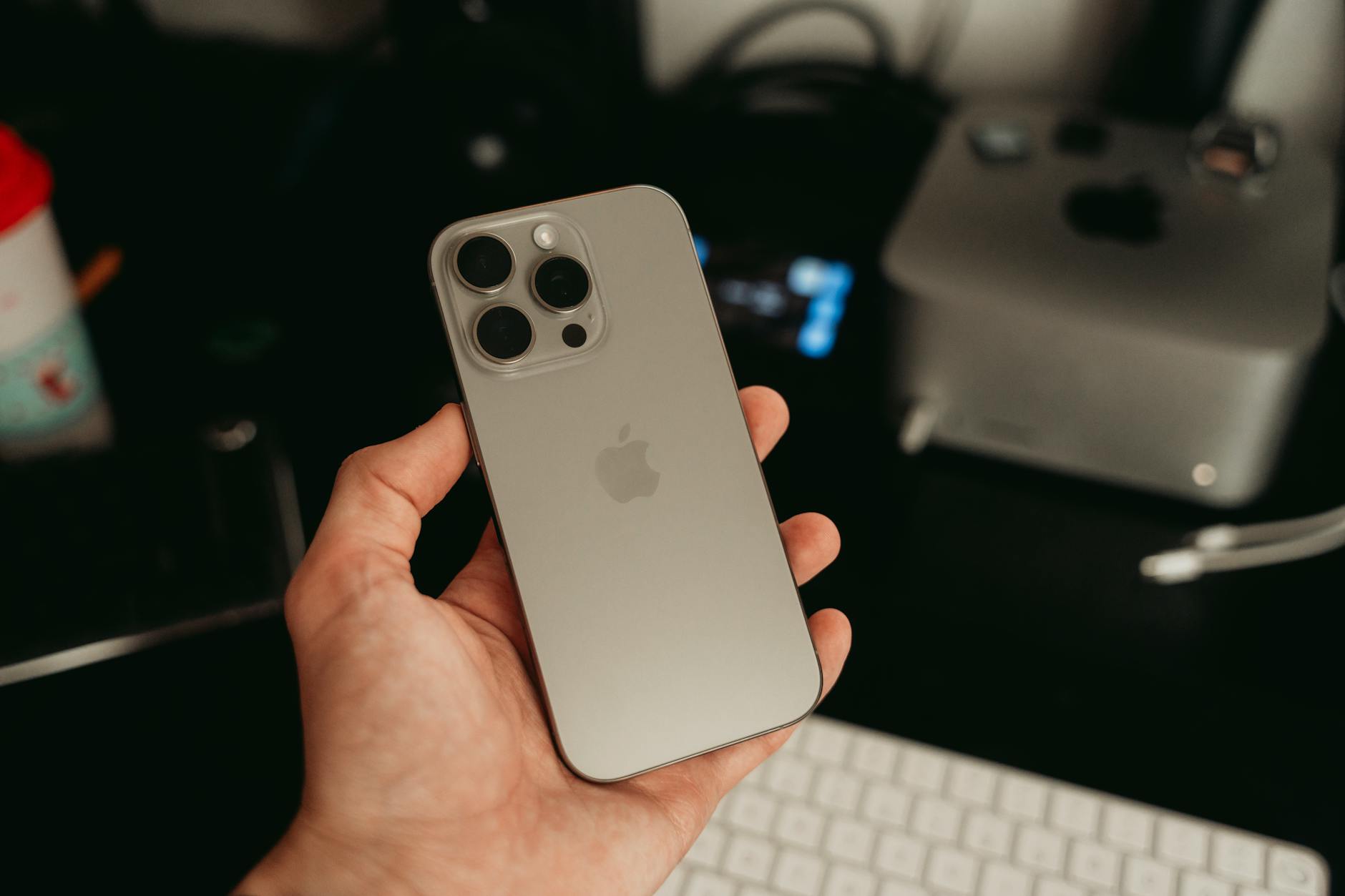

You can get a new iPhone for free through carrier promotions and trade-in programs, but there’s an important caveat: most deals require you to have an eligible trade-in device and commit to a multi-year phone plan. As of May 2026, T-Mobile offers the iPhone 17 Pro completely free with any trade-in (regardless of condition) when you have an eligible unlimited data plan. AT&T will also give you the iPhone 17 Pro at no cost with a qualifying trade-in and their $75.99+ unlimited plan.
The actual dollar value of these “free” offers can reach $1,100 in total subsidies across carriers, but understanding how to navigate these deals without overpaying on your monthly service is essential for any budget-conscious consumer. The path to a free iPhone isn’t a single solution—it’s a combination of three separate strategies: Apple’s direct trade-in program, carrier subsidies, and promotional timing. Each approach has different benefits and limitations that affect your total cost of ownership.
Table of Contents
- What Does “Free iPhone” Actually Mean in 2026?
- Breaking Down the Current Carrier Offers (And Their Hidden Costs)
- Using Apple’s Direct Trade-In Program as Your Baseline
- Comparing Carrier Subsidies vs. Apple Trade-In vs. Actual Free Phones
- The Financing Trap Hidden in “Free” Promotions
- Maximizing Your Trade-In Value Before It Drops Further
- Looking Ahead—Will Free iPhone Deals Continue?
- Conclusion
What Does “Free iPhone” Actually Mean in 2026?
When carriers advertise free iphones, they’re using the word “free” in the same way retailers advertise “free” shipping by building the cost into your price. The true cost of a “free” iPhone is hidden in your monthly service bill. T-Mobile’s free iPhone 17 Pro deal requires you to maintain an eligible unlimited plan—typically their most expensive option—for the duration of your contract. AT&T’s free iPhone 17 Pro costs you nothing upfront, but only if you’re willing to commit to their premium unlimited plan at $75.99 or higher per month.
If you would have purchased a cheaper plan otherwise, the real cost of that “free” phone is spread across 24 or 36 months of additional service charges. The pricing has shifted recently. In March 2026, Apple reduced its direct trade-in values across the board—Pro and Pro Max models lost $20 in trade-in credit, while standard models lost $10. This change makes carrier deals more attractive relative to Apple’s program, since carriers are now offering better-relative values for upgrading. Currently, Apple’s trade-in program maxes out at $550 in credit toward any Apple product, which is substantially less than what some carriers are offering through their promotional windows.
Breaking Down the Current Carrier Offers (And Their Hidden Costs)
T-Mobile currently offers the most aggressive “free phone” deals. The iPhone 17 Pro is completely free with any trade-in and an eligible unlimited plan. The iPhone 17e, iPhone 17, and iPhone Air are free with select unlimited data plans. The critical limitation here is that these deals lock you into their service for a specific contract period, and switching carriers before that period ends typically means losing the subsidy or facing early termination fees. AT&T’s approach is slightly different and reveals how carriers distribute their subsidies. They’re offering the iPhone 17 Pro free with an eligible trade-in and their $75.99+ unlimited plan.
But they’re also offering the iPhone 17e at just $5.99 per month over 36 months—a total of about $216—if you switch to them from another carrier. AT&T is also bundling up to $800 in switching incentives per line, which can apply to multiple devices if you’re migrating a family plan. The warning: these switching credits take time to process and can require specific account setup or promotional codes to apply. Verizon’s strategy emphasizes gift cards and trade-in rebates over straight-up phone subsidies. They’re offering $100 eGift cards with a standard iPhone 17 purchase and $270 eGift cards with iPhone 17 Pro or Pro Max purchases. Through their Best Buy partnership, Verizon customers can access up to $1,100 in trade-in value—the highest ceiling available from any carrier-retailer combination. However, these maximum trade-in values typically require trading in newer flagships or multiple devices and committing to their most expensive plan tiers.
Using Apple’s Direct Trade-In Program as Your Baseline
Apple’s trade-in program operates independently from carrier promotions, and it’s worth understanding as your baseline comparison point. You select your device, answer condition questions online, receive an instant estimate, and can apply the credit toward a new iPhone purchase as instant in-store credit or an Apple Gift Card. The process takes minutes and is transparent—you see your exact credit before committing. The maximum credit you can receive from Apple is $550, which would apply toward a new iPhone.
However, Apple’s recent devaluation means older phones are worth less than they were three months ago. For example, if you were trading in an iPhone 15 Pro Max, you’d receive $20 less today than you would have in early March. This creates a timing consideration: if you have a phone you plan to trade in, the market value of your device decreases over time due to aging and Apple’s periodic value reductions. The practical advantage of Apple’s program is that it’s available worldwide through their website or retail stores, and the credit applies instantly, unlike carrier credits that sometimes take weeks or months to process.

Comparing Carrier Subsidies vs. Apple Trade-In vs. Actual Free Phones
The numbers tell a clearer story when you compare these side-by-side. A customer with an iPhone 14 Pro to trade in would get approximately $320 through Apple’s program, then pay the remaining $579 (iPhone 17 price) out of pocket. The same customer could walk into a T-Mobile store with that iPhone 14 Pro, get the iPhone 17 Pro (normally $1,099) completely free, but be locked into a 24 or 36-month commitment at their highest plan tier, which might be $85+ per month. The tradeoff is this: Apple’s $550 maximum is true, permanent value. You own the phone outright and can use any service provider.
Carrier subsidies can reach $1,100+ in theoretical value, but they’re conditional on contract length and plan tier. If you calculate the cost across 24 months, paying AT&T $75.99 per month (vs. a hypothetical $50 plan elsewhere) is an additional $624 over that period. Your “free” phone cost you $624 in overpaid service charges—which is actually less than Apple’s trade-in option would save you, making the carrier deal the better financial choice if those were your actual plan options. The highest value situations occur when you qualify for switch bonuses. AT&T’s $800 switch incentive plus a free iPhone 17 Pro can exceed $1,800 in total value if you’re coming from an expensive plan at another carrier and AT&T’s pricing aligns with what you’d spend anyway.
The Financing Trap Hidden in “Free” Promotions
The phrase “free with trade-in” contains an assumption that not every consumer meets: you must have a qualifying device to trade in. If your current phone is too old, severely damaged, or doesn’t hold enough value, many carrier deals require a minimum trade-in value or won’t apply at all. T-Mobile’s exception—accepting any trade-in regardless of condition—makes them unique, but they still require membership in an eligible unlimited plan. If you’re currently on a cheaper plan or prepaid service, stepping up to their unlimited tier might actually increase your total cost. Credits also take time. Carrier trade-in credits often arrive as bill credits over 24 or 36 months, not as upfront cash.
This matters if you’re planning to switch carriers before the credit fully processes—you could lose the remaining balance. WhistleOut’s research shows that most “free phone” credits take years to fully redeem, meaning you’re locked in for the credit to have value. If you switch carriers after 12 months of a 24-month promotion, you’ll lose the remaining balance. The contract lock-in also penalizes you for life changes. If you lose your job, need to reduce expenses, or find a better deal elsewhere, breaking a carrier contract can cost $200-$400 in early termination fees—fees that could have purchased a used iPhone outright. This hidden cost makes “free” phones more expensive than they appear for people with uncertain financial futures.

Maximizing Your Trade-In Value Before It Drops Further
If you’re planning to upgrade, timing matters now. Apple devalued its trade-in amounts in March 2026, and historically the company adjusts these values every few months as new models depreciate. Your current phone is worth more today than it will be in three months.
If you have a 2-3 year old flagship you’ve been considering trading in, the financial argument for doing so now is stronger than waiting. Clean your device before trading it in—not because it will change your valuation category (most carriers assess condition based on function, not aesthetics), but because presenting a well-maintained device may prevent the assessor from downgrading your device’s condition during evaluation. Take photos of your phone’s screen and back before packaging it for trade-in; if the carrier’s assessment disagrees with your condition claim, you have documentation.
Looking Ahead—Will Free iPhone Deals Continue?
Carrier competition for iPhone sales remains intense, and as long as Apple maintains premium pricing ($799 for the base model, $1,099 for Pro), carriers will use subsidies to remain competitive. The current promotional environment (May 2026) is strong for consumers, with aggressive free-phone offers and switching bonuses. However, these deals typically spike during new product launch windows (September for new iPhones) and cool during off-season months.
The long-term trend suggests carriers will continue competing on device subsidies rather than lowering plan prices, which means “free phone” deals will remain a standard part of carrier strategies. However, as Apple’s devices mature and depreciate, expect to see the maximum available subsidies shift—older flagship trades might not hold their value long enough to offset newer carrier promotions. The sweet spot for upgrading appears to be within 6-9 months after a new iPhone generation launches, when carriers are actively promoting current models while older trade-ins still hold reasonable value.
Conclusion
Getting a truly free iPhone is possible in May 2026, but it requires meeting specific conditions: you must have a phone to trade in (regardless of condition if you choose T-Mobile), commit to a carrier contract, and accept a higher monthly service bill. The best deal available depends on your current plan costs, device inventory, and willingness to switch carriers. T-Mobile’s iPhone 17 Pro offer is the most straightforward path to a genuinely free device, while AT&T’s switching incentives and Verizon’s Best Buy partnership offer maximum value for people migrating from other carriers.
Before committing to any free-phone deal, calculate your true cost: the upfront price plus the difference between your current plan and the required plan, multiplied by the contract length. Compare that total to buying the phone outright or using Apple’s trade-in program with your current carrier. The “free” phone that saves you money is the one where that calculation favors the subsidized option—and that answer is different for every consumer based on their current situation.