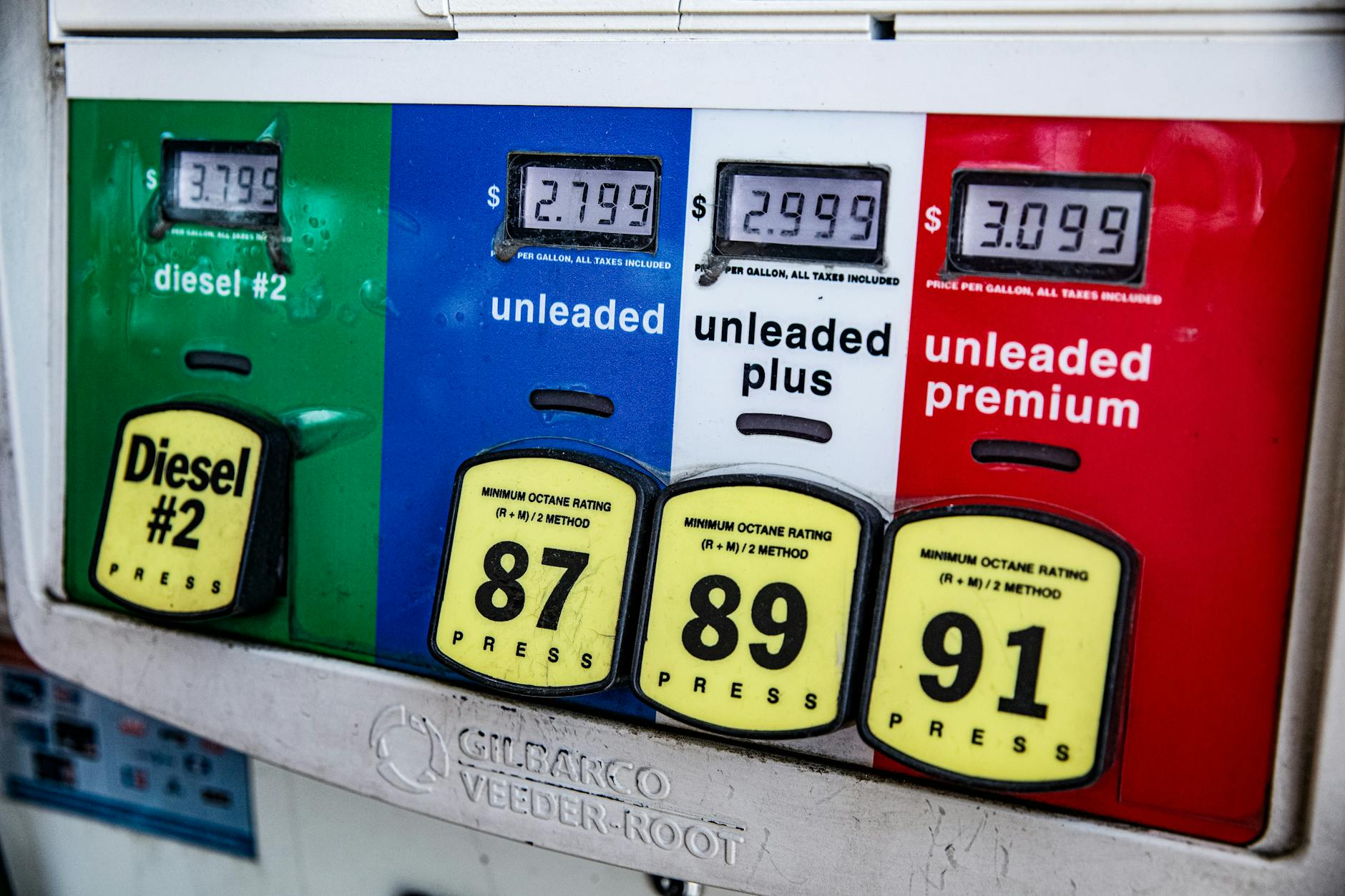

Gas apps can save you $400 or more annually by helping you find the cheapest fuel near you and unlocking cash-back deals. Consider a driver who fills up 12 gallons weekly at an average of $3 per gallon, spending about $1,872 per year on gas. By using apps like Upside to earn 35 cents per gallon and stacking discounts with a cashback credit card, that same driver could cut their annual fuel spending to roughly $1,400—a genuine $400+ savings.
The math is straightforward: fuel prices vary significantly between nearby stations, and most drivers never check for these differences because they rely on habit and convenience. The most-used gas-finding app among North American drivers is GasBuddy, which covers over 150,000 gas stations and offers real-time price comparisons. Apps like Upside, Waze, and Checkout 51 round out the top options, each offering different reward structures and coverage. The real opportunity lies not just in finding cheaper stations, but in understanding how much each app can actually save you, and how combining them with other financial tools amplifies those savings.
Table of Contents
- How Much Can Gas Apps Actually Save You Per Gallon?
- The Top Gas Apps in 2025 and What Sets Them Apart
- Stacking Discounts: Combining Apps With Cashback Credit Cards
- Finding the Cheapest Stations Near You: A Practical Walkthrough
- Common Mistakes and Hidden Limitations of Gas Apps
- Timing Your Fill-Ups: When Prices Are Actually Lowest
- The Future of Fuel Discounts and Gas Savings Apps
- Conclusion
How Much Can Gas Apps Actually Save You Per Gallon?
The savings vary significantly depending on which app you use and how aggressively you pursue deals. Upside offers the highest per-gallon savings at up to 35 cents directly at the pump, while GasBuddy promises up to 33 cents per gallon when you use their card and activate deal alerts. Checkout 51 delivers up to 25 cents per gallon, though the exact amount fluctuates week to week depending on which fuel brands are running promotions—Shell, Chevron, BP, Exxon, and Mobil rotate featured deals throughout the month. The difference might not sound dramatic on a single fill-up, but the cumulative effect is substantial. A tank of 15 gallons purchased through Upside saves you $5.25, or through GasBuddy saves you around $5.
Over a year of weekly fill-ups, that’s roughly $270 to $280 in direct per-gallon savings alone. Most users see $2 to $10 in savings per tank when combining app discounts with their regular fuel purchases. This range accounts for variation in baseline fuel prices, how often stations run promotions, and whether you’re willing to deviate from your usual fill-up location. The limitation here is that these per-gallon discounts only work at participating stations. GasBuddy’s 33-cent discount, for instance, requires both the GasBuddy card and participation from that specific gas station. If your nearest gas station doesn’t participate, you lose that specific benefit and fall back on GasBuddy’s price-comparison function, which helps you find cheaper competitors nearby.
The Top Gas Apps in 2025 and What Sets Them Apart
GasBuddy dominates the market with its 150,000+ station coverage and integration with navigation apps, making it ideal for drivers who want price information seamlessly integrated into their route planning. Waze, owned by Google, offers similar convenience—it shows gas prices as you navigate and lets you filter stations by brand and price. However, Waze doesn’t directly monetize fuel savings the way GasBuddy and Upside do, so its strength is in its navigation integration rather than aggressive discounting. Upside is the specialist, focused entirely on rewards and offering that 35-cent-per-gallon potential, making it the choice for users optimizing purely for cash back. Checkout 51 takes a different approach, offering weekly rotating promotions on specific fuel brands, which means your savings depend on which brand you choose to fill up at that week.
The warning here is that each app has different coverage gaps and reliability issues. Upside isn’t available in every state, and its earnings depend on having enough app users in your local area to justify the company’s economics. GasBuddy’s real-time prices are crowdsourced and user-reported, meaning they can occasionally lag behind actual current prices, especially in rural areas with lower traffic. Checkout 51 requires you to remember which brand is featured this week and plan your fill-ups accordingly, which adds a behavioral component to saving money. No single app is perfect everywhere; the best strategy for most drivers is to download two apps—typically GasBuddy for navigation integration and Upside or Checkout 51 for additional per-gallon rewards.
Stacking Discounts: Combining Apps With Cashback Credit Cards
The path to $400 annual savings becomes clear once you layer multiple discounts. Start with the base app savings: 30-35 cents per gallon, or roughly $50-$60 monthly. Add a cashback credit card that rewards gas purchases at 3% to 5% cash back. If you’re spending $150 monthly on fuel, a 4% cash back card earns you $6 per month, or $72 per year. Now add the $2-$10 per tank bonus from app promotions, averaging $25 monthly across a year’s fill-ups. The math is $50 (app per-gallon) + $6 (credit card) + $25 (app bonuses) = $81 per month, or roughly $972 annually.
Even accounting for variation and months when you drive less, this easily clears $400 per year for regular commuters. The limitation is that this strategy requires discipline and active engagement. You need to remember to fuel up at participating stations, monitor which app promotions are active, and ensure your credit card’s cash back terms actually apply to the specific station where you’re filling up. Some credit card issuers exclude warehouse clubs or grocery store fuel discounts, while others exclude certain branded fuel stations. You also need enough driving to make these small per-gallon savings meaningful. A driver who fills up twice per month will accumulate savings much slower than someone who fills up weekly. For this strategy to hit the $400 mark, you’re typically looking at a minimum 10,000-12,000 miles driven per year.
Finding the Cheapest Stations Near You: A Practical Walkthrough
The simplest approach is to open GasBuddy before you fill up, allow location access, and filter stations by lowest price within your preferred distance radius. The app updates prices in real time as you drive, and you can set alerts to notify you when prices drop below a threshold you specify—say, $2.99 per gallon in your area. For drivers in Upside-supported states, the Upside app does the same but immediately credits your account at the pump, so you know exactly what you’re earning. Waze provides a similar experience but as a secondary feature within navigation, meaning you can spot cheap stations while driving to work without opening a separate app.
In practice, saving money this way often means detouring slightly from your preferred station. If you typically fill up at a Shell station on your commute, but GasBuddy shows Chevron is 10 cents cheaper a mile away, it’s worth the detour—10 cents per gallon on a 15-gallon tank saves you $1.50, and a short drive adds negligible time. However, the warning is that chasing lowest prices everywhere wastes time. If the nearest cheap option is 15 minutes out of the way and only saves you $1, you’ve cost yourself more in time and wear-and-tear than the savings justify. Develop a radius rule: check apps only if the cheaper station is within 2-3 miles of your planned route.
Common Mistakes and Hidden Limitations of Gas Apps
The first mistake is overstating app earnings. Many users believe they’re saving 35 cents per gallon with Upside when they’re actually earning that only on specific brands or at specific times. Read the fine print. Upside has seasonal and geographic variations, and some promotions only apply to new users or require promotional code entry. GasBuddy’s headline savings of 33 cents requires using their specific branded card, which many people don’t carry, reducing savings to the per-gallon amounts from their standard rewards program. Another mistake is assuming all gas stations are up to date in the apps. Rural stations and independent fuel pumps often aren’t listed in GasBuddy, meaning you can’t compare their prices—and they’re sometimes the cheapest option.
The second limitation is that these apps don’t help you reduce your actual fuel consumption, they only reduce the per-gallon price you pay. A driver who improves tire inflation by 3%, as recommended by the U.S. Department of Energy, gains roughly 1 mile per gallon and ultimately saves more money than any app discount. An app saving you $400 per year on 624 gallons of fuel is meaningful, but reducing fuel consumption by 5% through better vehicle maintenance, tire pressure, and driving habits saves $93 annually—a multiplier effect if combined with app discounts. The third limitation is that prices fluctuate. In 2025, gas prices ranged from a peak of $3.26 per gallon on April 3 to a low of $2.76 per gallon on December 28. That’s a 50-cent variance that dwarfs app savings. This means app discounts matter most during high-price periods and are proportionally less valuable when fuel is cheap.
Timing Your Fill-Ups: When Prices Are Actually Lowest
Data from 2025 shows that Mondays had the lowest average gas prices of any day of the week. This isn’t coincidental—it reflects gas station pricing cycles where many stations make price adjustments over the weekend to stay competitive, and by Monday, a local price equilibrium has been established. If you have flexibility in when you fill up, scheduling Monday fill-ups can compound your app savings. Over a year of weekly fill-ups, filling up exclusively on Mondays instead of random days could save you 5-10 cents per gallon compared to, say, Friday or weekend fill-ups.
That’s $39-$78 annually on top of your app discounts. The practical limitation is that most drivers can’t choose when they fill up. If you commute Monday through Friday, you fill up whenever your tank reaches a quarter full. If your route takes you past a gas station on Friday, but the cheapest station according to GasBuddy is only available Monday, driving out of the way to save 8 cents per gallon becomes irrational. The insight is useful for planning: if you have predictable driving schedules, align your fill-ups with Mondays when possible, and if you don’t, don’t stress about the day-of-week optimization.
The Future of Fuel Discounts and Gas Savings Apps
As electric vehicle adoption accelerates, the gas app landscape may consolidate. GasBuddy has already diversified into electric vehicle charging networks, and Waze continues integrating new features. The next frontier for gas-app profitability likely involves selling anonymized data about fuel price trends to gas station chains and oil companies, not just funding discounts through payment networks. This could eventually reduce the per-gallon savings offered if competition declines.
For now, the current ecosystem of four major apps (GasBuddy, Waze, Upside, and Checkout 51) remains competitive, which benefits consumers through generous rewards. For drivers who expect to own gasoline vehicles for the next 5-10 years, these apps represent a legitimate path to $400+ in annual savings. The economics only improve if you also optimize fuel consumption through vehicle maintenance and driving behavior. The combined effect—better tire pressure, strategic station selection, cashback stacking, and app rewards—can push fuel cost reductions well above 15% annually for engaged drivers.
Conclusion
Gas apps save most drivers $100 to $400 per year by combining price comparisons, per-gallon rewards, and promotional stacking. GasBuddy’s 150,000+ station coverage makes it the foundation for most drivers, while Upside and Checkout 51 add incremental per-gallon earnings. The full $400+ savings requires active engagement: setting app alerts, selecting stations strategically, using a cashback credit card, and timing fill-ups when possible. This isn’t passive income; it requires downloading apps, remembering to use them, and occasionally detouring a mile or two for savings.
Start by downloading GasBuddy and setting a price alert 10 cents below your local average. Spend one week observing how much prices vary near you, then add Upside if it’s available in your state. The second week, notice which days have the lowest prices and which brands run promotions. This small behavioral shift costs nothing and typically reveals $25-$50 in monthly savings you weren’t capturing before. For drivers on tight budgets who commute regularly, optimizing fuel costs is one of the highest-ROI financial habits you can build.