

Credit unions typically offer lower fees and higher interest rates than big banks, but the difference depends on your financial habits and location. If you carry overdraft balances, a credit union’s average overdraft fee of $26.61 versus a bank’s $31.24 might save you money—though Navy Federal, the largest credit union, charges $20 with a one-per-day cap, while Bank of America now caps overdrafts at $10 with just two per day. The real advantage emerges over time: credit union savings accounts earning 10-12% APY dramatically outpace the national average of 0.38% APY, and lower loan rates (5.44% for car loans at credit unions versus 7.41% at banks) mean thousands of dollars in savings over the life of a mortgage or auto loan.
The catch is that credit unions require membership, which often means working for a specific employer, belonging to a certain organization, or living in a particular geographic area. Big banks win on convenience—they have more branches, ATMs, and online features. But if you can access a credit union, the cost difference is substantial enough to justify the switch, particularly if you’re planning to borrow money or need higher returns on savings.
Table of Contents
- HOW OVERDRAFT FEES AND PENALTIES DRAIN YOUR ACCOUNT
- SAVINGS ACCOUNT RATES: THE SHOCKING DISPARITY BETWEEN CREDIT UNIONS AND BANKS
- CERTIFICATE OF DEPOSIT RATES: LOCKED-IN GROWTH ADVANTAGES
- AUTO LOANS AND BORROWING COSTS: WHERE BIG SAVINGS ADD UP
- ACCOUNT FEES, MINIMUM BALANCES, AND HIDDEN COSTS
- THE NOT-FOR-PROFIT STRUCTURE: WHY THIS MATTERS
- CHOOSING THE RIGHT INSTITUTION FOR YOUR FINANCIAL GOALS
- Conclusion
HOW OVERDRAFT FEES AND PENALTIES DRAIN YOUR ACCOUNT
Overdraft fees are one of the most painful costs of banking, and credit unions consistently charge less. Credit unions average $26.61 per overdraft compared to $31.24 at traditional banks—a 15% savings per incident. More importantly, credit unions offer higher overdraft protection limits: the average is $936 versus the national bank average of $842, giving you 25% more breathing room before fees kick in. The industry has seen some movement toward better practices. Bank of America reduced its overdraft fee to just $10 (a dramatic drop from the previous $35 standard) and limits overdraft fees to two per day, which is genuinely helpful if you make multiple small purchases while your balance is low.
Navy Federal, which serves military members and their families, charges $20 with a one-per-day cap. However, most regional and national banks still charge $30-35 per overdraft, sometimes multiple times daily. A single day of careless spending could cost you $60-105 in fees at a big bank, versus $26-40 at a credit union. The downside to credit union overdraft policies is inconsistency—each credit union sets its own fees, so you need to compare your specific institution’s policy. Some credit unions offer overdraft protection through linked savings accounts or lines of credit, which eliminates fees entirely if managed properly.

SAVINGS ACCOUNT RATES: THE SHOCKING DISPARITY BETWEEN CREDIT UNIONS AND BANKS
This is where credit unions genuinely stand apart. The national average savings rate is 0.38% APY according to FDIC benchmarks, which means $1,000 sitting in a traditional bank account earns just $3.80 per year. Meanwhile, top-tier credit unions are offering 10-12% APY on specialized savings products. Responders Emergency Services Credit Union offers 12.00% APY, Century Federal Credit Union’s Savings Jar product hits 10.47% APY, and Neighbors Federal, Radiant Credit Union, and Cyprus Federal all offer 10.00% APY. The difference is staggering: $1,000 at 10% APY earns $100 in one year, compared to $3.80 at a big bank. The limitation here is eligibility and account structure.
these high-rate credit union savings products often come with restrictions: limited monthly withdrawals, monthly deposit requirements of $25-50, or maximum balance caps of $500-$5,000. They’re designed to encourage emergency savings discipline, not serve as general savings accounts. You can’t put your entire life savings into a 12% APY account if the limit is $5,000. Additionally, you’ll need to qualify for membership at that specific credit union, which might require living in a certain county, working in a particular industry, or meeting other membership criteria. For traditional savings accounts without restrictions, credit unions still outperform banks, though not by the dramatic 10% margin. The gap is usually 2-4x higher at credit unions, making a meaningful difference over years of saving.
CERTIFICATE OF DEPOSIT RATES: LOCKED-IN GROWTH ADVANTAGES
Certificates of deposit (CDs) are where the credit union advantage becomes measurable without membership complications. One-year CDs average 3.26% at credit unions versus 2.41% at banks—a 35% better rate. For a five-year CD, credit unions average 2.83% while banks average 2.11%. That translates to real money: $10,000 in a five-year CD earns approximately $1,460 at a credit union versus $1,112 at a bank—a difference of $348 with zero additional risk. The mechanism behind this advantage is structural: credit unions are not-for-profit cooperatives that return earnings to members rather than shareholders.
When a credit union can lend money at lower rates or offer higher deposit rates, it does both, because improving members’ financial outcomes is the core mission. Banks, conversely, must balance member benefits against shareholder returns, which naturally constrains how much they can offer on deposits. The risk to understand is that CD rates fluctuate with the Federal Reserve’s interest rate decisions. These rates are from April 2026 and will shift as monetary policy changes. Always compare rates at multiple institutions before committing funds for a fixed term, since locking money away for five years at a rate that becomes uncompetitive would be a costly mistake.
AUTO LOANS AND BORROWING COSTS: WHERE BIG SAVINGS ADD UP
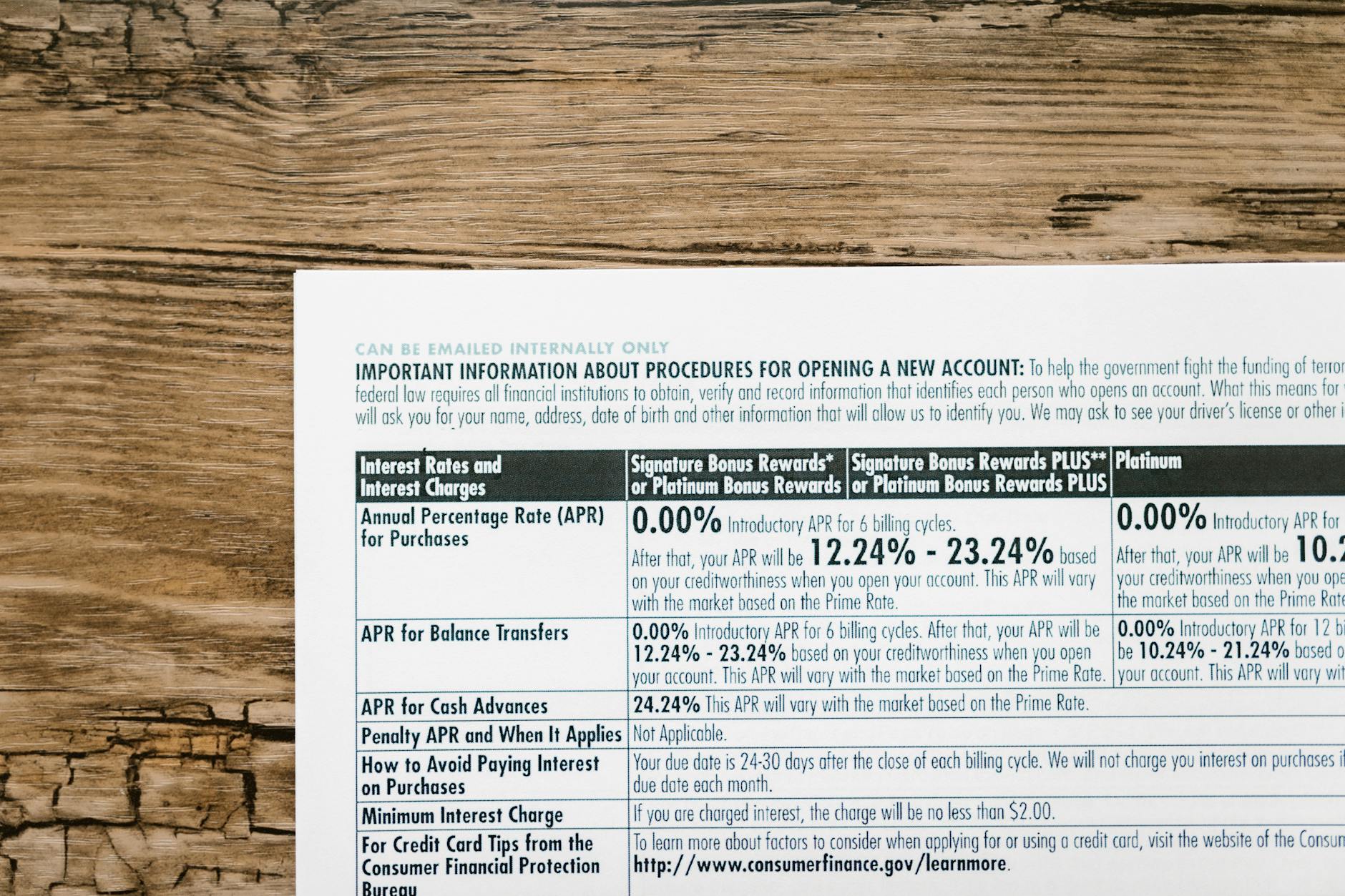
The cost of borrowing reveals the deepest advantage of credit union membership. New car loan rates average 5.44% at credit unions versus 7.41% at banks—a 1.97 percentage point difference that sounds small until you do the math. On a $30,000 car loan over 60 months, the difference is approximately $1,800 in total interest paid. On a $200,000 mortgage, that same rate differential could cost you tens of thousands of dollars over 30 years. This advantage extends across all loan types. Personal loans, home equity lines of credit, and refinancing all benefit from the credit union’s not-for-profit structure and member-focused pricing.
Many credit unions also offer more flexible underwriting, particularly if you have a less-than-perfect credit score or a short credit history. They’re more likely to consider your entire financial picture rather than relying on a credit score algorithm. The tradeoff is convenience. Big banks have streamlined online lending platforms and faster approval processes. Credit unions, particularly smaller ones, may require in-person applications or take longer to fund loans. If you need money urgently, a bank’s speed might outweigh the rate difference. But for planned borrowing—a car purchase you’ve had weeks to prepare for, a home mortgage you’re researching—the credit union rate advantage is worth the extra time investment.
ACCOUNT FEES, MINIMUM BALANCES, AND HIDDEN COSTS
Beyond overdrafts and interest rates, the fee structure matters significantly. Many premium bank accounts charge $25 per month (or more) for basic perks like higher interest rates, fee reversals, or travel benefits. PrimeWay Federal Credit Union, one of the largest credit unions in the nation, offers comparable benefits at no monthly fee. If you maintain a $2,500 minimum balance at a big bank to avoid a $10 monthly fee, you’re already ahead by switching to a credit union with no monthly maintenance fee. However, credit unions have their own limitations.
Fewer branches and ATM networks mean higher “out-of-network” fees if you travel frequently or live in an area where your credit union doesn’t have branches. While most credit unions participate in shared branch networks (which grants access to thousands of locations), not all banks do, and the experience varies. A credit union customer in rural Montana might have fewer nearby options than someone using a national bank with thousands of branches. Some credit unions also charge for services that big banks offer free: wire transfers, certified checks, or stopping payment on checks. Always review your specific credit union’s fee schedule, because the 15% savings on overdraft fees disappears if you’re paying $5 per wire transfer and regularly sending money elsewhere.

THE NOT-FOR-PROFIT STRUCTURE: WHY THIS MATTERS
Credit unions are not-for-profit cooperatives, which means they exist to serve members, not generate profit for shareholders. Every dollar earned through interest, fees, and investment activity goes back to members in the form of lower loan rates, higher deposit rates, and lower fees. Banks, by contrast, must balance member services against shareholder returns, which inherently limits how much they can give back.
This structural difference compounds over time. When a credit union earns $50 million annually, it might allocate $45 million back to members (lower rates, higher yields, better service) and keep $5 million for operations and reserves. A bank earning the same amount might allocate $25 million to shareholders and $25 million to members. Over a decade of membership, this difference becomes transformative—thousands of dollars in better rates alone.
CHOOSING THE RIGHT INSTITUTION FOR YOUR FINANCIAL GOALS
The right choice between credit unions and big banks depends on your specific circumstances. If you plan to borrow money within the next few years—for a car, home, or major purchase—a credit union membership almost always pays for itself through lower loan rates. If you’re focused on saving and want the highest possible returns on your cash, a credit union’s savings rates and CD offerings are difficult to match. But if you travel frequently, need extensive branch access, or require seamless digital banking features, a big bank or online bank might serve you better despite the cost disadvantage.
The good news is that you don’t have to choose only one. Many people maintain both a big bank account (for convenience and spending) and a credit union account (for borrowing and high-yield savings). This hybrid approach lets you capture credit union advantages where they’re most valuable while preserving the convenience of a larger bank for daily transactions. The effort required to open a credit union account typically takes less than an hour and could save you thousands of dollars over your lifetime.
Conclusion
Credit unions offer genuinely better economics than big banks in nearly every financial category: lower overdraft fees ($26.61 vs. $31.24), dramatically higher savings rates (10-12% vs. 0.38%), better CD rates, and lower loan rates.
The structural advantage—being not-for-profit and member-focused—means these aren’t marginal differences but substantial, compounding advantages that grow over years of membership. The real question isn’t whether credit unions are cheaper; they are. The question is whether you have access to one that matches your needs and whether the membership eligibility requirements and potentially smaller branch network fit your lifestyle. If you qualify for a credit union and plan to borrow money or maintain savings, membership is a financial decision that rarely has a downside.