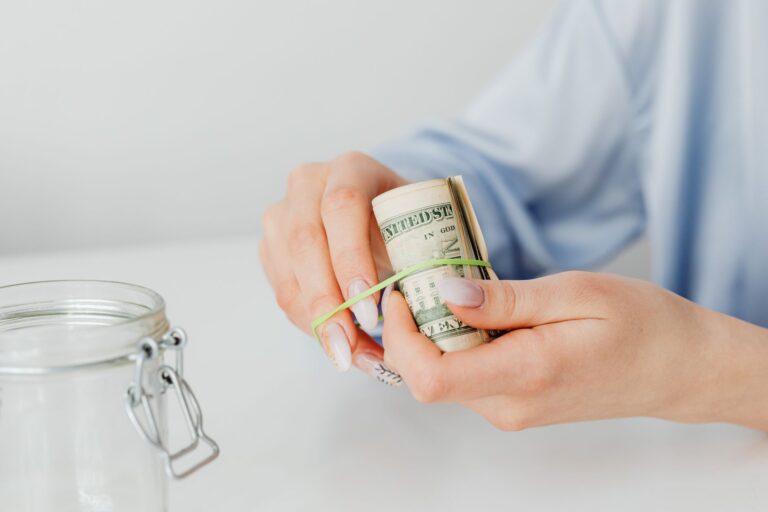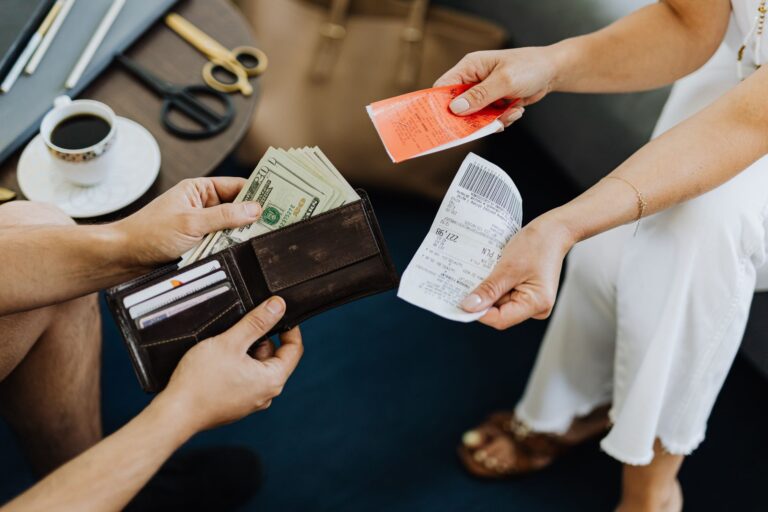

Saving money first is the better move for most families. Financing school supplies is rarely worth it. Financing here means putting pens, notebooks, and backpacks on a credit card or a buy-now-pay-later plan.
According to the National Retail Federation, families with K-12 students budgeted an average $858.07 in 2025. That total included $143.77 for school supplies, as detailed in its spending report. That squeeze helps explain why borrowing feels tempting.
Table of Contents
- Why does this bill feel so hard?
- Why does credit-card financing hurt?
- Is buy-now-pay-later safer?
- How can you save first without falling behind?
Why does this bill feel so hard?
Deloitte estimated a lower cost, $570 per K-12 child in 2025. It said spending stayed flat because parents focused on essentials and traded down brands. Even a smaller total can strain a tight budget.
An Intuit Credit Karma survey of 1,022 parents found 44% expected to take on credit-card debt for back-to-school shopping. It also found 54% planned to sacrifice necessities like groceries. The Federal Reserve found only 63% of adults would cover a $400 emergency with cash.
Why does credit-card financing hurt?
Carrying supplies on a credit card turns a short-lived purchase into longer debt. NerdWallet, citing Federal Reserve data, reports assessed-interest accounts averaged about 22.15%-22.36% APR in 2026, as shown in its rate update. Interest keeps adding while notebooks wear out and pencils disappear.
That timing mismatch is the core problem. Your child may finish the glue sticks before you finish paying for them. Saving first keeps a $100 supply list at $100.
Is buy-now-pay-later safer?
Buy-now-pay-later, which splits a purchase into several scheduled payments, looks gentler. The Consumer Financial Protection Bureau says many of these loans charge no interest, but most charge late fees if payments are missed, according to its fee guidance. You must check the terms for each lender.
Late payments are common. In the Federal Reserve's 2025 household survey, 26% of users paid late at least once and 11% had a payment trigger an overdraft fee, as summarized in this Federal Reserve reporting summary. One missed payday can erase the savings from a bargain backpack.
How can you save first without falling behind?
Start with the supply list, not the store sale. Pull last year's leftovers, cross off duplicates, and ask the teacher what can wait until September. Then set a weekly savings target and shop in two trips, essentials first.
Parking that money does not earn much. The FDIC reports the national average savings rate was only 0.38%. The real payoff is avoiding 22% borrowing costs, so move $10 this week into a labeled supply fund.
- Save a fixed amount each week in a separate envelope or account.
- Buy store-brand basics and trade down where quality does not matter.
- Delay electronics and extras until you can pay in full.