
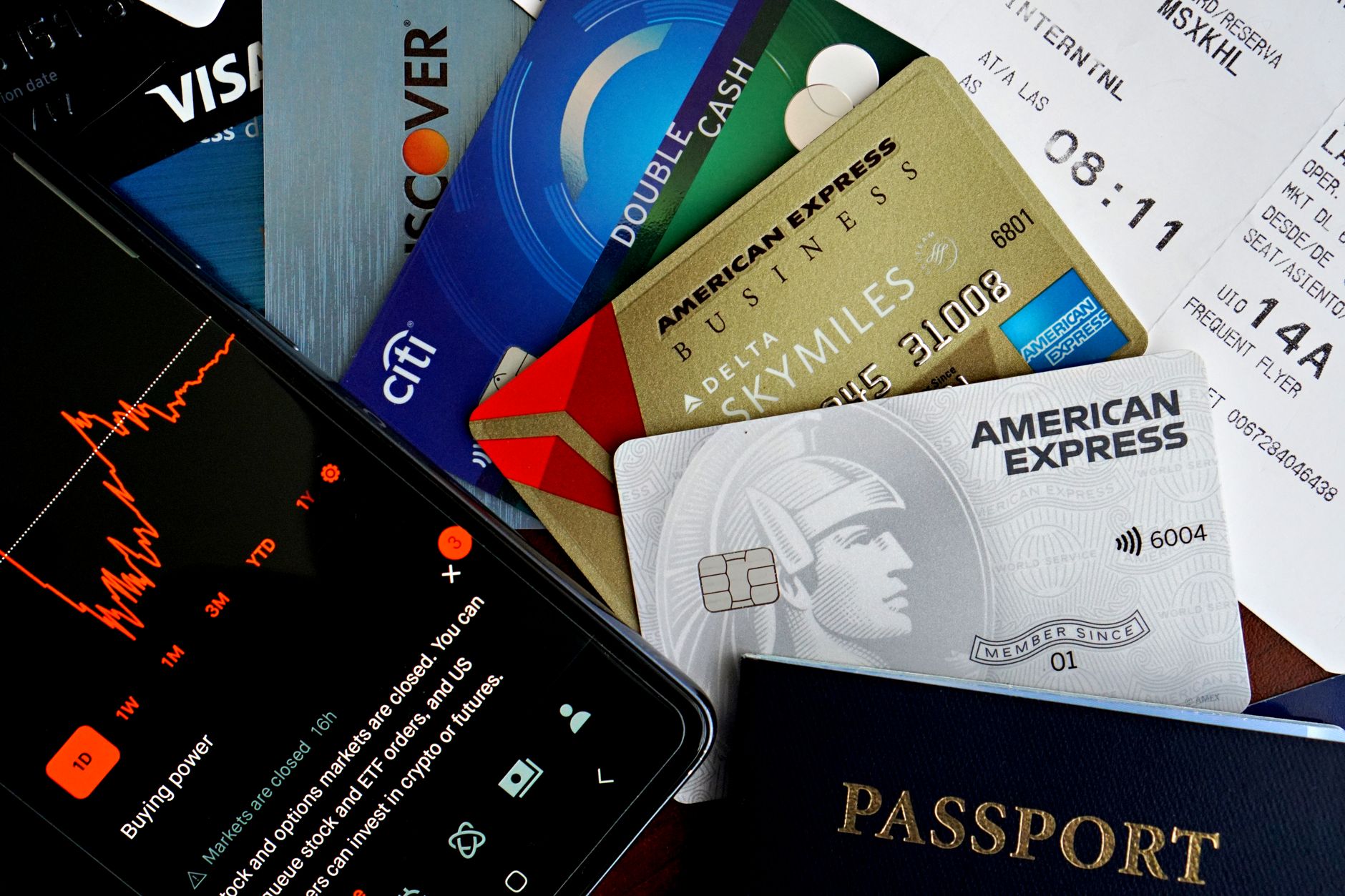

Three cards can cut college costs by turning routine spending into education savings. The Fidelity 529 card and Upromise card feed a 529, a state-maintained account for a beneficiary's qualified higher-education expenses at an eligible school.
The saving comes from depositing rewards, not from charging tuition. Tuition card fees often erase reward value. Families do best when they earn on daily purchases and move the cash into education accounts.
Table of Contents
- How does the 2% Fidelity 529 card work?
- What does the Upromise card add?
- Which student card builds cash back?
- Why avoid paying tuition with a card?
How does the 2% Fidelity 529 card work?
According to Fidelity Investments, the card pays unlimited 2% cash back when rewards are deposited into an eligible Fidelity account, including Fidelity-managed 529 accounts, as described in Fidelity college card details. It charges no annual fee and no foreign transaction fee.
Fidelity Investments says the card earns 2 points per dollar of eligible net purchases. Credits and returns do not earn rewards. The 2% value applies only when points are redeemed as a deposit into an eligible account.
What does the Upromise card add?
According to Barclays, the Upromise World Mastercard earns base rewards for college savers. It earns 1.529% cash-back rewards when the Upromise account is linked to an eligible College Savings Plan or Trump Account (530A).
According to Barclays, the card offers $200 bonus cash back after $1,000 in purchases in the first 90 days, as shown in Barclays Upromise bonus details. It has a $0 annual fee but charges 18.74%-29.74% variable APR on purchases. Carrying a balance quickly erases college savings.
Which student card builds cash back?
Discover offers the Discover it Student Cash Back card with no annual fee. According to Discover, it earns 5% cash back in rotating quarterly categories up to the quarterly maximum after activation and 1% on other purchases, as listed in Discover student card details.
Discover says new cardholders get all first-year cash back matched dollar-for-dollar. A student can use high-rate quarters for routine spending and direct the cash toward books or savings.
Why avoid paying tuition with a card?
The University of Utah Office of the Bursar charges a nonrefundable 3.00% service fee for credit and debit-card tuition and housing payments, explained in University Bursar fee FAQ. The Bursar says the fee starts July 1, 2026, while eCheck/ACH remains free.
The IRS describes a 529 qualified tuition program as a state-maintained account for education savings. Contributors save for a beneficiary's qualified higher-education expenses at an eligible school. Send the reward deposit to the 529 first, then pay tuition by eCheck.
- Earn rewards on daily spending and pay the statement in full.
- Move cash back into the 529 instead of charging tuition.
- Use free eCheck/ACH for tuition bills.