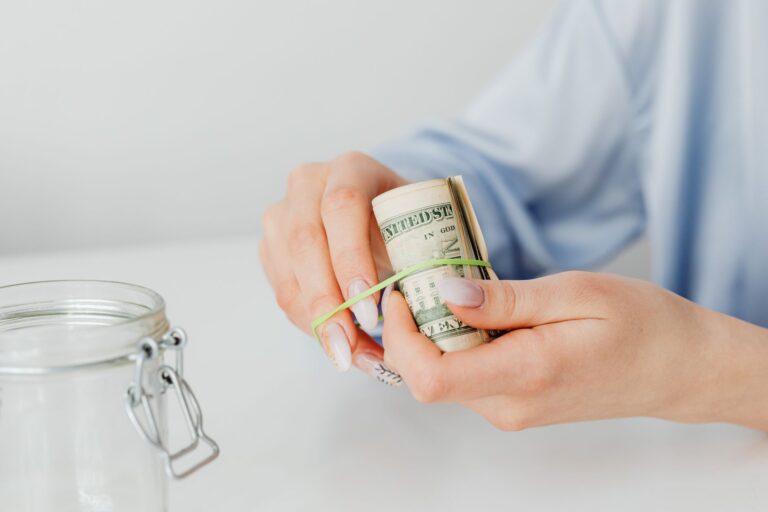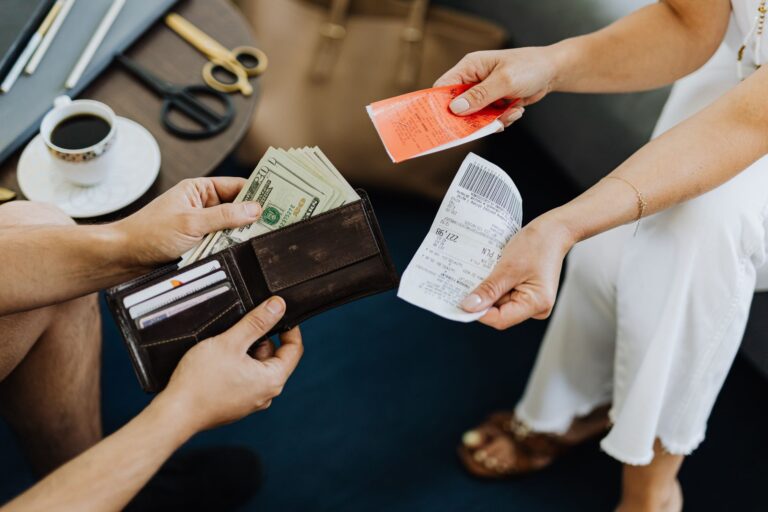


To save money on school shopping with a family budget, set a total spending cap, list what each child needs, and buy only to fill the gaps. Start early, reuse supplies and clothing, compare prices across stores, and time large purchases for tax-free days.
A family budget is a spending plan that assigns each dollar a job before you shop. K-12 families planned to spend an average of $863.86 per household in 2026, according to the National Retail Federation's July 2026 survey release. Electronics were the largest category at $293.11.
Table of Contents
- Set caps before you shop
- Shop your closets first
- Compare prices and bring kids along
- Time purchases for tax holidays
Set caps before you shop
Make a back-to-school budget and stick to it to avoid overspending. Start early so costs spread across paychecks and you can catch deals, a method recommended by a Kansas State family specialist in Extension back-to-school guidance.
Use the national benchmark to set per-child, per-category caps, then track spending. The National Retail Federation breakdown points to about these limits: Adjust the numbers down to fit your income and carry a running total on paper or in a phone note.
- clothing and accessories: about $250
- shoes: about $174
- supplies: about $146
- electronics: about $293
Shop your closets first
Inventory closets, supplies, and technology before making a list. Pass usable items to younger children and move last year's backpacks, calculators, and jackets back into use.
Buy gently used, garage-sale, or thrift clothing to cut new purchases. Try on everything first, keep only what fits and meets school rules, then buy to fill true gaps.
Compare prices and bring kids along
Check prices across stores and online before you buy. A lower price on the same pens, shoes, or laptop can keep a category under cap.
Use the trip to teach planning, a habit the Consumer Financial Protection Bureau recommends for children ages 6-12 in money-as-you-grow guidance. Ask a child to compare two prices, weigh quality against cost, and choose within the limit.
Time purchases for tax holidays
Some states waive sales tax for a short back-to-school period. Illinois waived its 5% state tax Aug. 7-16, 2026 on clothing and footwear under $125 per item and eligible supplies, saving families $11.4 million, according to the Office of Gov.
JB Pritzker savings report. Holidays differ by state and store, Illinois kept local sales taxes in effect and capped clothing eligibility, so check your state's covered-item and price rules before you assume savings. Buy eligible clothing, shoes, and supplies during the window and delay or advance other purchases to match it.