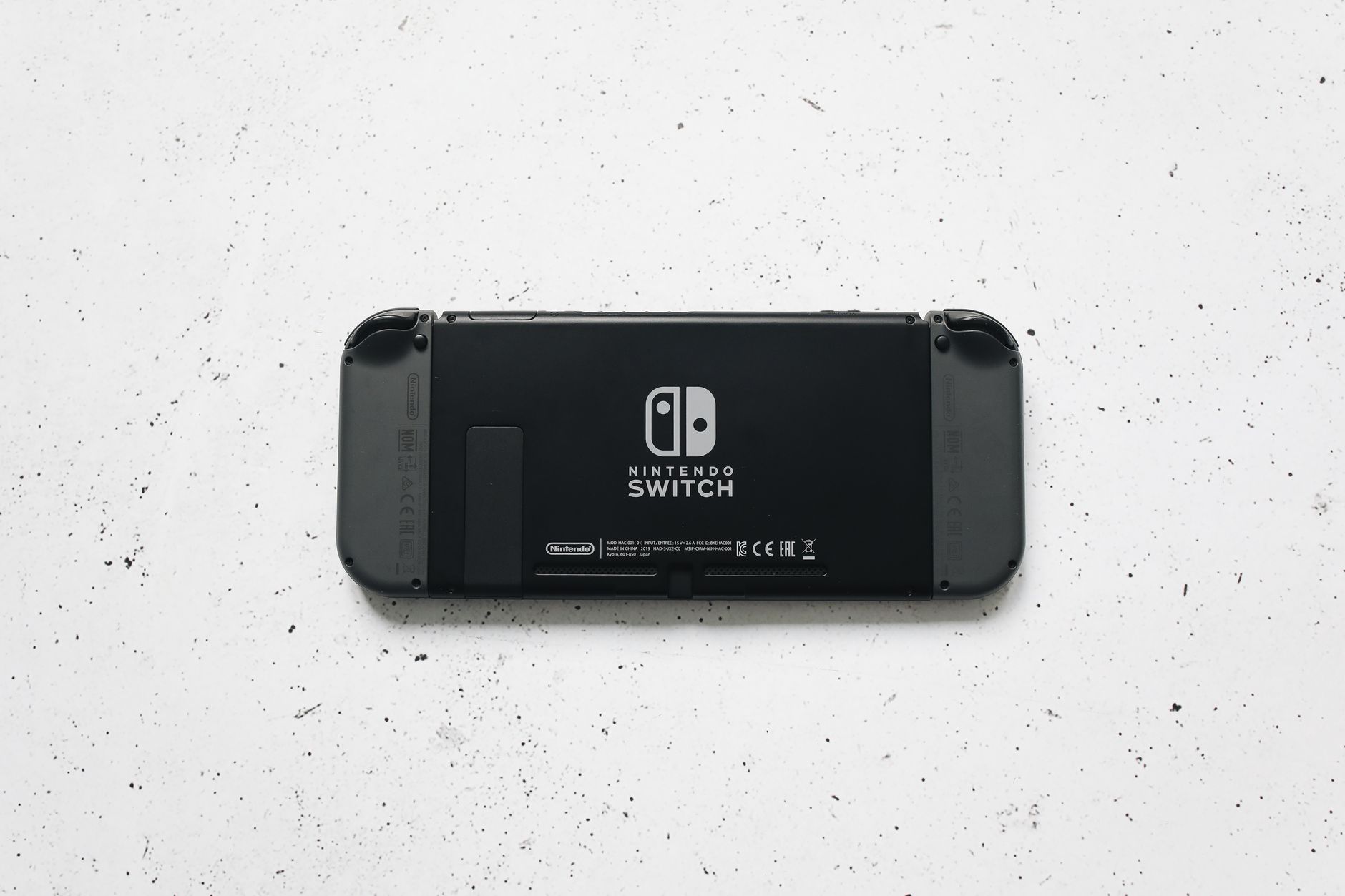

Nintendo Switch 2 Prime Day 2026 offers savings primarily through game bundles and discounted software rather than price cuts on the console itself. The main value play centers on the Nintendo Switch 2 Choose Your Game bundle, priced at $499.99, which pairs the console with a digital copy of a first-party Nintendo title worth up to $30. This bundle approach matters because Nintendo rarely discounts hardware directly—the company announced in May 2026 that the Switch 2 base price will increase to $499.99 starting September 1, so anyone shopping Prime Day is still getting the older pricing on the console itself, assuming they purchase before that date.
The real savings during Prime Day come from game selection and accessories rather than console pricing. Games like Metroid Prime 4: Beyond, Hades 2, Resident Evil Requiem, and Kirby & Warp Star are available at discounted prices—with Metroid Prime 4: Beyond at one of its lowest price points. For frugal buyers, this means the decision between buying the console alone or bundling it with a game becomes crucial, especially when factoring in the upcoming price jump.
Table of Contents
- How Much Can You Actually Save on Nintendo Switch 2 During Prime Day?
- Understanding Nintendo Switch 2 Bundle Options and What’s Included
- Which Games Are Actually Discounted on Prime Day 2026?
- Should You Buy Now or Wait for Post-Launch Prime Day Sales?
- The Price Increase Context: Why Timing Matters for Your Budget
- Accessory Savings and Add-On Strategy
- How Nintendo Prime Day Deals Compare to Year-Round Alternatives
How Much Can You Actually Save on Nintendo Switch 2 During Prime Day?
The savings landscape for Switch 2 during prime day is narrower than many console launches. Nintendo does not typically discount the console hardware itself during major sales events—and for 2026 Prime Day, the Switch 2 console is expected to remain at its current $449.99 price before the September 1 increase takes effect. This means any “deal” you find on the hardware is actually you avoiding the $50 price increase that’s coming in a few months, not a markdown from the MSRP.
Where actual savings exist is through bundles and software. The Choose Your Game bundle at $499.99 includes the console plus a digital game code valued at up to $30, which represents the most direct way to reduce your total spending if you were planning to buy both items anyway. Compare this to buying them separately post-September 1—you’d pay $499.99 for the console plus $40-$70 for most new Nintendo titles, totaling $540-$570 before tax. The bundle saves you $40-$70 if the included game matches your interests.
Understanding Nintendo Switch 2 Bundle Options and What’s Included
The Choose Your Game bundle is structured around consumer choice, but that flexibility has limitations. Nintendo lets you select which first-party title comes with the console, ostensibly allowing you to pick a game you actually want. However, the value of this offer depends entirely on which titles are available for selection—not all recent Nintendo releases may be bundle-eligible, and you may end up choosing a game you’re less enthusiastic about to maximize the perceived $30 value. The bundle format also reveals Nintendo’s pricing strategy: by bundling a $30-$60 game with a console, they avoid directly cutting the hardware price (which would pressure their profit margins and establish lower price expectations) while still offering apparent savings to consumers.
From a budget-planning perspective, this is worth noting because if you’re flexible about which game you want, the bundle delivers real value. If you have your heart set on a specific title that isn’t bundle-eligible, you may actually be better off buying the console and game separately during individual sales. One critical limitation: bundles typically ship only with digital game codes, not physical copies. This means you don’t get a resale option later if you want to recoup part of the cost. Physical games hold resale value and can be traded in at retailers—a factor that matters for frugal gamers who rotate through titles.
Which Games Are Actually Discounted on Prime Day 2026?
The game selection on sale during Prime Day 2026 includes established titles that are already a few months old: Metroid Prime 4: Beyond is hitting one of its lowest prices, making this an ideal time for players who skipped the launch window. Hades 2, Resident Evil Requiem, and Kirby & Warp Star are also discounted, though the depth of these discounts varies. A $10-$15 reduction on a $50-$60 game is realistic for Prime Day, bringing major releases down to $35-$50 if you’re patient. The practical consideration here is that these games have been available since launch and have already cycled through holiday sales, meaning their Prime Day discounts may not be their lowest-ever prices.
If you missed previous sales, Prime Day is a reasonable time to grab them. However, if you’ve been tracking price history, you may find that some of these titles were cheaper during earlier 2026 sales events or through subscription services like Nintendo switch Online, which periodically rotates access to classic and recent games. Game selection matters more for long-term value than the discount percentage. Investing in a game you’ll play for 40 hours saves money compared to buying impulse titles you abandon after a few hours. When evaluating which discounted game to bundle with your console, prioritize games with the highest play-time-per-dollar ratio rather than the biggest percentage discount.
Should You Buy Now or Wait for Post-Launch Prime Day Sales?
The September 1 price increase introduces a timing decision: buy before the increase takes effect and secure the console at $449.99, or wait for a potential post-September 1 Prime Day sale where the console might be $499.99 but bundled with games or accessories. Historically, Nintendo doesn’t offer direct hardware discounts even after price increases, so waiting doesn’t guarantee a lower console price—it only delays your purchase and guarantees you pay more. If you’re already planning to buy a Nintendo Switch 2 sometime in 2026, Prime Day before September 1 is the rational choice purely from a pricing standpoint. You lock in the lower console price, and you gain access to discounted software simultaneously.
The only reason to wait past Prime Day would be if you don’t actually need the console until later in the year, or if you’re still undecided about the platform entirely. Delaying your purchase purely hoping for a better deal on hardware is a losing bet given Nintendo’s track record. Bundled accessories during Prime Day—cases, screen protectors, extra controllers—may offer better savings than the console itself. If you factor in these necessary add-ons, shopping Prime Day before the price increase becomes even more economical.
The Price Increase Context: Why Timing Matters for Your Budget
Nintendo’s announcement of a $50 price increase effective September 1, 2026, changes the Prime Day calculation. This isn’t a temporary promotional pricing anomaly; it’s a permanent new baseline. Anyone purchasing after September 1 will pay $499.99 for the console, matching what you’d pay for the Choose Your Game bundle right now. This means Prime Day isn’t offering a discount—it’s offering you the opportunity to avoid a price increase. The implications extend beyond just the console.
If game publishers follow suit with their own price adjustments in response to a more expensive console, software prices may creep up as well. There’s no indication this is guaranteed, but historical precedent suggests that higher hardware prices sometimes lead to higher software expectations. Locking in purchases before any cascading price increases makes financial sense. One warning: supply could become an issue if the price increase announcement drives up demand during Prime Day. Consumers who’ve been on the fence may rush to purchase before September 1, which could mean limited inventory, sold-out bundles, or fewer choice options for bundle games. Checking availability early and being ready to purchase quickly increases your chances of securing the bundle you want.
Accessory Savings and Add-On Strategy
Beyond the console and games, Prime Day typically offers meaningful discounts on accessories: cases, screen protectors, charging docks, and extra Joy-Con controllers. For Switch 2, these add-ons are essentials rather than luxuries. A quality carrying case ($20-$40) and extra controllers ($60-$80 for a pair) are realistic purchases if you’re committing to the platform, making accessory sales during Prime Day worth hunting for.
The bundle psychology applies to accessories as well. Multi-packs of screen protectors or cases bundled together often show better per-unit savings than buying individual items. If you’re purchasing your first Switch 2, building a complete setup with protection and extra controllers during Prime Day could save $30-$50 compared to purchasing these items separately at full price over the following months.
How Nintendo Prime Day Deals Compare to Year-Round Alternatives
Nintendo Switch discounts are sparse enough that comparing Prime Day to other annual sales events is worth doing. Black Friday and holiday sales (November-December) typically rival or exceed Prime Day discounts on games, and Nintendo sometimes runs platform-specific sales outside major retail events. Subscription services like Nintendo Switch Online also rotate game access, which for some users represents better value than owning specific titles outright.
The console itself never goes on sale at any event—it’s always full price or bundled, making Prime Day the most consumer-friendly time to purchase purely because it’s before a price increase. For games and accessories, Prime Day is one of the year’s better opportunities, but not definitively the best. If you’re flexible on specific titles, waiting for deeper discounts later in the year is possible; if you’ve identified exactly which games and accessories you want, Prime Day’s selection and timing relative to the September 1 increase make it the smarter purchase window.