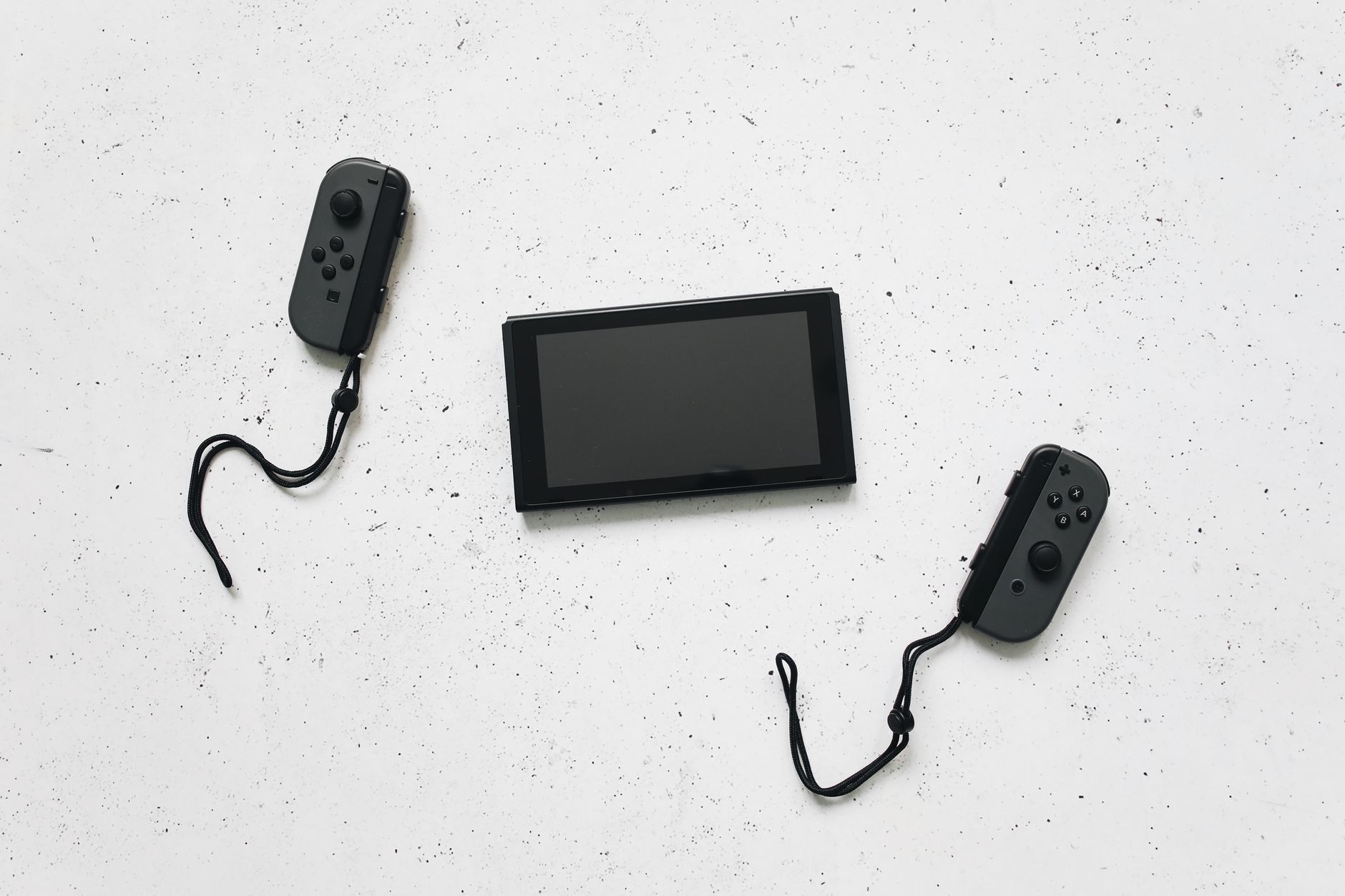

Nintendo Switch accessories regularly go on sale, with discounts sometimes reaching 50 percent off controllers, cases, screen protectors, and other peripherals. These discounts are common enough that you don’t need to wait for a specific event to find deals, though they do follow predictable patterns throughout the year. A typical scenario: a basic carrying case that normally costs $20 drops to $10, or a Pro Controller marked at $70 falls to $35, meaning that if you’re patient and willing to shop strategically, you can equip your Switch setup for considerably less than retail pricing.
The key is understanding that accessory discounts are different from game sales. While game prices fluctuate less frequently and sometimes stay high for years, accessories see regular markdowns because retailers rotate stock, new models release, and seasonal shopping patterns create inventory pressure. This creates genuine opportunity for frugal shoppers, but also requires knowing where to look and when to actually pull the trigger.
Table of Contents
- What Types of Switch Accessories Actually Go on Sale?
- Seasonal Patterns and When Discounts Peak
- How to Reliably Find These Discounts Without Overspending
- Budgeting for Accessories When Sales Appear
- Watch Out for False Urgency and Clearance Traps
- Comparing Official Nintendo vs. Third-Party Quality at Discount Prices
- The Math of Waiting vs. Buying Now
What Types of Switch Accessories Actually Go on Sale?
The accessories most commonly discounted are the ones with the highest retail markup and the most predictable demand. Pro Controllers, Joy-Con replacement sets, carrying cases, and docking stations appear in sales regularly. Third-party manufacturers like 8BitDo, PowerA, and Nyxi also release discounted alternatives to official Nintendo hardware, sometimes undercutting Nintendo’s own pricing even before a discount applies. Screen protectors and thumb stick covers see steep discounts because they’re consumables with low production costs and high retail markups. A $15 screen protector with tempered glass might drop to $7 or $8 during sales.
Charging cables, portable battery packs designed for the Switch, and travel cases also discount frequently. The accessories least likely to discount heavily are brand-new official Nintendo products in the first few weeks after release, which retailers price at full MSRP. A practical example: if you need to replace a damaged Joy-Con, the official Nintendo version costs around $40 at full price. Third-party Joy-Con alternatives from manufacturers like PowerA sometimes launch at $25 to $30, then discount further to $15 to $20 during sales. That’s not a small difference if you need two replacement controllers.
Seasonal Patterns and When Discounts Peak
Accessory discounts follow retail calendars more predictably than you might expect. The period after the winter holidays—January through March—typically features strong clearance pricing as retailers reduce holiday stock. Back-to-school season in late summer often includes Switch bundles and accessory discounts aimed at students. Black Friday and Cyber Monday in November remain the most aggressive discount period, though online-only deals during these events can be fleeting. One important limitation: deep discounts are not guaranteed during every sale event. A retailer might discount carrying cases aggressively while keeping controller prices firm, or vice versa.
You might see a specific third-party Joy-Con set discounted while the official version doesn’t move. This unpredictability means the best approach isn’t waiting for “the” sale, but instead checking multiple times monthly and buying when you see something you actually need at a price that makes sense. Timing matters in another way too. If a new Switch model or new accessory line launches, previous-generation products often discount faster as retailers clear them. This isn’t breaking news; it’s how retail works. But it’s worth knowing that buying last year’s carrying case instead of this year’s model can save money if both work perfectly fine for your actual use.
How to Reliably Find These Discounts Without Overspending
The simplest approach is checking major retailers regularly—once or twice a week takes only a few minutes. Online marketplaces often display price history tools that show whether a discount is actually good or just looks good. Some browser extensions automatically track price drops, though these work better on some sites than others and require you to trust the extension vendor with your browsing data. Price tracking works best when you already know what you want to buy. If you know you need a replacement Pro Controller, you can set an alert for that specific product rather than randomly hunting for deals.
This avoids the trap of buying something discounted that you didn’t actually need just because the price was low. Comparing across retailers is important because one store’s discount might be someone else’s full price—a $25 controller at Store A is only a deal if you’d normally pay $40 or more. A warning: some retailers advertise percentage discounts that sound better than they are. A “50 percent off” applied to a high starting price sometimes still leaves you paying more than a competitor’s lower-priced item with no discount at all. Do the math on the final price, not just the percentage, before deciding something is a good deal.
Budgeting for Accessories When Sales Appear
The temptation when a discount appears is to buy things you might eventually need. Screen protectors are cheap, so buying three when one is on sale feels smart. A second carrying case might be useful someday. This is how frugal shopping turns into spending more than necessary.
The discipline required is buying only what you’ll use within the next few months, not what you might theoretically want in six months. A useful comparison: buying a $15 carrying case at a 50 percent discount costs $7.50, but only if you actually need a carrying case. Buying it because it’s cheap is paying $7.50 for something you didn’t need, which is zero dollars saved no matter what the original price was. This applies to every accessory sale. The real savings come from waiting to buy something you need until it discounts, not from buying things you don’t need because they’re discounted.
Watch Out for False Urgency and Clearance Traps
Retailers sometimes mark products as “limited time” or “while supplies last” to create urgency, but supplies of accessories rarely truly run out permanently. If a carrying case seems to be the last one in a sale, it probably means that exact color or design is being cleared, but similar options exist elsewhere, often at similar prices. The scarcity feeling is intentional marketing.
A related trap is buying discounted accessories for problems you don’t have yet. Buying a pro-grade carrying case with extra compartments when you only own one game is letting the discount drive the purchase rather than actual need. The financial impact might seem small per item, but buying discounted items you didn’t need adds up faster than you expect. One $7.50 case, one $5 screen protector, one $12 charging cable—suddenly you’ve spent $25 on things you didn’t know you needed yesterday.
Comparing Official Nintendo vs. Third-Party Quality at Discount Prices
When accessories discount, both official and third-party options become cheaper, and this makes it worth comparing actual quality, not just price. A third-party Joy-Con alternative might cost $25 at full price versus $40 for Nintendo’s official version, and during a sale might be $12 versus $20. The third-party option still saves money, but does it function identically? Some third-party controllers have reported issues with stick drift or durability, while others receive consistently positive reviews.
This trade-off is worth evaluating for each product category. Carrying cases are almost universally reliable regardless of brand, so the third-party discount is likely a straightforward win. Charging docks have more potential variation in build quality. Reading reviews specifically about durability and reliability, not just how pretty something looks, prevents buying something cheap that needs replacement sooner.
The Math of Waiting vs. Buying Now
The final consideration is whether waiting for a discount makes financial sense for the specific item. If an accessory you need currently costs $50 and typically discounts to $35, you’re looking at potential savings of $15. If you’re desperate to have it and the $15 difference doesn’t matter to your budget, buying now makes sense. If you can wait three to six months and already have adequate alternatives, waiting statistically makes sense.
Some accessories are worth buying at full price. If your current carrying case is broken and you need to transport your Switch safely, spending $20 on a replacement right now rather than waiting weeks for a sale is practical. If you simply like having options and can make do with what you have, waiting for a discount on a second case is the frugal choice. The best deal is not always the lowest price—it’s the one that matches your actual timeline and needs.