
Free clinics and sliding-scale healthcare facilities exist in virtually every state, offering medical care to uninsured and underinsured patients regardless of their ability to pay. These facilities operate through a combination of federal funding, grants, and volunteer efforts, providing everything from basic primary care and preventive services to dental work and mental health counseling. If you’re struggling with medical bills or don’t have health insurance, finding a free clinic or sliding-scale provider in your state can reduce your out-of-pocket healthcare costs by hundreds or even thousands of dollars annually. The term “sliding scale” refers to a payment model where your fee is based on your income and household size.
If you earn $20,000 a year, you might pay $15 for a visit; if you earn $40,000, you might pay $35 for the same service. Many free clinics operate entirely without charge, regardless of income. For example, a person in Texas without insurance could visit a federally qualified health center (FQHC) and receive a full physical exam, lab work, and prescriptions for as little as $20 to $50, compared to a typical private clinic visit costing $150 to $300. Finding these resources requires knowing where to look, understanding eligibility requirements, and being prepared with documentation. This guide walks you through locating free and sliding-scale clinics in your state, understanding what services they offer, and maximizing their benefits for your budget.
Table of Contents
- How Do Free Clinics and Sliding-Scale Providers Work in Different States?
- What Services Can You Actually Get at Free Clinics and What Are the Limitations?
- How Do You Find Free and Sliding-Scale Clinics in Your State?
- What Documentation Do You Need to Bring and What’s the Application Process?
- What Hidden Costs or Complications Should You Know About?
- Hospital Charity Care Programs as a Backup
- The Future of Free and Sliding-Scale Healthcare Access
- Conclusion
- Frequently Asked Questions
How Do Free Clinics and Sliding-Scale Providers Work in Different States?
free clinics and sliding-scale providers operate under different models depending on state funding, local partnerships, and community needs. Federally Qualified Health Centers (FQHCs) are the most common type and receive federal grants to provide primary care and preventive services. Community health centers operate at various price points but many use sliding-scale fees. Free clinics, often run by nonprofits and volunteers, typically provide care at no charge but may have limited hours or services.
Some states fund free clinics directly through state appropriations, while others rely entirely on private donations and volunteer physician time. The availability and quality of these services vary significantly by state. California has over 200 federally qualified health centers, while rural states like Montana or Wyoming have fewer locations but often provide transportation vouchers or telehealth options to reach isolated patients. A patient in New York might visit a sliding-scale clinic for a $25 primary care visit, lab work included, while a patient in Mississippi might travel 45 minutes to the nearest free clinic because there’s no local option. States with higher Medicaid expansion tend to have better-funded networks of free and sliding-scale providers because those facilities receive reimbursement for expanded Medicaid patients, creating sustainable operations.
What Services Can You Actually Get at Free Clinics and What Are the Limitations?
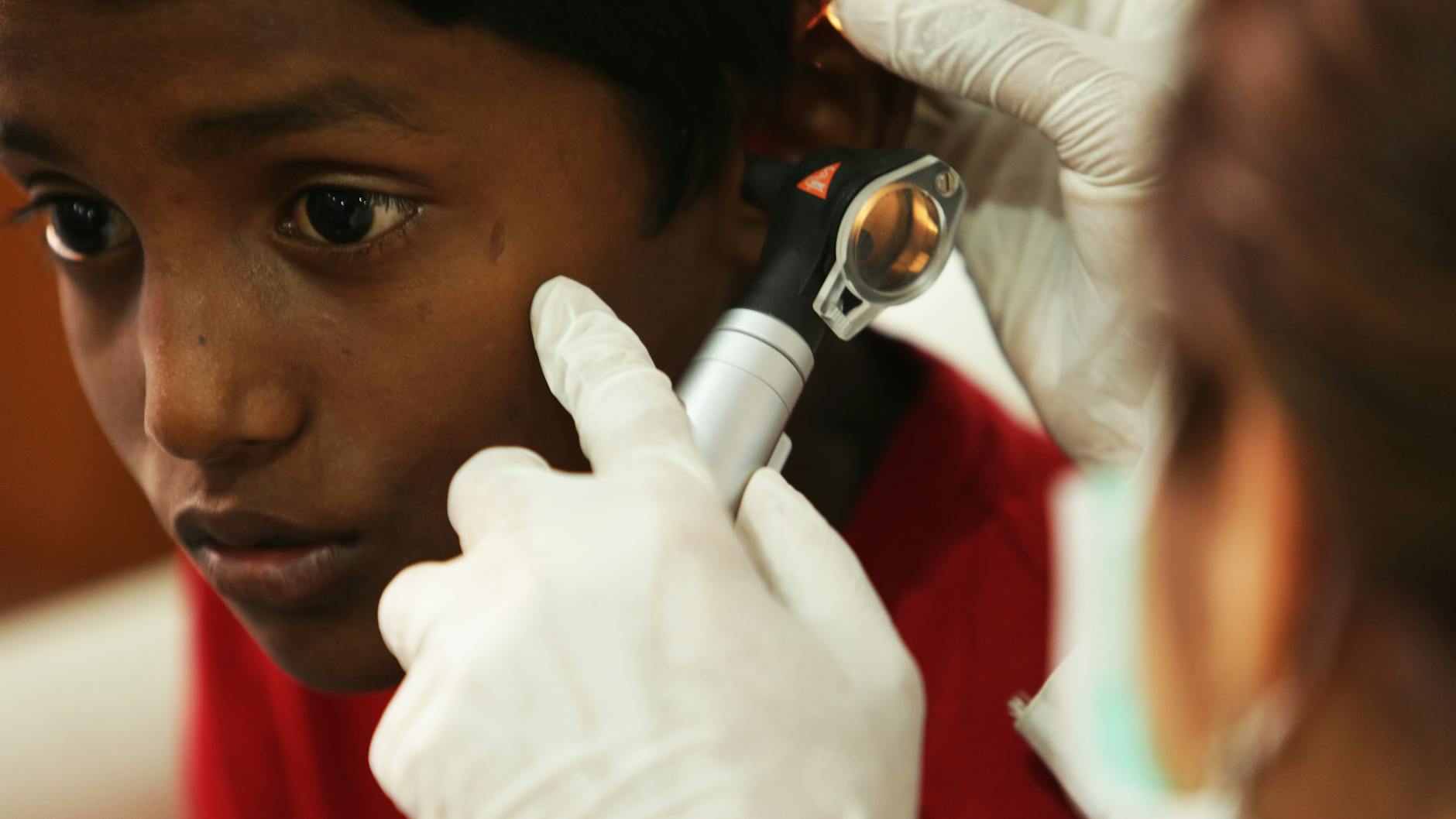
Free clinics and sliding-scale providers typically offer preventive care, diagnosis and treatment of common illnesses, basic dental services, mental health counseling, and health screenings. Primary care visits, blood pressure checks, cholesterol screening, diabetes management, vaccinations, and contraception are standard offerings. Many facilities also provide prescription medications at reduced or no cost through partnerships with pharmaceutical companies and nonprofit drug programs. However, there are real limitations you need to understand. Emergency care is not available at most free clinics—if you have severe chest pain or a serious injury, you still need the emergency room.
Specialty services like orthopedic surgery, cardiology, or complex dermatology are rarely available at free clinics; you’ll be referred to a hospital or specialist, and costs can still be high. Urgent care that requires same-day imaging like MRIs or CT scans may not be available. One patient in Georgia reported being diagnosed with hypertension at a free clinic, given three months of medication, but told she’d need to find a cardiologist for advanced testing—which meant either returning to costly private care or waiting months for a referral to a hospital system. Additionally, many free clinics operate only during weekday business hours or have limited evening hours, making them difficult to access if you work a standard job.
How Do You Find Free and Sliding-Scale Clinics in Your State?
The easiest way to find free and sliding-scale clinics is through the Health Resources and Services Administration (HRSA) Find a Health Center tool at findahealthcenter.hrsa.gov. Enter your zip code and the search returns all federally qualified health centers nearby, their phone numbers, hours, and accepted insurance. The National Association of Free and Charitable Clinics (nafcclinics.org) maintains a directory of free clinics by state and offers a search tool on their website. Your state health department website also lists community health centers and free clinics; for example, the Texas Department of Health and Human Services provides a searchable map of all state-funded and federally funded providers.
Beyond these official directories, contact your local hospital system’s community health line or ask your city’s 211 information service (dial 2-1-1 from any phone or visit 211.org), which connects you to local health and human services resources. You can also call the main number of your county health department and ask for a list of free and sliding-scale providers. A woman in Colorado searching for dental care discovered through her county health department that a nonprofit dental clinic in her city offered free cleanings and X-rays, and charged $50 to $100 for fillings based on a sliding scale—compared to $150 to $200 at private dental offices. Don’t assume one clinic has all services; you may need to use one provider for primary care, another for dental, and a third for mental health.

What Documentation Do You Need to Bring and What’s the Application Process?
Most free and sliding-scale clinics require proof of income to determine your sliding-scale fee, though some don’t. Bring recent pay stubs (most recent two weeks), tax returns, or a letter from your employer stating your income. If you’re self-employed or unemployed, bring bank statements, profit-and-loss statements, or unemployment benefits documentation. Bring proof of identity—a driver’s license, passport, or state ID. Some clinics also request proof of residency (a utility bill or lease) to confirm you live in their service area, though many will see patients outside their area if capacity allows.
The application process is typically straightforward: fill out a one-page form with your personal information and income, have a brief eligibility conversation with a staff member, and then see the provider. Most clinics complete this in 15 to 20 minutes. The tradeoff is that some free and sliding-scale clinics have longer wait times than private practices—you might wait one to three months for a non-urgent appointment, whereas a private practice might have an opening in two weeks. However, when you do get in, your visit usually costs a fraction of what you’d pay privately. A patient in Pennsylvania compared her options: a private urgent care charged $150 for a sore throat visit plus $15 for an antibiotic co-pay; her local sliding-scale clinic cost her $20 for the same visit and medication because her income qualified her for their low tier.
What Hidden Costs or Complications Should You Know About?
While free clinics and sliding-scale providers dramatically reduce out-of-pocket costs, there are complications. Medications are sometimes available free or cheap at the clinic, but if they don’t have a particular drug in stock, you may be given a prescription to fill at a pharmacy out-of-pocket. Generic medications are almost always cheaper, but some patients require brand-name drugs for valid medical reasons, and the price difference can be significant. Additionally, if tests or labs are needed, some clinics perform them on-site for free or low cost, but others send you to an outside lab, and you’ll receive a bill later.
Another limitation is that sliding-scale clinics typically serve lower-income patients, so they may have outdated equipment, longer appointments waits, and fewer specialists on staff compared to private practices. If you’re diagnosed with a condition requiring specialty care, you’ll be referred out, and the referral might go to a hospital clinic that offers its own sliding scale or charity care, or it might go to a private specialist where costs spike. A patient in North Carolina was diagnosed with thyroid disease at a free clinic and prescribed medication, but when she needed thyroid ultrasounds and follow-up endocrinology, she was referred to a private endocrinologist whose office required payment upfront—the clinic couldn’t provide ongoing specialty management. Additionally, some free clinics don’t accept Medicaid or Medicare, so if you enroll in either program, you may lose access to that clinic and need to find a new provider.

Hospital Charity Care Programs as a Backup
If you require hospital services, know that nearly all hospitals have charity care programs (also called financial assistance or self-pay discount programs). These are often separate from free clinics and are designed to help uninsured and underinsured patients who rack up hospital bills. Hospitals are required by federal law to have a financial assistance policy and publicize it. When you receive a hospital bill, you can apply for charity care retroactively, and the hospital may write off part or all of your debt.
To access hospital charity care, ask about it when you’re admitted or as soon as you receive a bill. Bring proof of income, and fill out an application. The hospital will determine your eligibility based on your household income as a percentage of the federal poverty level. If you qualify, the hospital will reduce or eliminate your balance. The downside is that this is reactive—you’re dealing with a large bill after the fact—whereas using a free clinic upfront prevents the bill from occurring in the first place.
The Future of Free and Sliding-Scale Healthcare Access
Free and sliding-scale clinics have faced funding challenges over the past five years, with some closing due to reduced federal grants and state budgets. However, interest in these services is rising as more people delay or skip healthcare due to costs, and federal funding has increased in recent appropriations bills. Several states are expanding telehealth options at free clinics, allowing patients to have virtual visits without traveling to a physical location.
Prescription drug programs have also expanded, with more nonprofit programs offering medications at little to no cost to uninsured patients. Looking ahead, the sustainability of free clinic networks depends on stable funding and growing awareness. If you use a free or sliding-scale clinic, consider donating if and when you’re able—even small donations help these facilities stay open and expand their hours or services. Advocacy for continued state and federal funding of community health centers also matters; these facilities can’t operate without support.
Conclusion
Free clinics and sliding-scale healthcare providers are a practical, often overlooked tool for reducing medical expenses. They exist in nearly every state, offer real primary and preventive care, and charge based on your ability to pay or nothing at all. The key is finding the right provider for each type of care you need, understanding what services are available locally, and coming prepared with income documentation. Start by visiting findahealthcenter.hrsa.gov or your state health department website to locate facilities near you.
Call ahead to ask about hours, services, and whether they use a sliding-scale fee model. Many people are surprised by how much they save and how accessible these services are once they take the first step. For significant medical expenses or hospitalization, also ask about hospital charity care programs. Together, these resources can substantially reduce your healthcare costs and keep you healthier without breaking your budget.
Frequently Asked Questions
Will using a free clinic affect my credit score or ability to get insurance?
No. Free and sliding-scale clinics don’t report unpaid balances to credit agencies, and using these services doesn’t affect your credit or insurance eligibility. Health insurance companies don’t discriminate based on your prior use of free clinics.
Do free clinics drug test or require citizenship?
Some free clinics may ask about drug use as part of medical history, but they don’t test patients as a condition of care. Most free clinics and sliding-scale providers serve all patients regardless of citizenship status, though a small number require proof of residency or may have local restrictions. Call ahead to ask about the specific clinic’s policies.
Can I use a free clinic if I have Medicaid or Medicare?
Most free clinics don’t accept Medicaid or Medicare because they’re designed for uninsured patients. However, some clinics accept both Medicaid and uninsured patients. When you search for clinics, ask whether they accept your insurance, and if they don’t, find a clinic that does before you become a patient. Once you enroll in Medicaid or Medicare, you typically can’t continue at a clinic that doesn’t accept it.
What happens if I don’t have income documentation?
Call the clinic and ask about their policy. Some clinics will allow you to estimate your income or sign a statement about it rather than requiring documentation. Others may have a flat fee for uninsured, low-income patients regardless of exact income. Don’t assume you can’t go because you lack paperwork—explain your situation and ask what options are available.
How long does an appointment at a free clinic usually take?
Expect your first visit to take 45 minutes to an hour, including the intake form and eligibility assessment. Follow-up visits are usually 30 to 45 minutes. Some clinics have longer waits during peak hours, so arriving early helps. Telehealth appointments at clinics that offer them are often faster.
Can I use a free clinic for prescription medications?
Yes. Most free clinics either dispense medications on-site or have partnerships with pharmacies offering generic medications at reduced or no cost. Ask the provider about medication availability and cost before leaving your appointment. If the clinic doesn’t have a medication in stock, you’ll receive a prescription to fill elsewhere.