

Most people assume they need to pay for roadside assistance, but you likely already have access to it through insurance, credit cards, or your vehicle’s warranty. Before you sign up for a separate service, check what’s already included in the policies and benefits you’re already paying for. Roadside assistance that comes bundled with your existing coverage—whether through your auto insurance, premium credit card, or new car warranty—costs nothing extra and often provides the same level of service as standalone memberships.
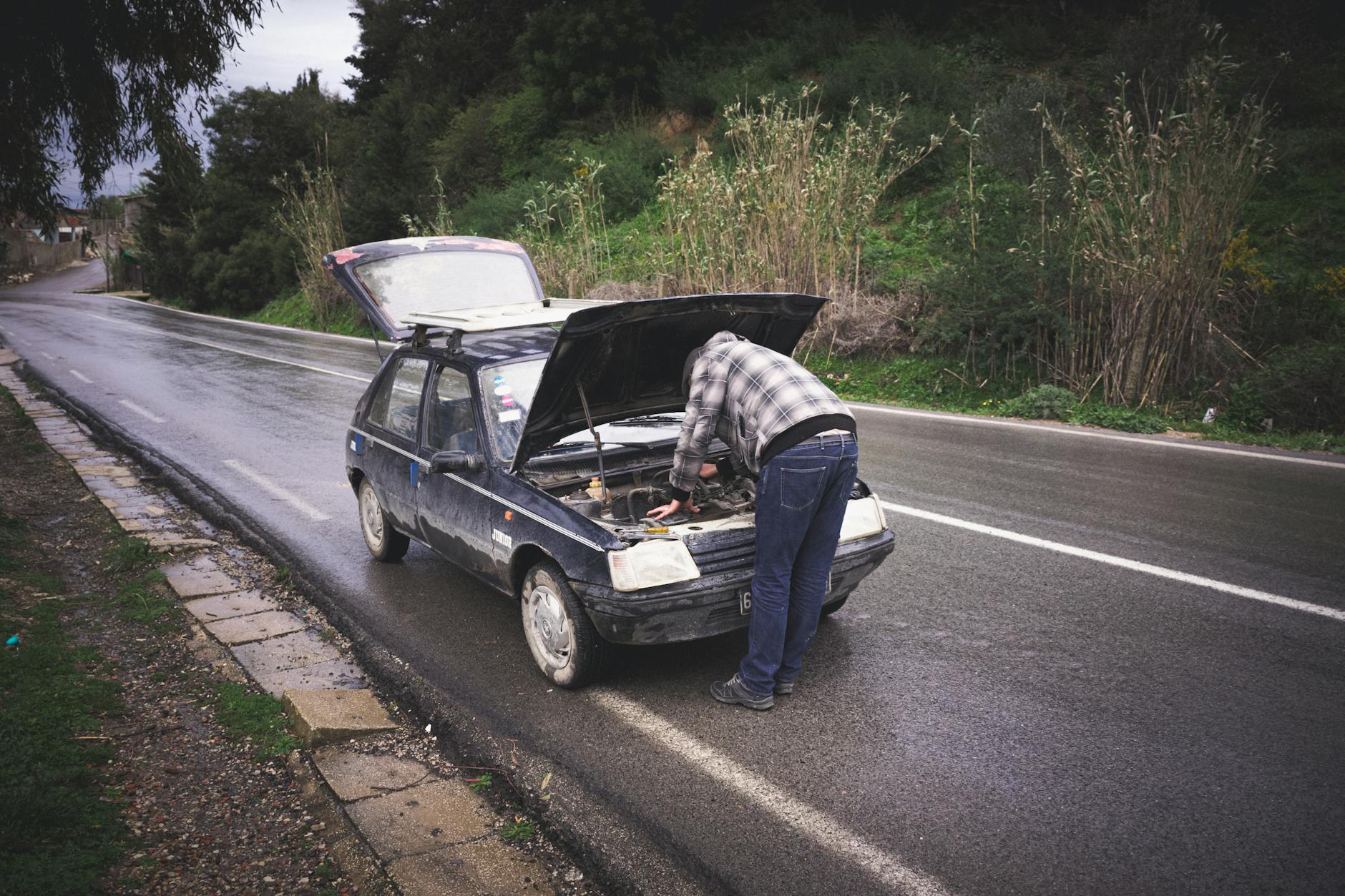
The most common sources of free roadside assistance are your auto insurance policy, which typically covers towing and lockout services; a premium credit card that includes trip protection benefits; the manufacturer warranty on a new or recent model vehicle; and membership programs through unions, employers, or alumni networks. A driver who experienced a breakdown on a highway in rural Idaho discovered she had three separate roadside assistance benefits available—her insurance company, her credit card, and her car’s extended warranty—and never knew it. She’d been considering purchasing AAA for $50 a year when she already had coverage ready to use.
Table of Contents
- What Roadside Assistance Is Actually Included With Your Auto Insurance?
- Free Roadside Assistance Through Premium Credit Cards
- Manufacturer Roadside Assistance From Your Vehicle’s Warranty
- Accessing Free Roadside Assistance Through Membership Programs and Employers
- Common Gaps and Limitations in Free Roadside Assistance
- How to Verify and Activate Your Free Roadside Assistance Benefits
- Making the Case: Why You Probably Don’t Need to Pay Extra
- Conclusion
What Roadside Assistance Is Actually Included With Your Auto Insurance?
Most standard auto insurance policies include some form of roadside assistance, though the specifics vary by insurer and coverage tier. Common inclusions are towing to a repair facility (usually within a 50-100 mile radius), lockout service, fuel delivery, battery jump-starts, and flat tire changes. Some insurers cap the number of incidents per year—often unlimited, but occasionally limited to 2-4 per policy period. The key limitation is that this benefit typically only covers you if you’re stranded due to a mechanical or non-accident issue; if you’re in an accident, your roadside assistance may not apply, and you’ll rely on your collision coverage instead.
The range of towing distances matters more than you might think. If you live 80 miles from the nearest repair shop, an insurer that only covers 50 miles of towing may leave you paying out of pocket for the remaining distance. One customer with an older truck discovered his insurer covered 100 miles of towing, which was enough when he broke down 60 miles from home; his neighbor with a different insurer only had 50 miles covered and had to pay $400 for the additional tow. Contact your insurance company directly to confirm your specific limits, as they’re rarely highlighted in policy documents.
Free Roadside Assistance Through Premium Credit Cards
Premium credit cards—typically those with annual fees of $95 or higher—often include roadside assistance as a cardholder benefit. these benefits are sometimes called “emergency roadside service” and may cover towing, fuel delivery, lockout assistance, jump-starts, and tire changes. The coverage usually applies to any vehicle you’re driving, not just one registered to you, which makes it broadly useful. However, the towing distance is often more limited than insurance-based coverage, frequently capped at 10-15 miles, and you may be required to use specific service providers in the card’s network.
A practical limitation arises if you’re far from any authorized service provider. If your card’s roadside benefit only includes towing to affiliated repair shops, and the nearest affiliated shop is 30 miles away but you’ve already used your covered towing distance of 15 miles, you’re responsible for closing the gap. Additionally, many premium cards require you to call the card’s concierge line or use an app to request assistance, which can add time if you’re stranded without cell service or a way to quickly look up the number. The benefit is real and free for cardholders, but it’s more limited in scope than comprehensive insurance coverage.
Manufacturer Roadside Assistance From Your Vehicle’s Warranty
If you own or lease a new vehicle, the manufacturer’s roadside assistance program is often included at no additional cost during the warranty period—typically 3 years or 36,000 miles. Manufacturers like Ford, Toyota, GM, and others provide services including towing, lockout assistance, fuel delivery, and battery service. The coverage is usually nationwide and includes support for accidents and mechanical breakdowns. Unlike insurance-based coverage, this benefit applies to the vehicle itself, not based on your policy.
The catch is that manufacturer roadside assistance often expires when your warranty ends. A owner of a 5-year-old Toyota may no longer have access to the roadside assistance that came free with the vehicle when new. Additionally, manufacturer programs sometimes require you to call a specific number; if you don’t have that number saved, finding it while stranded can be frustrating. The benefit is genuinely free and comprehensive while you have it, making it worth registering your vehicle with the manufacturer to activate the service and ensure you can reach them when needed.
Accessing Free Roadside Assistance Through Membership Programs and Employers
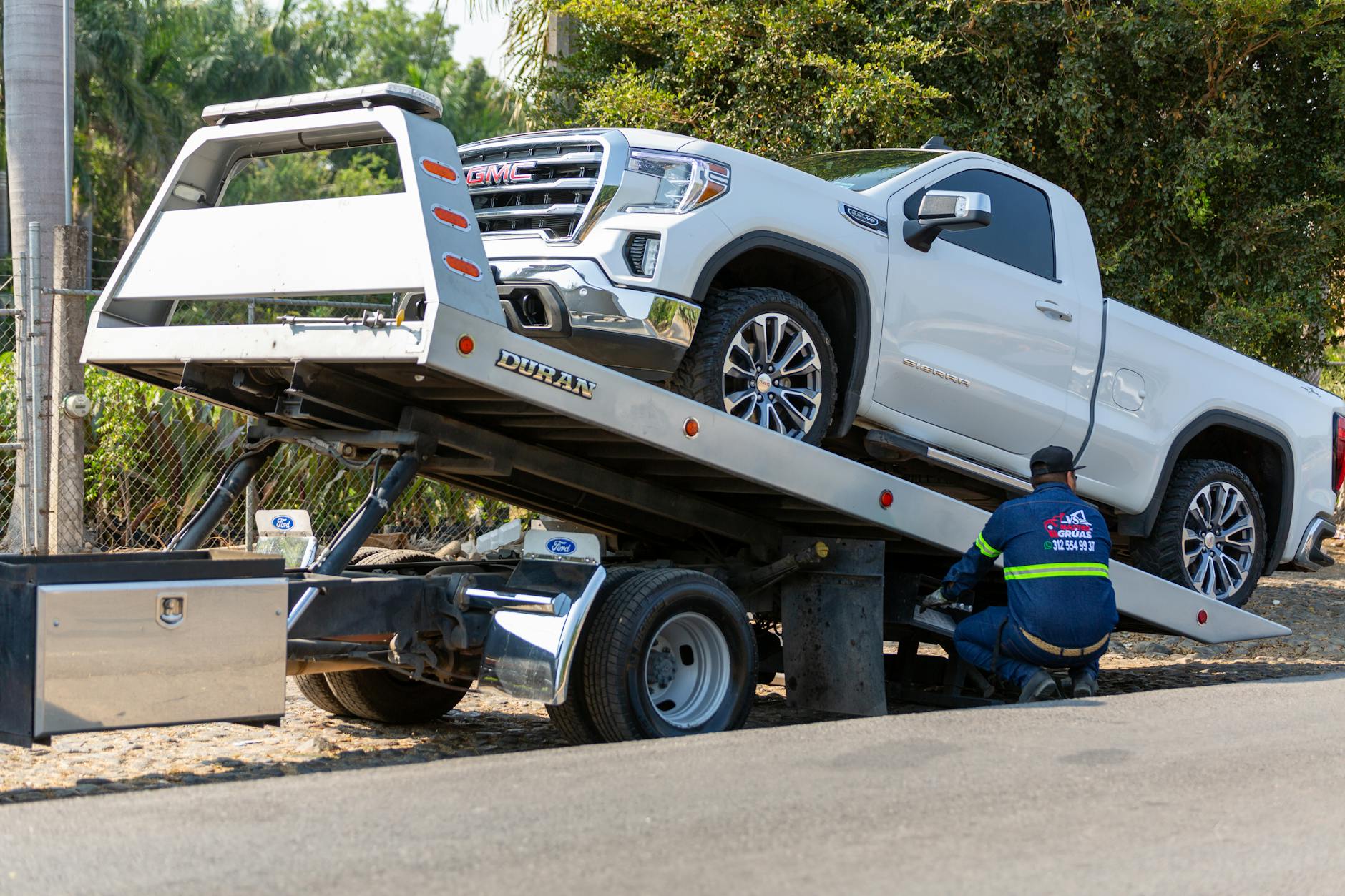
Beyond insurance, credit cards, and warranties, roadside assistance sometimes comes through union membership, professional associations, or employer benefits. Some labor unions include roadside assistance in their membership packages, and certain alumni associations or professional organizations provide these benefits to members. Employers occasionally offer free roadside assistance as part of a comprehensive benefits package, either through the company directly or as a discounted add-on. Costco and Sam’s Club members sometimes receive roadside assistance perks as part of their membership, though the specifics change year to year.
The advantage of these programs is that they’re typically free if you already belong to the organization, making them a no-cost option you may have overlooked. The disadvantage is that they’re inconsistent—not every union, employer, or membership organization includes this benefit, and coverage details vary widely. A union electrician might have excellent roadside assistance through their local, while a union teacher elsewhere might not. The best approach is to contact any organizations you’re part of and ask directly whether roadside assistance is included. Many people pay for AAA without realizing their employer or professional membership already covers it.
Common Gaps and Limitations in Free Roadside Assistance
One major gap across most free roadside assistance programs is limited coverage for older or non-standard vehicles. If you own a classic car, an RV, or a motorcycle, many standard roadside assistance programs exclude your vehicle or provide only partial coverage. Additionally, most programs won’t cover towing beyond a certain distance or to a location of your choice—they tow you to a nearby repair facility, not necessarily to your trusted mechanic across town. If your trusted mechanic is 40 miles away but your coverage includes 25 miles of towing, you’ll pay for the additional distance.
Another limitation is that free roadside assistance typically doesn’t cover transportation home, lodging if you’re stranded far from home, or rental car costs while your vehicle is being repaired. These are services that comprehensive paid memberships like AAA Plus sometimes include. A driver stranded in a snowstorm 300 miles from home discovered his insurance roadside benefit covered the tow to the nearest shop, but not the $80 taxi ride to the nearest hotel. Understanding these gaps before you’re stranded helps you plan—having a credit card with roadside benefits as a backup or purchasing additional coverage for specific scenarios (like frequent long-distance driving) may be worthwhile.

How to Verify and Activate Your Free Roadside Assistance Benefits
To use roadside assistance you already have, you need to know it exists and how to access it. Start by reviewing your auto insurance policy documents—the roadside assistance section is usually near the beginning. If you can’t find it, call your insurer and ask what’s included. Check your credit card benefits by logging into your account online or calling the number on the back of the card; look for “roadside assistance” or “emergency services” in the benefits guide.
If you own a vehicle with an active manufacturer warranty, check the paperwork you received at purchase or visit the manufacturer’s website to confirm coverage and register your vehicle. For employer, union, or membership-based coverage, reach out to your HR department or the organization directly. Save all relevant phone numbers in your phone and in your car—if you’re stranded, you may not have access to Google. Many roadside assistance programs also have apps or online portals where you can request service, so familiarizing yourself with these before an emergency makes the process smoother and faster when you actually need help.
Making the Case: Why You Probably Don’t Need to Pay Extra
With the multiple sources of free roadside assistance available to most drivers—insurance, credit cards, manufacturer programs, and membership organizations—paying separately for AAA or a similar service is often unnecessary unless you need specialized coverage. The typical roadside breakdown scenario is covered by at least one of your existing benefits. The question isn’t whether you have roadside assistance, but whether what you have is adequate for your driving habits.
If you regularly drive long distances in remote areas, frequently travel with an older vehicle, or need coverage for recreational vehicles, paid membership may still make sense. But for the average driver with a relatively new car who stays mostly within populated areas, the free options already available eliminate the need for an additional subscription. Before renewing AAA or signing up for a new roadside assistance program, audit what you already have. Most drivers discover they’re already covered.
Conclusion
Roadside assistance is rarely something you need to purchase outright. Your auto insurance, premium credit card, vehicle manufacturer, or membership organization likely already provides this benefit, and activating what you already have is as simple as making a few phone calls to confirm coverage and save the contact information. The gaps in free coverage—such as long-distance towing, transportation home, or exotic vehicle coverage—are specific enough that most drivers never encounter them.
Start by checking your insurance policy, credit card benefits, warranty documents, and any memberships you hold. Save the relevant contact numbers and download any associated apps. The money you save by not paying for duplicate coverage is real, and the peace of mind that comes from knowing your options before you need them is worthwhile. A breakdown is stressful enough without the added worry of unexpected costs.