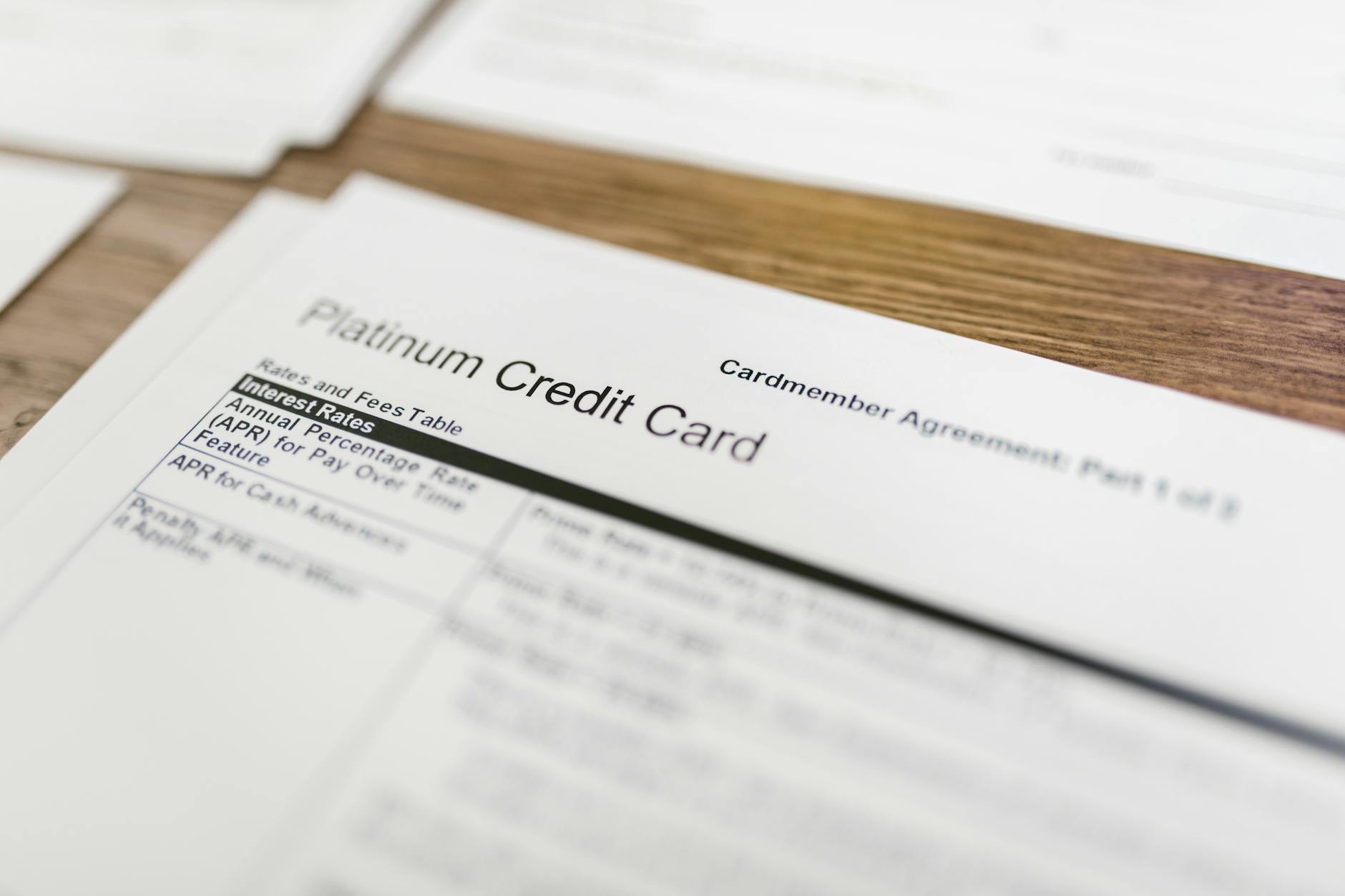

LendingClub is a legitimate, federally regulated bank with an A+ BBB rating, but that does not mean it is the right choice for your debt consolidation, and for many borrowers it could genuinely cost more than the debt they are trying to escape. The core problem is straightforward: origination fees as high as 8% are deducted from your loan proceeds before you receive a dime, and APRs can climb to 35.99% for borrowers with less-than-stellar credit. If you are carrying $10,000 in credit card debt at 22% interest and you consolidate through LendingClub at 28% with a $600 origination fee taken off the top, you have not solved your problem. You have made it worse and paid for the privilege.
The FTC has already sued LendingClub once, resulting in an $18 million settlement over deceptive fee practices, and a new hidden fees investigation by Girard Gibbs LLP suggests the scrutiny is far from over. That said, LendingClub does offer genuinely competitive rates for borrowers with good to excellent credit, and its Direct Pay feature, which sends funds straight to up to 12 creditors on your behalf, is one of the more convenient consolidation tools available. NerdWallet found LendingClub had the second-lowest average rates across most credit tiers among compared lenders. The difference between a smart consolidation move and an expensive mistake comes down almost entirely to your credit profile, the specific rate you qualify for, and whether you read the fine print on that origination fee. This article breaks down exactly how LendingClub works in 2026, what the FTC enforcement history means for you, how to calculate whether consolidation actually saves money, and what red flags in recent complaints should concern prospective borrowers.
Table of Contents
- Is LendingClub Legit for Debt Consolidation in 2026, or Could It Cost You More Than Expected?
- The FTC’s $18 Million Case Against LendingClub and What It Means for Borrowers Today
- How LendingClub’s Direct Pay Feature Works and When It Actually Helps
- Comparing LendingClub’s Rates to What You Are Already Paying
- Recent Complaints and Ongoing Red Flags at LendingClub in 2026
- Who Actually Benefits from a LendingClub Consolidation Loan
- What the Hidden Fees Investigation Signals About LendingClub’s Future
- Conclusion
- Frequently Asked Questions
Is LendingClub Legit for Debt Consolidation in 2026, or Could It Cost You More Than Expected?
LendingClub is not a scam. It is a federally chartered digital bank headquartered in San Francisco, regulated by the Office of the Comptroller of the Currency since it acquired Radius Bank in 2021. It holds an A+ rating from the Better Business Bureau and carries a 4.7 out of 5 star rating on Trustpilot based on nearly 10,000 reviews. By every standard regulatory measure, it is a real financial institution offering real lending products. The question is not whether LendingClub is legitimate. The question is whether the specific loan terms you qualify for will actually improve your financial situation or quietly make it worse. Here is where the “risky trap” framing starts to hold water. LendingClub’s APR range runs from 6.53% to 35.99%, and the spread between those two numbers is enormous.
A borrower with a 780 credit score consolidating $15,000 in credit card debt at a 9% fixed rate with a 2% origination fee is making a sound financial decision. A borrower with a 620 credit score offered 32% with a 7% origination fee is being handed a product that will almost certainly cost more over the life of the loan than the debts they already hold. The origination fee is particularly important to understand because it is deducted upfront. On a $10,000 loan with an 8% origination fee, you receive $9,200, but you owe $10,000 plus interest. You are paying interest on money you never actually received. The honest answer to the title question is that LendingClub is both legit and potentially a costly trap, depending entirely on which end of that APR spectrum you land on. If you qualify for rates below what you are currently paying on your existing debts after accounting for the origination fee, it is a reasonable consolidation option. If you do not, no amount of convenience features will make up for the math working against you.

The FTC’s $18 Million Case Against LendingClub and What It Means for Borrowers Today
In April 2018, the Federal Trade Commission sued LendingClub for deceptive practices that directly affected tens of thousands of borrowers. The core allegation was that LendingClub advertised “no hidden fees” while simultaneously deducting hundreds or thousands of dollars in origination fees from loan proceeds before disbursement. The FTC also found that more than 43,000 applicants received emails telling them they were “approved” for loans when they had only passed a preliminary screening step and were later rejected. Additionally, the agency alleged LendingClub made unauthorized bank withdrawals, including double-debiting payments and continuing to charge consumers after they had canceled automatic payment arrangements. LendingClub ultimately paid $18 million to settle the charges, and $17.6 million was refunded to 61,990 consumers across two distributions, with the second distribution of $9.7 million announced in 2025.
The settlement does not mean LendingClub admitted wrongdoing in a legal sense, but it does mean the FTC found enough evidence to pursue the case and LendingClub found it worthwhile to pay eight figures to make it go away. For prospective borrowers in 2026, this history matters for one practical reason: the origination fee structure that triggered the lawsuit still exists. LendingClub now charges between 0% and 8% in origination fees, and the company is more transparent about disclosing them, but you still need to verify exactly what you will be charged and what your net loan proceeds will actually be before signing anything. However, if you are someone who reads loan disclosures carefully and confirms your net disbursement amount before accepting, the FTC settlement is largely a historical footnote. LendingClub has been operating under heightened regulatory scrutiny since then, which arguably makes its current disclosures more reliable than they were pre-lawsuit. The more pressing concern is the active investigation by Girard Gibbs LLP into potential hidden fees still being charged to borrowers, which suggests the fee transparency issue may not be fully resolved.
How LendingClub’s Direct Pay Feature Works and When It Actually Helps
One of LendingClub’s genuinely useful features for debt consolidation is Direct Pay, which allows the company to send your loan funds directly to up to 12 different creditors on your behalf. This is not just a convenience feature. It solves one of the most common reasons debt consolidation fails: borrowers receive a lump sum, pay off some debts, and then spend part of the remaining funds on something else, leaving them with the new loan payment plus leftover old debts. Direct Pay removes the temptation entirely by ensuring the money goes where it is supposed to go. For example, say you have balances on four credit cards, a medical bill in collections, and a personal loan from another lender. With Direct Pay, you can list all six creditors and have LendingClub distribute the funds accordingly.
You skip the step of manually making six separate payments and hoping you allocated the right amounts. The funds typically arrive within one to two business days after approval, and LendingClub claims most applications are approved within one hour. This speed matters because credit card interest accrues daily, and every day between loan approval and actually paying off your old balances costs you money. The limitation worth noting is that Direct Pay works best when your consolidation loan covers all or nearly all of your outstanding debts. If you owe $25,000 across multiple accounts but only qualify for a $15,000 loan, you are now juggling a new LendingClub payment alongside the remaining $10,000 in old debts. Partial consolidation can still make sense if you are targeting your highest-interest accounts first, but it requires more discipline and careful math than a clean sweep of all balances.

Comparing LendingClub’s Rates to What You Are Already Paying
The only calculation that matters when evaluating a debt consolidation loan is whether the total cost of the new loan, including all fees and interest over the full repayment term, is less than the total cost of your existing debts over the same period. This sounds obvious, but the origination fee and the loan term length make it surprisingly easy to end up paying more while feeling like you are paying less because your monthly payment dropped. Consider a concrete comparison. Suppose you have $8,000 in credit card debt at an average APR of 24%, and you are paying $300 per month. At that rate, you will pay roughly $3,100 in interest and be debt-free in about 37 months. Now suppose LendingClub offers you a consolidation loan at 18% APR with a 5% origination fee over 48 months. The origination fee costs you $400 upfront, so you receive $7,600 but owe $8,000.
Your monthly payment drops to around $235, which feels like progress. But over 48 months at 18%, you will pay approximately $3,280 in total interest plus the $400 fee, totaling $3,680 in costs. You have paid $580 more than you would have by simply continuing your credit card payments, and it took you 11 months longer to become debt-free. The lower monthly payment was an illusion of savings. On the other hand, if that same borrower qualifies for a 12% rate with a 3% origination fee on a 36-month term, the math flips dramatically in their favor. That is why checking your actual offered rate, not just the advertised range starting at 6.53%, is the only step that matters. LendingClub lets you check your rate with a soft credit pull that does not affect your score, so there is no reason to guess.
Recent Complaints and Ongoing Red Flags at LendingClub in 2026
Regulatory legitimacy does not immunize a company from operational problems, and LendingClub’s recent complaint record suggests persistent issues that borrowers should take seriously. The Consumer Financial Protection Bureau has logged more than 489 complaints about LendingClub’s personal installment loans. LendingClub provided timely responses to nearly all of them, which satisfies the CFPB’s process requirements but does not necessarily mean the underlying issues were resolved to borrowers’ satisfaction. Complaints filed in February 2026 paint a specific picture of the problems borrowers are encountering. Multiple consumers reported ACH payment issues, including repeated same-day debit attempts that caused overdraft fees at their banks. Others described reversed payments that were counted as missed, triggering late fees and negative credit reporting even though the borrower had sufficient funds.
There are also reports of difficulty reaching customer service representatives to resolve these issues, with some borrowers describing long hold times and representatives who could not explain why payments were being mishandled. According to U.S. News, customer service complaints about long wait times for approval, delayed funding, and difficulty reaching support are a recurring theme. The most severe complaints involve loans being charged off after becoming 120 or more days past due, which results in negative credit reporting that can stay on your credit report for up to seven years. A charge-off does not mean you no longer owe the money. It means LendingClub has written off the debt as a loss on their books and may sell it to a collections agency, at which point you are dealing with debt collectors rather than a regulated bank. If you are already struggling with payments, the window to negotiate a hardship plan or modified payment schedule with LendingClub directly is before the account goes to charge-off status, not after.

Who Actually Benefits from a LendingClub Consolidation Loan
The borrower profile that benefits most from LendingClub is someone with a credit score in the high 600s or above, carrying high-interest revolving debt across multiple accounts, who qualifies for a rate meaningfully below their current blended interest rate even after the origination fee is factored in. For this borrower, the combination of a fixed rate, a fixed payoff timeline, and the Direct Pay feature represents a genuine improvement over making minimum payments on multiple credit cards indefinitely. The borrower who should be most cautious is someone with a credit score below 640 who is likely to be offered rates above 25% with a high origination fee.
For this person, nonprofit credit counseling or a debt management plan through the National Foundation for Credit Counseling may be a better starting point. These programs can often negotiate reduced interest rates directly with creditors without requiring a new loan, and they do not charge origination fees. A debt management plan is not the same as debt settlement, which carries its own serious risks. The distinction matters, and a legitimate nonprofit counselor will explain the difference without trying to sell you anything.
What the Hidden Fees Investigation Signals About LendingClub’s Future
The active investigation by Girard Gibbs LLP into potential hidden fees at LendingClub is worth monitoring, even though an investigation is not a finding of wrongdoing. What makes it notable is the pattern: the FTC already proved once that LendingClub’s fee disclosures were misleading enough to warrant an $18 million settlement, and now a major plaintiffs’ law firm is examining whether similar issues persist under the company’s current structure as a chartered bank. If the investigation leads to a class action lawsuit, affected borrowers may be eligible for compensation, but that process would take years. For borrowers considering LendingClub today, the practical takeaway is to document everything.
Save your loan offer, screenshot the rate and fee disclosure before accepting, confirm in writing what your net loan proceeds will be, and verify that the first payment amount and date match what you agreed to. If there is ever a discrepancy between what was promised and what was charged, those records become your evidence. LendingClub may well operate cleanly going forward under heightened scrutiny, but the borrowers who are best protected are the ones who assume nothing and verify everything. That is not a LendingClub-specific lesson. That is a borrowing-money-from-anyone lesson.
Conclusion
LendingClub is a legitimate federally regulated bank that offers a genuinely useful debt consolidation product for the right borrower at the right rate. Its A+ BBB rating, competitive rates for qualified borrowers, and Direct Pay feature are real advantages. But its origination fees up to 8%, APRs that can reach 35.99%, an $18 million FTC settlement for deceptive fee practices, and ongoing complaints about payment processing and customer service are equally real risks. The line between a smart financial move and an expensive mistake runs directly through the specific terms you are offered, not the terms advertised on the homepage. Before applying, check your rate using the soft credit pull option that will not affect your score.
Calculate the total cost of the loan including the origination fee and compare it against the total cost of your current debts over the same payoff timeline. If the math does not clearly favor consolidation, walk away. If it does, use Direct Pay to ensure the funds go directly to your creditors, set up autopay to avoid late fees, and keep records of every disclosure and payment. Debt consolidation done right can save thousands of dollars and years of stress. Done carelessly, it is just rearranging debt into a more expensive shape.
Frequently Asked Questions
Does checking my rate with LendingClub affect my credit score?
No. LendingClub uses a soft credit inquiry to show you potential rates and terms, which does not impact your credit score. A hard inquiry only occurs if you proceed with a full application and accept a loan offer.
How much of my loan will I actually receive after the origination fee?
LendingClub deducts the origination fee (0% to 8%) from your loan proceeds before disbursement. On a $10,000 loan with a 6% origination fee, you would receive $9,400 but owe $10,000 plus interest. Always confirm your net proceeds before accepting.
Can LendingClub pay my creditors directly?
Yes. The Direct Pay feature allows LendingClub to send funds to up to 12 creditors on your behalf. This helps ensure consolidation funds are used to pay off existing debts rather than being spent elsewhere.
What happens if I miss payments on a LendingClub loan?
Late fees are assessed on payments more than 15 days past due. If your account becomes 120 or more days delinquent, the loan may be charged off and sent to collections. A charge-off can remain on your credit report for up to seven years.
Is LendingClub a good option if I have fair or poor credit?
It depends on the specific rate you are offered. Borrowers with lower credit scores are more likely to receive APRs in the 25% to 35.99% range with higher origination fees, which may make consolidation more expensive than their current debts. Run the full cost comparison before committing.
Has LendingClub been in legal trouble before?
Yes. The FTC sued LendingClub in 2018 for deceptive practices including misleading fee disclosures and false approval notifications. LendingClub paid $18 million to settle the charges, and $17.6 million was refunded to 61,990 affected consumers.