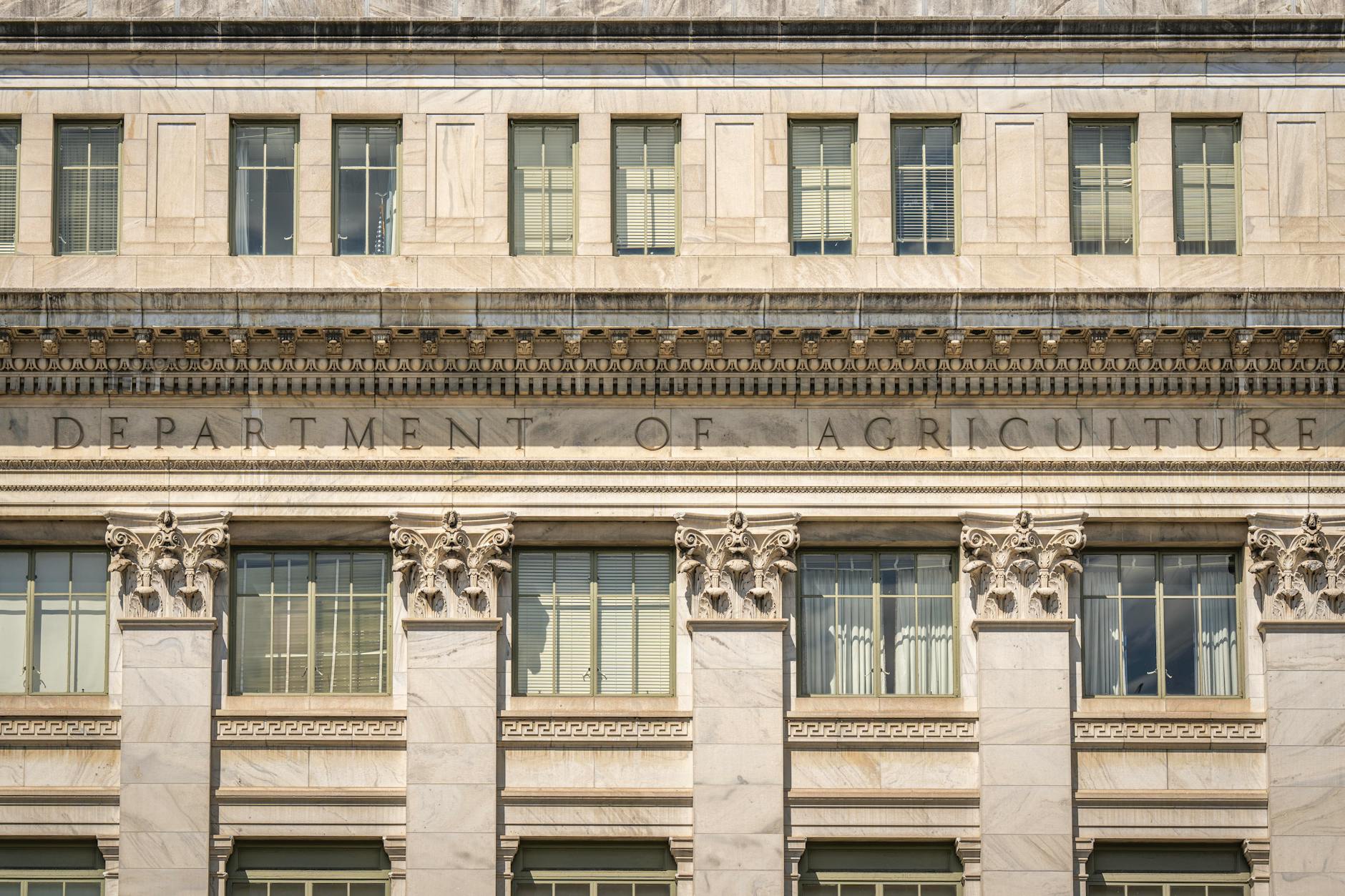

Yes, you can buy a home with zero dollars down if you qualify for a USDA Rural Development loan. The USDA Section 502 Direct Loan Program eliminates the down payment requirement entirely, meaning you only need to cover closing costs—and even those can sometimes be financed into your loan. Unlike conventional mortgages that require 3-20% down, or FHA loans that demand 3.5% minimum, USDA Rural Development loans are specifically designed to help low-to-moderate income borrowers in eligible rural areas purchase homes without substantial upfront capital. For example, a household earning $60,000 annually could buy a $250,000 home in a qualifying rural county with no down payment, whereas that same family would need $7,500-$50,000 down through conventional financing.
The catch isn’t the zero down payment—it’s the eligibility requirements. The USDA restricts these loans to specific rural and small-town areas (excluding suburbs of major metro areas), and your household income cannot exceed 115% of the area’s median income, though loan limits vary by county. Your credit score needs to be reasonable but doesn’t have to be pristine. The trade-off is that USDA loans take longer to close, require a mandatory property appraisal and safety inspection, and charge annual mortgage insurance premiums (called guarantee fees) that add about 0.6% to your annual loan balance each year for the life of the loan.
Table of Contents
- What Exactly Are USDA Rural Development Loans and How Do They Work?
- Income Limits and Eligibility: Who Actually Qualifies?
- The Real Cost: Guarantee Fees, Insurance, and What “Zero Down” Actually Means
- How to Qualify and Apply: A Practical Step-by-Step Process
- Common Pitfalls and Financing Restrictions That Surprise Borrowers
- Comparing USDA Loans to Other Zero-Down and Low-Down Programs
- The Landscape Ahead—USDA Loan Trends and Considerations
- Conclusion
What Exactly Are USDA Rural Development Loans and How Do They Work?
USDA Rural Development loans, officially called section 502 loans, are backed by the U.S. Department of Agriculture and administered through local USDA offices. The government doesn’t lend you money directly in most cases—instead, USDA-approved lenders originate the loan and the USDA guarantees repayment, which removes the lender’s risk. This guarantee structure is what allows lenders to offer zero-down terms; they’re willing to take on the risk because the government is behind them.
The loan is then serviced by the lender, so your monthly payments go to them, not the USDA. The program comes in two main varieties: the Direct Loan (where USDA actually provides the funds) and the Guaranteed Loan (where a bank lends and USDA guarantees it). Direct Loans are for borrowers with the lowest incomes and poorest credit, and they offer more flexible terms but longer processing times—sometimes 45-60 days. Guaranteed Loans close faster (typically 30-45 days) through conventional lenders and represent about 80% of USDA rural loans issued. For example, if you apply for a guaranteed loan through your local bank, that bank will handle underwriting and closing, but the USDA’s guarantee makes them comfortable with your lower down payment and possibly lower credit score.
Income Limits and Eligibility: Who Actually Qualifies?
income limits are the biggest filter for USDA loans. The USDA sets maximum household income thresholds by county—typically 80-115% of the area median income, depending on the specific county and loan type. A county with a median income of $65,000 might cap USDA loan eligibility at $89,000 for a single applicant, but allow $125,000 for a family of four. This means that middle-class households in expensive urban areas would be ineligible, but the same income in a rural county might qualify. The income calculation includes all household members and anyone contributing financially to the home purchase, not just the primary borrower.
The property location is equally restrictive. The USDA publishes an eligible properties list for each county, and generally excludes suburbs within metropolitan statistical areas and towns with populations over 10,000-35,000 (the threshold varies). Many small towns are eligible, but once you move into exurban development around a major city, you’re likely disqualified. A real scenario: a $280,000 rural farmhouse 45 miles from a city might qualify, but an identical home 15 miles from the city in the suburbs would not. Credit scores below 580 are typically automatic denials, though some lenders work with scores between 580-620 with compensating factors, and most prefer 640+. Late payments, foreclosures, and bankruptcies disqualify you for a set period, usually 3 years after the bankruptcy discharge or 7 years after a foreclosure.
The Real Cost: Guarantee Fees, Insurance, and What “Zero Down” Actually Means
Calling these loans “zero down” is technically accurate but misleading about total costs. While you put no money toward the home’s purchase price, you typically pay closing costs of 2-5%, which can be borrowed as part of your loan or sometimes covered by the seller. The USDA guarantee fee (also called the funding fee) starts at 1% of the loan amount if you’re a first-time borrower—on a $200,000 loan, that’s $2,000 added to your balance from day one. Additionally, you’ll pay annual mortgage insurance, currently around 0.6% of the unpaid loan balance yearly, which gets rolled into your monthly payment and lasts for the entire 30-year loan term.
These costs compound significantly. On a $200,000 loan, the annual 0.6% mortgage insurance amounts to $1,200 per year, or about $100 per month. Over 30 years, that’s $36,000 in insurance premiums alone—before interest. Compare this to an FHA loan (which requires 3.5% down but has a one-time upfront insurance premium of 1.75% plus annual premiums of 0.55%, lasting 11+ years for standard loans) or a conventional loan with PMI (private mortgage insurance, usually 0.5-1% annually but dropping off once you have 20% equity). The long-term insurance cost is the real penalty for avoiding a down payment with USDA loans, and it’s worth calculating whether saving 5% down and accepting conventional PMI might actually be cheaper over a 7-10 year ownership period.

How to Qualify and Apply: A Practical Step-by-Step Process
The application process starts with confirming your property is eligible and that your income qualifies for your county. You can check property eligibility using the USDA’s online tool (RD Loan Eligibility Mapper), which is free and takes five minutes. Next, contact USDA-approved lenders in your area—these aren’t exclusively rural banks; many regional and national lenders now originate USDA loans. You’ll complete a standard mortgage application and provide paystubs, tax returns (usually 2 years), bank statements, and identification. The lender will order an appraisal, and here’s a critical difference from conventional loans: USDA appraisals are stricter about property condition. The home must meet USDA minimum property standards (MPS), which are more rigorous than FHA standards.
Common issues that tank USDA appraisals include missing handrails, inadequate grounding on electrical systems, unsafe wells, or roofs with less than 5 years remaining lifespan. A real example: Sarah applied for a $185,000 USDA loan on a 1970s farmhouse with a charming old kitchen and original plumbing. The appraisal came back requiring a new roof (required because it had only 3 years left), upgraded electrical grounding, and new bathroom fixtures to meet MPS—repairs totaling about $18,000. With a conventional loan, the appraiser might have simply noted these issues; with USDA, they’re deal-blockers until fixed. Lenders can sometimes negotiate with sellers to make repairs, or you can request a higher loan amount to finance repairs, but this extends the timeline significantly. The entire process from application to clear-to-close typically takes 35-50 days, considerably longer than conventional loans because of the stricter appraisal process.
Common Pitfalls and Financing Restrictions That Surprise Borrowers
One major surprise: USDA loans have strict debt-to-income ratio limits. Most lenders cap your total monthly debt payments (including the new mortgage) at 41-43% of gross income, and your housing payment alone shouldn’t exceed 29-31%. If you carry $800 in car payments and credit card minimums and earn $4,000 monthly, you only have about $1,300-$1,400 available for a mortgage payment, which limits you to roughly a $220,000 loan. This is more restrictive than some conventional loans that allow 50% debt-to-income ratios, and it’s a hard ceiling, not a guideline. Getting pre-approved is critical before house hunting because finding a home you love, making an offer, and then discovering you don’t qualify is costly and demoralizing.
Additionally, USDA loans require the home to be your primary residence—you cannot use them for investment properties, vacation homes, or second homes. The property must be a single-family home (detached), though some duplexes and triplexes qualify if the borrower will occupy one unit. Manufactured homes can qualify if they meet specific standards, but this varies by lender. There’s also a complication with gift funds: if your down payment (or closing costs) come from a gift, the donor must be a family member and cannot have a financial interest in the property or loan. A friend giving you money doesn’t qualify; a parent must provide the gift and sign documentation proving it’s a gift, not a loan. Finally, the property cannot exceed the USDA’s maximum loan amount for your county, which typically ranges from $200,000 to $375,000 depending on location, meaning you’re confined to rural markets where prices align with these limits.

Comparing USDA Loans to Other Zero-Down and Low-Down Programs
The USDA loan isn’t the only zero-down option available, and understanding the alternatives helps you choose the best fit. VA loans, available to eligible military members and veterans, also offer zero down with no mortgage insurance, making them significantly cheaper over time than USDA loans if you qualify. However, VA loans are geographically unlimited and allow more flexibility on property type, so they’re superior if you’re eligible.
Native American direct loans through USDA also offer zero down, but are restricted to members of federally recognized tribes purchasing on trust lands. FHA loans require 3.5% down, which on a $200,000 home is $7,000—considerably more than USDA but with slightly lower annual insurance rates and a shorter insurance duration (11+ years vs. life of the loan). A side-by-side comparison shows that if you can scrape together 5% down, an FHA loan sometimes costs less over 10 years than the perpetual USDA mortgage insurance.
The Landscape Ahead—USDA Loan Trends and Considerations
USDA loans have grown significantly in popularity, with originations more than doubling from 2015 to 2023, but the program remains underutilized in many regions because lenders are unfamiliar with it or rural property inventory is limited. Interest rates on USDA loans are typically 0.25-0.75% higher than conventional loans, reflecting the additional guarantee fee and insurance costs, though this varies by market and lender. As housing affordability continues to challenge low-to-moderate income borrowers, USDA loans are becoming more visible in the lending landscape, with fintech lenders and national banks increasingly offering them alongside traditional community banks.
The program’s future likely depends on funding levels and policy changes. USDA appropriations have generally remained stable, but expansions to income limits or property eligibility have stalled in recent years. If you’re considering a USDA loan, the current environment favors buyers in stable rural markets with reasonable price growth, where building equity and potentially refinancing to a conventional loan after 7-10 years is feasible. In rapidly appreciating rural markets, a USDA loan can quickly put you in a position to eliminate the mortgage insurance through refinancing, making the perpetual insurance cost a non-issue.
Conclusion
USDA Rural Development loans eliminate the down payment barrier to homeownership for borrowers in eligible rural and small-town areas, making them a genuine opportunity for households that otherwise couldn’t accumulate a down payment. The true cost comes in the form of mandatory mortgage insurance that lasts the life of the loan, income limits that exclude many middle-class households, and strict property standards that can derail deals on homes requiring repairs. The program is most advantageous for first-time buyers with stable income, reasonable credit, and a commitment to rural living who have exhausted down payment savings and don’t qualify for VA loans.
Before applying, verify property eligibility, confirm your income qualifies for your county, get pre-approved by an actual lender (not just an online calculator), and realistically assess whether the long-term insurance cost makes sense compared to saving for a conventional down payment or exploring FHA loans. Talk to multiple USDA lenders—not all have the same interest rates, fees, or flexibility on repair requirements during appraisal. If the numbers work and the property meets your needs, a zero-down USDA loan can be the gateway to homeownership that conventional financing simply cannot offer.