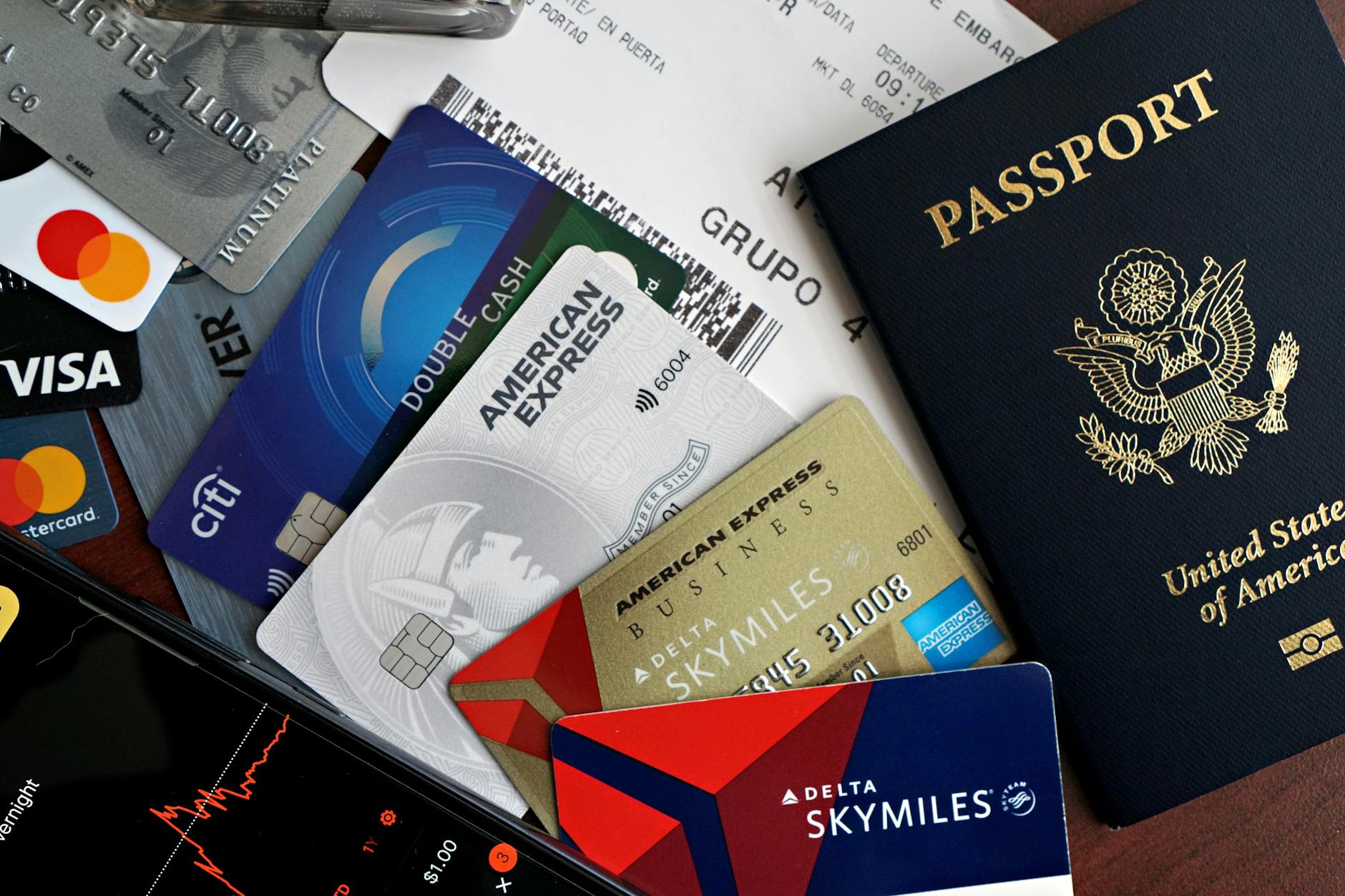

If you fly regularly, the decision between TSA PreCheck and Global Entry comes down to where you travel. For frequent international travelers, Global Entry at $120 for five years offers significantly better value than TSA PreCheck at $76.95–$85, because it includes TSA PreCheck benefits automatically—meaning you pay only $35–$43 more for both programs combined. For someone who takes two international trips yearly and twelve domestic trips, that extra $7–$8.60 per year is negligible compared to the time savings at customs lines. However, if you fly only domestically, TSA PreCheck is the more economical choice and will serve your needs perfectly. The real surprise for many travelers is that Global Entry holders get TSA PreCheck benefits included in their membership at no additional cost.
This fundamental overlap changes the math for anyone considering either program. The decision isn’t really about which is “worth it”—both programs deliver measurable time savings—but rather which one matches your actual travel patterns. Most premium credit cards, including American Express Platinum, Chase Sapphire Reserve, and Capital One Venture, offer annual application fee credits for Global Entry or TSA PreCheck. This makes the choice even more compelling if you already carry a premium card, since the membership becomes essentially free. Before you make a decision, check whether your credit card covers these programs.
Table of Contents
- What Does Each Program Actually Get You?
- The Real Cost Difference Over Five Years
- Who Benefits From TSA PreCheck Alone?
- The International Traveler Math
- The Credit Card Loophole That Changes Everything
- What Happens When You Travel With Family
- The Future of Airport Security and Trusted Traveler Programs
- Conclusion
What Does Each Program Actually Get You?
TSA PreCheck allows you to go through expedited security screening at over 200 U.S. airports when departing on domestic flights. You keep your shoes, belt, and light jacket on, leave your laptop and liquids in your bag, and move through security lines that are genuinely shorter. For someone catching a 6 a.m. flight on a busy Monday, shaving 15 minutes off your airport arrival time means the difference between a rushed morning and a calm one. Global Entry covers expedited customs and immigration screening when you return to the United States from international travel.
Instead of waiting in long lines with hundreds of other passengers after a long flight, you scan your passport, verify your declaration, and move forward—typically in minutes instead of an hour or more. On top of that, Global Entry membership automatically includes TSA PreCheck benefits, so you get accelerated screening on domestic legs of your international trip and on any purely domestic flights you take. Global Entry also provides expedited processing at land borders with Mexico and Canada through the Trusted Traveler program. For a traveler flying New York to London twice yearly and taking six domestic trips per year, the value becomes concrete. You save approximately 15 minutes per domestic flight and 45 minutes per international return—adding up to roughly 8 hours per year in security and customs lines. Even valuing your time at $25 per hour, you’re saving $200 annually in time alone.

The Real Cost Difference Over Five Years
The headline price difference—$120 for Global Entry versus $85 for TSA PreCheck—masks the bigger picture. Spread across five years, that’s $24 per year for Global Entry versus roughly $17 per year for TSA PreCheck. The extra $7 per year is the gap you’re evaluating. But here’s the critical limitation: if you have TSA PreCheck and later decide you need Global Entry, you can’t simply upgrade. You must enroll in Global Entry as a new applicant and pay the full $120 fee. Your TSA PreCheck membership doesn’t carry over or get credited toward Global Entry. This is why timing matters—if there’s any chance you’ll travel internationally in the next five years, it’s often smarter to start with Global Entry.
The upgrade penalty is one of the biggest gotchas in this decision. A traveler who gets TSA PreCheck at age 35 and then scores an international job at 37 will pay $85 for a membership that becomes partially redundant, plus another $120 for Global Entry. That’s $205 total instead of $120. If you think your travel patterns might shift toward international in the next few years, Global Entry from the start makes sense financially. Credit card coverage changes the entire calculation for many people. If your American Express or Chase card covers the $120 Global Entry fee, you’re getting the program for free while still paying for TSA PreCheck out of pocket if you don’t have a covered card. This is one scenario where paying more actually costs you nothing.
Who Benefits From TSA PreCheck Alone?
TSA PreCheck makes the most sense if you can confidently say you won’t travel internationally for the next five years. A regional sales representative who drives to meetings but flies domestically two or three times per year saves meaningful time going through TSA PreCheck lines instead of regular security. That person pays $85 and gets real value without paying for international coverage they won’t use.
Parents who fly with young children often find TSA PreCheck especially valuable. Moving through security faster with kids, without having to remove their shoes or your own, is a concrete improvement in the travel experience. A parent of two taking four family trips per year will genuinely appreciate 10–15 minutes saved per flight. Remote workers and freelancers who take occasional flights to visit clients or attend conferences—maybe two or three trips per year—also land in the TSA PreCheck-only category. The program pays for itself in convenience without the unused international features.

The International Traveler Math
If you take even one significant international trip annually, Global Entry becomes the stronger financial choice. That one international trip typically involves three airport touchpoints: departing domestic security, then international customs/immigration on the return. Factor in a second international trip or frequent business travel abroad, and Global Entry’s $120 fee works out to maybe $8–$10 per airport interaction for the five-year period. The time savings alone—45 minutes on average when returning from international travel—is worth that investment. For someone taking two international trips per year, the comparison becomes stark. That’s six instances per year where Global Entry provides customs benefits.
Over five years, that’s 30 interactions versus zero for TSA PreCheck. Even if you value your time conservatively at $15 per hour, you’re looking at $22.50 in savings per international return, or roughly $675 over five years. The $35 price difference becomes irrelevant. The tradeoff to consider is whether your international travel is consistent. If you take international trips sporadically—one year you travel to Europe twice, the next year you don’t travel internationally at all—both programs still make sense financially, but TSA PreCheck alone covers the years you don’t travel internationally. With Global Entry, you’re paying for capability you won’t use in lighter travel years, though the annual cost remains low.
The Credit Card Loophole That Changes Everything
Many premium credit card issuers have essentially solved the price problem by offering annual TSA PreCheck or Global Entry fee credits. American Express Platinum cardholders get a $240 credit toward Global Entry every four years (it covers the full $120 fee). Chase Sapphire Reserve offers an $100 credit toward TSA PreCheck or Global Entry. Capital One Venture X covers the Global Entry fee entirely. If you carry one of these cards, the decision shifts from “what can I afford” to “which membership aligns with my travel style.” Here’s the limitation: the credit applies only to the fee charged during that membership year.
If you’re not a cardholder when you need to renew, you’ll pay the full price. Additionally, the credit typically reimburses you after you’ve paid, which means you need to cover the enrollment cost upfront. Some travelers find this worthwhile; others prefer programs where the credit applies directly at enrollment. The smartest approach if you don’t currently have a premium card: check whether your existing card offers TSA PreCheck or Global Entry credits before you enroll. If it does, apply for Global Entry and let your card cover the fee. If you don’t have premium card coverage, the $35–$43 price difference over five years justifies choosing based purely on your travel patterns.

What Happens When You Travel With Family
TSA PreCheck and Global Entry memberships are individual, not family plans. If you travel frequently with a spouse or partner, you’ll each need your own membership. A couple taking regular international trips together will pay $240 for two Global Entry memberships over five years—$48 per year combined. Spread across multiple trips, that’s still economical, but it’s worth factoring into your decision if you’re traveling as a household rather than as an individual.
Parents often wonder whether children need separate TSA PreCheck memberships. Children under 18 can go through expedited screening with a TSA PreCheck-approved parent, so if you have the membership, they benefit during domestic travel. For Global Entry, children ages 6 and up need their own membership, which adds to family costs if international travel is frequent. This makes TSA PreCheck slightly more appealing for families with young children taking primarily domestic trips.
The Future of Airport Security and Trusted Traveler Programs
Both TSA PreCheck and Global Entry have been in place for over a decade, and the programs continue to expand. More airports are adding TSA PreCheck lanes, and Global Entry processing has become faster as CBP infrastructure improves. Neither program is going away, and both have shown consistent value to frequent travelers.
The real question going forward isn’t whether these programs will exist but whether even faster alternatives might emerge. Looking ahead, biometric security and mobile credentials could reshape how these programs work, but the core premise—faster screening for known, vetted travelers—isn’t changing. If you’re on the fence about committing to a five-year membership, remember that the programs are stable, widely available, and unlikely to become less valuable even if airport security evolves.
Conclusion
The $85 versus $120 price difference between TSA PreCheck and Global Entry shouldn’t drive your decision alone. What matters is your actual travel pattern over the next five years. If you fly internationally at least once per year, Global Entry pays for itself through time savings and convenience, and you get TSA PreCheck benefits automatically. If you fly only domestically, TSA PreCheck serves you perfectly at a lower price.
The single biggest mistake travelers make is buying TSA PreCheck and then needing Global Entry later, paying double because there’s no upgrade path. Check whether your credit card covers either program before you enroll—many premium cards make the decision financially irrelevant. If you’re unsure about your travel plans, Global Entry is the safer default bet for a five-year commitment because it covers more ground. But if you’re confident in domestic-only travel, TSA PreCheck is the smarter choice. Either way, the enrollment process takes minutes, and the time you save at the airport in year one alone will justify your decision.