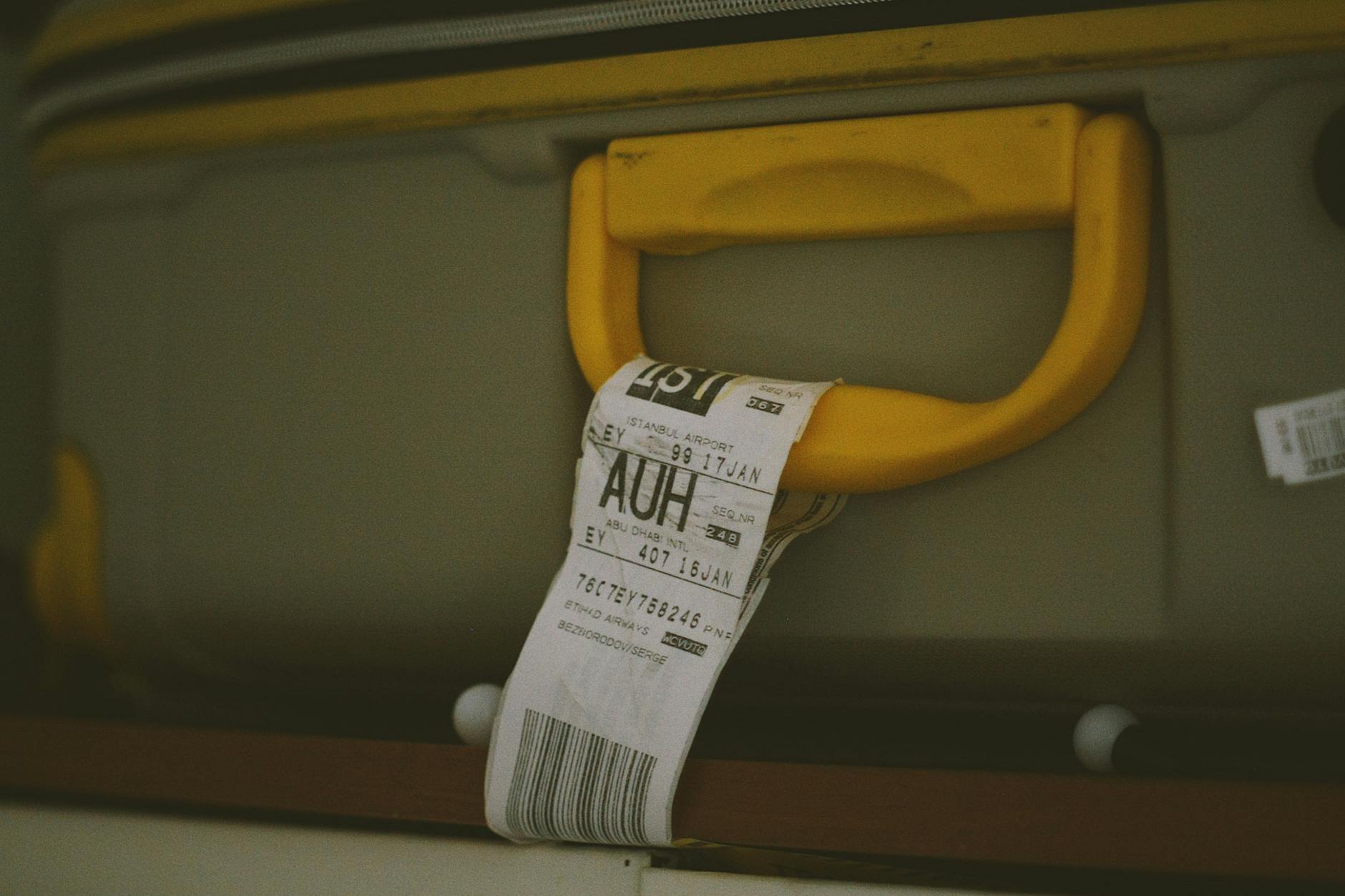

StubHub is technically a legitimate marketplace that has facilitated millions of ticket transactions. However, “legitimate” doesn’t mean safe or reliable. The platform has faced significant legitimacy questions in 2026 specifically because of widespread ticket delivery delays that leave buyers without tickets days before events—and in some cases, no tickets at all. In April 2026, the Federal Trade Commission ordered StubHub to refund $10 million to consumers for deceptive pricing practices where mandatory fees weren’t disclosed upfront, particularly on high-demand NFL tickets. Beyond regulatory penalties, StubHub buyers face real fraud: counterfeit tickets, duplicate listings, account hacking, and sellers who simply vanish when it’s time to deliver.
The evidence suggests you haven’t necessarily been scammed by StubHub as a company, but you could absolutely be scammed by a seller operating on StubHub—and the platform’s systems may not protect you when it happens. The most striking example of StubHub’s delivery problem occurred on March 15, 2026, when a customer who purchased four tickets for $5,154.37 received notification from the seller that delivery was impossible. Rather than a refund, StubHub offered “comparable” replacement tickets six rows further back—a material downgrade that would cost significantly less on the resale market. This wasn’t an isolated incident; Winter Classic 2026 buyers reported never receiving their tickets at all, only inferior seating offers afterward. These aren’t glitches or minor delays—they’re systemic failures where the marketplace’s protection mechanisms don’t actually protect you.
Table of Contents
- The FTC Settlement and What It Means for Your StubHub Purchases
- Documented Ticket Delivery Failures and the Real Cost of Delays
- Account Hacking and Security Fraud on StubHub
- How to Identify Counterfeit Tickets and Duplicate Listings
- The Warning Signs That You Might Be About to Get Scammed
- What to Do If You’ve Been Scammed on StubHub
- The Bigger Picture—Is StubHub Changing After the FTC Settlement?
- Conclusion
The FTC Settlement and What It Means for Your StubHub Purchases
In April 2026, the FTC’s $10 million settlement against StubHub exposed a core legitimacy problem: the company systematically misrepresented ticket prices to consumers. When you saw an NFL ticket advertised for $99, you didn’t see that mandatory fees would push the actual price to $140 or higher. This wasn’t accidental—it was a business practice designed to make prices appear lower in search results and initial listings. The settlement applied specifically to tickets sold starting in mid-May 2025, but it revealed how StubHub prioritizes conversion rates over transparent pricing.
This settlement doesn’t just affect past buyers getting refunds; it demonstrates that StubHub’s business model has sometimes been built on misleading consumers about actual costs. The legitimacy question here is different from “Will StubHub steal my money?” It’s more like “Will StubHub show me the real price before I commit?” The FTC found they wouldn’t. For anyone considering using StubHub in 2026, this means you should mentally add 30-40% to any advertised price when calculating your actual cost, since StubHub’s mandatory fees are substantial and often hidden in the fine print. Comparing this to Ticketmaster’s approach, Ticketmaster displays full all-in pricing upfront by default—though Ticketmaster has its own issues. The practical takeaway: StubHub is legitimate in the sense that it exists and operates legally, but you should approach it with the skepticism you’d apply to any company that has a history of pricing deception.

Documented Ticket Delivery Failures and the Real Cost of Delays
Ticket delivery delays aren’t theoretical or rare—they’re documented and recurring. The January 24, 2026 case mentioned above is one of hundreds filed on complaint boards and with the Better Business Bureau, where StubHub itself maintains a 1.7-star rating based on 363 complaints. In total, the BBB has logged 6,792 complaints against StubHub over the last three years. These aren’t people complaining about convenience; they’re people who purchased tickets for events that are happening in days and received notification that their seller can’t deliver. The warning here is critical: with many events, once your event date passes, your tickets are worthless. A delivery delay of even one week can render your entire purchase useless if the event happens in between.
What makes this worse is how StubHub handles these failures. When a seller can’t deliver, the platform doesn’t immediately refund your money. Instead, they offer “comparable” replacement tickets—which may be in worse sections, further from the stage, or from unreliable sellers themselves. You’re then forced to accept an inferior product or navigate a refund process that can take weeks. The limitation of StubHub’s buyer protection is that it only covers tickets that were never delivered; it doesn’t cover tickets delivered too late to use, counterfeit tickets that won’t scan, or tickets for the wrong date. Winter Classic 2026 attendees learned this the hard way when they showed up to the venue without tickets, having received no notification of a delivery failure until the last minute.
Account Hacking and Security Fraud on StubHub
Beyond delivery problems, StubHub accounts themselves are vulnerable to fraud. In a documented 2026 case, a sports fan lost $1,100 when a hacker gained access to their StubHub account and changed the associated email address and phone number. Once the account was compromised, the attacker routed all funds to an external paypal account registered under a different name. By the time the legitimate account holder realized what happened, the money was gone and the attacker had already liquidated the funds.
This isn’t a delivery delay or a seller dispute—this is a complete account takeover that StubHub’s security infrastructure failed to prevent or quickly reverse. The specific vulnerability here is that StubHub ties your account to an email address and phone number, and if an attacker changes both, you can’t immediately regain control. Account security isn’t just an abstract concern; it’s a real vector for losing thousands of dollars if you maintain a balance on StubHub or have payment methods saved. The warning: if you use StubHub, enable two-factor authentication if available, use a unique password (not reused from other services), and monitor your account regularly for unauthorized changes. This incident also highlights that StubHub’s recovery process for hacked accounts may be slow and incomplete, leaving you responsible for proving you’re the legitimate owner.
How to Identify Counterfeit Tickets and Duplicate Listings
Counterfeit tickets are a growing threat on StubHub specifically because the platform’s verification process only works when the barcode actually scans at the venue. Sophisticated counterfeits now exist with barcodes that look identical to legitimate ones but won’t scan, or will only scan once before becoming invalid. The counterfeit is produced well enough that most people can’t distinguish it visually from the real thing until they arrive at the event and try to scan it. Some sellers—whether acting alone or as part of organized fraud rings—list the same ticket multiple times, selling it to different buyers. One person shows up with the legitimate ticket, and everyone else gets turned away.
A comparison to Ticketmaster’s approach is instructive: Ticketmaster uses digital tickets that are tied to a specific buyer’s account and can’t be transferred without the buyer’s active involvement. StubHub relies on paper or mobile tickets that sellers generate and send to buyers, creating more opportunities for duplication and counterfeiting. To protect yourself on StubHub: (1) Purchase only from sellers with extensive positive ratings and long account histories. (2) Request the ticket image before purchase if possible, and verify it matches the event details. (3) Plan to arrive at the venue early enough to test-scan your tickets before crowds arrive, so you have time to contact StubHub support if something is wrong. (4) Never purchase extremely discounted tickets for high-demand events, as the price reduction often indicates something is wrong.
The Warning Signs That You Might Be About to Get Scammed
Several red flags suggest a StubHub listing is high-risk. First, sellers offering prices significantly below market rate for high-demand events are often too good to be true. A Coachella ticket selling for 40% below face value in April 2026 wasn’t a bargain—it was likely counterfeit or a duplicate listing. Second, new sellers with no transaction history should raise immediate suspicion. StubHub’s system doesn’t distinguish between a 10-year seller with 5,000 perfect transactions and a brand-new seller with zero feedback, so you have to do this analysis yourself.
Third, sellers offering to transfer tickets outside of StubHub’s system—through email, text, or direct contact—are circumventing the platform’s (limited) protections entirely. The limitation of StubHub’s built-in protections is that they only work if you catch the problem before the event. If you don’t test your tickets until you’re at the venue and discover they’re counterfeit, StubHub’s refund process may not even help because the event has already occurred. Another warning: StubHub’s buyer protection typically covers the ticket price but not secondary losses—if you purchased counterfeit Coachella tickets and lost the ticket cost plus hotel and travel expenses, StubHub will only refund the ticket portion. Read the seller’s cancellation policy before purchasing; if it says “no refunds,” you have very limited recourse if the seller vanishes or fails to deliver.
What to Do If You’ve Been Scammed on StubHub
If you discover you’ve been scammed—whether through non-delivery, counterfeits, or account fraud—your first step is to file a claim through StubHub’s Resolution Center within a specific timeframe (usually 14 days of the event). Document everything: screenshots of the listing, the seller’s profile, your messages with the seller, the event date, and your payment confirmation. StubHub will investigate and either force the seller to provide the tickets, offer you a replacement from StubHub’s own inventory, or issue a refund. The catch: this process can take weeks, which is useless if the event already happened.
For account hacking specifically, immediately change your password from a different device, contact StubHub support to report the compromise, and monitor your payment methods for fraudulent activity. If StubHub’s resolution process fails, file a complaint with the BBB, which maintains StubHub’s complaint record and can put pressure on the company to resolve disputes. You can also dispute charges with your credit card company if you paid by credit card—this gives you another avenue for recovery even if StubHub refuses to help. For serious fraud involving account takeover, consider reporting it to your local law enforcement and the FBI’s Internet Crime Complaint Center (IC3). These steps don’t guarantee recovery, but they create a documented record that may support your case.
The Bigger Picture—Is StubHub Changing After the FTC Settlement?
The $10 million FTC settlement in April 2026 signals that regulatory oversight of StubHub is increasing and that the company faces real consequences for deceptive practices. This may pressure StubHub to improve transparency and consumer protections going forward. However, the settlement also reveals a gap: the FTC’s enforcement is reactive, addressing past conduct, not preventing future fraud. The systemic issues—delivery failures, counterfeit tickets, account hacking—are ongoing problems that fines alone haven’t solved.
Going forward, watch whether StubHub invests in seller verification, buyer protections, and account security improvements, or whether the company continues prioritizing transaction volume over buyer safety. The future of StubHub’s legitimacy depends on whether the company implements stronger protections or simply absorbs the occasional $10 million settlement as a cost of doing business. For consumers in 2026, this means treating StubHub as a valid marketplace with documented risks, not a trusted platform. Competitor platforms like Ticketmaster’s resale option and Facebook Marketplace for tickets may offer different risk profiles, though they have their own limitations.
Conclusion
Is StubHub legitimate? Yes, it’s a real company operating with legal oversight. Will you definitely get scammed? No—millions of transactions complete successfully. But the 6,792 BBB complaints, the $10 million FTC settlement, the documented cases of non-delivery, counterfeits, and account fraud, and the Winter Classic 2026 buyers who never received their tickets paint a clear picture: StubHub is a marketplace where scams are frequent enough and buyer protections weak enough that you should approach each purchase carefully. The platform’s legitimacy is not in question; your protection when something goes wrong very much is.
Before purchasing on StubHub, assume the risk is yours to manage. Verify seller history rigorously, plan to test-scan tickets before the event, budget for the full all-in price including fees, and have a backup plan if tickets never arrive. The $10 million settlement means StubHub has been caught deceiving consumers about prices; the ongoing delivery failures and fraud cases mean you can’t rely on the platform to protect you if a seller fails. Use StubHub with eyes wide open, not with trust.
You Might Also Like
- Groupon Legit Check 2026: The Voucher Fine Print That Confuses Buyers and Why Some Deals Feel Like a Scam
- Aura Legit Check 2026: What You Actually Get for the Price, Which Features Matter Most, and Whether It’s Worth It
- Affirm Legit Check 2026: What Happens When You Return an Item but the Loan Keeps Charging and How to Fix It