

The single highest paying bank bonus available in March 2026 is the Chase Private Client offer, which pays up to $3,000 for depositing $500,000 or more into a new account. But you do not need half a million dollars sitting around to walk away with a meaningful bonus this month. Several banks are offering between $400 and $600 for opening a checking account with a qualifying direct deposit, and a handful of savings promotions will pay you $1,500 or more if you can park a larger sum for a few months. The current landscape is one of the strongest we have seen for sign-up promotions in recent memory, and even someone with modest income can realistically grab $200 to $400 in free money before spring is over. This article breaks down every notable bank bonus available right now, organized by payout size so you can find the right fit for your financial situation.
We will walk through the top-tier offers requiring large deposits, the mid-range checking bonuses that most working adults can qualify for, and the lower-barrier options that ask for almost nothing beyond opening an account and setting up direct deposit. We will also cover the tax implications, the fine print that trips people up, and a strategy for stacking multiple bonuses without running afoul of the rules. Beyond the raw dollar amounts, the real question is which of these bonuses actually makes sense for you. A $3,000 bonus sounds incredible until you realize your $500,000 could be earning more in a high-yield savings account or brokerage. A $400 checking bonus is genuinely excellent if you were going to switch banks anyway, but less appealing if you have to maintain a $15 monthly fee account for six months to avoid a clawback. We will sort through all of that below.
Table of Contents
- Which Bank Bonuses Pay the Most in March 2026?
- Mid-Range Checking Bonuses Worth Pursuing — and When They Are Not
- Best Low-Barrier Bank Bonuses for Beginners and Smaller Budgets
- How to Stack Multiple Bank Bonuses Without Getting Burned
- Tax Implications and Clawback Rules You Cannot Ignore
- Savings Account Bonuses Versus Checking Account Bonuses
- What to Expect From Bank Bonuses Later in 2026
- Conclusion
- Frequently Asked Questions
Which Bank Bonuses Pay the Most in March 2026?
The top tier of bank bonuses this month is dominated by offers that require substantial deposits. Chase Private Client leads the pack with a tiered structure: $1,000 for depositing between $150,000 and $249,999, $2,000 for $250,000 to $499,999, and $3,000 for $500,000 or more. Wells Fargo follows with up to $2,500 for high-balance accounts, and E*TRADE’s Premium Savings account offers up to $2,000 with the added benefit of a 3.75% APY and no monthly fees — though you need to deposit at least $20,000 within 30 days and keep it there for 45 days. Capital One 360 rounds out the four-figure club with up to $1,500 in savings bonuses. These numbers are eye-catching, but context matters.
The Chase Private Client bonus of $3,000 on a $500,000 deposit works out to a 0.6% return over the bonus period. That is on top of whatever interest the account itself pays, so it can still be worthwhile if you need a banking relationship with Chase anyway. But if you are simply chasing the highest percentage return on your deposit, the E*TRADE offer is more interesting for smaller balances. Depositing $20,000 to earn a bonus plus 3.75% APY is a far more accessible path for most households, and the lack of monthly fees means there is no hidden cost eating into your payout. For comparison, Wells Fargo also has a separate promotion offering $325 to new checking customers, which is available independently of the high-balance $2,500 offer. This is notable because it means even if you cannot meet the requirements for the premium bonus, Wells Fargo still has something on the table for everyday banking customers.

Mid-Range Checking Bonuses Worth Pursuing — and When They Are Not
The sweet spot for most people falls in the $400 to $600 range, where several national banks are competing aggressively for new checking customers. Huntington National Bank currently offers $600 if you open a Platinum Perks Checking account and deposit $25,000 in new-to-Huntington funds within 90 days. If that deposit amount is too steep, they also have a $400 option through their Perks Checking account that requires just $500 or more in direct deposits within 90 days. Other strong mid-range offers include Bank of America’s Advantage Plus Banking at up to $500 (tiered based on direct deposit volume: $100 for $2,000 in direct deposits, $300 for $5,000, or $500 for $10,000 within 90 days), KeyBank’s Key Select Checking at $500 with $5,000 in eligible direct deposits within 90 days, and Chase Total Checking at $400 with a minimum $1,000 direct deposit. BMO Smart Advantage Checking offers $400 with $4,000 in qualifying direct deposits within 90 days, and PNC’s Virtual Wallet with Performance Select pays $400 if you hit $5,000 in direct deposits within 60 days.
However, if you are drawn to these offers purely for the bonus, pay close attention to the monthly maintenance fees. Many of these checking accounts charge $10 to $25 per month unless you maintain a minimum balance or meet ongoing direct deposit requirements. A $400 bonus on an account with a $25 monthly fee that you keep open for the required six months to avoid clawback costs you $150 in fees, cutting your effective bonus to $250. Always calculate the net gain after fees before committing. The U.S. Bank Smartly Checking bonus of up to $450 is worth mentioning here, but it is only available in select states and regions, so confirm your eligibility before getting excited about it.
Best Low-Barrier Bank Bonuses for Beginners and Smaller Budgets
Not everyone has $5,000 in monthly direct deposits or $25,000 in spare cash to park at a new bank. Fortunately, several March 2026 promotions set the bar low enough that nearly anyone with a paycheck can qualify. Chase Secure Banking offers $125 with no minimum direct deposit required, making it the easiest bonus on this list to earn. You literally open the account, and the bonus follows. For someone who has never done a bank bonus before, this is a sensible starting point. sofi Checking and Savings pays up to $300 depending on your direct deposit amount, with no monthly fees and 0.50% APY on checking balances.
The no-fee structure is important here — SoFi will not nickel-and-dime you while you wait for the bonus to post. TD Complete Checking offers $200 with a $500 minimum direct deposit, which most people with any employment can meet with a single paycheck. Barclays Tiered Savings also pays $200, but the requirement is steeper: deposit $30,000 or more within 30 days and maintain that balance for 120 consecutive days, with the bonus paid within 60 days after you meet the terms. The Barclays offer is a good example of why you should read beyond the headline number. A $200 bonus sounds modest, but the $30,000 deposit requirement and four-month hold period make it one of the least efficient offers on this list in terms of return on capital. You would be better off putting that $30,000 into a high-yield savings account earning 4% or more, which would generate roughly $400 in interest over the same period. The $200 Barclays bonus only makes sense if the account also offers a competitive interest rate on top of the bonus.

How to Stack Multiple Bank Bonuses Without Getting Burned
One strategy that frugal-minded depositors have used for years is bonus stacking — opening accounts at multiple banks simultaneously to collect several bonuses in the same quarter. In theory, you could open a Chase Total Checking ($400), a Huntington Perks Checking ($400), and a SoFi account (up to $300) in March and walk away with over $1,000 in bonuses by summer. The math works, but the execution requires planning. The primary tradeoff is complexity versus reward. Each account needs its own direct deposit, which means you either need to split your paycheck across multiple banks or use the workaround of initiating ACH transfers from another account, which some banks accept as qualifying direct deposits and others do not. Chase and Huntington generally require employer-initiated direct deposits, while SoFi has historically been more lenient about what counts.
You also need to track the specific timelines — Chase wants the deposit within 90 days of account opening, PNC gives you only 60 days, and each bank has its own clawback window, typically six months, during which you must keep the account open or forfeit the bonus. The other consideration is your ChexSystems report. Every time you open a new bank account, an inquiry is recorded. Opening five accounts in one month will not wreck your banking history the way five credit card applications might affect your credit score, but some banks do decline applicants who have opened too many accounts recently. If you plan to stack, spacing your applications two to three weeks apart is a reasonable precaution. And always confirm that you qualify as a “new customer” — most of these bonuses are only available to people who have not held an account at that bank within the past 12 to 24 months.
Tax Implications and Clawback Rules You Cannot Ignore
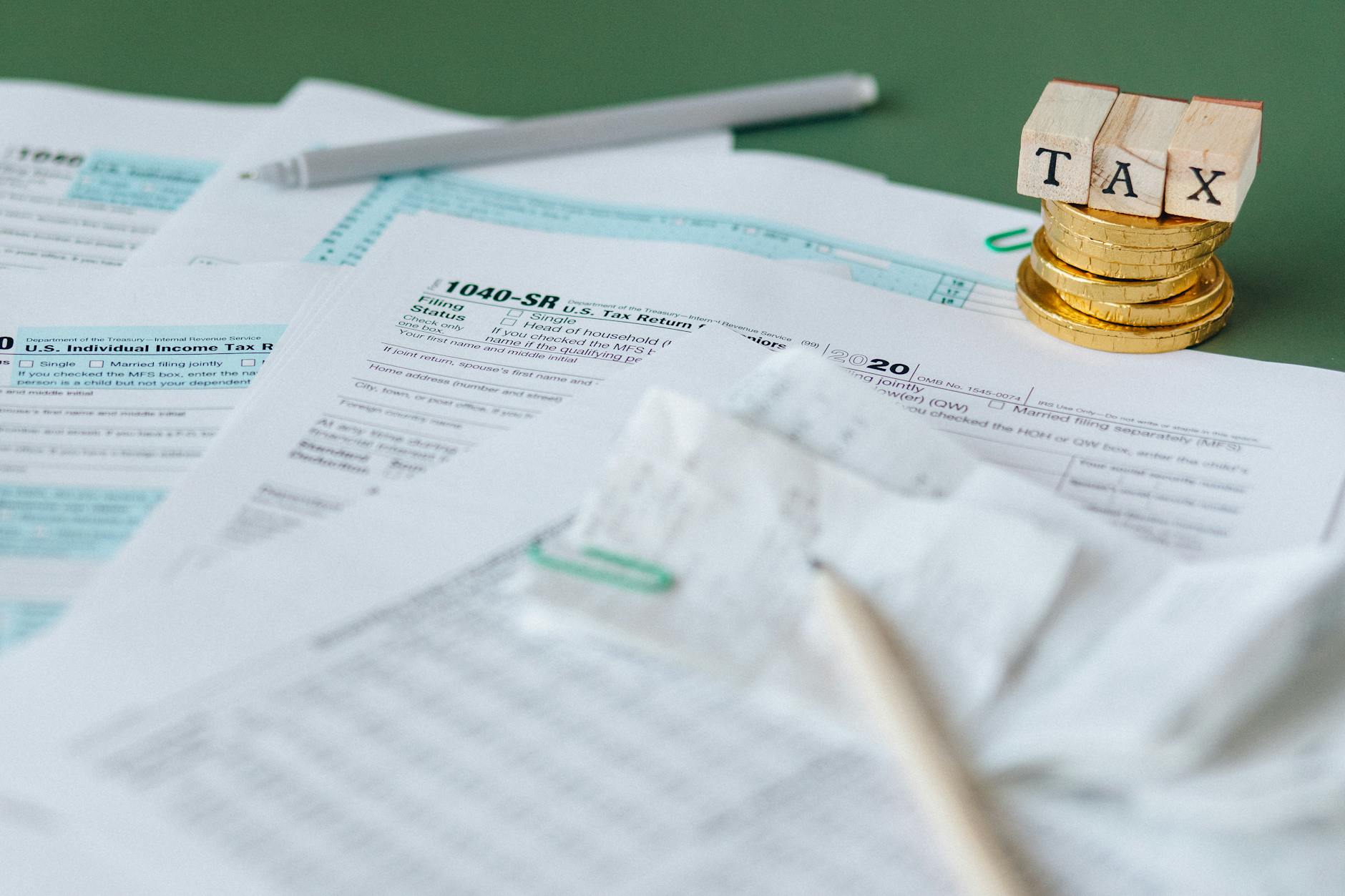
Every bank bonus on this list is taxable income. Banks report bonuses on a 1099-INT or 1099-MISC form, and the IRS expects you to include them on your tax return for the year in which you receive the payout. A $600 Huntington bonus will likely cost you somewhere between $90 and $200 in additional federal taxes depending on your bracket, so your real take-home is less than the advertised number. State taxes may apply as well. This is not a reason to skip bonuses — it is simply a reason to budget accurately and not spend the full amount assuming none of it is owed.
The clawback rules are the other landmine. Nearly every bank requires you to keep the account open for a minimum period, usually six months, after receiving the bonus. Close early and they will debit the bonus amount from your account or send you a bill. Some banks also claw back the bonus if your balance drops below a certain threshold or if you stop meeting direct deposit requirements before the holding period ends. Huntington, for example, specifies that the deposited funds must be “new to Huntington,” meaning you cannot just transfer money from an existing Huntington savings account into the new checking account to trigger the bonus. Read the terms carefully, because the definition of “qualifying activity” varies by institution and getting it wrong means doing all the work for zero payout.
Savings Account Bonuses Versus Checking Account Bonuses
It is worth distinguishing between checking and savings bonuses because they work differently and suit different situations. Checking bonuses like Chase Total Checking’s $400 offer typically require direct deposits, which means routing your paycheck to the new account. This is relatively painless if you are switching banks anyway, but it creates friction if you are happy with your current checking setup. Savings bonuses like E*TRADE’s $2,000 offer or Capital One 360’s $1,500 bonus instead require you to deposit a lump sum and leave it parked for a set period.
There is no paycheck rerouting involved, but you need liquid cash available. For someone who already has an emergency fund sitting in a low-yield account, a savings bonus can be the easier play. Move your $20,000 emergency fund to E*TRADE, earn the bonus plus 3.75% APY for the required period, then move it back or keep it there. You have not changed your day-to-day banking at all. Checking bonuses, on the other hand, are better for people who are genuinely shopping for a new primary bank or who have the flexibility to manage direct deposits across multiple institutions.
What to Expect From Bank Bonuses Later in 2026
Bank bonus offers tend to follow a seasonal rhythm. The current batch of March promotions is strong partly because banks are competing for customers during tax refund season, when millions of Americans have fresh cash to deposit. Historically, bonus offers dip slightly in late spring before picking back up in the fall as banks push to hit year-end account targets. If you are not ready to act in March, there will likely be comparable offers in September and October, though the specific banks and amounts will shift.
The broader trend is worth watching too. As long as interest rates remain elevated, banks have more room to offer generous bonuses because they can earn a spread on the deposits you bring in. If rates begin to fall more aggressively later in 2026, expect bonus amounts to shrink as well. The current environment — where you can earn a $400 checking bonus and 3.75% or more on savings — is unusually favorable, and it would be reasonable to take advantage of it while conditions last rather than waiting for an even better deal that may not come.
Conclusion
March 2026 offers a genuinely strong lineup of bank bonuses across every budget level. At the top end, Chase Private Client’s $3,000 and E*TRADE’s $2,000 reward large depositors handsomely. In the middle, Huntington’s $600, Bank of America’s $500, and Chase Total Checking’s $400 are all realistic targets for anyone with a regular paycheck and some patience with direct deposit requirements. And at the entry level, Chase Secure Banking’s $125 asks almost nothing of you.
The key is matching the offer to your actual financial situation rather than chasing the biggest number on the page. Before you open any account, confirm that you qualify as a new customer, calculate the net bonus after monthly fees and taxes, and mark the clawback deadline on your calendar. Set up the required direct deposits immediately — do not wait until week 11 of a 90-day window. If you are methodical about it, bank bonuses are one of the simplest ways to add a few hundred dollars to your bottom line each year with minimal risk and no ongoing commitment beyond keeping an account open for six months.
Frequently Asked Questions
Are bank sign-up bonuses really free money?
They are real money, but not entirely free. You typically need to meet specific requirements like setting up direct deposits or maintaining a minimum balance. You will also owe income taxes on the bonus. That said, if you meet the requirements without changing your normal financial behavior, the bonus is about as close to free money as you will find.
Do bank bonuses affect my credit score?
Opening a bank account generally does not affect your credit score because most banks use ChexSystems, not the major credit bureaus, to screen applicants. However, a few banks do perform a soft or hard credit inquiry, so check before applying if your credit score is a concern.
How long does it take to receive a bank bonus after meeting the requirements?
It varies widely. Some banks pay within a few weeks of meeting the requirements, while others take 60 to 90 days. Barclays, for example, pays its $200 bonus within 60 days after you have maintained the required balance for 120 consecutive days. Always check the specific terms so you know when to expect the payout.
Can I open multiple accounts at different banks to earn several bonuses?
Yes, and many people do. There is no rule against holding accounts at multiple banks simultaneously. The main challenges are managing multiple direct deposits and keeping track of each bank’s specific timeline and requirements. Start with two or three if you have not done this before.
What happens if I close my account early after getting the bonus?
Most banks will claw back the bonus if you close the account within six months of opening it. Some extend this period to 12 months. The bank will either debit the bonus amount from your remaining balance or send you a bill for it.
Do I have to report bank bonuses on my taxes?
Yes. Bank bonuses are considered taxable income by the IRS. The bank will send you a 1099-INT or 1099-MISC form, and you are required to report the amount on your federal tax return. Depending on your state, you may owe state income tax on the bonus as well.