
Buying rice, oats, beans, pasta, frozen vegetables, cooking oil, flour, canned tomatoes, nuts, and coffee in bulk instead of in small packages can save a household between $400 and $600 per year, depending on family size and local pricing. The math is straightforward: bulk versions of these staples typically cost 30 to 50 percent less per unit than their individually packaged counterparts. A family that spends $12 a month on small bags of rice, for instance, can cut that to around $5 by purchasing a 25-pound bag every few months, saving roughly $84 a year on that single item alone.
This article breaks down each of the ten foods worth buying in bulk, with realistic price comparisons and annual savings estimates. It also covers the practical side that most bulk-buying guides skip: how to store these items so they actually last, which foods are not worth buying in large quantities, and how to avoid the common trap of spending more money simply because you bought more food. If you have limited pantry space or a tight grocery budget, there are specific strategies here for making bulk buying work without waste.
Table of Contents
- Which Foods Save You the Most Money When Bought in Bulk?
- How to Calculate Your Real Savings Before You Spend More Upfront
- Proper Storage That Prevents Waste and Keeps Food Safe
- Bulk Buying Without a Warehouse Membership
- Foods You Should Not Buy in Bulk
- Meal Planning Around Bulk Staples
- Where Bulk Buying Fits in a Broader Grocery Budget Strategy
- Conclusion
- Frequently Asked Questions
Which Foods Save You the Most Money When Bought in Bulk?
Not all bulk purchases deliver equal savings. The biggest per-unit price drops tend to show up with dry goods that have long shelf lives: white rice, dried beans, rolled oats, and all-purpose flour. At most grocery warehouse stores, a 25-pound bag of long-grain white rice runs about $12 to $15, which works out to roughly $0.50 per pound. That same rice in a two-pound bag at a conventional grocery store costs $2.50 to $3.50, or about $1.50 per pound. Over a year, a family that goes through two pounds of rice a week saves approximately $100 just on rice. Dried beans follow a similar pattern.
A 10-pound bag of pinto or black beans from a bulk retailer costs around $8, compared to about $1.80 for a one-pound bag at a regular store. Oats bought in large canisters or bulk bins run $0.08 to $0.12 per ounce versus $0.20 or more per ounce in those single-serving packets, which also load in sugar. Coffee is another standout: a three-pound canister of ground coffee at a warehouse store costs roughly $14 to $18, while the equivalent weight in standard 12-ounce bags would run $24 to $30. Pasta, cooking oil, and canned tomatoes round out the top tier. A case of 12 cans of crushed tomatoes bought at bulk pricing saves roughly $6 to $8 compared to buying them one at a time. Vegetable or canola oil in a gallon jug typically costs 40 percent less per ounce than the same oil in a 24-ounce bottle. The combined savings across all ten items add up quickly, but only if you actually use what you buy before it goes bad.

How to Calculate Your Real Savings Before You Spend More Upfront
The savings estimates above assume you consume these foods regularly and store them properly. However, if your household only uses a cup of rice every couple of weeks, a 25-pound bag is going to sit in your pantry for over a year, and the upfront cost ties up money you could use elsewhere. The key calculation is simple: divide the bulk price by the number of units, compare it to the per-unit price at your regular store, then multiply the difference by how many units you actually use in a year. A useful exercise is to track your grocery receipts for two or three weeks before committing to a warehouse membership or a large bulk order. Look specifically at how often you buy each of the ten staple items and in what quantities. Some people discover that they already buy certain things in reasonably large sizes, which shrinks the potential savings.
Others find that they spend $3 here and $4 there on small packages of oats, beans, or pasta multiple times a month, which is where bulk pricing makes the biggest dent. One important caveat: warehouse club memberships cost $50 to $65 a year. If you are buying bulk staples only and nothing else at these stores, you need to save at least that much just to break even on the membership. For many families, the math works out comfortably. For a single person with modest consumption, buying from bulk bins at a regular grocery co-op or ordering larger sizes online during sales may be a better route.
Proper Storage That Prevents Waste and Keeps Food Safe
Buying 20 pounds of flour is a waste of money if half of it ends up infested with pantry moths or goes rancid before you use it. Storage is where bulk buying either pays off or falls apart. White rice, dried beans, and pasta are the most forgiving: stored in airtight containers in a cool, dry place, they last one to two years with no loss in quality. Five-gallon food-grade buckets with gamma seal lids are a popular option for serious bulk buyers and cost about $8 to $12 each. Flour and oats are more vulnerable. Whole wheat flour can go rancid within three months at room temperature because of its higher oil content.
White flour lasts longer, about a year, but it still attracts insects if left in its paper bag. Transferring flour and oats into sealed containers immediately after purchase, and storing them in a cool area or even the freezer, extends their life significantly. A chest freezer, if you have one, can hold several bags of flour and oats and effectively pause their shelf clock. Nuts and coffee are the two items on this list most sensitive to staleness. Whole nuts stay fresh for about four months in the pantry and up to a year in the freezer. Ground coffee begins losing flavor within two weeks of being opened, so buying a three-pound can only makes sense if you drink coffee daily. A better approach for lighter coffee drinkers is to buy whole beans in bulk and grind them as needed, which preserves flavor for months longer.
Bulk Buying Without a Warehouse Membership
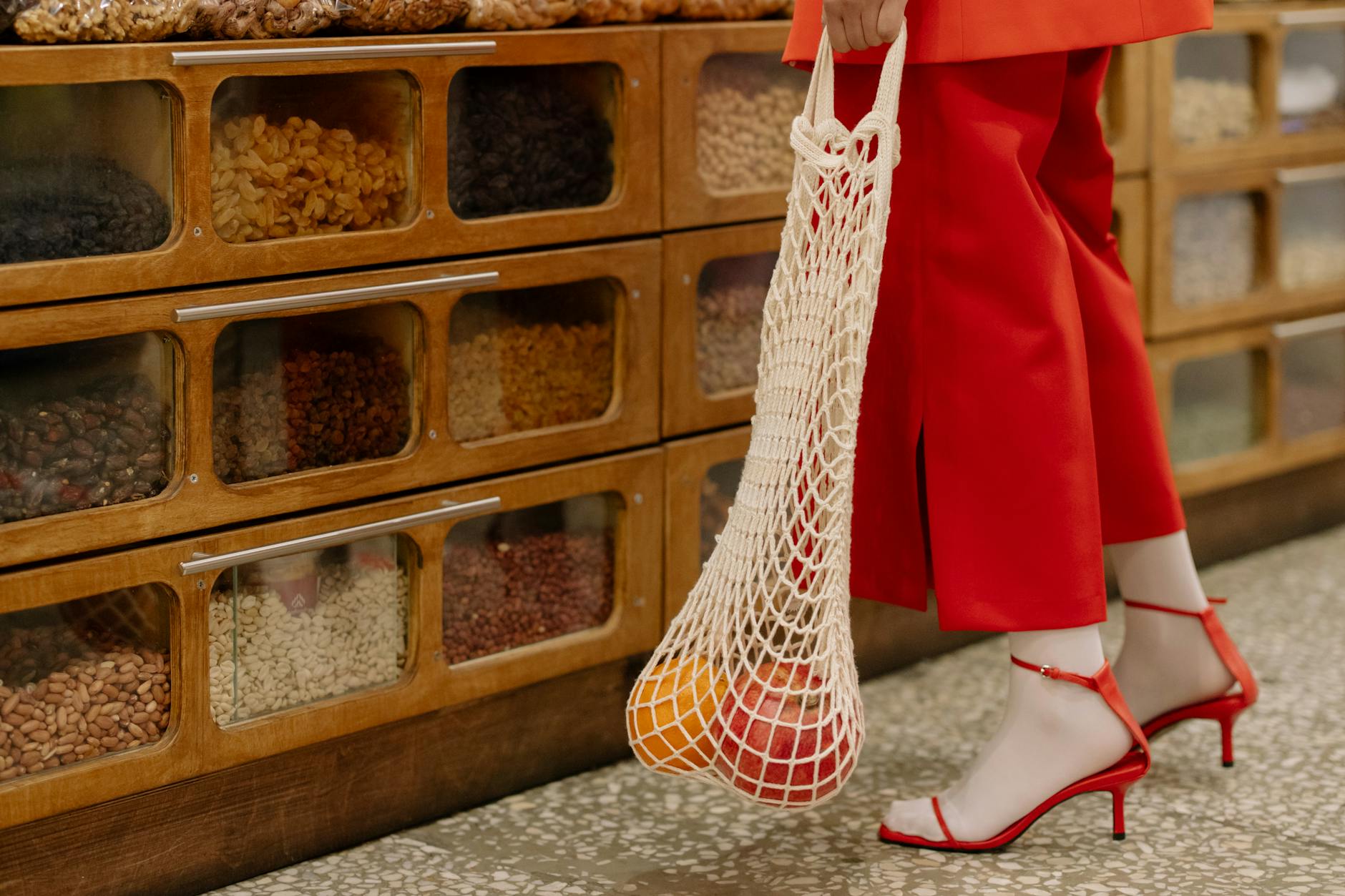
Costco and Sam’s Club are the most obvious bulk-buying destinations, but they are not the only options, and for some people they are not even the best ones. Grocery co-ops and natural food stores often have bulk bin sections where you can buy exactly the amount you need at bulk pricing. You scoop your own oats, rice, beans, lentils, flour, and nuts, pay by the pound, and skip the packaging markup entirely. Prices at bulk bins are frequently comparable to warehouse stores, sometimes lower for specialty items like organic oats or raw almonds. Online retailers offer another path. Amazon, Walmart’s online grocery, and specialty sites like Azure Standard sell staples in large quantities with free or low-cost shipping above certain thresholds.
The tradeoff is that you cannot inspect the product before buying, and shipping delays mean you need to plan further ahead. Ethnic grocery stores are an underrated option for rice, beans, spices, and cooking oils. A 20-pound bag of jasmine rice at an Asian grocery store is frequently cheaper than the same weight at a warehouse club, and the selection is often better. The real comparison is not just price per pound but total cost of access. A warehouse membership requires an annual fee and usually a car trip to a location outside your normal shopping route. Bulk bins at a local co-op cost nothing extra to access but may have slightly higher prices on some items. The best strategy for most people is a hybrid: buy the heaviest, most price-sensitive items where the per-unit savings are greatest, and fill in with regular grocery store purchases for everything else.
Foods You Should Not Buy in Bulk
The enthusiasm for bulk savings can lead people into buying large quantities of foods that spoil, go stale, or simply do not get eaten. Cooking oils are on the recommended list above, but even they have limits. A gallon of olive oil is a poor bulk buy for most households because olive oil degrades noticeably after about six months once opened, and a gallon takes the average family well over a year to finish. Stick with bulk canola or vegetable oil, and buy olive oil in smaller bottles. Spices are another trap. Ground spices lose their potency within six months to a year, so buying a one-pound bag of ground cumin when you use a teaspoon at a time means most of it will be flavorless before you reach the bottom.
Whole spices last longer but still have limits. Snack foods, crackers, and cereals go stale quickly once opened and tend to get eaten faster simply because there is more of them around, which negates the savings. Anything your household eats only occasionally should be bought in normal quantities regardless of the per-unit discount. Fresh produce, dairy, and bread are obvious exclusions, but it is worth stating plainly: no amount of per-unit savings matters if food ends up in the trash. The USDA estimates that the average American household throws away about 30 percent of the food it buys. Bulk buying amplifies this problem if you are not disciplined about storage and meal planning. The ten items on this list were chosen specifically because they are shelf-stable, used frequently in most kitchens, and resistant to spoilage when stored correctly.

Meal Planning Around Bulk Staples
One of the secondary benefits of stocking up on these ten items is that they form the backbone of dozens of inexpensive meals. Rice and beans together make a complete protein and cost roughly $0.30 per serving when bought in bulk. Pasta with canned tomatoes, a splash of oil, and whatever vegetables are on hand is a dinner that costs under a dollar per plate.
Oats are not just breakfast: they work as a binder in meatloaf, a thickener in soups, and a base for homemade granola bars. Building a weekly meal plan around your bulk staples reduces the number of last-minute grocery trips, which is where most budget leakage happens. Studies from the Food Marketing Institute have found that unplanned grocery visits result in an average of $20 to $30 in impulse purchases each time. If bulk staples in your pantry eliminate even one extra trip per week, that is another $80 to $120 a month in avoided spending that never shows up in a simple price-per-pound comparison.
Where Bulk Buying Fits in a Broader Grocery Budget Strategy
Bulk buying staples is one piece of a larger system, not a standalone solution. It pairs well with loss-leader shopping, where you buy sale items at steep discounts from regular grocery stores and skip everything at full price. It also complements seasonal produce buying and freezing, which addresses the fresh food side of your budget that bulk dry goods cannot touch.
Looking ahead, grocery prices have been volatile since 2022, and food economists expect staple prices to remain elevated compared to pre-pandemic levels. Locking in lower per-unit costs on shelf-stable foods is a hedge against future price increases, especially for rice, cooking oil, and canned goods, which are sensitive to global commodity markets. The households that save the most are not the ones who buy everything in bulk. They are the ones who buy the right ten or fifteen items in bulk and shop strategically for everything else.
Conclusion
The ten foods that deliver the most consistent bulk savings are rice, oats, dried beans, pasta, frozen vegetables, cooking oil, all-purpose flour, canned tomatoes, nuts, and coffee. Bought in large quantities and stored properly, these staples can reduce a household’s annual grocery spending by $400 to $600. The savings come from eliminating packaging markups, reducing per-unit costs by 30 to 50 percent, and cutting down on the impulse-heavy quick trips to the store that drain budgets quietly. Start with two or three items you already use every week.
Buy them in the largest quantity you can store and consume within their shelf life. Track what you spend over the next month and compare it to your previous grocery receipts. Once you see the numbers, expanding to the full list of ten is an easy decision. The upfront cost is higher on any single trip, but the annual math favors bulk buying decisively for these particular foods.
Frequently Asked Questions
Do I need a Costco or Sam’s Club membership to buy food in bulk?
No. Grocery co-ops with bulk bins, ethnic grocery stores, and online retailers like Azure Standard all offer bulk pricing without membership fees. Warehouse clubs are convenient but not the only option.
How long does white rice last in bulk storage?
White rice stored in an airtight container in a cool, dry location lasts up to two years with no meaningful loss in quality. Brown rice has a shorter shelf life of about six months due to its higher oil content.
Is it worth buying frozen vegetables in bulk?
Yes, if you have freezer space. Frozen vegetables are flash-frozen at peak nutrition and cost 40 to 60 percent less in large bags compared to small packages. They do not degrade in quality as long as they stay frozen.
What is the best container for storing bulk dry goods?
Food-grade five-gallon buckets with gamma seal lids are the most cost-effective option for large quantities. For smaller amounts, glass jars or heavy-duty plastic containers with tight-fitting lids work well and keep pests out.
Will bulk buying actually save money if I live alone?
It can, but the savings are smaller and the risk of waste is higher. Focus on the longest-lasting items like rice, beans, and pasta, and consider splitting bulk purchases with a friend or neighbor.