

Yes, you can throw a genuinely great birthday party for under $100—and it won’t feel cheap or poorly executed. The key is strategic spending on what actually matters to your guests: food, a few decorations, and entertainment. Most people overspend on parties because they treat all expenses equally when they should prioritize impact. For example, a $40 homemade taco bar with music and lawn games will create better memories than a $100 cake with minimal atmosphere.
The difference is planning, not money. The misconception that good parties require expensive venues, catering, or elaborate decorations comes from wedding and corporate event marketing. Birthday parties, especially smaller ones, thrive on simplicity and genuine effort. You can host 15 people in your backyard or apartment with food you make yourself, decorations you assemble, and games that cost nothing. A $100 budget gives you roughly $6-7 per person for food alone, which is entirely manageable if you skip expensive catering and focus on crowd-pleasing staples instead.
Table of Contents
- Where Should You Host Your Birthday Party on a Budget?
- Creating Atmosphere Without Breaking the Budget
- Food Options That Maximize Value and Satisfaction
- Entertainment That Costs Nothing or Nearly Nothing
- Common Budget Killers and How to Avoid Them
- Small Touches That Feel Expensive but Aren’t
- Scaling the $100 Budget for Different Party Sizes
- Conclusion
Where Should You Host Your Birthday Party on a Budget?
Your venue choice is the single biggest factor in staying under $100. A free location is the obvious starting point: your home, a friend’s backyard, a local park, or even a beach if you live near one. These eliminate the venue cost entirely, leaving your entire $100 for food, drinks, and decorations. Parks sometimes require a small permit ($10-25 in many cities), but this is usually one-time and splits across guests if you’re clever about mentioning it. If your home is too small, free outdoor spaces are your best bet. A public park on a non-peak day often feels spacious and requires no reservation.
One limitation is weather—you can’t control rain on party day, so have a backup plan if hosting outside. Some people secure a pavilion reservation early, which adds a small fee but provides weather protection and amenities like tables. The tradeoff is worth it for peace of mind if you’re inviting more than 10 people. Community spaces like church halls, school facilities, or recreation centers sometimes rent for $20-50, which still leaves substantial budget for food. Compare this against a restaurant private room (often $200-500 plus food costs) and you see the massive difference. A local YMCA or community center often charges less than a private venue and includes tables, chairs, and basic setup—essentially solving your logistics problem for under $50.
Creating Atmosphere Without Breaking the Budget
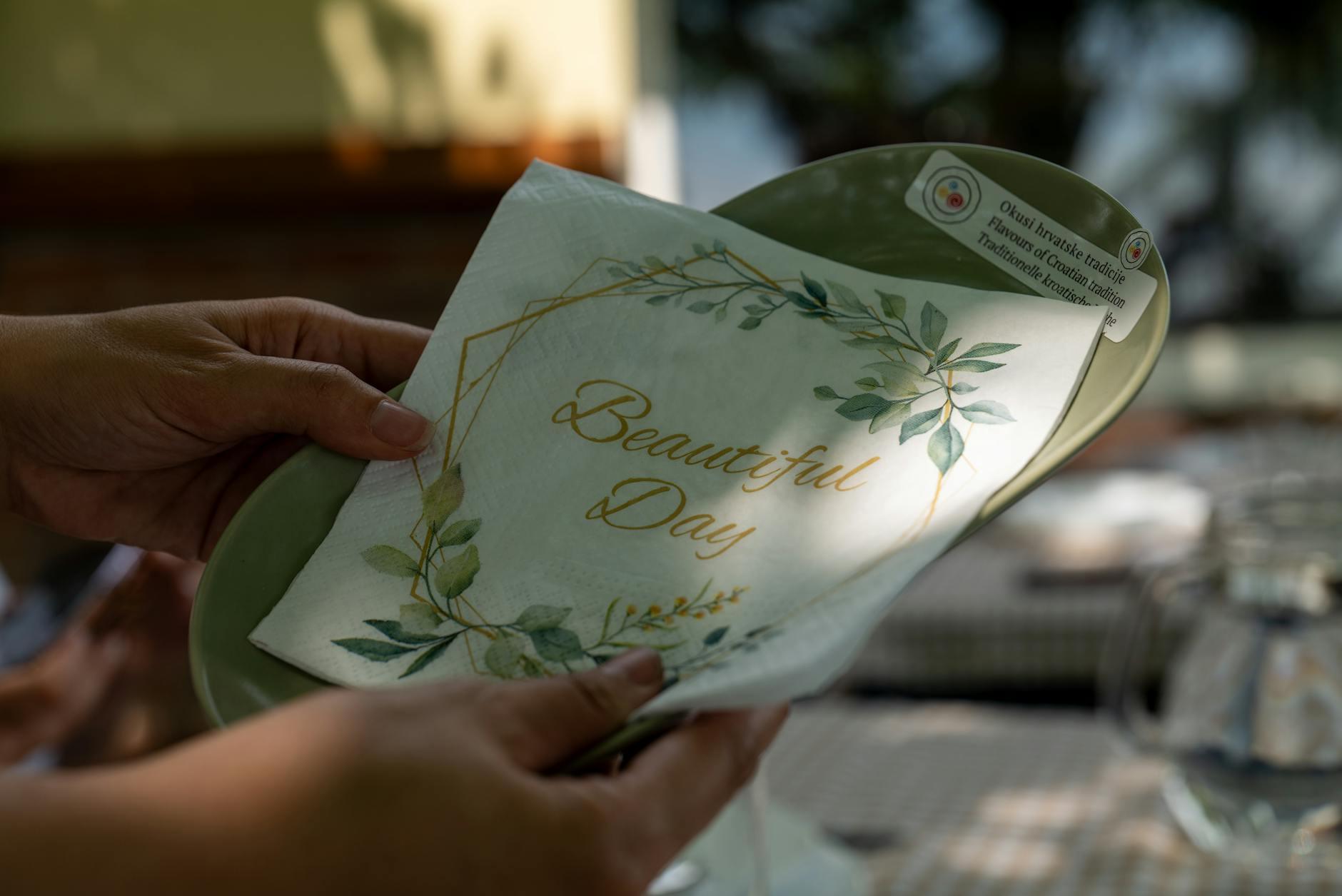
Decorations don’t need to be expensive to look intentional. Dollar stores stock balloons, streamers, tablecloths, and banners for $1-2 each. A simple color scheme (two or three colors) unified across balloons, streamers, and table coverings costs $15-25 and transforms a bare space. Paper decorations feel less substantial than other options, but photos taken in good light will make the space look festive. The limitation here is durability—dollar store items tear easily and won’t survive outdoor wind, so protect them or accept they’re one-time use. Homemade decorations add personal touch at minimal cost. Printed photos on cardstock, handmade signs, or DIY banner strings can reference inside jokes or moments from the birthday person’s year.
These take time rather than money and often impress guests more than generic store-bought decorations. One warning: ambitious DIY projects can become stressful if you underestimate setup time. A simple rule is limiting yourself to no more than 2-3 DIY elements unless you have a weekend to prepare. Lighting creates atmosphere surprisingly effectively on a budget. String lights (battery-powered or solar) cost $10-20 and work indoors or outside, instantly making any space feel intentional. Even regular indoor lights with balloons underneath cast a festive glow. Comparison: professional event lighting and designers run thousands of dollars; string lights and natural daylight are free. The tradeoff is they look different—less polished, more casual—but for a birthday party, casual often feels more fun.
Food Options That Maximize Value and Satisfaction
Food is typically 50-70% of your party budget, so choosing the right style matters enormously. A taco bar costs roughly $30-40 for 15 people and lets guests customize their meal, which creates engagement. You buy ground beef or chicken, hard and soft shells, and toppings (lettuce, cheese, salsa, sour cream, onions). Compare this to pizza delivery at $150+ and you see immediate savings. The limitation of a taco bar is setup time and cleanup—you’re essentially running a food station—but most guests appreciate the interactive element. Chili, pasta salad, or other one-pot dishes stretch dollars further than any other option. A large pot of chili costs $15-20 in ingredients and feeds 20+ people.
Pair it with cornbread mix ($2-3) and a large salad ($5-7), and you have a complete meal for under $30. One example: a client spent $28 on a taco bar for 12 people that took 30 minutes to assemble; everyone said it was the best part of the party. The tradeoff is less variety than a full catering menu, but most guests prefer one really good dish over six mediocre options. Dessert is where people expect impact on a budget party. Store-bought cakes from supermarket bakeries cost $15-25 and taste better than most people can bake. Alternative: make a simple sheet cake from a box mix ($1-2) and frost it yourself—total cost under $5, though it requires baking time. Cupcakes are trickier because you need 15+ individually decorated items; buy them from a bakery in this case. One specific limitation: homemade cakes can collapse, crack, or look amateur in photos, so practice your frosting or accept that rustic appearance adds charm.

Entertainment That Costs Nothing or Nearly Nothing
People remember experiences and conversations far more than decorations or even food. Games are free entertainment that doubles as guests mingling. Lawn games (cornhole, badminton, frisbee) work if you already own them or can borrow from friends. If you need to buy, basic equipment costs $20-30 and lasts years, so spreading that cost across multiple parties makes it trivial per-event. For indoor parties, card games, board games, or charades cost nothing if you already own them. A playlist costs nothing and improves atmosphere dramatically. Create it using Spotify or YouTube for free; spending zero on a DJ (often $300-500) is the single biggest savings available.
The tradeoff is you need decent speakers (phone speakers are quietly embarrassing) and someone designated to manage music transitions. Many people have a Bluetooth speaker already, eliminating this cost. A warning: letting guests control the playlist usually leads to chaos, so either curate it yourself or limit guest requests to songs on an approved list. Activities beyond games include photo booths (surprisingly effective with a phone and printed props from the dollar store), talent shows, or scavenger hunts. A DIY photo booth costs under $10 in props and requires five minutes of setup. It entertains guests, generates memories, and costs nothing per person. Time investment is moderate—you’re essentially running a 10-person operation managing an iPhone, but it’s not demanding.
Common Budget Killers and How to Avoid Them
Alcohol is where budgets explode quickly. A bottle of wine costs $10-20; 12 bottles for 20 people is $120+ instantly over budget. Solution: serve beer (cheaper per person), limit alcohol to two hours of the party, or skip it entirely and serve punch, lemonade, or tea. One specific example: a $30 punch bowl filled with lemonade, sparkling water, and fresh fruit looks celebratory and costs 1/4 the price of wine. Warning: if your guests expect alcohol, skipping it entirely might feel awkward socially, so knowing your crowd matters. Last-minute decisions destroy budgets. If you decide on a party 48 hours before, you’ll pay premium prices for anything outsourced. Same-day cake orders cost more; last-minute catering is expensive; decorations run out and markup happens.
Plan minimum two weeks ahead if possible. If you’re stuck with last-minute planning, pivot to the absolute simplest option: bring-your-own-side potluck party, homemade pizza, or picnic-style meal. This removes time pressure and spreads costs across guests. Overestimating or underestimating headcount creates waste or shortages. Aim for 70-80% of your budget going to people you’re certain will attend. A buffer of 10-15% accommodates last-minute guests without busting budget. One limitation: if you underbuy food significantly, shortages feel embarrassing and damage the experience. Err toward slight surplus rather than shortage; leftover food is a better problem.
Small Touches That Feel Expensive but Aren’t
Personalized elements create disproportionate impact relative to cost. A homemade playlist with a title card costs nothing but feels thoughtful. Printing a simple menu on cardstock ($1-2) for your taco bar makes it look intentional. A handwritten note on each place card costs 15 minutes and virtually nothing but creates genuine warmth.
These touches take time rather than money and are often more memorable than expensive decorations. Name tags with fun facts or questions written on them cost $2-3 and serve double duty as conversation starters if you have guests who don’t know each other. A photo guest book (disposable camera or printed frames) captures memories for under $5. Specific example: one person used a polaroid-style printer ($30 one-time cost, then $0.75 per photo) to print instant photos during the party and gave guests a copy—total cost under $20 and guests talked about it for months.
Scaling the $100 Budget for Different Party Sizes
The $100 budget scales reasonably well from 10 to 30 people if you adjust expectations moderately. For 10 people, you have $10 per person for food, which is generous—you can do restaurant-quality takeout. For 20 people, you drop to $5 per person for food alone, requiring homemade bulk items like chili or pasta. For 30 people, you’re at $3-4 per person for food, which demands potluck or extremely cheap staples (rice and beans, egg-based dishes).
The concept still works, but logistics and shopping efficiency become critical. Larger parties benefit from economies of scale in some areas (bulk pasta is cheaper per pound) but cost more in others (serving 30 requires more equipment, more drinks, more decorations for visual impact). The realistic limit for staying genuinely under budget is around 25-30 people. Beyond that, you’re either reducing food quality noticeably or relying heavily on guests bringing potluck items. Forward-looking perspective: if you regularly host parties, investing in reusable decorations, serving equipment, and games across multiple events dramatically improves per-party spending over time.
Conclusion
Throwing a great birthday party for under $100 is entirely achievable through strategic choices: free venue, homemade food in bulk, minimal but thoughtful decorations, and free entertainment. The parties people remember aren’t defined by expense—they’re defined by genuine effort, good atmosphere, and time spent with people they care about. You’ll likely discover that the most talked-about elements (a particular dish, a fun game, a playlist) cost almost nothing.
Start by locking in a free venue at least two weeks ahead, then plan your menu around one or two filling main dishes. Allocate remaining budget to decorations ($15-25), drinks ($15-25), and contingency. The simplicity of this approach actually creates advantage: focused, high-quality food beats unfocused, mediocre variety; personal touches beat expensive decorations; genuine gathering beats expensive atmosphere. Your next party under $100 is achievable starting today.