

Yes, many meal kit services offer genuinely free first boxes or heavily discounted introductory offers. HelloFresh, EveryPlate, Factor, Freshly, and Green Chef all regularly advertise free or discounted first meals as of 2026, though the specific offer changes monthly and depends on your location and first-time customer status. For example, HelloFresh frequently runs promotions giving new customers their first box free or $20 off their first order, bringing that initial meal cost to nearly zero if you qualify for additional discounts.
The catch is that you’re committing to an ongoing subscription, and the standard pricing kicks in for week two—typically $60 to $120+ per week depending on the service and meal plan you choose. The real value of these first box deals isn’t the free meal itself; it’s an audition period to test whether the service fits your lifestyle and budget before you’re locked into full price. Many people cancel after the first or second box once they realize shipping costs more than they expected, portion sizes don’t satisfy their appetite, or prep time takes longer than advertised. Some genuinely benefit from the convenience and actually save money compared to restaurant spending or their previous grocery habits.
Table of Contents
- Which Meal Kit Services Actually Offer First Box Free Deals?
- How First Box Deals Actually Work and What the Fine Print Says
- When First Box Free Deals Actually Save You Money
- Comparing First Box Offers Across the Major Services
- Common Pitfalls That Turn Free First Boxes Into Expensive Habits
- Hidden Fees and Costs Beyond the Meal Price
- The Evolution of Meal Kit Free Offers and What to Expect Going Forward
- Conclusion
Which Meal Kit Services Actually Offer First Box Free Deals?
HelloFresh and EveryPlate are the most aggressive with first-box promotions because they’re the largest competitors in the U.S. market. HelloFresh (the German parent company behind multiple U.S. brands) offers rotating deals—currently free box offers, then $20 off subsequent weeks. EveryPlate, Here’s where reality hits: the free or discounted first box requires a credit card upfront, and you’re automatically enrolled in a recurring subscription. Most services let you pause or cancel before the second shipment without penalty, but you need to actually do it—the default is continued billing. HelloFresh, for instance, bills you for week two at full price ($12 to $20 per meal depending on portions and plan) unless you actively cancel or skip that week in your account. EveryPlate operates similarly, with the subscription defaulting to weekly charges until you intervene. Cancellation timelines matter significantly. Most meal kit services require you to cancel or skip a week three to five business days before your next shipment date. Miss that window, and you’re buying meals you might not want. Additionally, shipping costs are often bundled into the per-meal price but aren’t broken out separately, so you don’t realize upfront that you’re paying $8 to $12 extra per week for handling and delivery. Some regional services charge different shipping costs depending on distance from their distribution center, which can add $10 to $20 to an otherwise affordable first order. The savings appear when you compare meal kit pricing to restaurant takeout or premium grocery store prepared foods, not to home cooking from scratch. If you’re currently spending $15 to $18 per person on restaurant delivery meals three times a week, a meal kit at $9 to $14 per serving represents real savings—even after subscription week two. A family of four using HelloFresh at the standard pricing ($12 per serving for classic meals, four servings per week) spends about $192 per week versus $180 to $240 on equivalent restaurant orders depending on your city. The actual savings for budget-conscious households is more modest. Buying groceries strategically and cooking at home typically costs $3 to $5 per serving, so meal kits—even with free first boxes—are a step up in price. Where they win is convenience and reduced food waste. If you’re the type to buy vegetables that rot in your crisper or order takeout because you forgot to plan meals, a meal kit’s portion-controlled ingredients and guided recipes eliminate both problems. That convenience is worth paying for, but calling it a “savings hack” is misleading unless your baseline is restaurant spending, not home cooking. HelloFresh currently advertises “First box free” plus “$20 off the next two weeks” for eligible new customers, bringing the total trial commitment to roughly $60 to $80 for three weeks of meals. EveryPlate counters with “First box free” plus similar discounts on subsequent weeks, but its per-meal base price is lower ($8 to $11 versus HelloFresh’s $12 to $14), so the second-week cost is also lower. Factor (geared toward higher-protein diets) doesn’t offer free first boxes but discounts them 50%, typically reducing that first week from $90 to $45 for five pre-made meals, which translates to $9 per meal—slightly more convenient than home prep but limited flavor variety compared to cook-at-home services. Your decision should depend on two factors: your actual lifestyle and your risk tolerance. If you travel frequently, eat out most nights, or are unsure about meal prep commitment, use the free first box from HelloFresh or EveryPlate as a low-risk trial. If you’re already cooking at home and looking to simplify, recognize that you’re paying a premium for convenience, not bulk savings. The math rarely favors meal kits for people who are disciplined home cooks, but it heavily favors them over ongoing restaurant or delivery spending. The biggest trap is underestimating meal prep time. Meal kit marketing emphasizes “ready in 30 minutes” or “quick prep,” but this assumes you have all ingredients chopped and prep stations organized before you start cooking. First-box customers often experience 45 to 60 minutes of actual hands-on time plus additional cleanup, which kills the appeal compared to restaurant delivery that arrives ready to eat. Once you realize the time commitment, you’re less likely to stick to scheduled meals, leading to wasted ingredients and a sense of value loss when you compare weekly cost to actual usage. A second critical pitfall is subscription momentum. After the heavily discounted trial, the regular price ($60 to $120+ per week) psychologically feels “sunk” into your routine. People continue subscriptions for four to eight weeks at full price before calculating what they’re actually spending and comparing it to their previous budget. Behavioral economics calls this the “status quo bias”—once something’s in your routine, it takes more motivation to cancel than it did to never start. Set a calendar reminder for week four or five of your subscription to manually review whether you’re using the meals and whether the cost aligns with your budget targets. Shipping fees exist even if they’re called something else. Some services build shipping into the per-meal price, so you don’t see a line item for it, but you’re paying it nonetheless. Regional services that don’t use national carriers might charge $8 to $15 for delivery per week depending on proximity. If you live in a rural area, that shipping cost can exceed the per-meal savings you get from the introductory discount. Dietary customization also carries hidden costs. Choosing organic ingredients, vegetarian or vegan meals, or keto options sometimes bumps per-meal pricing from $9 to $14 per serving, which becomes significant when multiplied across a week. First box promotional pricing usually applies only to the standard plans, not premium upgrades. Additionally, if you discover you have preferences the service doesn’t accommodate well—like a strong dislike for a certain protein—you might find yourself skipping meals and wasting money, which offsets the initial free-box savings entirely. The meal kit industry is consolidating. HelloFresh (parent of HelloFresh, EveryPlate, and Green Chef) has absorbed multiple competitors, which means promotional spending is becoming more strategic and less aggressive. In 2024 and 2025, the industry moved toward smaller discounts and more terms and conditions on first-box offers, with services gradually increasing base pricing while offering modest discounts rather than truly free boxes. This trend will likely continue as companies prioritize profitability over user acquisition. Going forward, first-box promotions will become more targeted. Services are increasingly offering free or discounted first boxes only to people who are switching from competitors or haven’t subscribed before, while raising pricing for customers who pause and restart subscriptions. Watch for trend toward conditional free offers—for example, free first box only if you commit to four weeks at full price, or free only for specific meal counts or prep levels. The absolute best time to try a service remains the first month when promotional budgets are highest. First box free deals from HelloFresh, EveryPlate, Factor, and other meal kit services are genuine but come with strings. You should use them as a low-cost trial period to understand whether the service’s meal quality, variety, and actual time commitment align with your needs and lifestyle. The promotional pricing disappears after week one or two, and you’ll quickly assess whether paying $60 to $120+ per week feels worth it compared to your current approach—whether that’s cooking from scratch, ordering restaurant delivery, or buying prepared foods at grocery stores. The smartest use of these free first box offers is not as a permanent savings strategy, but as a method to test convenience without financial commitment. Cancel immediately after your trial if the service doesn’t fit, or keep going if it genuinely improves your week-to-week routine and saves you money compared to what you’d otherwise spend. Set that cancellation reminder, read the cancellation policy carefully before signing up, and don’t let the free first box create a subscription habit that costs more than your previous spending did.
How First Box Deals Actually Work and What the Fine Print Says
When First Box Free Deals Actually Save You Money

Comparing First Box Offers Across the Major Services
Common Pitfalls That Turn Free First Boxes Into Expensive Habits
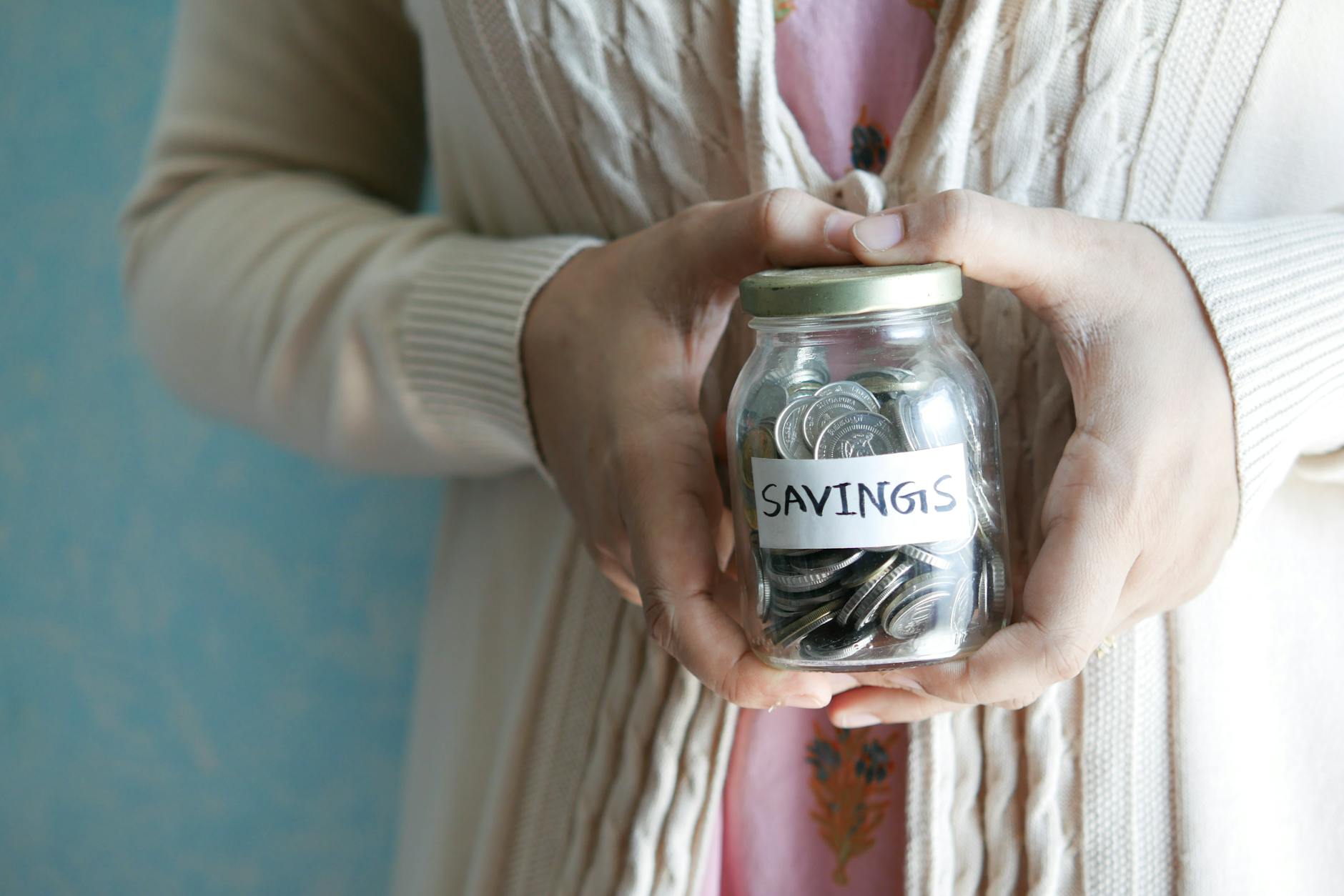
Hidden Fees and Costs Beyond the Meal Price
The Evolution of Meal Kit Free Offers and What to Expect Going Forward
Conclusion
You Might Also Like