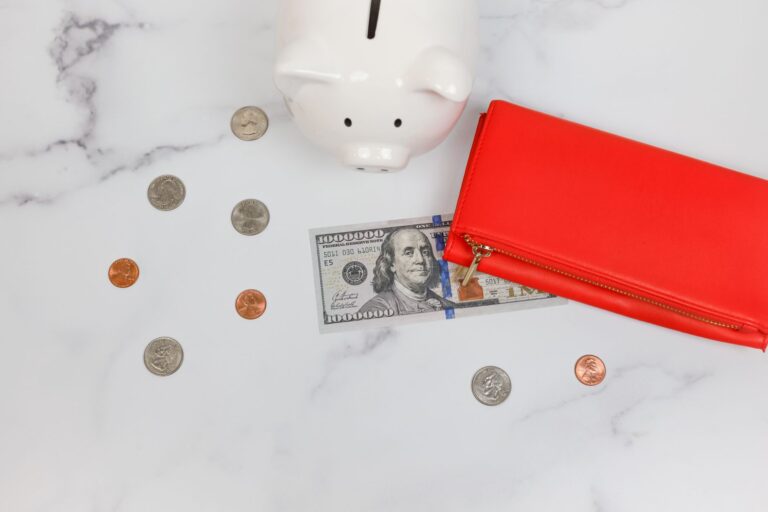

You can spend $100 less on back-to-school shopping this year by combining tax-free shopping periods, cashback programs, discount retailers, and strategic planning. The average family currently budgets $874.68 for back-to-school supplies, clothing, and electronics, but with these proven tactics, you can reduce that to around $775 without sacrificing quality or essential items. For example, a Florida family shopping on a $300 budget during the state’s tax-free holiday saves approximately $18 in sales tax alone, and when combined with store discounts and cashback programs, that same family can easily exceed the $100 savings threshold.
The challenge has never been more urgent. Back-to-school spending is projected to reach $38.8 billion in 2026—the second-highest figure on record—and school supplies costs have skyrocketed by 15% this year alone, with some items seeing price increases of 32% compared to just three years ago. Additionally, tariffs of 10% or more are taking effect on August 1, 2026, which will push prices even higher in late summer. Knowing where to trim without compromising your child’s success means understanding both the numbers and the strategies that actually work.
Table of Contents
- Why Your Back-to-School Budget Keeps Growing
- The Tariff Factor and Why Timing Matters in August 2026
- Tax-Free Shopping: Your Easiest $20 to $50 Savings
- Discount Retailers and Off-Price Shopping for 30-50% Savings
- The Reuse Strategy and What Actually Makes Sense to Replace
- Cashback Programs and Rewards Maximize Every Dollar
- Strategic Timing: Early Shopping and Seasonal Sales
- Conclusion
Why Your Back-to-School Budget Keeps Growing
The average household now budgets $91.29 for school supplies alone, but that number tells only part of the story. When you factor in clothing, shoes, and electronics like laptops or calculators, the total climbs to nearly $875 per family with school-age children. What’s particularly troubling is that over 50% of parents report having to adjust their budgets or cut back on other expenses just to afford these annual purchases. This isn’t about excess spending on luxury items; these are necessities that families have historically taken for granted.
The root of the problem is consistent price inflation. Between 2022 and 2023 alone, commonly requested school supplies experienced a 32% price increase. Pencils, notebooks, backpacks, and folders—items your child genuinely needs—now cost significantly more than they did just a few years ago. Teachers frequently report buying supplies out of pocket because families can’t afford the requests on school lists. Understanding this backdrop is essential because it means your $100 savings isn’t just nice-to-have; for many families, it’s the difference between affording supplies and leaving items off the list.
The Tariff Factor and Why Timing Matters in August 2026
Many shoppers don’t realize that timing their purchases around government policy can save real money. Starting August 1, 2026, tariffs of 10% or more are taking effect on nearly all countries, which means retailers will be forced to raise prices on imported goods—which includes most school supplies, clothing, and electronics. This creates a hard deadline for budget-conscious shoppers: purchase before August 1st whenever possible, or pay substantially more later. The limitation here is that earlier shopping requires more planning and organization.
You can’t wait until the week before school starts and expect to hit the $100 savings target if you’re shopping after the tariff deadline. Planning ahead means building your shopping list in June or July, tracking sales starting in late May, and making your major purchases before early August. For families with multiple children or those who typically do last-minute shopping, this represents a significant change in habits. However, the alternative—shopping on August 15th and paying 10% more than you would have on July 31st—often exceeds the effort required to plan earlier.
Tax-Free Shopping: Your Easiest $20 to $50 Savings
One of the simplest ways to trim $100 from your budget is to take advantage of tax-free shopping periods. Many states offer sales tax holidays during August, providing a direct 5-10% reduction on your purchases depending on your state’s sales tax rate. In Florida, for example, the 6% sales tax exemption saves families roughly $18 on a $300 budget. For a family spending the typical $875, this same 6% sales tax holiday would save approximately $52. To maximize this savings, you need to know your state’s specific tax-free period and plan accordingly.
Some states limit which items qualify (excluding certain electronics or clothing), while others have broader exemptions. The key limitation is that tax-free holidays don’t last all month; they’re usually one or two weeks in early to mid-August. You’ll need to consolidate your shopping into that window rather than spreading purchases throughout summer. Start tracking what you need now, confirm your state’s tax-free dates, and set a reminder to shop during that specific period. This single strategy, paired with one or two other tactics, puts you well on track to reach your $100 savings goal.

Discount Retailers and Off-Price Shopping for 30-50% Savings
Discount retailers like Ross and Burlington carry legitimate brand-name backpacks, shoes, and apparel at 30-50% below regular retail prices. These aren’t clearance items from seasons past; many stores receive current-season inventory at significant discounts. A backpack that costs $60 at a major retailer might cost $30-40 at Ross, and that’s before you apply any additional discounts or cashback programs. The tradeoff with discount retailers is selection and timing.
You won’t find the exact color or style you wanted, and inventory changes frequently. Early morning shopping—within the first few days of new inventory arrival—gives you the best selection. If you wait until later in the season, you’ll find picked-over stock. Additionally, return policies at discount retailers are often more restrictive than at major chains. Plan to shop at these stores earlier in your back-to-school season, be flexible about colors and specific styles, and inspect items carefully before purchasing since returns may be limited to store credit rather than refunds.
The Reuse Strategy and What Actually Makes Sense to Replace
According to recent shopping data, 34% of U.S. shoppers plan to reuse school supplies from the previous year. This is smart thinking, but it requires discernment. Pencils, erasers, and notebooks from last year are perfectly fine. Backpacks, shoes, and clothing need replacement based on wear and fit, not just because you bought them last year.
A child’s feet grow over the summer, and last year’s backpack may not fit this year’s class schedule or laptop requirements. The warning here is false economy. Forcing a child to wear shoes that are too small or a backpack that’s falling apart isn’t frugality; it’s a false savings that often costs more in frustration and replacements mid-year. Examine what you actually have, be honest about what’s worn out or inadequate, and focus your reuse strategy on supplies that genuinely don’t need replacing. Use savings from reused supplies to invest in quality replacements for items that do need upgrading.

Cashback Programs and Rewards Maximize Every Dollar
Several retailers and cashback apps offer rewards on back-to-school purchases. Rakuten, for instance, offers 4% cashback at Nike, Staples, and Office Depot. If you’re already planning to spend money at these stores, cashback programs are essentially free savings. A $200 purchase at Office Depot with 4% cashback returns $8, which may not seem significant, but across multiple shopping trips it compounds.
The key to maximizing cashback is purchasing through the rewards program before heading to the store, then paying with a rewards credit card if possible (stacking rewards). Also note that cashback percentages vary by retailer and season; back-to-school periods often feature elevated cashback rates, so timing matters. A 4% cashback rate is good, but stores sometimes offer 5-6% during peak shopping season. Check your preferred retailers’ cashback rates a week before you plan to shop to ensure you’re getting the best available rate.
Strategic Timing: Early Shopping and Seasonal Sales
Walmart’s back-to-school sale begins June 24, 2026, earlier than many families expect. This timing aligns with the earlier strategy of beating August tariff increases, but it also reveals a shopping truth: early-season sales are often better than late-season ones. The 37% of shoppers who plan to shop earlier aren’t just avoiding crowds; they’re accessing better inventory and pricing tiers. Late July and early August, just before tariffs hit, typically feature the most aggressive discounting as retailers try to clear inventory before prices rise.
Start monitoring major retailers’ websites now if you plan to shop in June. Create a simple spreadsheet of items you need with approximate prices, then track when each retailer puts those items on sale. Some categories, like clothing, typically see deeper discounts in late summer, while technology items often have their best prices in June. Your goal isn’t to shop everywhere, but to strategically hit the right stores at the right time.
Conclusion
Saving $100 on back-to-school shopping is achievable without cutting corners or buying inferior products. Your toolkit includes tax-free shopping periods that save 5-10%, discount retailers offering 30-50% reductions, cashback programs providing an additional 3-4%, and strategic reuse of items that genuinely don’t need replacing. Combined, these tactics often exceed the $100 target.
Start your planning immediately. Note your state’s tax-free dates, track opening sale dates at major retailers, make your list now, and commit to shopping before August 1st to avoid tariff increases. The effort required is minimal compared to the $100 you’ll keep in your pocket and the reduced stress of affording back-to-school season without derailing your family’s budget.