Yes, you can save $500 or more this year by doing simple car maintenance yourself instead of paying a mechanic. Most car owners spend around $900 annually on routine maintenance, and you can cut that in half by tackling the easiest tasks yourself. For example, a professional tire shop might charge $93 to replace your wiper blades, but you can buy them yourself and swap them out in five minutes for around $50—that’s a $43 difference on a single item. Over a year of handling basic maintenance, these small savings add up to hundreds of dollars.
The economics are striking because mechanic labor rates have climbed across the country. While independent shops charge $75 to $130 per hour on average, dealerships often exceed $200 per hour. Since 2019, auto repair costs have jumped 43.6%, meaning preventive maintenance has become even more expensive. That’s why learning which jobs you can safely do at home—and which ones require a professional—matters more than ever for your bottom line.
Table of Contents
- Which Car Maintenance Tasks Can You Really Do Yourself?
- Understanding Your Limits and When to Stop
- The Hidden Benefits Beyond the Sticker Price
- Breaking Down the $500 Savings Across Actual Tasks
- The Tools and Safety Gear You’ll Need to Start
- When Market Conditions Make DIY Even More Attractive
- Building Your DIY Maintenance Schedule and Next Steps
- Conclusion
Which Car Maintenance Tasks Can You Really Do Yourself?
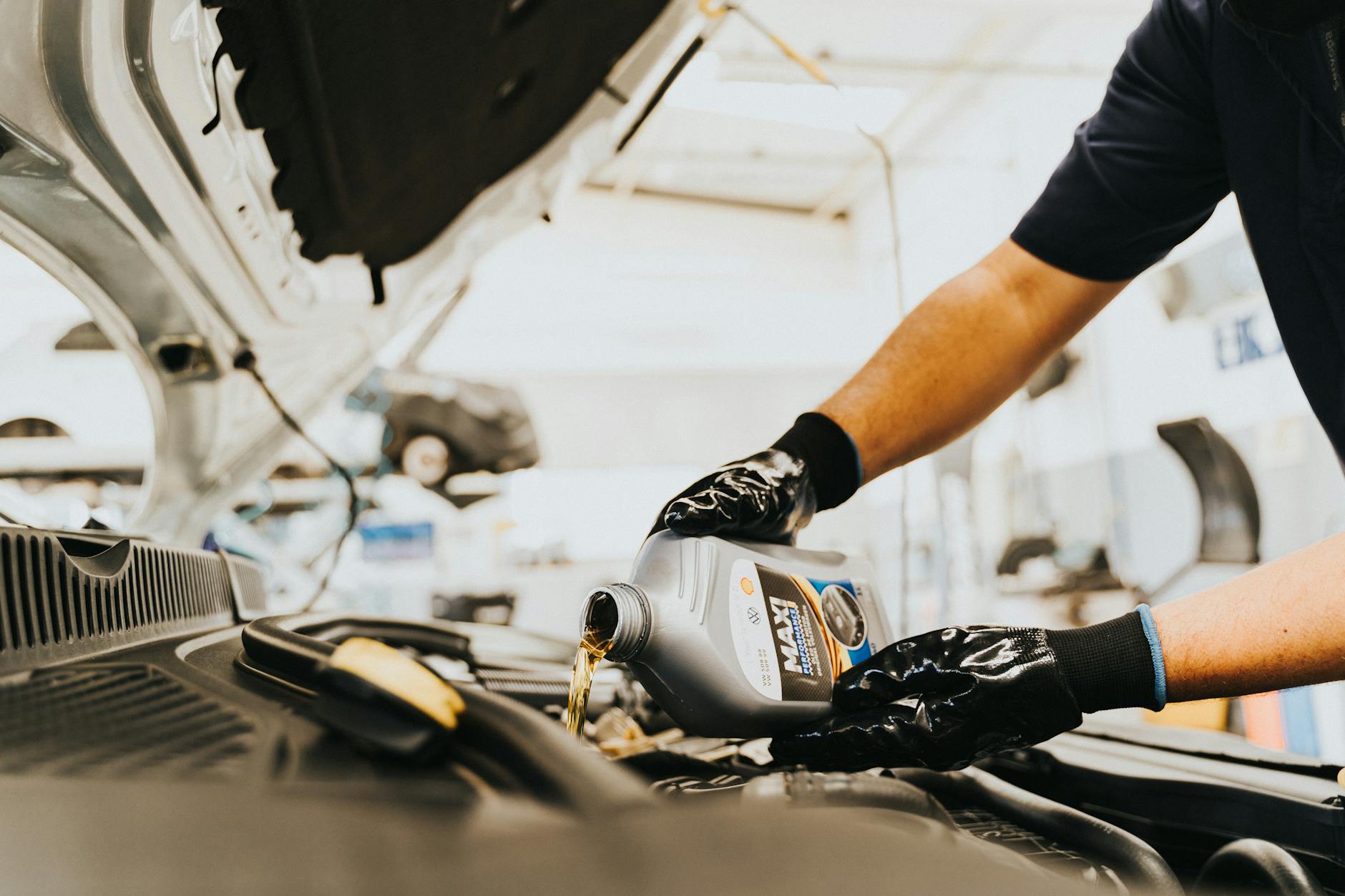
The easiest and most profitable diy jobs involve no special tools or mechanical knowledge. Oil changes top the list: a professional shop charges around $164 per visit, while buying your own oil and filter runs far less depending on your vehicle. Wiper blade replacement is perhaps the simplest—most drivers can do it in under five minutes without any tools, yet shops charge $93 to do what costs $50 in parts. Similarly, cabin air filter replacement takes about ten minutes and costs $26 to $40 if you buy it online through retailers like Amazon, compared to $83 to $114 at a shop.
Air filter replacement and battery replacement are also excellent DIY candidates if you have basic comfort with your engine bay. Tire pressure checks require only a $15 gauge and take two minutes per wheel. These five tasks—oil changes, wiper blades, cabin filters, air filters, and battery changes—account for hundreds of dollars in potential annual savings. On a 2020 Camry, brake pad and rotor replacement illustrates the bigger opportunity: dealers charge $653 to $747 total, with labor costs running $257 to $302 per axle, meaning DIY work could save $514 to $604 on a single job.
Understanding Your Limits and When to Stop
While saving money is appealing, attempting repairs beyond your skill level can cost far more than paying a professional. Transmission work, engine diagnostics requiring a computer scanner, suspension repairs, and electrical troubleshooting should stay with trained mechanics. Even small mistakes with brake systems, for example, create safety risks that no dollar amount justifies. The $500 annual savings estimate assumes you stick to the straightforward tasks where mistakes simply mean you redo the work yourself, not catastrophic failure.
One critical limitation is tool investment. Some jobs technically fall within DIY reach but require expensive specialized tools you’ll use rarely. Rotors and brake pads, for instance, may need a brake bleed kit or specific press tools depending on your vehicle. Before committing to a DIY task, research whether you already own the required tools or whether buying them would erase the savings. Additionally, certain modern vehicles with integrated computer systems make even filter changes harder than they were ten years ago, so always consult your owner’s manual before starting.
The Hidden Benefits Beyond the Sticker Price
Beyond the direct labor savings, DIY maintenance teaches you how your car actually works and helps you catch problems early. When you’re under the hood replacing an air filter, you might notice a loose hose, a corroded battery terminal, or a belt showing wear that a quick oil-change technician might miss. This preventive mindset—one where you’re regularly checking fluid levels, tire pressure, and belts—aligns with expert advice that says every dollar spent on preventive maintenance saves $4 to $7 in future repairs.
Regular DIY attention also reduces the likelihood of surprise emergency repairs. Many drivers neglect routine checks between professional services because they don’t think about their car unless something breaks. When you own the maintenance process, you’ll spot issues like low coolant, worn wiper blades, or tire damage before they strand you on the highway. That peace of mind and emergency avoidance might be worth even more than the $500 in direct savings.

Breaking Down the $500 Savings Across Actual Tasks
Let’s map out realistic savings from a year of basic DIY maintenance. If you do four oil changes yearly (instead of getting them professionally), you save approximately $656 in labor. Replacing wiper blades twice yearly saves $86. Two cabin air filter replacements save $174 in labor and markup. One air filter replacement saves $50 to $75. One battery replacement—assuming it costs $150 professionally but you source a quality battery for $80—saves $70.
A basic tire rotation by yourself rather than at a shop saves another $100 to $150. That’s roughly $1,136 in potential savings, well above the $500 mark. The actual number depends on your vehicle, how often you need maintenance, and your location (labor rates vary by region). A luxury car or one with complex systems will see different savings than an economy vehicle. The point is that even if you’re conservative and only save 40 percent of those estimates, you’re still looking at $450 in documented savings. For many households on a tight budget, that’s real money freed up for other priorities.
The Tools and Safety Gear You’ll Need to Start
Before your first DIY job, invest in a basic set of tools and safety equipment that will serve you for years. A quality socket set, wrench set, screwdrivers, pliers, and an oil drain pan cost $100 to $200 total at a big-box store. You’ll also want jack stands if you’re working under the vehicle, a creeper to lie on, and good lighting. Safety glasses and gloves prevent injuries. These tools represent a one-time investment that pays for itself within your first year of DIY work.
One important warning: never work under a car supported only by a jack. Always use jack stands rated for your vehicle’s weight. Also, some maintenance tasks involve hazardous fluids—oil, coolant, and brake fluid are toxic if ingested and can damage the environment. Research proper disposal methods in your area before starting. Finally, certain tasks like brake work or suspension repair genuinely require specialized knowledge and equipment; using the wrong technique here creates safety risks that no savings justify.

When Market Conditions Make DIY Even More Attractive
The 43.6 percent increase in auto repair costs since 2019 makes the DIY option increasingly valuable. Labor rates at dealerships have climbed to $150 to $250 per hour in many markets, and independent shops aren’t far behind. As these costs continue rising, the relative advantage of doing work yourself only grows.
Someone spending $900 annually on car maintenance right now is looking at a much higher bill in five years if they don’t start learning basic maintenance. Additionally, supply chain improvements have made parts cheaper and more readily available online. Battery prices have dropped, quality aftermarket filters cost less than half what shops charge, and wiper blades are commoditized products available at any retailer. This means your savings relative to shop prices have actually improved in recent years, making this a particularly good time to learn basic DIY skills.
Building Your DIY Maintenance Schedule and Next Steps
Start by getting a copy of your vehicle’s owner’s manual and reviewing the manufacturer’s recommended maintenance schedule. This schedule tells you exactly what needs doing and when—this is your roadmap for the year. Focus initially on the easiest, highest-impact tasks: wiper blades, tire pressure checks, and air filter replacement. YouTube videos and manufacturer guides make these jobs foolproof.
Over time, consider graduating to more complex tasks like oil changes and cabin filter replacement as you gain confidence. Many local libraries and community centers offer DIY car maintenance classes that demystify the process. The key is starting small, building skills gradually, and knowing your personal limits. Your $500 in savings is waiting on tasks you can safely and confidently accomplish.
Conclusion
Saving $500 this year on car maintenance is realistic for most drivers willing to handle basic tasks themselves. With the average car owner spending $900 to $1,000 annually, cutting even half of that through oil changes, filter replacements, wiper blade swaps, and battery work represents meaningful savings. The step-by-step approach—starting with the easiest jobs and building your skill set over time—removes any intimidation factor and lets you keep money that would otherwise go to increasingly expensive mechanic labor.
Start today by reviewing your owner’s manual, picking one simple task to tackle first, and gathering the few basic tools you’ll need. The $500 isn’t free money; it’s the reward for taking hands-on responsibility for your car’s care. That financial benefit, combined with the confidence and self-sufficiency you’ll gain, makes DIY car maintenance one of the smartest moves any household can make.