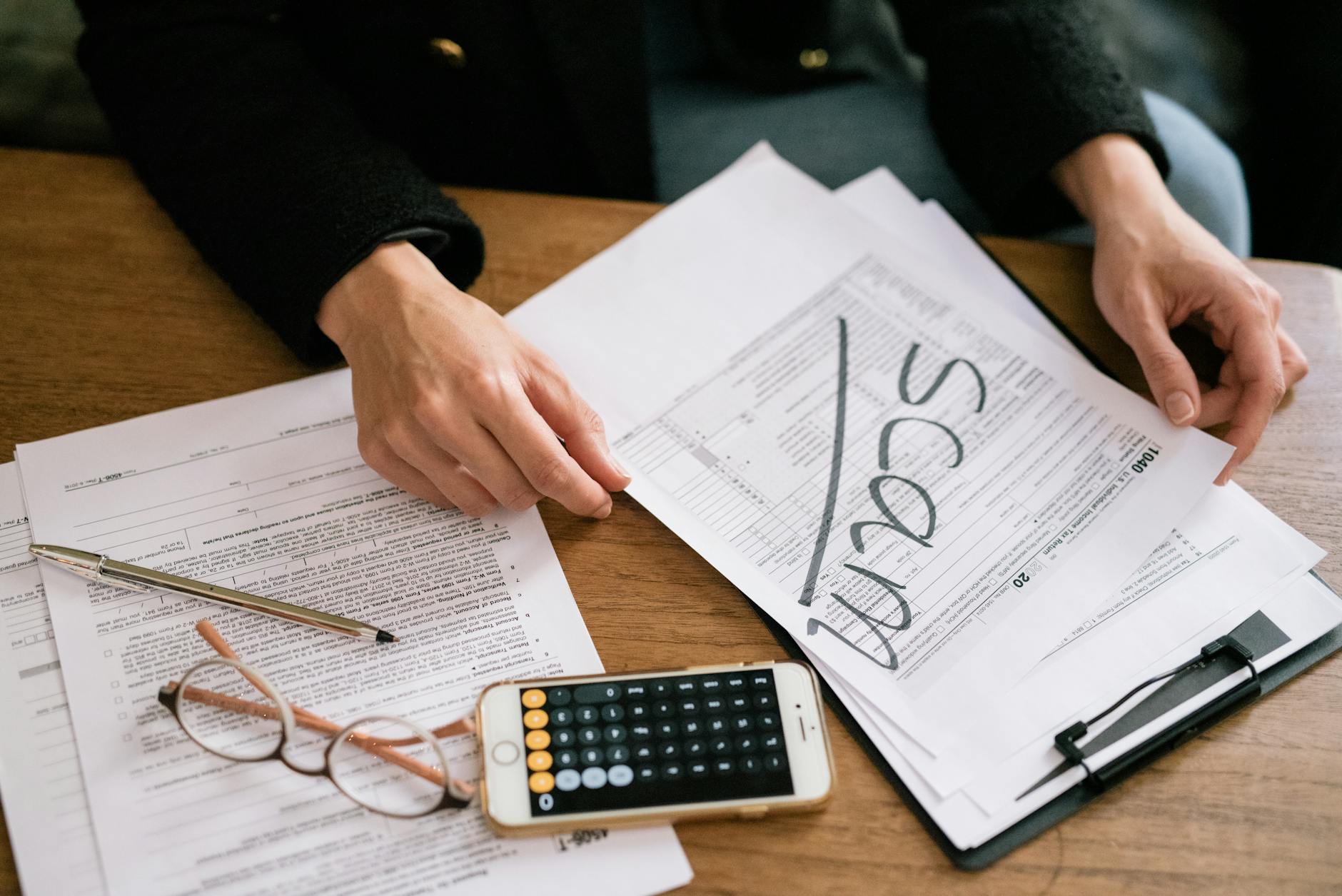

The “accidental payment” scam on Cash App works through a cunning reversal scheme that exploits the platform’s payment system. A fraudster sends you money using a stolen account or credit card, then claims it was sent by mistake and asks you to send it back. When you refund the money using your own account balance, the original fraudulent charge gets reversed by the card issuer or the real account owner—but your outgoing transfer remains permanent. You’ve just given away your own money to cover a theft you had no part in. This scam has become so widespread that the Consumer Financial Protection Bureau (CFPB) took action in January 2025, ordering Cash App’s operator Block to pay $175 million in total relief. Of that amount, $120 million will go directly to victims of scams and fraud, with eligible users receiving up to $2,500 each for their out-of-pocket losses.
The median loss per complaint has been approximately $500, though documented cases include losses reaching $15,000 or more. The reason victims lose money instantly is rooted in how payment systems actually work. When a fraudster’s initial payment arrives in your account—funded by a stolen credit card or compromised account—it appears legitimate at first. But once the real owner disputes that charge, Cash App reverses it. Meanwhile, your refund to the scammer has already left your account using your own verified funds. There’s no automatic reversal for your outgoing transfer because you initiated it willingly, even though you were deceived about the circumstances.
Table of Contents
- How Does the Cash App Accidental Payment Scam Actually Work?
- Why You Lose Money Instantly Despite the Appearance of a Reversal
- Real-World Examples and Variations of the Accidental Payment Scam
- The CFPB Settlement and What It Means for Victims
- Common Misconceptions About Chargeback Protection and Why They Don’t Help
- What to Do If You’ve Already Been Scammed
- How the Payment System Vulnerabilities Enable This Scam
- Conclusion
How Does the Cash App Accidental Payment Scam Actually Work?
The mechanics of this scam exploit a timing gap in how payment platforms handle chargebacks and refunds. Here’s the step-by-step process: A fraudster obtains a stolen credit card or gains access to a hacked Cash app account. Using these stolen credentials, they send you a payment ranging from $100 to several thousand dollars. The money appears in your Cash App balance, and you receive a message from the sender saying something like, “I’m so sorry, I sent that to you by mistake. Can you please send it back right away?” The request feels urgent and legitimate—after all, they can see your account name and the exact amount, which lends credibility. You comply and send the money back to the account that just paid you.
Everything feels resolved. But days or weeks later, the original payment doesn’t just disappear—it gets reversed. If the money came from a stolen credit card, the real cardholder or their bank disputes the charge. If it came from a hacked Cash App account, the legitimate owner files a fraud claim. Cash App then pulls that payment back, leaving your account short the amount you received. However, the money you sent as a “refund” is already gone from your account and likely already withdrawn or moved by the scammer. You’re now responsible for replacing funds that were never legitimately yours to begin with.
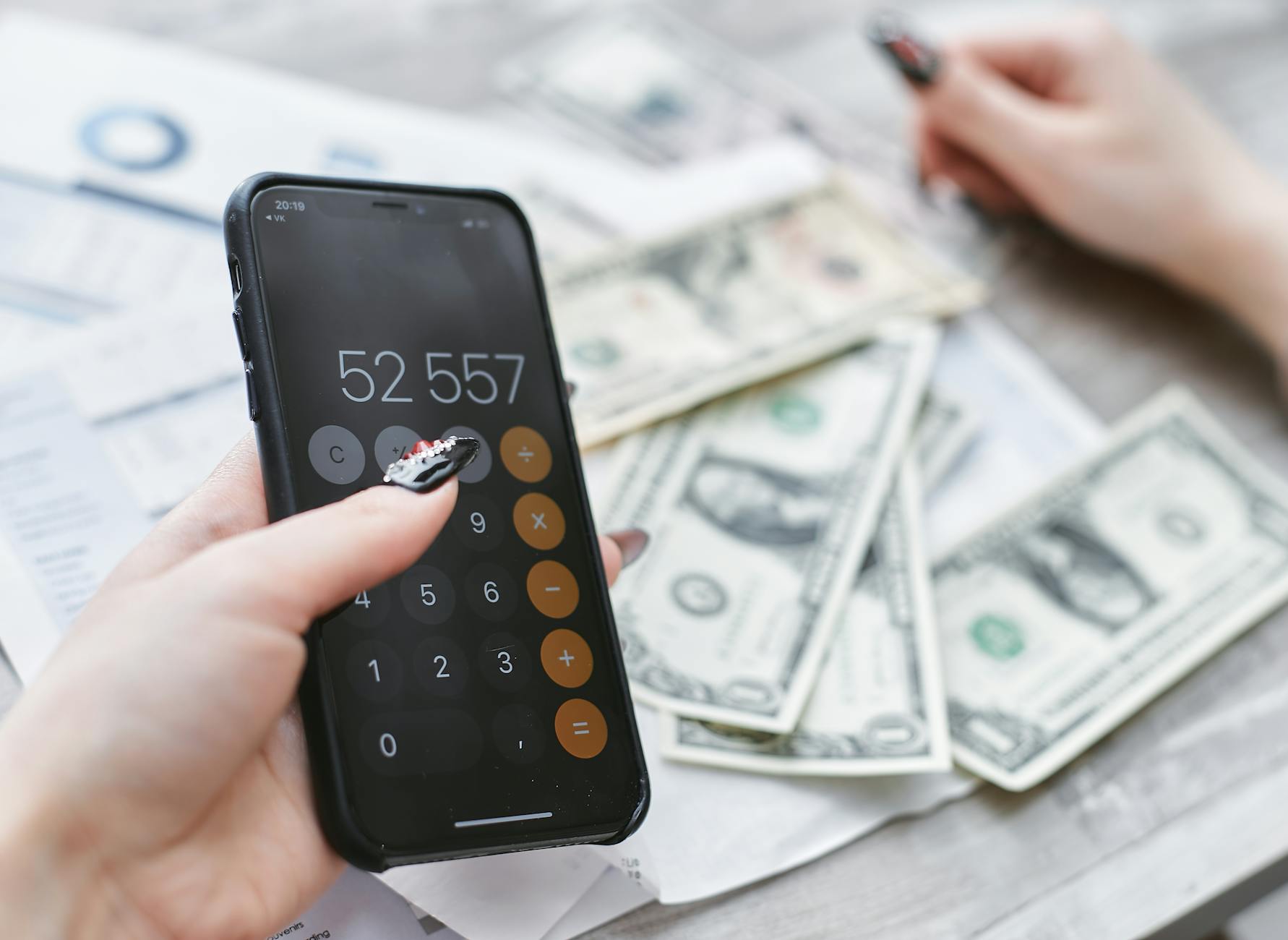
Why You Lose Money Instantly Despite the Appearance of a Reversal
The frustration that makes this scam so effective is the asymmetry in how the system handles reversals. When you first receive the fraudulent payment, it’s credited to your Cash App balance immediately. You see the money and it feels real because, technically, it is in your account at that moment. But the payment is built on stolen credentials—a stolen credit card number, a compromised account, or a financed payment that will be disputed. When you send money back as a “refund,” you’re using funds that actually belong to you, drawn from your legitimate account that’s connected to your real bank or card.
The critical problem is that there is no automatic reversal for money you send out of your own account. Cash App doesn’t reverse your refund payment just because the original incoming payment was fraudulent. Instead, you end up with a net loss: the fraudulent payment eventually disappears, but your outgoing refund never comes back. One documented case involved a Texas victim who lost $15,000 this way after receiving what they thought was a payment from a friend. Another common scenario happens when someone receives $500, sends back $500 as a refund, and then sees their account swing to negative when the original charge is reversed—leaving them not just short the $500 but potentially owing overdraft fees to Cash App or their bank as well.
Real-World Examples and Variations of the Accidental Payment Scam
The scam has evolved into several variations depending on the victim’s perceived situation. In one common scenario, someone posts on social media that they’re selling items online—whether concert tickets, electronics, or collectibles. A “buyer” sends them an inflated payment, then messages saying they “accidentally sent too much” and asking for the difference back. The victim, thinking they’re dealing with a straightforward transaction, sends the difference back. Within days, the original payment is reversed, and the victim is left short the refund amount they sent.
Another variation targets people looking for roommates or tenants. A prospective tenant sends a “deposit” to hold an apartment, then claims they accidentally sent it from the wrong account and need it sent back. Or they say they sent extra funds by mistake and need the surplus refunded. These scenarios often include additional emotional pressure—”I need this for my first month’s rent, can you help me out?”—that makes victims more likely to comply quickly without thinking through the mechanics of what’s happening. In one documented case, a young woman received what she thought was a payment from a potential roommate and sent back $300 as a refund. When the charge was reversed two weeks later, she was left with a negative balance and had to pay overdraft fees on top of her $300 loss.

The CFPB Settlement and What It Means for Victims
In January 2025, the Consumer Financial Protection Bureau reached a significant settlement with Block (Cash App’s parent company), requiring the company to pay $175 million in total relief. This consisted of $120 million in refunds and restitution directly to scam victims, plus a $55 million civil penalty for the company’s failure to adequately protect users and respond to fraud complaints. The settlement was motivated by evidence that Cash App had not properly investigated or resolved fraud complaints and had inadequately trained customer service representatives to recognize and assist scam victims. For eligible victims, the CFPB settlement offers compensation of up to $2,500 for out-of-pocket losses from Cash App scams. To qualify, you must have filed a complaint with the CFPB about a Cash App scam between July 21, 2023, and January 23, 2025.
The CFPB is actively notifying eligible victims and processing claims. If you believe you’re eligible, check your email for CFPB notifications or visit the settlement administrator’s website. The settlement also requires Block to improve its fraud prevention systems, strengthen customer service training, and provide clearer warnings about common scams. However, the settlement doesn’t prevent future scams—it only compensates past victims. This makes prevention and awareness even more critical for anyone using Cash App today.
Common Misconceptions About Chargeback Protection and Why They Don’t Help
Many people assume that because Cash App is a financial service, they have chargeback protection the way credit card users do. This is not accurate. Cash App operates differently from traditional credit cards, and the protection available is limited. If you initiate a payment yourself—even if you’re tricked into doing so—Cash App does not automatically reverse it or provide a chargeback. The platform’s limited protection applies mainly to cases where your account is compromised or when someone uses your account without your authorization.
It does not cover situations where you voluntarily sent money after being deceived. Another misconception is that you can simply report the scam to Cash App and the money will be recovered. While you should absolutely report any scam you fall victim to, the reality is that many scams go unresolved because the money has already been moved or withdrawn. Cash App’s customer service has faced criticism for being slow to respond to fraud reports and for not adequately investigating or compensating victims—which is exactly why the CFPB took action. If you fall victim to this scam, you should report it immediately to Cash App, file a complaint with the CFPB, and notify your bank if Cash App is connected to your bank account. However, recovery is not guaranteed, and the best defense is prevention.
What to Do If You’ve Already Been Scammed
If you’ve already fallen victim to the “accidental payment” scam, act quickly. First, report the transaction to Cash App through the app itself by locating the payment, tapping the three dots, and selecting “Report Issue.” Provide as much detail as possible about the conversation with the scammer. Next, file a complaint with the Consumer Financial Protection Bureau at consumerfinance.gov. Be specific about the amount you lost and the dates involved. If your Cash App account is connected to your bank account or debit card, notify your bank immediately.
While they may not be able to recover funds sent through Cash App directly, they can monitor your account for further unauthorized activity and help you understand your protections under banking laws. Check whether you’re eligible for the CFPB settlement compensation. The settlement processed claims between January 23, 2025, and subsequent claim deadlines, so if you filed a complaint with the CFPB during the window they specified, you may qualify for up to $2,500. Document everything—screenshots of the conversation with the scammer, the transaction confirmation, and records of when you discovered the fraud. These details will be important if you file a complaint or pursue restitution. Finally, secure your account by changing your Cash App password, enabling additional security features if available, and monitoring your account closely for any further suspicious activity.
How the Payment System Vulnerabilities Enable This Scam
This scam persists because of a fundamental disconnect between how fast payments move on platforms like Cash App and how slowly chargebacks process through the traditional banking system. Cash App credits are nearly instantaneous. A fraudulent payment can appear in your account within minutes. But chargebacks and fraud disputes through credit card companies or banks can take 2 to 8 weeks to resolve. By the time the fraud is detected and reversed, the victim’s refund has long since left their account and is likely already transferred or cashed out by the scammer.
The fraudster is counting on this timing gap. The vulnerability is exacerbated by Cash App’s user-to-user design and limited friction. Unlike some other payment platforms that require multiple confirmations or delays before large transfers, Cash App prioritizes speed and ease. This is great for legitimate users but makes the platform attractive for fraud. The CFPB settlement has prompted Cash App to improve its fraud detection and prevention tools, but no system is perfectly secure. As long as people are willing to send refunds in response to messages about accidental payments, this scam will continue to be effective.
Conclusion
The Cash App “accidental payment” scam exploits human goodwill and the mechanics of modern payment systems to steal money through a carefully orchestrated reversal scheme. Victims lose money instantly because they’re sending their own funds to cover a fraudulent charge that gets reversed later, leaving them with a permanent loss. Understanding how the scam works—that the initial payment was never legitimately theirs to keep, and that refunding it comes from their own account—is the first line of defense.
If you use Cash App or any peer-to-peer payment app, the best protection is prevention: never send a refund for an unexpected payment, no matter how plausible the explanation. Ask the sender to cancel the transaction on their end, or decline the payment entirely. If you’ve already been scammed, report it immediately to Cash App and the CFPB, and check whether you qualify for compensation under the January 2025 settlement. As financial platforms continue to evolve, the responsibility for protecting yourself remains yours—stay vigilant, think before you send money, and remember that if something feels off, it probably is.