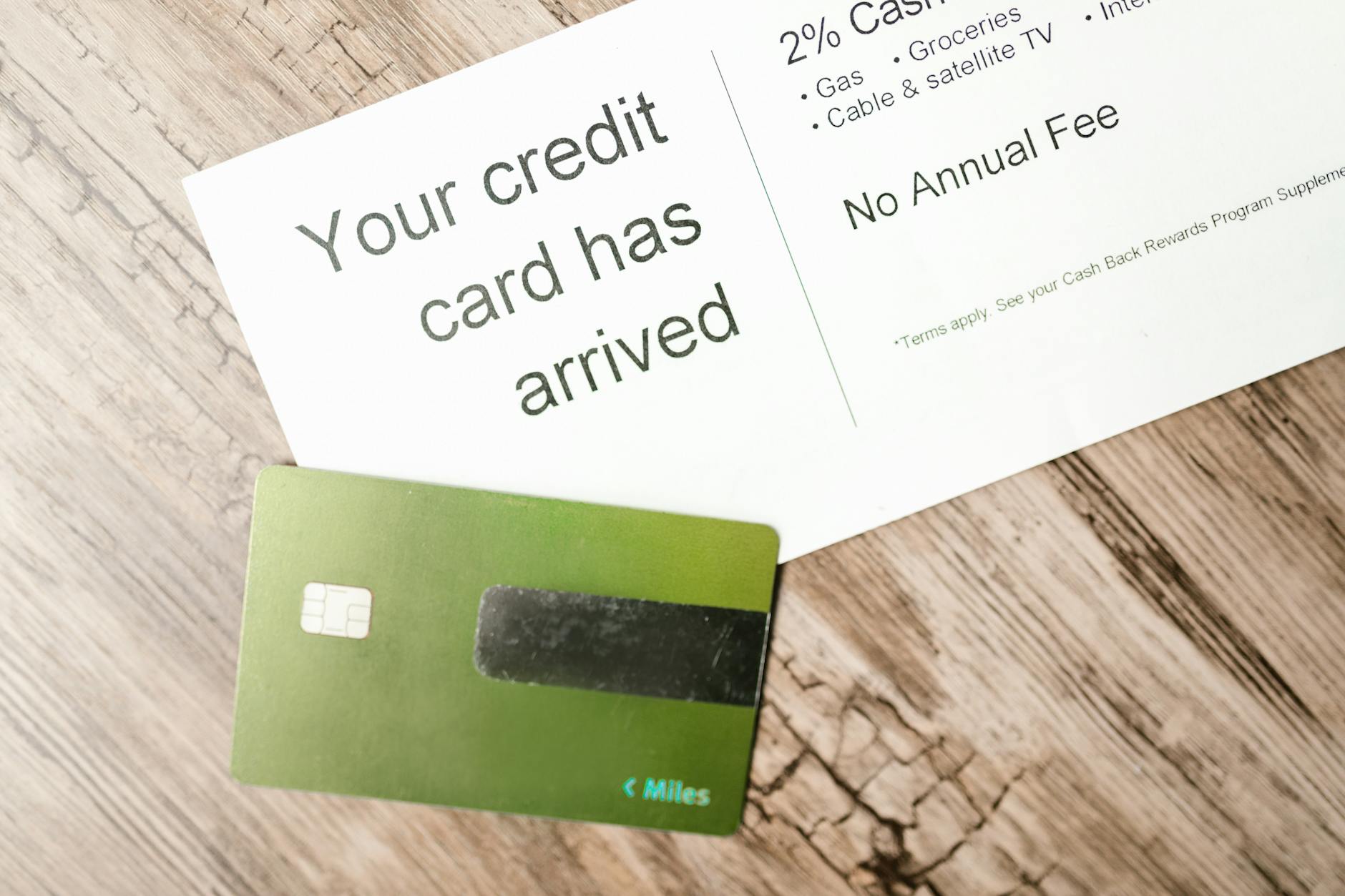

Credit Karma’s “prequalified” offers come with a stark reality that caught hundreds of thousands of consumers off guard: they don’t guarantee approval. Between February 2018 and April 2021, roughly one-third of applicants who pursued supposedly “prequalified” credit card offers from Credit Karma were ultimately rejected by lenders, despite the platform’s claims of “90% approval odds.” The Federal Trade Commission (FTC) took action against Credit Karma for these misleading claims, requiring the company to pay $3 million in restitution and identifying nearly 500,000 consumers eligible for claims as part of a settlement. The warning is clear: what Credit Karma labels as “prequalified” is not what most people think it means, and the gap between that label and actual approval can lead to disappointing denials, credit score impacts, and wasted time. The core problem lies in how Credit Karma generates these offers.
When you see a “prequalified” offer on the platform, it’s based on a soft inquiry—a limited snapshot of your credit profile that lenders use as a preliminary screening tool. This soft inquiry cannot tell the full story. Once you actually apply for the credit card, the lender conducts a hard inquiry and verifies your income and employment history, information that wasn’t fully evaluated during the initial prequalification step. Millions of consumers have learned this lesson the hard way, discovering that a positive prequalification meant almost nothing when the lender’s full underwriting process began.
Table of Contents
- Why Does Credit Karma’s Prequalified Status Still Result in Denials?
- What “Approval Odds” Actually Mean (And Why They Aren’t Guarantees)
- The Credit Karma Prequalified Offer Denial Problem: A Deeper Look
- Prequalified vs. Pre-Approved: What’s the Difference, and Why It Matters
- Why the Score Difference Between Credit Karma and Your Lender Matters
- The Hard Inquiry Impact: Why Each Application Matters
- Protecting Yourself: How to Verify Before You Apply
- Conclusion
Why Does Credit Karma’s Prequalified Status Still Result in Denials?
The mechanics of prequalification create a false sense of security. Credit Karma uses soft inquiries—credit checks that don’t show up on your credit report and have no impact on your credit score—to generate “prequalified” offers. These soft inquiries provide a limited view of your credit profile, showing only certain pieces of information that lenders deem relevant for initial screening. However, they do not include verification of your current income, employment status, debt-to-income ratio, or other financial details that lenders consider during full underwriting. When you move forward and formally apply for the card, the lender pulls a hard inquiry, which is a different beast entirely. This hard inquiry reveals more complete information and may uncover issues or inconsistencies not visible in the soft inquiry—a missed payment you forgot about, a recent job change, or existing debt loads that weren’t part of the initial prequalification assessment. The FTC’s enforcement action against Credit Karma revealed the scale of this problem. From the settlement documents, approximately one in three applicants who received prequalified offers were denied when they formally applied.
For Credit Karma users during that period, this wasn’t a minor inconvenience. Each formal application triggered a hard inquiry, which typically decreases your credit score by a few points and remains on your credit report for up to two years. So consumers were not only facing unexpected denials—they were also dealing with credit score damage from inquiries that ultimately led nowhere. Another critical factor contributing to denials is the difference between the VantageScore that Credit Karma displays and the FICO score that most lenders actually use. Credit Karma uses VantageScore 3.0 to calculate your credit profile, but the majority of lenders rely on FICO scores when making credit decisions. The gap between these two scores can range from just a few points to as much as 20 to 50 points, depending on your credit history. This means you could have a strong VantageScore on Credit Karma and still fall below a lender’s FICO-based approval threshold. When you apply after seeing a prequalified offer, the lender pulls your actual FICO score, and if it’s significantly lower than your VantageScore, the prequalification becomes meaningless.

What “Approval Odds” Actually Mean (And Why They Aren’t Guarantees)
Credit Karma displays “Approval Odds” percentages next to each prequalified offer, sometimes showing numbers like “90% approval odds” or similar metrics. Many consumers interpret these percentages as the likelihood they’ll be approved if they apply—a reasonable misreading, given the way they’re presented. In reality, these Approval Odds are statistical estimates based on analyzing your credit profile and comparing it to patterns across other Credit Karma members, not actual lender data. They are calculated by Credit Karma using its own algorithms, not by the lender offering the card. The FTC’s enforcement action specifically highlighted this misleading messaging, noting that Credit Karma presented these estimates in ways that suggested they were guarantees or near-guarantees of approval.
Here’s where the distinction matters most: a high Approval Odds percentage from Credit Karma is not the same as a lender’s internal approval decision. Credit Karma is essentially saying, “Based on our model and how similar Credit Karma users have fared, we estimate you have a good shot at approval.” This is fundamentally different from a lender saying, “We have reviewed your application and approved you pending final verification.” The lender can and will change its mind once it conducts its full underwriting process, reviews your actual FICO score, verifies your income, and checks for any recent negative information on your credit report. The Approval Odds, no matter how high, do not factor in all of this information until you formally apply. This creates a gap between expectation and reality that has tripped up hundreds of thousands of consumers. The FTC settlement acknowledged exactly this problem: prequalified offers were being presented in ways that implied approval when, in fact, approval was far from certain.
The Credit Karma Prequalified Offer Denial Problem: A Deeper Look
The sheer number of consumers affected by prequalified offer denials underscores the scale of the issue. The FTC identified 497,425 consumers who were offered prequalified credit cards from Credit Karma during the period of the settlement but were denied when they applied. That’s nearly half a million people who followed Credit Karma’s recommendations and faced unexpected rejections. For each of those consumers, the impact extended beyond just the emotional disappointment of a denial. Each formal application triggered a hard inquiry that damaged their credit score.
For consumers applying to multiple offers or considering home or auto loans in the near future, these hard inquiries could have had meaningful financial consequences. The denial rate that emerged from the FTC settlement—approximately 33 percent—is staggering when you consider Credit Karma’s marketing around these offers. The platform prominently displayed Approval Odds and prequalified status as positive indicators. Consumers reasonably assumed that if Credit Karma was showing them a prequalified offer with favorable odds, they had cleared a meaningful approval hurdle. Instead, one in three applicants discovered that they hadn’t. The settlement required Credit Karma to pay $3 million in restitution, an amount that reflects the genuine harm caused to consumers—not just lost time, but actual damage to credit scores, potential rejection when seeking other credit, and the psychological impact of being told they were qualified only to be denied.

Prequalified vs. Pre-Approved: What’s the Difference, and Why It Matters
Understanding the terminology is the first step toward protecting yourself from Credit Karma surprises. “Prequalified” and “pre-approved” sound similar, but they represent very different levels of lender commitment. Prequalification is typically borrower-initiated; it’s what happens when you check Credit Karma’s marketplace and see offers marked as prequalified. It’s based on a soft inquiry and represents the lender’s preliminary interest, but it’s not a strong commitment. Pre-approval, by contrast, is typically lender-initiated, meaning the lender has taken the first step toward you rather than the other way around. Pre-approval involves a more thorough review of your credit and financial information and suggests a higher likelihood of approval, though even pre-approval doesn’t guarantee approval once you formally apply. However—and this is a critical caveat—neither prequalification nor pre-approval guarantees approval after you submit a formal application.
Both are preliminary indicators, not final decisions. Once you apply, the lender conducts a hard inquiry and performs full underwriting, which can reveal information or circumstances that change the approval decision. The hard inquiry itself impacts your credit score, typically by a few points, and the inquiry remains on your report for up to two years. This means that pursuing a prequalified offer carries a real cost if you’re denied: you’ve lowered your credit score for a denial. The comparison to pre-approval is instructive because it highlights the spectrum of certainty. Pre-approval places you higher on that spectrum than prequalification, but even pre-approval is not a guarantee. This is why the FTC took issue with Credit Karma’s presentation of prequalified offers—the platform’s messaging made it seem like these offers were much closer to actual approvals than they truly were.
Why the Score Difference Between Credit Karma and Your Lender Matters
When you check your credit score on Credit Karma, you’re looking at a VantageScore 3.0. This score is calculated differently from the FICO scores that most lenders use when evaluating your creditworthiness. The differences in scoring methodology can create significant gaps. Credit Karma’s VantageScore and traditional FICO scores weight factors like payment history, credit utilization, and length of credit history differently. For some consumers, this might mean their VantageScore is higher than their FICO score; for others, it’s the reverse. The variation can be as small as a few points or as large as 50 points or more.
This gap becomes crucial when you’re evaluating prequalified offers on Credit Karma. You might see a prequalified offer from a lender and think, “Great, I meet their criteria based on my score shown here.” But when you apply and the lender pulls your FICO score, that score might be significantly lower than the VantageScore Credit Karma displayed. Many lenders set approval thresholds based on FICO scores, not VantageScore. If your FICO score is below their threshold while your VantageScore is above it, you’ll be denied despite the prequalified status. This was a key factor in the FTC’s findings: consumers were relying on one credit score metric while lenders were evaluating them using another. The lack of transparency around this difference contributed to the hundreds of thousands of unexpected denials.

The Hard Inquiry Impact: Why Each Application Matters
Every time you formally apply for a credit card after clicking on a prequalified offer, the lender pulls a hard inquiry. This hard inquiry appears on your credit report and can lower your credit score by a few points. While a single hard inquiry might only decrease your score slightly—perhaps 5 to 10 points depending on your credit profile—the damage compounds quickly if you apply to multiple offers, especially if you’re denied on several of them. Over the course of a few months, multiple hard inquiries from denied applications can meaningfully lower your credit score, potentially affecting your eligibility for other types of credit like auto loans or mortgages. Consider a concrete example: imagine you see three prequalified credit card offers on Credit Karma with “85% Approval Odds” on each.
You apply to all three. If the one-in-three denial rate holds, you’re likely to be denied on one of them. That denial comes with a hard inquiry that damaged your credit score. Now your score is lower, which might affect your eligibility for a mortgage you were planning to apply for in six months. The hard inquiry remains on your report for up to two years, and future lenders will see it, potentially questioning why you applied for multiple cards and were denied. This compounding effect is why it’s critical to be selective about which prequalified offers you pursue rather than viewing them as risk-free applications.
Protecting Yourself: How to Verify Before You Apply
The most effective defense against Credit Karma prequalified offer denials is to verify information independently before you apply. Start by checking your actual FICO score from a source lenders actually use, rather than relying solely on Credit Karma’s VantageScore. Several services offer access to FICO scores, some through your own bank or credit card issuer, and others through services specifically designed to provide FICO access. Once you know your actual FICO score, you can cross-reference it against the lender’s stated approval requirements. Many lenders publish their typical FICO score ranges for approval; if your FICO score falls below that range, the prequalified offer is unlikely to result in approval despite Credit Karma’s blessing.
Beyond checking your FICO score, review the lender’s official preapproval documents directly if available. Some lenders offer the option to check your preapproval status on their own website without triggering a hard inquiry. This direct verification is more reliable than marketplace metrics displayed by third-party platforms like Credit Karma. Additionally, verify that your income and employment information hasn’t changed significantly since you last updated your financial details. Lenders will verify this information during underwriting, and any discrepancies could trigger a denial despite a positive prequalification. By taking these verification steps, you reduce the risk of pursuing a prequalified offer that will ultimately result in a denial and credit score damage.
Conclusion
Credit Karma’s prequalified offers serve a purpose—they can point you toward lenders who have an interest in your business—but they come with a critical caveat that the platform’s past messaging sometimes obscured: prequalified does not mean approved, and approval odds are statistical estimates, not guarantees. The FTC’s $3 million settlement against Credit Karma and the identification of nearly 500,000 affected consumers make this clear. Approximately one in three applicants who pursued prequalified offers were denied, often suffering credit score damage from hard inquiries in the process. The gap between Credit Karma’s VantageScore and lenders’ FICO scores, combined with limited soft-inquiry information and the full verification process triggered by formal applications, explains why prequalification falls short so frequently.
Moving forward, approach Credit Karma’s prequalified offers as a starting point, not a finish line. Verify your actual FICO score independently, cross-reference it against the lender’s known approval criteria, and be selective about which offers you pursue. Understand that every formal application will trigger a hard inquiry that impacts your credit score, and that impact is real even if you’re denied. By treating prequalified offers with appropriate skepticism and doing your own verification work, you can avoid the surprises that caught hundreds of thousands of Credit Karma users off guard and protect your credit score in the process.