
The best money-making apps for retirees in 2025 fall into three practical tiers: passive apps like Rakuten and Honeygain that earn you money with almost no effort, survey and rewards platforms like Swagbucks and InboxDollars that pay modest amounts for your opinions, and gig-service apps like TaskRabbit and Rover that can bring in serious hourly wages if you want more active work. Which tier makes sense depends entirely on how much time and energy you want to spend. A retired handyman charging $47 per hour on TaskRabbit and earning thousands annually is playing a completely different game than someone collecting a few dollars a day answering surveys on their couch — but both are legitimate ways to pad a fixed income. This matters more than it used to. According to AARP’s 2025 research, 6 percent of retirees have returned to the labor market in the past six months, and 48 percent of those “unretirees” cited financial pressures as the primary reason.
Baby boomers now account for 15 percent of all freelancers, and they actually earn more from side hustles than any other generation — an average of $441 per month, according to data from Self Financial. The gig economy is no longer just a young person’s game. Retirement gigs collectively add nearly $6 billion in revenue back into the U.S. economy each year. This article breaks down the specific apps worth your time, what they actually pay (not what their marketing claims), the trade-offs between passive and active earning, and the pitfalls that catch retirees off guard. Whether you want $20 a month or $2,000, the right combination of apps exists — but only if you go in with realistic expectations.
Table of Contents
- Which Money-Making Apps Actually Pay Retirees Enough to Be Worth the Effort?
- Low-Effort Passive Income Apps That Work While You Do Nothing
- Survey and Testing Apps That Pay for Your Opinions and Experience
- Gig Apps That Turn Retirement Skills Into Real Hourly Income
- Tax Implications and Financial Pitfalls Retirees Need to Watch
- Stacking Apps to Build a Realistic Monthly Income
- Where the Retiree Gig Economy Is Headed
- Conclusion
- Frequently Asked Questions
Which Money-Making Apps Actually Pay Retirees Enough to Be Worth the Effort?
The honest answer is that most individual apps do not pay much on their own. The average side hustle earns $688 per month according to Self Financial, but that number is wildly misleading — 58.6 percent of people earn less than $250 per month. The median experience is far more modest than the mean suggests, because a small number of high earners pull the average up. For retirees specifically, the calculus is less about maximizing every dollar and more about finding the right ratio of effort to reward. An app that pays $10 a month but requires zero thought is a better deal for many retirees than one that pays $100 but demands 15 hours of weekly labor. survey and rewards apps illustrate this perfectly. Swagbucks, one of the most popular options, pays most users between $20 and $100 per month.
Power users who dedicate significant time can push that above $250 monthly. But the effective hourly rate works out to roughly $2.04 per hour — well below minimum wage. InboxDollars performs somewhat better at an effective rate of about $4.28 per hour, with individual tasks paying between $0.50 and $5 each and matched surveys occasionally reaching $10 to $20 or more. Neither will replace a paycheck, but if you are already watching television or waiting in a doctor’s office, the marginal effort is close to zero. The apps that pay real money — TaskRabbit, Instacart, Rover, Uber — require real work. TaskRabbit taskers earn between $20 and $89 per hour depending on the skill, with experienced users averaging north of $40 per hour. Instacart full-service shoppers pull in $20 to $30 per hour and can clear $200 or more per day in high-demand areas. Uber drivers averaged $23.33 per hour in 2025 before expenses. These are legitimate income streams, but they also involve physical activity, scheduling demands, and costs like gas and vehicle maintenance that eat into the headline numbers.

Low-Effort Passive Income Apps That Work While You Do Nothing
The most appealing category for retirees who want supplemental income without a second career is the passive tier — apps that generate small amounts of money from things you are already doing or from resources you are not fully using. Rakuten is the simplest entry point. It offers cashback rates between 1 and 10 percent across more than 3,500 partner stores. If you are already shopping online, routing those purchases through Rakuten costs nothing extra. The earnings depend entirely on how much you spend, which means it is not truly “income” so much as a discount that arrives as a quarterly check. For retirees who do a fair amount of online shopping, this can add up to a meaningful amount over a year without changing a single habit. Honeygain takes a different approach by sharing your unused internet bandwidth.
Average earnings run about $10 to $20 per month per device, and running it on multiple devices can push that to $15 to $40 monthly. The requirement is an unlimited internet plan, which most households already have. Survey Junkie offers a hybrid model with its “Surf to Earn” passive program, which pays you for sharing browsing data in exchange for rewards — no active survey-taking required. However, if you are on a metered internet plan or live in a rural area with data caps, bandwidth-sharing apps like Honeygain will either not work or will cost you more in overage fees than they earn. Similarly, passive browsing-data programs raise privacy considerations that not everyone is comfortable with. Stacking multiple passive apps together can yield $50 to $200 per month combined, according to estimates from paid From Surveys, but reaching the higher end of that range typically requires running several apps simultaneously across multiple devices and being disciplined about routing all shopping through cashback portals. The realistic floor for someone running two or three passive apps casually is closer to $30 to $60 per month — not life-changing, but enough to cover a streaming subscription or a monthly dinner out.
Survey and Testing Apps That Pay for Your Opinions and Experience
Retirees actually have an advantage in the survey and user-testing space that younger users do not: life experience and available time. Companies pay for consumer opinions across every demographic, and retired individuals often represent an underserved segment that market researchers actively seek out. UserTesting, which pays $10 per completed test consisting of a 20-minute screen recording and four written follow-up questions, is one of the higher-paying options in this category. The tests involve visiting websites or using apps and narrating your experience aloud. If you can talk through what confuses or frustrates you about a digital product, you already have the core skill.
Survey Junkie and Swagbucks cast a wider net. Survey Junkie’s surveys take a few minutes each, and while individual payouts are small, the consistency of available surveys means you can fill idle time productively. Swagbucks goes beyond surveys to include watching videos, searching the web through their portal, and completing small tasks. InboxDollars follows a similar model but tends to offer higher per-task payouts, which is why its effective hourly rate of $4.28 roughly doubles that of Swagbucks. One retired teacher profiled in multiple personal finance publications described her routine as spending 30 minutes each morning with coffee completing surveys on two platforms, netting roughly $60 to $80 per month. That is not glamorous, but it replaced the budget line item she had previously allocated for household supplies. The key limitation is qualification — many surveys screen you out after several questions if you do not match the demographic they need, which means your actual hourly rate can feel even lower than the published estimates when you account for time spent on surveys you never finish.

Gig Apps That Turn Retirement Skills Into Real Hourly Income
The earning gap between passive apps and gig-service apps is enormous, and the deciding factor is almost always whether you are willing to leave the house. TaskRabbit is the standout for retirees with practical skills. A retiree profiled by Yahoo Finance charges $47 per hour for handyman work on the platform and earns thousands annually. Glassdoor data shows TaskRabbit taskers earning between $20 and $89 per hour, with the average for experienced users sitting around $40 or more. If you spent decades fixing things around your own home, those same skills command premium rates from younger homeowners who never learned how. Rover occupies a gentler niche — pet sitting and dog walking at an average of $20 to $40 per hour.
For retirees who love animals but do not want the full-time commitment of pet ownership, it provides both income and companionship. The work is low-stress, the scheduling is flexible, and repeat clients often become regulars. Housesitting, arranged through apps like TrustedHousesitters, typically pays $50 to $100 per day depending on location and duties, and sometimes includes free accommodation — a genuine perk for retirees who enjoy travel. The trade-off with all gig apps is that higher pay comes with higher friction. Instacart shoppers earning $20 to $30 per hour are walking grocery store aisles, loading cars, and driving to customers’ homes. Uber drivers averaging $23.33 per hour before expenses face the hidden costs of gas, insurance, vehicle depreciation, and self-employment taxes that can reduce take-home pay by 25 to 40 percent. For a retiree comparing a $4 per hour survey app to a $23 per hour driving app, the real comparison after expenses and physical toll might be closer to $4 versus $14 — still a significant difference, but not the five-to-one ratio it appears on the surface.
Tax Implications and Financial Pitfalls Retirees Need to Watch
The part that most “best apps” articles skip is what happens when supplemental income interacts with Social Security, Medicare premiums, and tax brackets. If you are collecting Social Security before your full retirement age and earn above the annual earnings limit — $22,320 in 2024, adjusted annually — Social Security withholds $1 for every $2 you earn over that threshold. Gig income counts toward this calculation. A retiree who picks up $800 a month on TaskRabbit might find that a portion of their Social Security check disappears as a result. Medicare is another consideration. Your Part B and Part D premiums are based on modified adjusted gross income from two years prior.
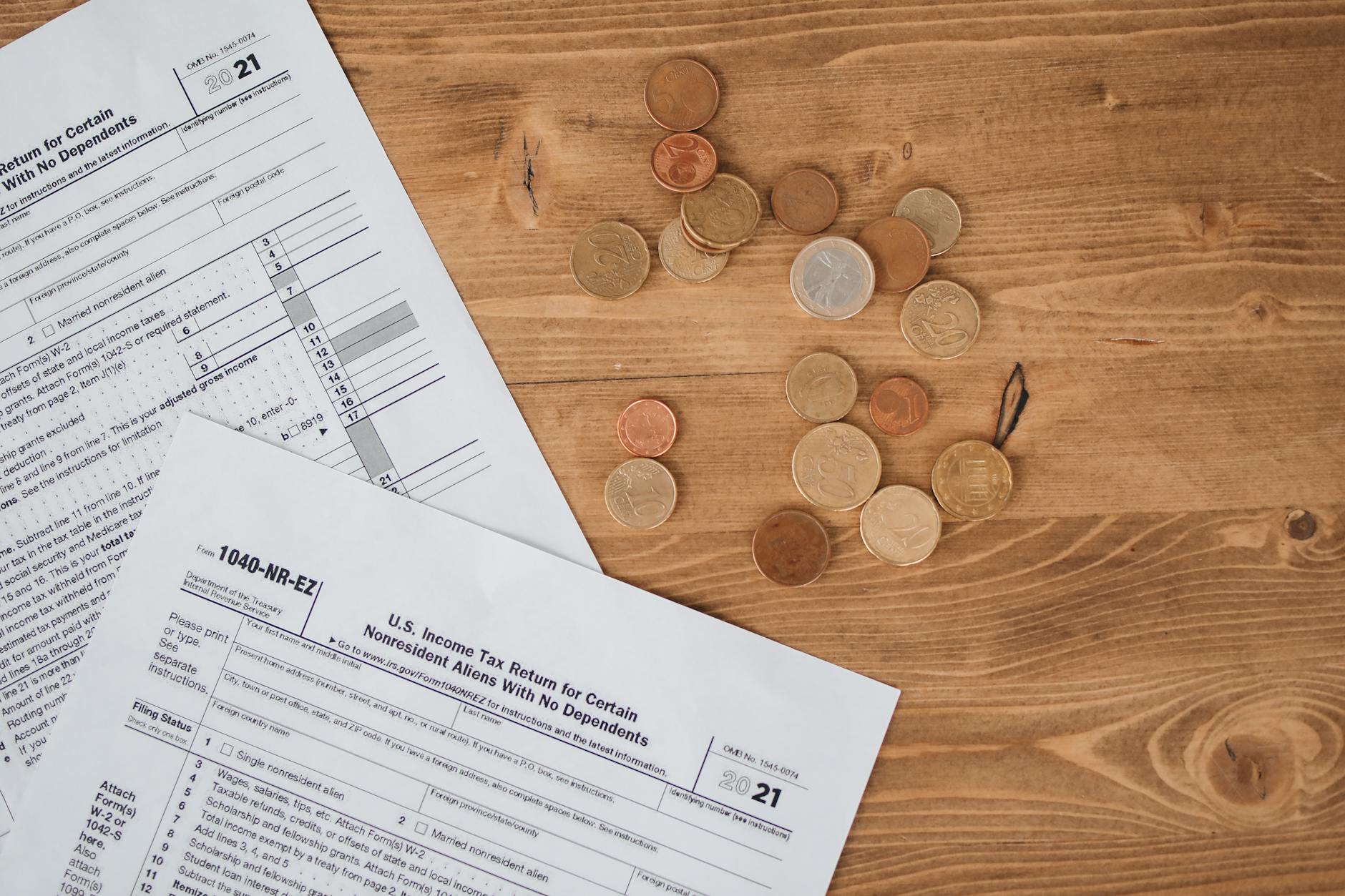
A particularly productive year of gig work in 2025 could mean higher Medicare premiums in 2027. Additionally, all gig income above $400 annually is subject to self-employment tax of 15.3 percent, covering both the employer and employee portions of Social Security and Medicare taxes. Many retirees do not realize this until their first tax filing after starting gig work, and the bill can be jarring. None of this means gig apps are a bad idea — it means you need to understand the full picture before diving in. For retirees earning small amounts through survey and passive apps, the tax impact is usually negligible. But for those pulling in $500 or more per month through active gig work, a conversation with a tax professional before you start is worth the cost. The $100 you spend on that consultation could save you from an unexpected $2,000 tax bill or a reduction in benefits you were counting on.
Stacking Apps to Build a Realistic Monthly Income
The most effective strategy is not picking one app but layering several across the effort spectrum. A practical stack for a retiree who wants supplemental income without a grueling schedule might look like this: Rakuten for all online shopping (variable cashback, no extra effort), Honeygain running in the background on a laptop and tablet ($15 to $30 per month), a morning survey routine on InboxDollars ($40 to $60 per month), and one afternoon per week on TaskRabbit or Rover ($150 to $300 per month depending on rates and hours). That combination could realistically yield $250 to $400 per month — right in the range of that $441 monthly average that baby boomers report from side hustles.
The key is matching each app to a specific time slot or habit you already have, rather than trying to grind hours across multiple platforms. Treat passive apps as set-and-forget background income, survey apps as coffee-time fillers, and gig apps as the once-or-twice-a-week activity that provides both income and a reason to get out of the house. That layered approach prevents burnout while keeping total earnings meaningful.
Where the Retiree Gig Economy Is Headed
The numbers suggest this trend is accelerating, not slowing. Roughly 76 million U.S. workers — about 36 percent of the workforce — are freelancing or doing independent work in 2025, and that figure is projected to reach 86.5 million by 2027. As platforms improve their interfaces and lower barriers to entry, the share of retirees participating will likely grow alongside. Already, 34.2 percent of side hustlers rely on extra income to cover basic living costs, a figure that underscores how supplemental income has shifted from luxury to necessity for many households.
For retirees specifically, the evolution of passive income apps may be the most consequential development. As bandwidth-sharing, data-licensing, and automated cashback tools become more sophisticated, the floor for truly effortless monthly income will rise. The retirees who start building these income stacks now — even at modest levels — will be better positioned to take advantage of new platforms as they emerge. The gig economy is not a fad. It is the new shape of work in retirement, and the sooner you engage with it on your own terms, the more control you retain over your financial life.
Conclusion
The best money-making apps for retirees are not a single recommendation but a combination tailored to your energy level, skills, and financial goals. Passive options like Rakuten and Honeygain require almost nothing from you and deliver modest but real returns. Survey platforms like InboxDollars and Swagbucks fill idle time with small payouts. Gig apps like TaskRabbit, Rover, and Instacart offer legitimate hourly wages for retirees willing to do active work. The sweet spot for most people is a stack of two or three apps across these tiers, producing somewhere between $100 and $500 per month without overwhelming your schedule.
Start with one passive app and one survey app this week — the setup takes minutes and the risk is zero. If you find yourself wanting more, add a gig platform that matches a skill you already have. Track your earnings for a full month before expanding further, and consult a tax professional before your annual gig income crosses the $400 threshold. The goal is not to replace your career. It is to give yourself a financial cushion that makes retirement more comfortable, more flexible, and a little less dependent on forces outside your control.
Frequently Asked Questions
How much can a retiree realistically earn from money-making apps per month?
Most people earn less than $250 per month from app-based side hustles — 58.6 percent fall in that range according to Self Financial data. Baby boomers average $441 per month, but that figure is skewed by high earners on gig platforms like TaskRabbit. A realistic expectation for someone using a mix of passive and survey apps without heavy gig work is $50 to $150 per month.
Will gig app income affect my Social Security benefits?
It can. If you are under full retirement age and earn above the annual earnings limit, Social Security withholds $1 for every $2 over the threshold. Gig income also counts toward modified adjusted gross income, which can increase Medicare Part B and Part D premiums two years later. Small amounts from survey apps are unlikely to trigger these effects, but consistent gig work above a few hundred dollars per month might.
Are passive income apps like Honeygain safe to use?
Honeygain and similar bandwidth-sharing apps are generally considered safe, but they route other users’ web traffic through your internet connection. This requires an unlimited data plan to avoid overage charges. Read the terms of service carefully, and be aware that your IP address is being shared. Earnings average $10 to $20 per month per device.
What is the highest-paying app for retirees?
TaskRabbit consistently offers the highest hourly rates, with experienced taskers earning $40 or more per hour and some charging up to $89 per hour for specialized skills. However, it requires active work and leaving your home. For purely passive income, stacking multiple apps together can yield $50 to $200 per month with no active effort.
Do I need to pay taxes on money earned from apps?
Yes. All self-employment income above $400 annually is subject to federal income tax and self-employment tax of 15.3 percent. Most app platforms will issue a 1099 form if your earnings exceed $600 in a calendar year, but you are responsible for reporting all income regardless of whether you receive a 1099.
Which apps are easiest for someone who is not tech-savvy?
Rakuten is the simplest — install the browser extension and it automatically applies cashback when you shop online. InboxDollars is also straightforward, with a simple interface for completing surveys and watching videos. Both have minimal learning curves compared to gig platforms like TaskRabbit or Instacart, which require navigating maps, scheduling, and customer communication.