
You can realistically earn between fifty and several hundred dollars a month from your couch using free apps that require no special skills, no interview, and no upfront investment. The simplest way to start today is to download a cashback app like Rakuten or Ibotta, a survey platform like Prolific or Swagbucks, and a receipt-scanning app like Fetch Rewards. These three categories alone can put money back in your pocket from purchases you already make and time you already spend scrolling.
One user on the Beermoney subreddit documented earning $387 in a single month by rotating between five apps during evening downtime, which is not unusual for someone willing to put in consistent effort. This article breaks down the specific types of apps that pay real money for zero-experience tasks, what you can realistically expect to earn from each, which ones are worth your time and which are borderline exploitative, and how to organize your approach so the small amounts actually add up. We will also cover tax implications that most “side hustle” articles conveniently ignore, and the warning signs that an app is wasting more of your time than it is worth.
Table of Contents
- What Types of Apps Actually Pay You to Earn Extra Money From Your Couch With No Experience?
- How Much Can You Realistically Earn With Couch-Based Money Apps?
- Which Survey and Task Apps Are Worth Your Time and Which Are a Waste?
- How to Stack Multiple Money-Making Apps for Maximum Couch Earnings
- Tax Implications and Hidden Downsides of App-Based Earnings
- Avoiding Scam Apps and Recognizing Red Flags
- Where Couch-Based Earning Is Headed in the Next Few Years
- Conclusion
- Frequently Asked Questions
What Types of Apps Actually Pay You to Earn Extra Money From Your Couch With No Experience?
The apps that require zero experience generally fall into five categories: cashback and receipt rewards, paid surveys and microtasks, passive data-sharing apps, selling digital services, and bank account bonuses. Cashback apps like Rakuten, Ibotta, and Checkout 51 pay you a percentage back on purchases you were already going to make, which means the “earning” is really just recovering a small slice of money you already spent. Survey apps like Prolific, Swagbucks, and InboxDollars pay you directly for answering questions, watching videos, or completing small online tasks. The critical difference is that Prolific tends to pay significantly more per hour than Swagbucks because it connects you with actual academic researchers rather than marketing firms padding out low-value surveys with disqualification screens.
Passive income apps like Honeygain or Nielsen Computer and Mobile Panel pay you for sharing anonymized internet usage data. These require almost no effort after setup, but the earnings reflect that, often amounting to five to fifteen dollars per month. Meanwhile, bank account bonuses through apps like SoFi or Chime can net you one hundred to three hundred dollars for opening an account and setting up direct deposit, though these are one-time payouts rather than recurring income. Comparing these categories side by side, cashback apps offer the best return on effort for people who already shop regularly, while survey apps offer the best return for people with free time but limited spending.
How Much Can You Realistically Earn With Couch-Based Money Apps?
The honest answer is less than most articles claim. survey apps typically pay between one and five dollars per hour of actual time invested once you account for screening questions that disqualify you, slow-loading pages, and surveys that kick you out partway through. Prolific is the notable exception, where most studies pay between six and twelve dollars per hour equivalent, but the volume of available studies is limited depending on your demographic profile. If you are a twenty-five-year-old male in the United States, you will see far more available studies than a sixty-year-old in a rural area, simply because researchers skew toward certain populations. Cashback apps are more predictable but depend entirely on your spending.
If your household spends eight hundred dollars a month on groceries and everyday purchases, a combination of Ibotta, Fetch Rewards, and a cashback credit card might return three to five percent on portions of that spending, yielding twenty-five to forty dollars monthly. However, if you find yourself buying products specifically because they have a cashback offer, you are spending more to “earn” less, which defeats the purpose entirely. The frugal approach is to only claim cashback on items you would have purchased regardless and treat everything else as a marketing tactic designed to change your behavior. Receipt scanning apps like Fetch Rewards and Receipt Hog fall on the low end of the earnings spectrum. Fetch typically yields about three to five dollars per month in gift cards for a household that scans all their receipts. It takes roughly ten seconds per receipt, so the effort is minimal, but do not expect meaningful income from scanning alone.
Which Survey and Task Apps Are Worth Your Time and Which Are a Waste?
Prolific stands apart from most survey platforms because it enforces minimum pay rates and does not allow researchers to disqualify you after you have started a study. This single feature makes it dramatically more respectful of your time compared to platforms like Survey Junkie or Branded Surveys, where you might spend five minutes answering screening questions only to be told you do not qualify. In practical terms, spending an hour on Prolific typically yields eight to twelve dollars, while an hour on a lower-tier survey site might yield two to four dollars after accounting for disqualifications. Amazon Mechanical Turk, once a reliable microtask platform, has become increasingly competitive and lower-paying for new workers. Without a high approval rating built over thousands of tasks, you will be locked out of the better-paying HITs, which means your first few months involve grinding through penny tasks to build credibility. For most people starting from zero, Prolific and UserTesting, which pays you to record yourself navigating websites and apps, offer a better return on your initial time investment.
UserTesting pays ten dollars per twenty-minute test, which works out to thirty dollars per hour, but tests are not always available and you need a quiet environment with a working microphone. One platform worth mentioning with a caveat is Swagbucks. It offers the widest variety of earning methods, including surveys, video watching, shopping cashback, and game offers. The game offers can be surprisingly lucrative. Completing a mobile game to a specified level within a time limit sometimes pays twenty to fifty dollars per offer. The catch is that some of these games are designed to push you toward in-app purchases, so you need discipline to reach the required level without spending money that wipes out your earnings.
How to Stack Multiple Money-Making Apps for Maximum Couch Earnings
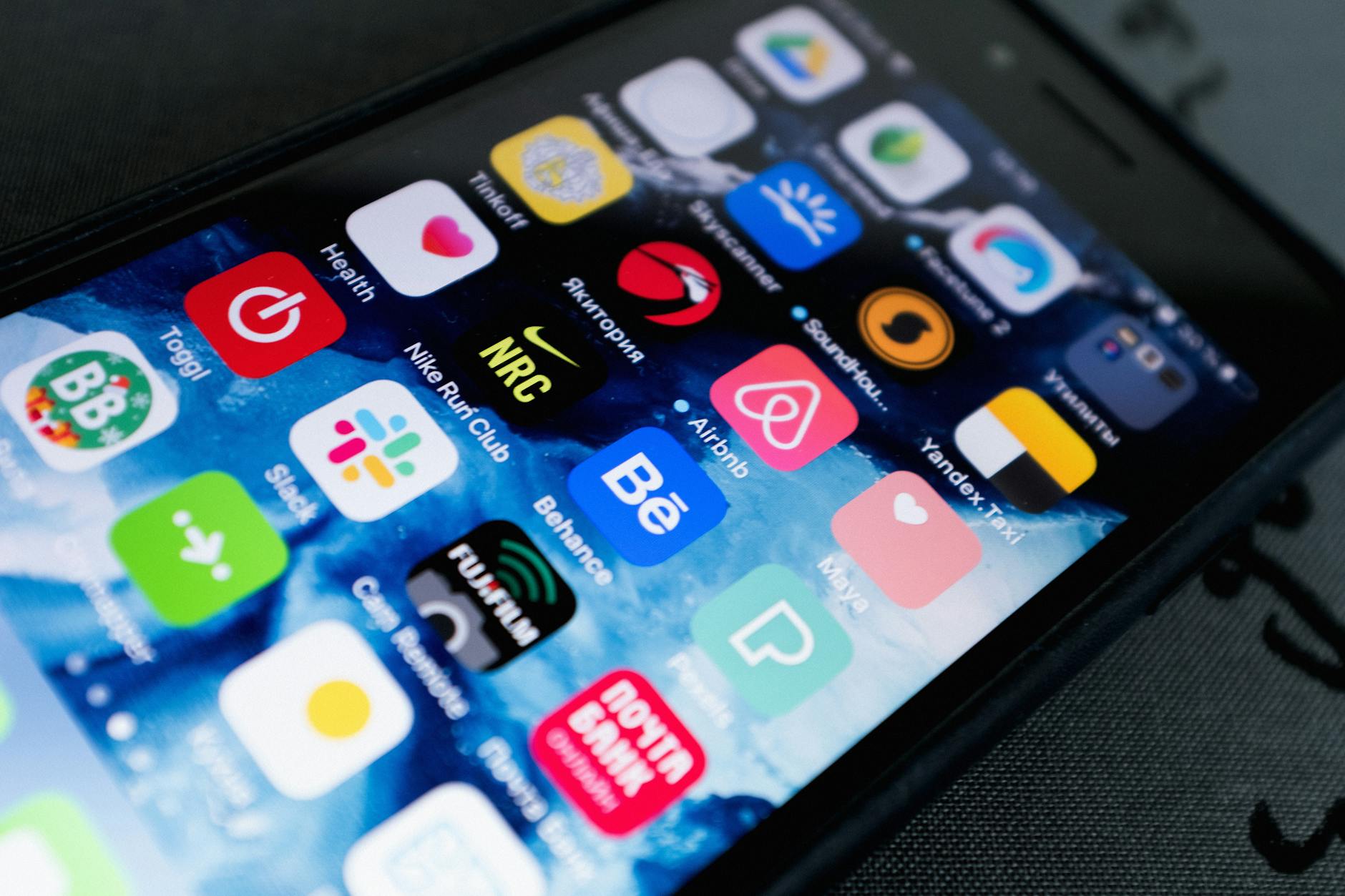
The most effective approach is layering complementary apps rather than grinding one platform exclusively. A practical daily stack looks like this: scan all receipts with Fetch Rewards and Ibotta immediately after any purchase, check Prolific two or three times per day for available studies, route any online shopping through Rakuten or a cashback browser extension, and fill idle time with Swagbucks offers or InboxDollars tasks. This layered approach works because each app captures a different type of value and none of them conflict with each other. The tradeoff with stacking is complexity.
Managing five or more apps means tracking multiple payout thresholds, remembering which app covers which store, and dealing with several different payment timelines. Rakuten pays quarterly, Ibotta lets you cash out at twenty dollars, Prolific pays to PayPal within a few days, and Fetch converts points to gift cards on demand. Some people find that the mental overhead of juggling all of these is not worth the incremental fifty or sixty dollars per month. A simpler two-app approach, one cashback app and one survey platform, captures maybe seventy percent of the potential earnings with far less friction. If you are someone who already feels overwhelmed by budgeting tasks, the simpler setup is probably the right call.
Tax Implications and Hidden Downsides of App-Based Earnings
Most articles about making money with apps gloss over taxes entirely, which does a disservice to readers. In the United States, any income you earn from surveys, tasks, or referral bonuses is taxable as self-employment income. If you earn more than six hundred dollars from a single platform in a calendar year, that platform is required to send you a 1099 form. Even if you earn less than six hundred dollars, you are technically still required to report the income. Survey income is subject to both regular income tax and self-employment tax of 15.3 percent, which surprises people who assumed these small amounts fly under the radar. Cashback and receipt rewards occupy a grayer area. The IRS generally treats cashback on purchases as a discount rather than income, meaning your Rakuten or Ibotta earnings typically are not taxable.
However, sign-up bonuses and referral bonuses are considered income. If you earn a two-hundred-dollar bank account bonus through a fintech app, that is taxable. The practical advice is to keep a simple spreadsheet tracking your earnings by platform and type, so you are not scrambling in April trying to reconstruct what came from where. Another downside rarely discussed is data privacy. Survey companies and passive income apps collect significant amounts of personal data, from your browsing habits to your purchasing patterns to detailed demographic information. You are not just trading time for money. You are trading personal information, and the long-term value of that data to the companies buying it far exceeds what they pay you for it. This does not mean you should avoid these apps entirely, but you should go in with clear eyes about the exchange.
Avoiding Scam Apps and Recognizing Red Flags
If an app requires you to pay money upfront, promises hundreds of dollars per day, or asks for your Social Security number during signup for a simple survey platform, walk away. Legitimate earning apps are free to download, transparent about their pay rates, and only require basic contact information to get started.
A specific red flag is any app that accumulates your earnings in a proprietary point system with a high minimum withdrawal threshold, because these are designed to keep you engaged long enough to generate value for the platform before you ever see a payout. Check the app store reviews, but look specifically for complaints about account deactivation near payout thresholds or suddenly increased requirements to cash out, as these patterns indicate the app may not intend to pay you at all.
Where Couch-Based Earning Is Headed in the Next Few Years
The landscape for no-experience app-based earning is shifting as artificial intelligence changes what companies need from human contributors. Several survey and data-labeling platforms, including Remotasks and Scale AI’s Outlier platform, now pay people to evaluate AI-generated text, rate chatbot responses, or provide training data for machine learning models.
These tasks often pay better than traditional surveys, ranging from fifteen to twenty-five dollars per hour, and they still require no formal credentials. The irony is that AI development has actually created more zero-experience microtask work, at least for now. Whether that remains true as the technology matures is an open question, but for the near term, AI training tasks represent one of the better-paying couch-based earning opportunities available.
Conclusion
Making extra money from your couch using free apps is genuinely possible, but it is a supplement to your income rather than a replacement for it. The realistic range for most people who put in consistent daily effort across multiple platforms is seventy-five to three hundred dollars per month, with cashback apps recovering a portion of existing spending and survey platforms converting free time into modest but real earnings. The keys to making it work are stacking complementary apps, being ruthless about abandoning platforms that waste your time, and understanding that you are trading either attention, data, or both for relatively small payouts. Start with two or three apps rather than trying to optimize everything at once.
Prolific for surveys, Rakuten or Ibotta for cashback, and Fetch Rewards for receipt scanning is a solid foundation that takes less than fifteen minutes per day. Track your earnings for the first month to see if the return justifies the effort for your specific situation. And set aside a portion of what you earn for taxes if your total app income for the year will exceed a few hundred dollars. The money is real, but so are the obligations that come with it.
Frequently Asked Questions
Do I need to report my survey app earnings on my taxes?
Yes. Survey and microtask income is considered self-employment income by the IRS. If you earn over six hundred dollars from a single platform, you will receive a 1099 form. Below that threshold, the income is still technically reportable, though enforcement on very small amounts is minimal.
Which single app pays the most for the least effort?
Prolific consistently offers the best pay rate among survey platforms, typically eight to twelve dollars per hour equivalent, because it connects you with academic researchers who are required to meet minimum compensation standards. However, study availability varies by your demographic profile.
Are passive income apps like Honeygain actually worth it?
They pay very little, usually five to fifteen dollars per month, in exchange for sharing your internet bandwidth and usage data. If you are comfortable with the privacy tradeoff and do not mind the minimal earnings, they require virtually no ongoing effort. But do not expect them to meaningfully contribute to your income.
Can I use these apps if I live outside the United States?
Many cashback apps like Rakuten and Ibotta are US-only or have limited international availability. Prolific is available in many English-speaking countries and parts of Europe. Swagbucks operates in several countries but with reduced earning opportunities outside the US. Check each app’s availability before investing time in account setup.
How do I avoid getting disqualified from surveys constantly?
Use Prolific instead of traditional survey routers, since it prohibits disqualification after you begin a study. On other platforms, fill out profile surveys completely and honestly so the system pre-screens you for relevant studies rather than sending you into surveys you will be kicked out of after answering demographic questions.