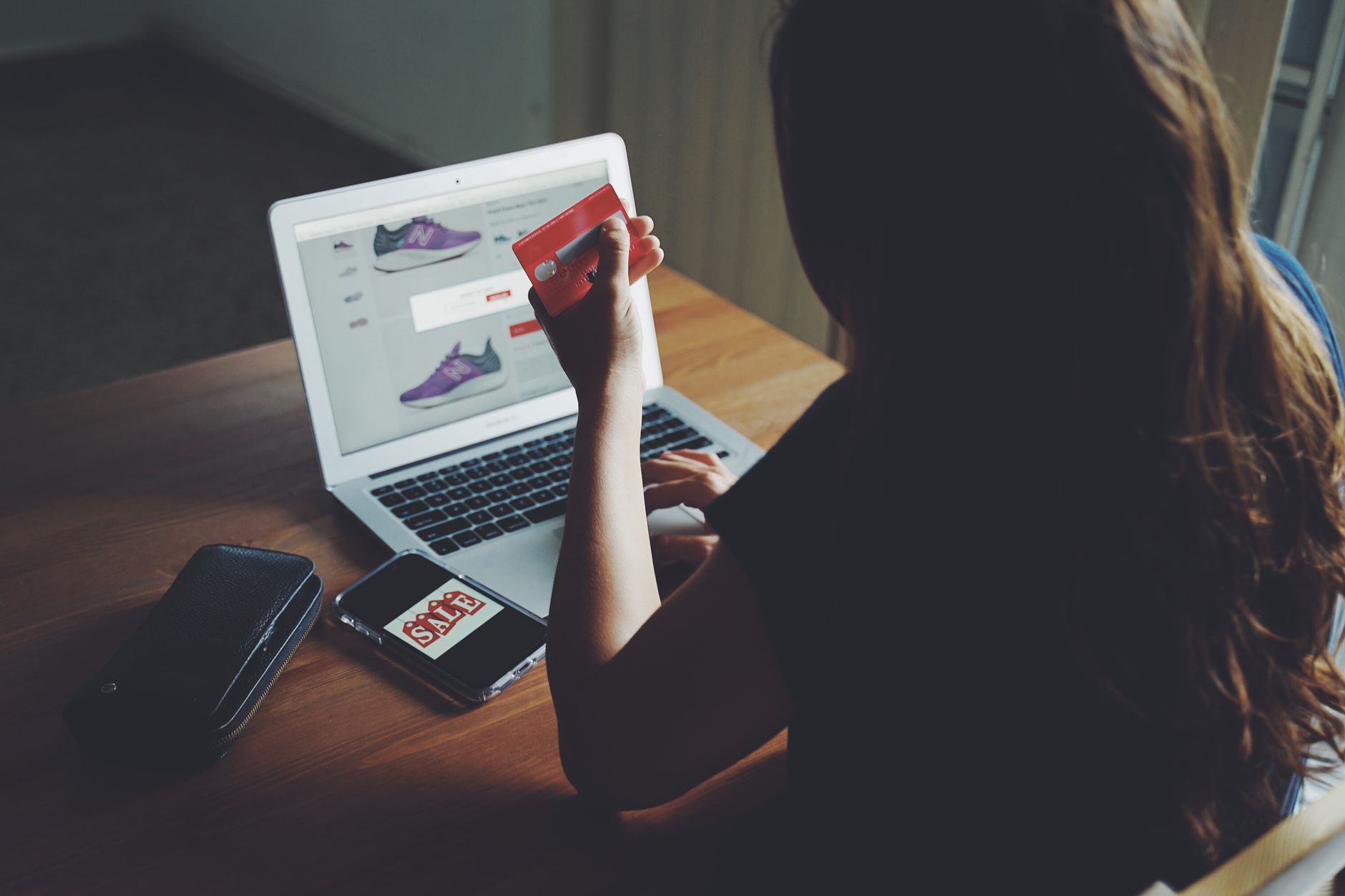

Women’s shoes are frequently advertised with discounts reaching up to 90 percent off on Amazon and similar retailers, often accompanied by free Prime shipping offers. These sales are real and recurring, but the “up to” language is important—not every shoe in a sale will hit that maximum discount, and the stated original prices may differ significantly from what regular customers typically pay.
For example, a pair of casual sneakers might be marked down from a listed $180 to $18, but that shoe’s everyday price at other retailers could be $60, meaning the effective savings relative to actual market value is considerably less dramatic. Free Prime shipping adds tangible value to shoe purchases since standard shipping costs typically run $5 to $10 per order. However, the combination of extreme discounts and free shipping can sometimes indicate that shoes are overstocked, discontinued styles, or closeout inventory rather than current popular models.
Table of Contents
- Are Women’s Shoe Sales Really Up to 90 Percent Off?
- Understanding How “Up to” Discounts and Original Pricing Work
- Free Prime Shipping Benefits on Shoe Purchases
- How to Spot Legitimate Shoe Deals Versus Inflated Discounts
- Common Issues With Deep Discounts on Women’s Shoes
- Return Policies and Quality Concerns
- Timing Your Purchase for Maximum Savings
- Frequently Asked Questions
Are Women’s Shoe Sales Really Up to 90 Percent Off?
Yes, these sales do happen, but they operate within specific parameters that matter to your wallet. Retailers use “up to” language because only a fraction of their inventory reaches the highest discount tiers. In a typical shoe sale, perhaps 15 to 20 percent of available styles might hit the 80-to-90 percent range, while the majority of items fall between 20 and 50 percent off. This is a standard retail strategy: the deepest discounts attract shoppers, but the store makes most of its margin on the moderately discounted items that the majority of customers actually purchase.
The math behind these steep discounts often involves inflated original prices. A shoe listed at $200 with an “$180 original price” tag may have been priced that way primarily for sales purposes rather than reflecting genuine everyday pricing. Retail price tags on shoes frequently exceed what savvy shoppers find elsewhere, especially on amazon and during dedicated sale periods. Comparing the sale price to prices at multiple retailers—not just the listed original price—gives you a realistic view of whether you’re actually getting a deal.
Understanding How “Up to” Discounts and Original Pricing Work
Retailers use original pricing as their baseline for calculating discount percentages, and these baselines can be set strategically. A shoe’s “original price” might reflect the manufacturer’s suggested retail price (MSRP), the price from several seasons ago, or simply a threshold the retailer has decided to use as a reference point. None of these necessarily reflect what the shoe actually cost at that same retailer in recent months. When a shoe is marked down from $160 to $32, that’s technically a 80 percent discount, but if that shoe sold for $45 during a normal sale month, your real savings is only 29 percent.
free Prime shipping is a genuine benefit because it eliminates friction on the purchase and removes a cost that would otherwise apply. However, this benefit is often most valuable for lower-priced items or bulk purchases. A single pair of shoes worth $20 benefits dramatically from free shipping that would otherwise cost $7, but a pair worth $80 with free shipping saves proportionally less. If you’re buying multiple pairs in one order, the per-item shipping savings dilutes further. Always verify that the total sale price (discount plus free shipping) genuinely compares well to the same shoe from other trusted sellers.
Free Prime Shipping Benefits on Shoe Purchases
Free Prime shipping appeals to buyers primarily because of speed and reliability. Amazon Prime members typically receive shoes within two days in most U.S. locations, and many shoe styles arrive even faster. This is substantially faster than the standard 5-to-7-day shipping many other retailers offer, even when that shipping is free. For someone who needs shoes urgently—whether for an upcoming event or to replace worn-out footwear—the time savings alone justifies choosing a Prime option.
The catch is that free Prime shipping requires an active membership, which costs $139 annually or $14.99 monthly. That membership is valuable if you’re a frequent shopper, but if you’re buying shoes only once or twice yearly, the annual cost shouldn’t factor into your decision-making on individual purchases. Free shipping on a single transaction doesn’t offset the membership fee if that’s your only use. Additionally, not all shoes shown in Prime-shipping sale advertisements actually qualify for free two-day delivery; some use Prime’s standard “free shipping” option, which arrives within 5-to-7 business days, or only free shipping for orders over a certain amount. Always check the shipping timeline and any fine print before adding items to your cart.
How to Spot Legitimate Shoe Deals Versus Inflated Discounts
The most reliable approach is comparison shopping across at least three retailers before you buy. Check the shoe’s price at the original brand’s website, at Zappos, at Nordstrom, and on Amazon itself. If a shoe is listed at $30 during a sale but costs $35 at the brand’s own store, that’s not a compelling discount. Conversely, if the same shoe sells for $65 at the brand’s site and you find it for $20 during a sale, that’s a genuine bargain worth acting on. Trend-aware shoppers can also check retail tracking sites or price history tools that show a shoe’s pricing over time, revealing whether a “discounted” price is actually lower than its recent history.
Brand and season matter significantly. Sales offering 70 to 90 percent off designer shoes or current-season popular styles are relatively rare; those discounts more commonly apply to lesser-known brands, older seasons, or niche styles. If you see a highly sought-after brand-new running shoe at 85 percent off while it’s still being promoted as current inventory elsewhere, investigate further. An unbeatable deal on this season’s hot sneaker could indicate counterfeit merchandise, returns sold as new, or an error in the retailer’s pricing system. Counterfeit shoes sold through unauthorized channels are common enough that this warrants serious caution.
Common Issues With Deep Discounts on Women’s Shoes
The quality of shoes offered in extreme-discount sales often reflects why they’re being heavily marked down. They may be returns from other customers, overstock inventory the retailer needs to clear, discontinued styles with limited support available, or shoes from lesser-known manufacturers attempting to build market share through loss-leader pricing. None of these necessarily means the shoes are defective, but it explains why a $180 shoe might actually sell for $18. Shoes from major, trusted brands sometimes appear in these sales, but when they do, there’s usually a reason: the style didn’t sell well at regular price, the size range is incomplete (leaving only extreme sizes or unpopular widths), or they’ve been on the shelf for a full year or more.
Material degradation is a real concern with older inventory. Shoe adhesives, rubber soles, and fabric coatings degrade over time, especially if shoes have been stored in warm conditions or high humidity. A shoe that sat in a warehouse for 18 months at $180 and then went on sale at $18 might feel stiff, develop sole separation within weeks, or show signs of dry rot that aren’t obvious on first inspection. Amazon’s return policy provides some protection here—you have 30 days to return—but discovering a shoe’s problems after that window closes means you’re stuck with a pair you can’t wear. Always inspect shoes thoroughly upon arrival and test them on a walk immediately rather than waiting weeks.
Return Policies and Quality Concerns
Amazon’s return window for shoes is typically 30 days from delivery, but some sellers enforce stricter policies. Always verify the specific return terms before completing a purchase, especially if you’re buying from a third-party seller using Amazon’s platform rather than directly from Amazon itself. Some sellers require return shipping to be paid by the customer, which can cost $7 to $12, effectively raising your breakeven point if you’re returning inexpensive shoes. If the shoe is damaged or defective, Amazon usually covers return shipping, but you’ll need to report the issue through their system and provide photos.
Testing shoes for fit at home is crucial because shoe sizing varies considerably across brands and manufacturers. A size 8 in one brand may feel loose in another brand, and ordering multiple sizes to try on then returning the non-fitting pairs is a common strategy. However, each return takes time and effort, so ordering shoes strategically—researching the brand’s known sizing patterns and ordering only the size you’re confident in—saves frustration. Customer reviews often mention whether a shoe runs large, small, or true to size, providing valuable guidance. Shoes designed for specific activities, like running shoes or professional dress shoes, have tighter size ranges, so there’s less flexibility if the first size doesn’t fit perfectly.
Timing Your Purchase for Maximum Savings
Major shoe sales happen predictably around seasonal transitions: the end of summer as fall inventory arrives, late fall moving into holiday season, and late winter heading into spring. Shopping during these windows—late August, November through early December, and late January through February—generally yields better discounts than shopping during off-peak months. Amazon’s Prime Day (mid-July) and Black Friday (late November) are predictable sale events where women’s shoes often receive additional discounts on top of ongoing promotions.
Size and color availability significantly impacts the depth of discount you’ll find. Unpopular colors—neon shades, unusual neutrals, or very trendy colors that have already cycled through hype—often receive steeper discounts than classic black, white, or navy. Extreme sizes, particularly very small (size 4 or under) or large (size 11 and up) shoes, also tend to be marked down more aggressively since they have a smaller customer base. If you’re flexible on aesthetics, choosing a less popular color or shade can mean the difference between a 40 percent discount and a 70 percent discount on the exact same shoe model.
Frequently Asked Questions
Are shoes sold at extreme discounts on Amazon typically counterfeit?
Not necessarily. Most are overstocked styles, discontinued models, or legitimate closeouts. However, the deeper the discount relative to the brand’s own pricing, the more important it is to inspect the shoe for authenticity markers—proper stitching, consistent branding, quality packaging, and materials that match the brand’s standards. If a well-known brand’s shoes are at 85 percent off while selling for full price elsewhere, caution is warranted.
Does Amazon Prime membership pay for itself if I’m only buying shoes?
Only if you’re purchasing frequently. At $139 annually, you’d need to save at least that much across all purchases to break even. A single pair of shoes with free shipping saves you maybe $8, so you’d need to make roughly 17 such purchases yearly. If you’re a general shopper (groceries, household items, books), Prime often pays for itself easily. If you’re buying shoes only, consider purchasing without Prime membership when possible.
What’s the best way to verify a shoe sale price is actually a good deal?
Check the same shoe’s price at the brand’s official website, two other major retailers, and use a price history tool if available. If the sale price is at least 20-25 percent below the median price across all sources, it’s a legitimate deal. If it’s below the lowest price you’ve ever seen for that shoe, investigate whether the shoe is counterfeit, a return, or there’s some other explanation for the unusually low price.
Can I return shoes to Amazon if they don’t fit, even from a sale?
Yes, during the standard 30-day return window. However, some third-party sellers may charge for return shipping on non-defective items. Check the seller’s policy before purchasing, particularly if it’s not directly from Amazon. Amazon-owned sales almost always include free return shipping on non-defective shoes.
How can I tell if a shoe is actually new or if it’s a return being sold as new?
Inspect the box, packaging, and shoe tags carefully upon arrival. New shoes should have no creases, manufacturer tags should be intact and crisp, and shoe soles should show no wear. Return shipments sometimes show signs of previous unpacking or wear. If the shoe appears worn or the packaging looks reused, contact Amazon and request a replacement or refund.