
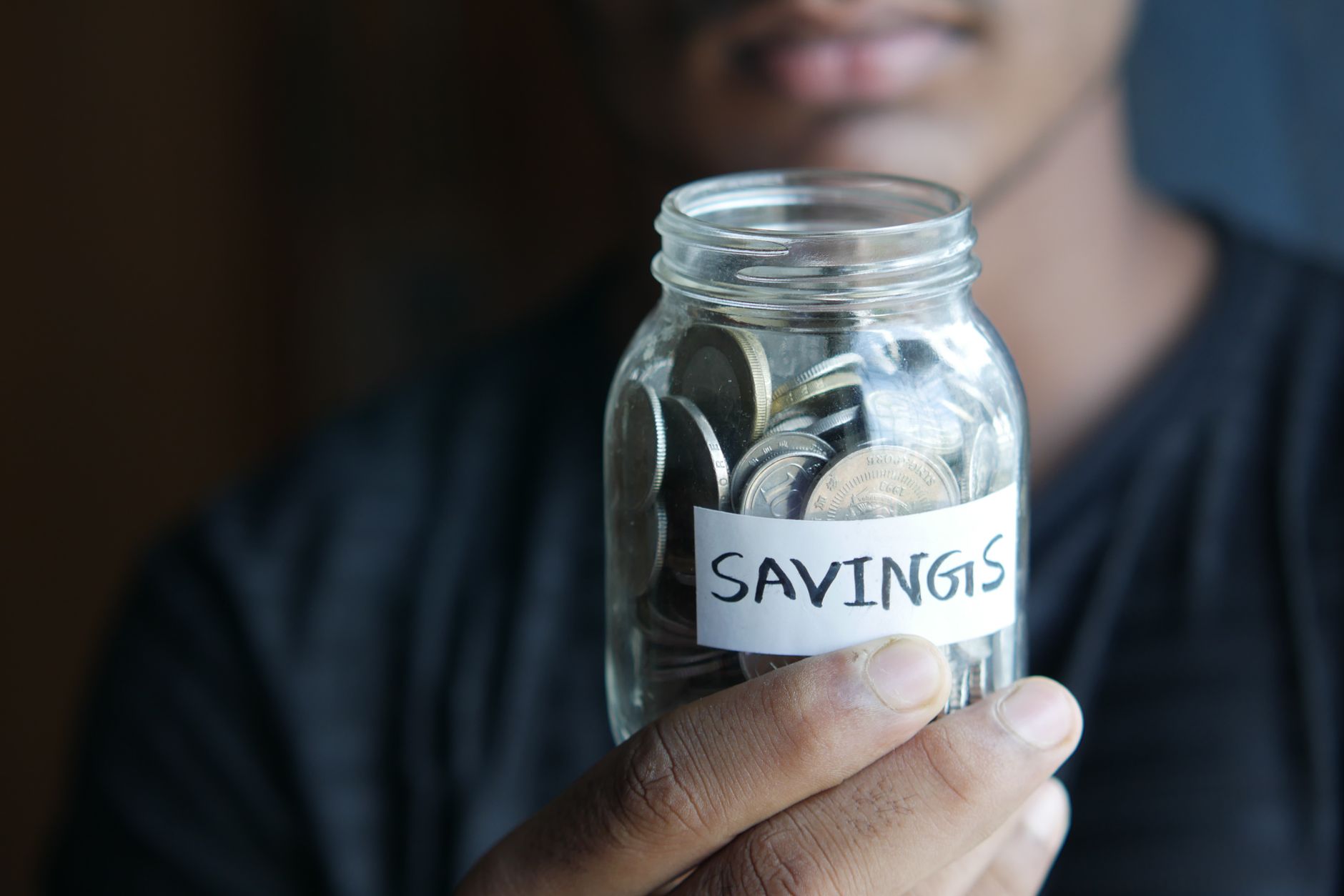

Ways to save money in 2026 include cutting recurring costs, building emergency savings, managing debt, and using available retirement contributions. These choices affect nearly every household, but the right priority depends on income stability, cash reserves, debt costs, and upcoming needs. U.S.
consumer prices rose 3.4% year over year in August 2026, according to the U.S. Bureau of Labor Statistics. Reviewing expenses and redirecting savings toward necessities with the fastest price growth can help protect purchasing power.
Table of Contents
- Start With the Expenses That Keep Rising
- Build Protection Against a $400 Surprise
- Match the Plan to Your Income
- Decide Whether Retirement Saving Comes First
- Turn Savings Into a Repeatable System
- Frequently Asked Questions
Start With the Expenses That Keep Rising
Recurring expenses deserve attention because they continue draining money after a single purchase ends. Review housing-related bills, insurance, subscriptions, utilities, transportation, and service plans for price increases or unused features. Compare each expense with its current value.
Cancel services you rarely use, ask providers whether a lower-cost option exists, and replace expensive habits with cheaper alternatives where the change will not create new costs. Direct the money you save toward a specific purpose. Building cash reserves, paying down expensive revolving debt, or covering a fast-rising household need gives each reduction a measurable benefit.
Build Protection Against a $400 Surprise
The Federal Reserve reported that 63% of U.S. adults could cover a hypothetical $400 emergency with cash or its equivalent in 2024. That leaves many households vulnerable to borrowing after a repair, medical bill, or other sudden expense.
An emergency fund is money kept separate for unplanned costs or income loss. The Consumer Financial Protection Bureau explains that even a small reserve can help prevent a short-term problem from becoming longer-term debt. Begin with an amount you can maintain consistently. Keep the first target accessible, then add to it as your budget allows.
Match the Plan to Your Income
Savings targets should reflect how money arrives, not just how much a household earns. The Federal Reserve found that 55% of adults had savings covering three months of expenses in 2024. The share was 24% among adults with family income below $25,000 and 75% among those earning at least $100,000.
People with regular pay may use automatic transfers or split direct deposits. The CFPB recommends monitoring these transfers so the account does not fall short and trigger overdraft fees. For irregular income, track deposit dates and bill due dates together. Where possible, negotiate due dates, then use part of a tax refund or another one-time payment to establish a reserve.
Decide Whether Retirement Saving Comes First
Eligible workers may defer up to $24,500 into a 401(k), 403(b), SARSEP, or SIMPLE plan in 2026. The Internal Revenue Service also states that participants aged 60–63 may qualify for an $11,250 401(k) catch-up contribution when their plan permits it.
Those limits describe what may be contributed, not what every household should contribute first. Accessible emergency savings and debt reduction may deserve priority when a household has no cash reserve or carries expensive revolving debt. Use this order as a practical checkpoint:.
- Keep enough accessible cash to handle the next likely emergency.
- Reduce expensive revolving debt while avoiding new balances.
- Increase retirement contributions as cash flow becomes more reliable.
Turn Savings Into a Repeatable System
A savings plan works best when it requires few decisions. Choose one recurring expense to review, one automatic transfer that fits your cash flow, and one account or debt balance to monitor each month.
Recheck the plan after a major income change, new bill, or unexpected expense. A transfer that was affordable last month can cause overdrafts when timing changes. The most useful next step is specific: review the last month of transactions, identify one recurring cost to reduce, and move the first affordable amount into a dedicated emergency fund.
Frequently Asked Questions
What is the best first way to save money?
Review recurring expenses and create a small, accessible emergency reserve before increasing long-term contributions.
How much should someone automate?
Choose an amount that fits reliably after bills and monitor the account to avoid overdraft fees.
Should retirement contributions come before debt repayment?
Not always. Households without emergency savings or carrying expensive revolving debt may need accessible cash and debt reduction first.


