

The single biggest bank bonus available in March 2026 is the Chase Private Client Checking offer, which pays up to $3,000 for depositing $500,000 or more in new-to-Chase money within 45 days. But you do not need half a million dollars to walk away with a meaningful bonus this month. The Chase Total Checking account, one of the most widely available promotions in the country, pays $400 for setting up a direct deposit of $1,000 or more, and the Chase Secure Banking account pays $125 with no minimum direct deposit at all.
Between the major national banks and a handful of strong regional players, there are more than a dozen legitimate bonus offers on the table right now. This ranked list covers every notable bank bonus deal for March 2026, sorted by payout from highest to lowest. We will walk through the top-tier offers requiring large deposits, the mid-range bonuses in the $400 to $600 range that are realistic for most working households, and the smaller but easier-to-grab bonuses under $300. Beyond the raw numbers, we will dig into qualification requirements, monthly fee traps, tax implications, and the specific deadlines you need to watch so you do not leave money on the table.
Table of Contents
- What Are the Highest-Paying Bank Bonus Deals in March 2026?
- Mid-Range Bonuses Between $400 and $600 That Most People Can Actually Qualify For
- Which Low-Deposit Bank Bonuses Are Worth Grabbing in March 2026?
- How to Compare Bank Bonuses Beyond the Dollar Amount
- Tax Implications and Pitfalls That Catch People Off Guard
- Key Deadlines to Watch This Month
- Is March 2026 a Good Time to Chase Bank Bonuses?
- Conclusion
- Frequently Asked Questions
What Are the Highest-Paying Bank Bonus Deals in March 2026?
The top of the list belongs to three banks willing to pay four figures for large deposits. Chase Private Client Checking leads the pack with a tiered structure: deposit $150,000 to $249,999 in new money and collect $1,000, bring $250,000 to $499,999 and earn $2,000, or move $500,000 or more to Chase and receive $3,000. That offer expires April 15, 2026, so the window is narrowing. Wells Fargo follows with up to $2,500 for high-balance customers, and Capital One 360 rounds out the top tier with up to $1,500 for large savings deposits.
These bonuses look impressive, but they are not free money in the way a $400 checking bonus might be. To earn the full $3,000 from Chase, you need to park half a million dollars in their accounts, which means that money is not earning interest elsewhere. If you were keeping $500,000 in a high-yield savings account paying 4.5 percent, you would earn roughly $1,875 in interest over the same 45-day window. The $3,000 bonus still comes out ahead in that scenario, but the margin is thinner than it first appears. Always run the opportunity cost math before moving large sums.

Mid-Range Bonuses Between $400 and $600 That Most People Can Actually Qualify For
The sweet spot for most households is the $400 to $600 tier, where the deposit requirements are realistic and the payouts are still substantial. Huntington Platinum Perks checking sits at the top of this range with a $600 bonus for depositing $25,000 or more in new money within 90 days of account opening. Bank of America offers a tiered structure that maxes out at $500 if you receive $10,000 or more in direct deposits within 90 days, with smaller payouts of $300 for $5,000 in direct deposits and $100 for $2,000. Citi Checking pays $450 for $6,000 in qualifying direct deposits within 90 days, which works out to roughly $2,000 per month in payroll deposits — achievable for many full-time workers. Chase Total Checking and BMO Smart Advantage Checking both offer $400 bonuses, though their requirements differ.
Chase needs a single direct deposit of $1,000 or more, while BMO requires cumulative direct deposits of $4,000 within 90 days. PNC Virtual Wallet rounds out this tier with up to $400 for $5,000 in direct deposits within 60 days, though it also has a lower $100 option for deposits of $500 or more. However, if you have held any of these accounts within the past year or two, you are likely ineligible. Most of these bonuses are restricted to new customers, and each bank defines “new” differently. Chase, for example, typically requires that you have not held a Chase checking account in the prior 90 days. Check the fine print before you invest time in an application.
Which Low-Deposit Bank Bonuses Are Worth Grabbing in March 2026?
The bonuses under $300 tend to get overlooked, but they often represent the best return on effort. Wells Fargo Everyday Checking pays $325 for receiving $1,000 or more in qualifying direct deposits within 90 days. That is a single paycheck for most workers, making this one of the easiest mid-sized bonuses to capture. Capital One 360 Checking offers $250 for setting up at least two direct deposits of $500 or more within 75 days of opening, which is similarly straightforward.
Barclays has a Tiered Savings bonus paying $200 for opening an account by march 31, 2026, depositing $30,000 or more, and maintaining that balance for 120 consecutive days. The requirement to hold $30,000 for four months is notably steeper than a simple direct deposit, so weigh that against what the same money could earn in a high-yield savings account. At the lowest end, Chase Secure Banking pays $125 with no minimum direct deposit required, making it one of the easiest bonuses to earn this month. If you are new to bank bonuses and want to test the waters, that is a reasonable starting point.

How to Compare Bank Bonuses Beyond the Dollar Amount
A $600 bonus is not automatically better than a $400 bonus. The real comparison is about what the bank demands from you and what it costs to meet those demands. Huntington’s $600 bonus requires $25,000 in new money sitting in a checking account for roughly three months. If that money could earn 4.5 percent in a high-yield savings account, you would be giving up about $281 in interest. The net value of the bonus drops to around $319.
Chase Total Checking’s $400 bonus only requires a $1,000 direct deposit — no large balance to park — so the opportunity cost is essentially zero and the full $400 is pure profit. Monthly fees are the other silent killer. Several accounts in this list charge monthly maintenance fees of $12 to $25 unless you maintain a minimum balance or set up qualifying direct deposits. If you earn a $400 bonus but pay $25 per month in fees for six months before closing the account, you have already surrendered $150 of that bonus. Before opening any account, confirm exactly what is required to waive the monthly fee and whether you can realistically meet that requirement every month. Some banks also impose early account closure fees if you shut down the account within 90 or 180 days, which can eat into your bonus further.
Tax Implications and Pitfalls That Catch People Off Guard
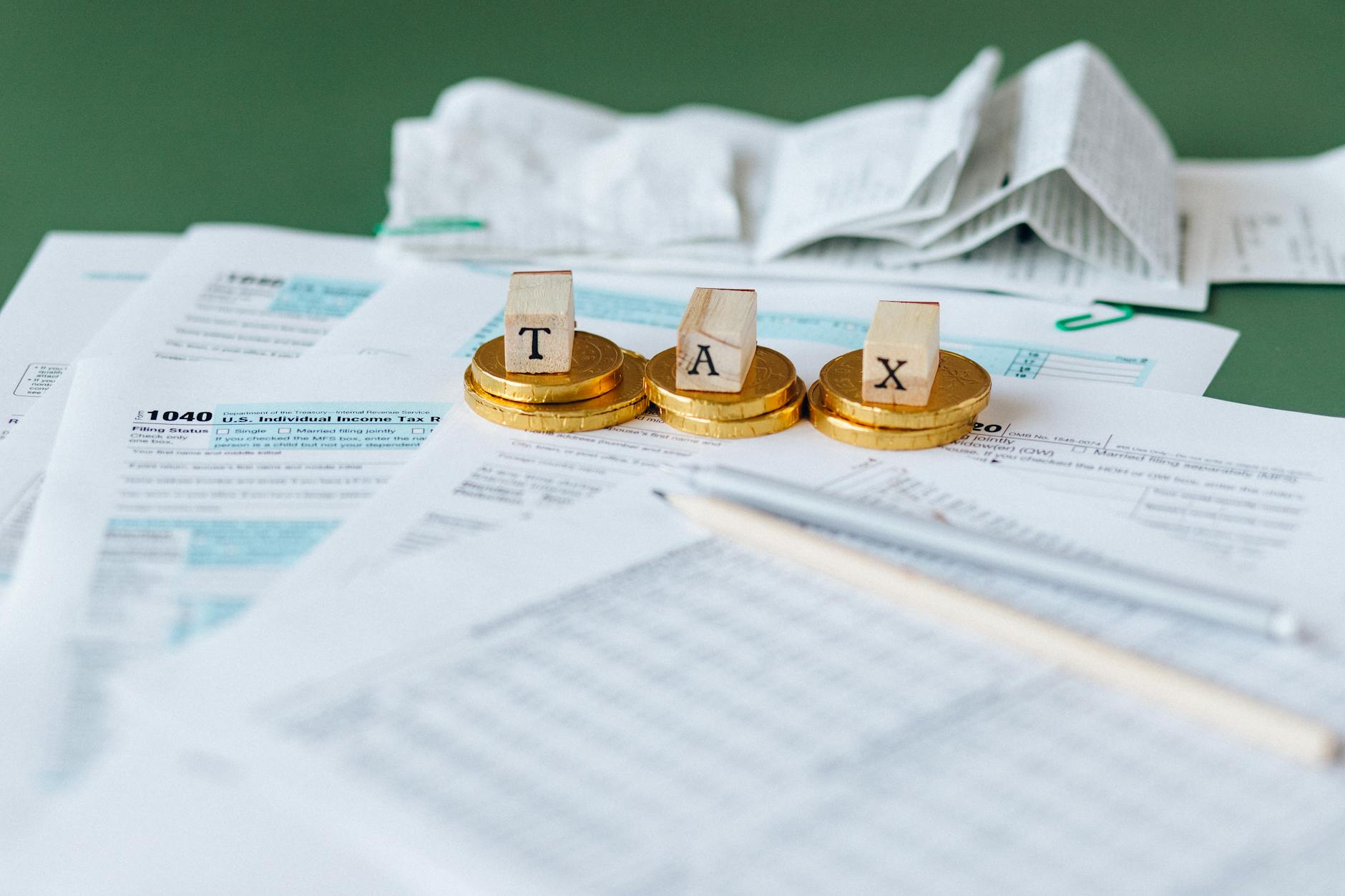
Bank bonuses are taxable income. The bank will report the bonus on a 1099-INT or 1099-MISC form, and you will owe federal and state income tax on the amount. A $600 bonus for someone in the 22 percent federal tax bracket translates to roughly $468 after federal taxes, less if your state also taxes it. This does not make bonuses a bad deal — they are still effectively free money for meeting basic banking requirements — but you should not be surprised when the tax form arrives in January. A more practical pitfall is the direct deposit definition.
Most bank bonuses require “qualifying direct deposits,” which generally means employer payroll. Some banks will also count government benefit payments like Social Security. A smaller number of banks accept ACH transfers from other banks as qualifying direct deposits, which opens the door to funding the requirement without changing your payroll. However, this varies by bank and can change without notice. If your strategy depends on ACH transfers counting as direct deposits, search for recent data points from other customers before committing. Getting this wrong means you complete the waiting period, meet what you think is the requirement, and receive nothing.
Key Deadlines to Watch This Month
Several of the best March 2026 bonuses have firm expiration dates. The Chase Private Client Checking bonus of up to $3,000 expires April 15, 2026.
The Barclays Tiered Savings $200 bonus requires account opening by March 31, 2026. The BMO Smart Advantage Checking $400 bonus must be opened by May 4, 2026, and the PNC Virtual Wallet $400 bonus has a May 28, 2026, deadline. If any of these are on your shortlist, do not wait until the final day — account opening can take a few business days, especially if the bank needs to verify your identity or fund the account.
Is March 2026 a Good Time to Chase Bank Bonuses?
March tends to be a strong month for bank promotions. Banks push hard in Q1 to hit customer acquisition targets, and several of the offers currently available are at or near their historical highs. The Chase Total Checking $400 bonus, for example, has been a recurring offer, but it is not always available — it periodically drops to $300 or disappears entirely.
The Huntington $600 bonus and the Bank of America tiered bonus up to $500 are both competitive offers that may not persist into summer. Looking ahead, rising competition from online-only banks and fintech companies has pushed traditional banks to offer more aggressive sign-up bonuses than they did even two years ago. If you have not opened a new bank account recently, March 2026 is a reasonable time to take advantage of at least one or two of these promotions while they last.
Conclusion
The March 2026 bank bonus landscape ranges from $125 for the simplest checking account promotions up to $3,000 for clients willing to move significant assets. For most people, the practical sweet spot is the $400 to $600 tier, where bonuses from Chase, Huntington, Bank of America, Citi, BMO, and PNC offer meaningful payouts for meeting direct deposit requirements that align with normal payroll activity. Always check new customer eligibility rules, monthly fee structures, and account closure penalties before applying.
The most important step is to pick one or two bonuses that fit your actual banking situation rather than chasing every offer on the list. Open the account, set up your direct deposit, meet the requirement, collect the bonus, and then decide whether to keep the account or close it after the minimum period. Treat it like a small, reliable side hustle — because at $400 to $600 per bonus, that is exactly what it is.
Frequently Asked Questions
Are bank sign-up bonuses really free money?
They are not completely free — you need to meet specific requirements like direct deposits or minimum balances, and the bonus is taxable income. But if you were going to keep your money in a bank account anyway, the bonus is essentially a one-time payment for switching where your paycheck lands.
Can I earn multiple bank bonuses at the same time?
Yes, as long as you can meet the direct deposit or balance requirements for each account simultaneously. Some people split their payroll direct deposits across two or three banks to qualify for multiple bonuses in the same period. Just confirm each bank’s specific requirements before trying this.
Do ACH transfers count as direct deposits for bank bonuses?
It depends on the bank. Some banks accept ACH transfers from other financial institutions as qualifying direct deposits, while others strictly require employer payroll or government benefit payments. This is the single most common reason people fail to earn a bonus they expected.
Will I owe taxes on my bank bonus?
Yes. Banks report bonuses as interest income on a 1099-INT or as miscellaneous income on a 1099-MISC. You will owe federal income tax on the full bonus amount, and potentially state income tax as well.
How long do I need to keep the bank account open after earning the bonus?
Most banks require you to keep the account open for at least 90 to 180 days. Closing earlier may trigger an early termination fee, sometimes $25 to $50, which cuts into your bonus.
What happens if I already have an account at the bank offering the bonus?
Most bonuses are for new customers only. If you currently hold or recently closed the same type of account, you will typically be ineligible. Each bank defines the lookback period differently, ranging from 90 days to 24 months.