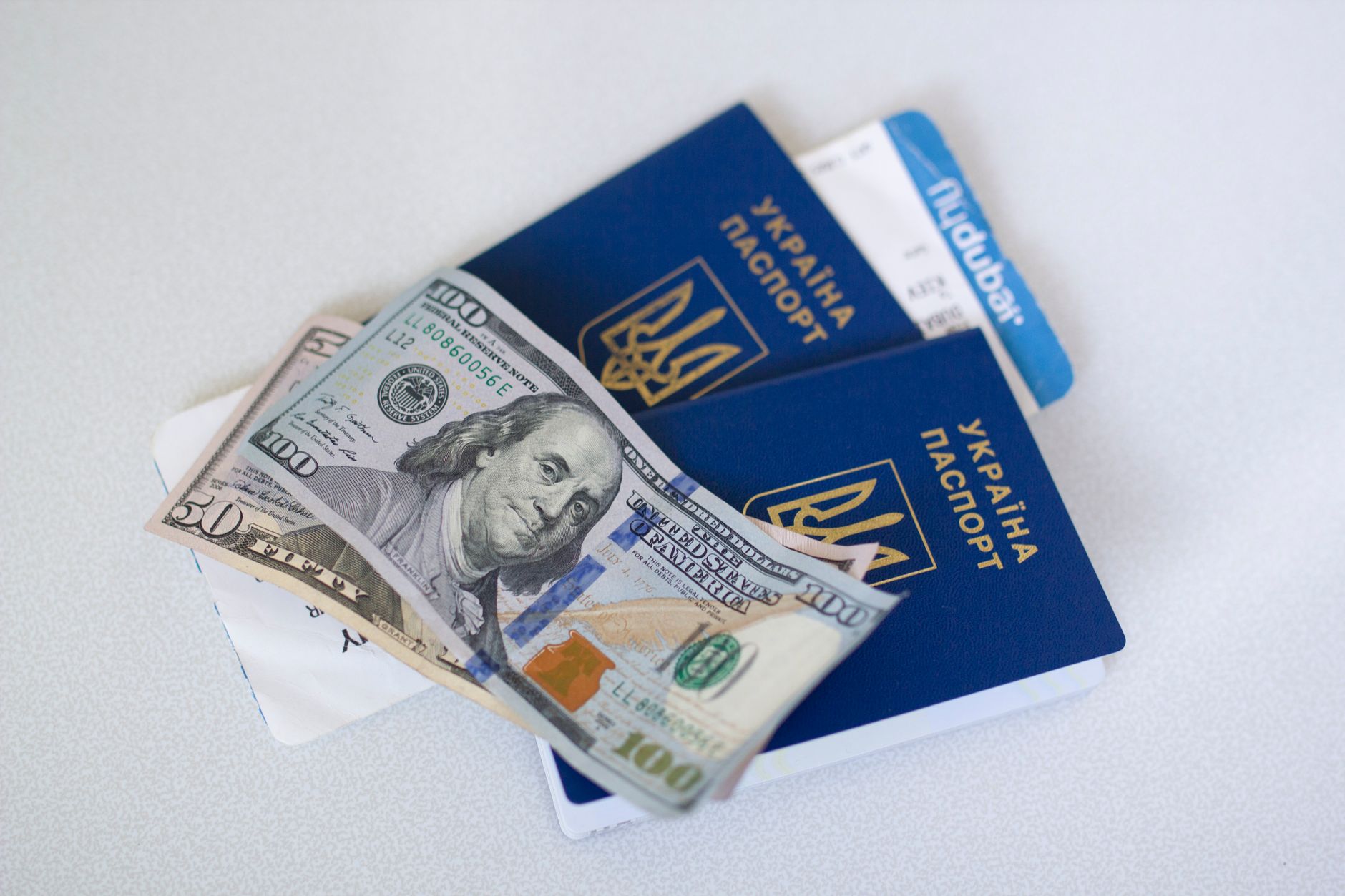

The simplest way to avoid expedite charges on your passport renewal is to never pay them in the first place—and you won’t need to if you plan ahead. The expedite fee of $60 is entirely optional. You only pay it if you specifically request faster processing. If you apply for your passport renewal 9 to 12 months before your travel date, as the State Department recommends, you can renew through standard processing for just $130 (for a passport book) with no expedite fee at all. Most people who pay the $60 expedite fee do so because they waited too long, not because they had to.
The key to saving that $60 is understanding the timeline. Standard passport processing takes 4 to 6 weeks—not counting how long your application takes to reach the processing center by mail. Expedited processing cuts that down to 2 to 3 weeks. If you submit your renewal application a year in advance, you’ll have your new passport with plenty of time to spare, even accounting for postal delays. The fee structure is designed to penalize people who procrastinate, not to fund anything inherently more expensive.
Table of Contents
- What Do Current Passport Renewal Fees Cost?
- Understanding the Optional Expedite Fee and When It Actually Applies
- Standard vs. Expedited Processing Times and How They Affect Your Planning
- How to Renew Without Paying Expedite Charges
- Common Mistakes That Trigger Unnecessary Expedite Charges
- Online Renewal as a No-Extra-Cost Alternative
- Refund Policies and What Happens If You Overpay
What Do Current Passport Renewal Fees Cost?
As of April 2026, the State Department charges $130 to renew a standard passport book if you’re renewing by mail or in person. If you want a passport card instead—the smaller card version used for land and sea travel within North America—that costs $30. These are the base fees with no shortcuts or extras. The only fee that gets added on top is the $60 expedite charge, and only if you request it.
To put this in perspective: if you renew your passport the normal way without expedite, you’re paying $130. If you waited until the last minute and had to expedite, you’d pay $190 total ($130 base plus $60 expedite). That $60 difference is exactly what you save by planning ahead. It’s not a small amount when you’re managing a tight budget, and it’s completely avoidable if you start the process early enough.
Understanding the Optional Expedite Fee and When It Actually Applies
The most important thing to understand is that the $60 expedite fee is not automatic or mandatory. You only pay it if you check the “expedite” box on your application and specifically ask for faster processing. If you submit the standard renewal form and don’t request expedite service, the State Department processes your application in the standard 4 to 6 weeks, and you never pay the extra $60. This is the critical detail that people miss: the expedite fee exists only if you want it.
However, there’s a catch if you do pay it by mistake. If you submit an expedite request but later realize you don’t need the faster service—maybe your travel plans changed or you got approved faster than expected—you can request a refund of the $60 expedite fee. The State Department will refund it if you contact them before your passport is actually mailed to you. This is a safety net if you panic and overpay, but the better strategy is to avoid paying it in the first place by submitting your application early.
Standard vs. Expedited Processing Times and How They Affect Your Planning
Standard processing takes 4 to 6 weeks after the State Department receives your application. Expedited processing takes 2 to 3 weeks after receipt. The catch is the word “after”—this doesn’t include the time your application spends in the mail getting to a processing center. If you mail your renewal application on a Monday, it might take 3 to 7 business days to reach the center. Then the clock starts.
In a real-world scenario, standard processing could take 5 to 8 weeks total from when you drop your envelope in the mailbox to when you get your new passport back. This is why the State Department specifically recommends applying 9 to 12 months before your intended travel date. If you’re traveling in September 2027, submitting your renewal in September 2026 gives you a full year of buffer. Even with occasional delays in the postal system and at processing centers, you’ll have your passport well before you need it. People who rush and pay the expedite fee often do so because they booked international travel with only 4 to 6 weeks to spare—a situation you can completely avoid.
How to Renew Without Paying Expedite Charges
The most straightforward way to avoid the expedite fee is to use standard passport renewal if you’re eligible. You can renew by mail if your passport was issued when you were 18 or older, your passport is still valid or expired within the last 5 years, and your appearance and name haven’t changed significantly since your last passport was issued. If you meet these conditions, you can submit your renewal application months in advance with no expedite request, pay only the $130 base fee, and wait the 4 to 6 weeks without pressure.
A second cost-saving option became available nationwide in September 2024: online renewal. You can now renew your passport online with no additional fee beyond the standard $130. This online service is available in all states, and it doesn’t accelerate processing—you still get the standard 4 to 6 week timeline—but it eliminates one source of hassle and delays. Some people report that online renewal processes slightly faster in practice because it bypasses some postal delays, though this isn’t guaranteed.
Common Mistakes That Trigger Unnecessary Expedite Charges
The most common mistake is waiting until a few weeks before travel to even think about your passport. If your passport expired 3 years ago and you book a trip with 5 weeks notice, you’re trapped. You can’t renew online or by mail because your passport is outside the 5-year window; you need an in-person appointment at a passport agency, and those appointments are often booked weeks out. Then you’ll feel forced to pay the $60 expedite fee just to get into an appointment in time. This entire problem is avoidable if you renew as soon as your passport approaches expiration, even if you don’t have an immediate trip planned.
A second mistake is not checking your passport’s expiration date at all until you’re packing for a trip. Passports are easy to ignore once you get them—they sit in a drawer for years. Set a phone reminder for when your passport is expiring or due to expire soon (most passports last 10 years). If you catch the expiration date 12 months out, you’re in the clear financially. Another warning: some countries require your passport to be valid for at least 6 months beyond your travel dates. If you renew a passport that expires soon, you might find yourself needing to renew again before you anticipated, losing the $130 you spent.
Online Renewal as a No-Extra-Cost Alternative
The online passport renewal service launched nationwide in September 2024 and removes one barrier to timely renewal. You can start your application, upload your photo and supporting documents, and pay the $130 fee all from your computer. You don’t have to travel to a post office or passport acceptance facility (though the State Department still mails your new passport to you, and you mail back your old one).
Since there’s no additional fee for online renewal, there’s no reason to choose the slower in-person method if you’re eligible. Online renewal still uses standard processing times—4 to 6 weeks after the State Department receives your application—so it doesn’t save time the way expedite service does. What it saves is the time and hassle of visiting a physical location. If you can renew online and you have months before your trip, you’ve solved the problem efficiently and cheaply.
Refund Policies and What Happens If You Overpay
If you request expedite service and pay the $60 fee but then realize you don’t need it, the State Department will refund the expedite fee if your passport hasn’t been mailed out yet. You’ll need to contact the passport service center before your application reaches the point of being mailed. This is a small safety net if you panic and request expedite, then calm down and realize your trip is still months away. However, it’s not a guarantee—it depends on where your application is in the process when you contact them—so it’s better to not request expedite in the first place than to rely on getting a refund.
The April 2026 fee update didn’t include any additional increases beyond what was already set, and there are no announced future fee increases as of June 2026. This means the $130 and $60 figures are stable. Lock in your renewal now if you’re thinking about it; at minimum, get your paperwork started so you’re in the queue for the standard processing timeline. Even without expedite, you’ll have your passport long before it expires if you start the process with months to spare.