
Spotting a fake or misleading bank promotion comes down to one simple rule: legitimate banks never ask for sensitive information through unsolicited messages, never pressure you for immediate action, and never require upfront payments to claim promotional offers. If a message claims to be from your bank but pressures you to act now, requests your Social Security number or password, or asks you to click a link to verify account details, it’s almost certainly a scam. The warning signs are usually obvious once you know what to look for, though scammers have become increasingly sophisticated—using AI-generated deepfakes, spoofed email addresses, and websites that look nearly identical to the real thing. The scale of this problem is staggering.
According to FTC data, Americans reported $12.5 billion in total fraud losses in 2024, with imposter scams (including bank impersonation) accounting for $2.95 billion of that—the second-highest fraud category after investment scams. The average victim loses between $3,000 and $10,000 per scam incident. Even more alarming, bank impersonation scams delivered via text message have increased nearly twentyfold since 2019. This article will walk you through the specific red flags to watch for, explain how modern scammers operate, and show you exactly how to verify whether a bank promotion is legitimate before you take any action.
Table of Contents
- What Are the Most Common Red Flags in Fake Bank Promotions?
- How Do Scammers Create Convincing Fake Bank Websites and Communications?
- What New Fraud Tactics Are Emerging in 2025-2026?
- How Should You Verify a Bank Promotion Before Acting?
- What About Unexpected Messages Asking You to Change Payment Details?
- How Can You Verify That a Bank Is Real and FDIC Insured?
- What Does the Future of Bank Fraud Prevention Look Like?
- Conclusion
What Are the Most Common Red Flags in Fake Bank Promotions?
The easiest way to identify a scam promotion is to look for combinations of warning signs rather than relying on a single indicator. Urgent or threatening language is a primary red flag—legitimate banks rarely use language designed to panic you into quick decisions. Phrases like “Your account will be closed” or “Verify your information immediately” are textbook pressure tactics. Scammers know that panic overrides critical thinking, which is why they always manufacture a false sense of crisis. Requests for sensitive information are another unmistakable sign of fraud. Your real bank will never ask for your Social Security number, password, credit card number, or PIN through an unsolicited email, text, or phone call.
If you receive a message claiming to be from your bank and asking you to “confirm your details” or “re-verify your account,” it’s a scam. Additionally, grammar or spelling errors in official-looking communications are a strong indicator—legitimate banks invest in professional communication and proofreading. If the message says “confirm you’re identiy” or has awkward phrasing throughout, it didn’t come from a real bank. One other critical red flag is requests for immediate sign-up without time for research or verification. Real promotional offers from banks are publicized through their official website and app, discussed during account opening conversations with real representatives, and accompanied by full terms and conditions that you can review at your own pace. If you’re being pressured to claim a “limited-time offer” that requires instant registration without written terms, walk away.

How Do Scammers Create Convincing Fake Bank Websites and Communications?
Modern scammers have access to tools that make their fake promotions look startlingly legitimate. They can create websites that are pixel-perfect replicas of real bank sites, complete with correct logos, color schemes, and layout. Many victims don’t realize they’re on a fraudulent site until they’ve already entered their login credentials. The domain name might be slightly different—for example, “yourbank-security.com” instead of “yourbank.com”—or the site might be a near-perfect copy accessible through a typo domain or malicious link hidden in a text message. Email spoofing makes it even harder to verify legitimacy. Scammers can make an email appear to come from an official bank email address, so a quick glance at the sender line won’t necessarily protect you.
However, hovering over the sender name (or checking the full email header in your email client) often reveals the actual origin. This is where contacting your bank directly matters: if you get a suspicious email claiming to be from Bank of America, don’t click any links—instead, call the number on the back of your card or go directly to bankofamerica.com. That one extra step is your best defense. A limitation to keep in mind is that even if a communication looks identical to legitimate bank messages, it could still be fraudulent. You cannot rely solely on appearance or formatting. This is especially true with SMS text messages, which lack many security features of email. If you receive a text saying “Click here to verify your account,” treat it as suspicious regardless of how official it looks.
What New Fraud Tactics Are Emerging in 2025-2026?
The fraud landscape is shifting rapidly as artificial intelligence makes scamming more accessible and convincing. AI-generated deepfakes and voice cloning have become serious threats—scammers can now create convincing fake videos of bank executives or government officials, or use voice cloning to impersonate someone you know or a bank representative calling you. A caller might sound identical to someone from your bank, claiming there’s fraudulent activity on your account and pressuring you to transfer money to a “safe account” for protection. In reality, you’re transferring your own money directly to the scammer. Fake bank websites using the FDIC name or displaying the “Member FDIC” logo to create false legitimacy are another emerging tactic.
Scammers know that the FDIC symbol signals safety and bank legitimacy to consumers, so they misuse it on fraudulent sites. If a bank claims FDIC membership but you can’t verify it through the official FDIC website’s bank search tool, it’s not a legitimate bank. QR codes and suspicious links embedded in unsolicited messages are also proliferating. A text message might look like it’s from your bank with a QR code that “confirms your promotional offer,” but scanning it takes you to a malicious site or installs harmful software on your phone. Never scan QR codes from unsolicited messages, and never click links unless you initiated the contact with your bank.
How Should You Verify a Bank Promotion Before Acting?
The gold standard for verification is direct contact with your bank using a number or website you know is legitimate. If you receive a suspicious message about a promotional offer, do not click any links or call any phone number in that message. Instead, pull out your debit or credit card, locate the customer service number on the back, and call it. Tell them you received a suspicious message and ask whether the promotion is real. This simple step takes five minutes and prevents nearly all fraud. Navigating to official websites directly—by typing the URL into your browser or using a bookmark rather than clicking links—is your second line of defense.
When checking on a promotional offer, go to your bank’s official site independently and look for information about current promotions. Real banks always advertise their offers prominently on official channels. If you can’t find any mention of the promotion on their website after searching, it doesn’t exist. Never share sensitive information via email or text, period. If you’re unsure whether a bank communication is legitimate, verifying it in person or through a phone number you initiated is the only safe approach. Compare this to other financial interactions where you’ve been directly contacted—legitimate banks typically don’t cold-contact customers about promotional offers via text or email. When they do communicate about offers, those messages include links to their official website or suggest you log in to your existing account through the app you already use.
What About Unexpected Messages Asking You to Change Payment Details?
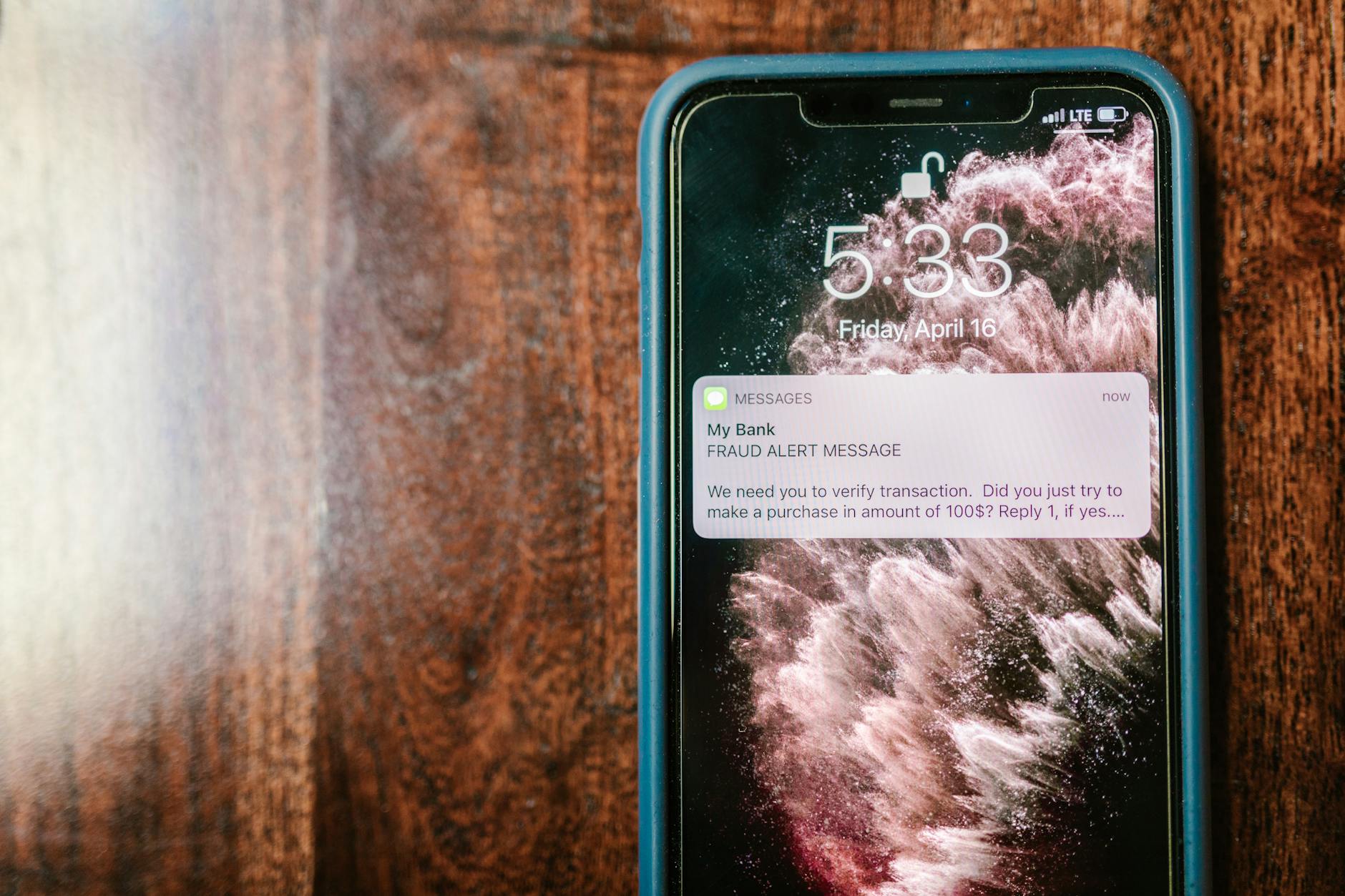
Payment detail requests in unsolicited messages are a specific scam vector that deserves separate attention. You might receive a message that says “Your payment method on file has expired” or “Update your debit card information to keep your account active.” Even if the message includes your actual bank name and looks formatted correctly, this is a common scam. Legitimate banks alert you about payment issues inside your existing online account or app, not through external messages asking you to “verify” details. These messages often include urgent language or warnings about account closure, designed to make you act without thinking. Scammers are counting on you to panic and click a link.
The link might go to a site asking you to re-enter your card number, expiration date, and security code—information that is sufficient for fraud. Real banks never ask for these details via external messages. The key difference is context and channel. If you’re logged into your legitimate bank app and it shows a payment issue, that’s trustworthy. If an unexpected email or text appears asking you to fix payment information, treat it as suspicious until verified through your bank directly.
How Can You Verify That a Bank Is Real and FDIC Insured?
Fake banks are emerging as a new fraud category, sometimes deliberately using similar names to legitimate institutions or falsely claiming FDIC insurance. To verify whether a bank is legitimate, use the FDIC’s official bank search tool at fdic.gov. You can search by bank name, location, or charter number.
If a bank doesn’t appear in that database, it’s not FDIC insured—and it may not be legitimate. Scammers often display the FDIC logo and “Member FDIC” language on fraudulent websites to create legitimacy, but the FDIC explicitly warns against this. If you see FDIC claims on a website, verify them through the official FDIC database before trusting the site with any information or money. Real banks are always willing to provide their FDIC certificate number if asked, and you can cross-reference that number in the database.
What Does the Future of Bank Fraud Prevention Look Like?
As AI tools become more sophisticated, the burden of fraud prevention is shifting. Banks are implementing stronger authentication measures like multi-factor authentication and biometric verification, but consumers still need to stay vigilant. The most effective defense remains skepticism and verification—treating every unsolicited financial communication as suspicious until proven otherwise.
Organizations like the FDIC and FTC continue updating fraud warnings as new tactics emerge, so staying informed through official sources is more important than ever. The good news is that the warning signs outlined in this article remain consistent even as specific tactics change. If something feels off about a bank communication, trust that instinct and verify before acting.
Conclusion
Fake and misleading bank promotions succeed because they exploit urgency, fear, and the assumption that official-looking communications must be legitimate. By learning to recognize red flags—urgent language, requests for sensitive information, immediate sign-up pressure, and grammar errors—you can filter out most scams. However, the most reliable defense is always direct verification through your bank using a phone number or website you trust.
The statistics are sobering: $12.5 billion in fraud losses in 2024, with individual victims losing thousands of dollars per scam. But this problem is largely preventable through one simple habit: when you receive an unsolicited message about a bank promotion, don’t click, don’t call the number in the message, and don’t share any information. Instead, contact your bank directly using the phone number on your card or your official app. That five-minute verification step stands between you and becoming a fraud statistic.