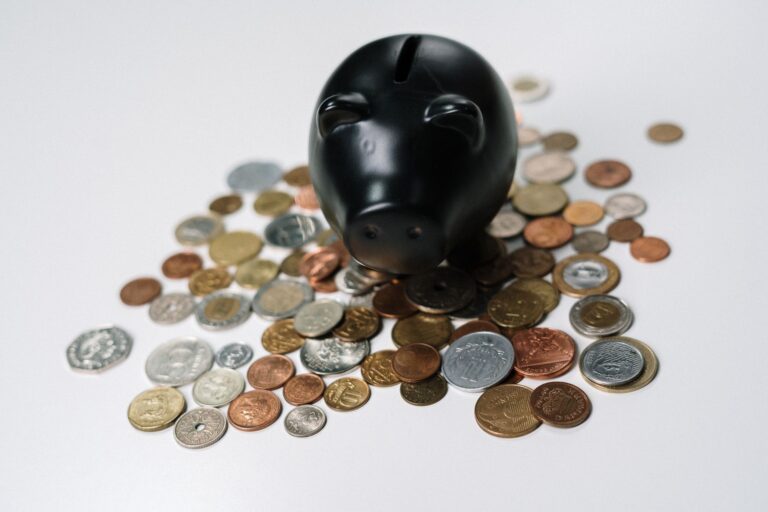


Save money on food by planning meals, comparing unit prices, swapping costly proteins for cheaper ones, and cutting waste. Cook at home more often, because groceries are rising more slowly than restaurant meals. Food inflation means the general rise in food prices over time.
The U.S. Department of Agriculture's Economic Research Service expects all U.S. food prices to rise 2.8% in 2026 and 1.7% in 2027, after averaging 3.0% per year during 2006-2025, so shoppers face continued but slower inflation USDA 2026 food price forecast.
Table of Contents
- Why cook at home right now?
- How do you plan before you shop?
- How do you pay less in the store?
- How do you waste less of what you buy?
- Where can tight budgets find nearby savings?
Why cook at home right now?
Cooking at home is relatively cheaper than eating out. The U.S. Bureau of Labor Statistics reported food-at-home prices up about 2.1% from a year earlier in January 2026, below restaurant inflation January 2026 consumer price report.
That gap matters for household budgets. Each restaurant meal swapped for a home-cooked meal avoids higher labor and service costs. Families that reserve eating out for special occasions keep more control over portions and ingredients.
How do you plan before you shop?
Start with what you already own. The Department of Agriculture advises a Plan-Compare-Prepare routine: inventory food on hand, plan weekly meals, make a list by store section, and avoid impulse buys. A short list keeps trips focused and limits convenience-food spending.
- Check the fridge, freezer, and pantry first
- Plan three to five dinners around shared ingredients
- Write the list grouped by store section
- Shop from the list and skip unplanned extras
How do you pay less in the store?
Compare equivalent foods, not just package prices. The Department of Agriculture recommends comparing unit prices on shelf tags, choosing store brands, buying in-season produce, and using store loyalty cards.
Category prices move in different directions, so swaps pay off. University of Illinois analysts reporting the Department of Agriculture outlook projected beef and veal up 9.4% in 2026 while eggs fall 29.4% farmdocDaily food inflation outlook. Stretch fresh produce with frozen or shelf-stable versions for the same nutrition at lower waste risk.
How do you waste less of what you buy?
Waste is a direct grocery cost. An estimated 30-40% of the U.S. food supply is wasted, based on 31% retail-and-consumer loss equal to about 133 billion pounds and $161 billion in 2010.
Make leftovers part of the plan. Refrigerate perishable leftovers within 2 hours, or within 1 hour when temperatures are above 90°F, then eat refrigerated leftovers within 3-4 days or freeze them. Pathogens cannot be seen or tasted, so follow the time rules even when food looks fine.
Where can tight budgets find nearby savings?
Use local tools before you drive across town. The Department of Agriculture's Shop Simple with MyPlate tool lets shoppers search by ZIP code for budget-friendly foods, low-cost recipes, farmers markets, and physical and online SNAP retailers. Enter your ZIP code, compare nearby stores and markets, and save eligible recipes for the week.