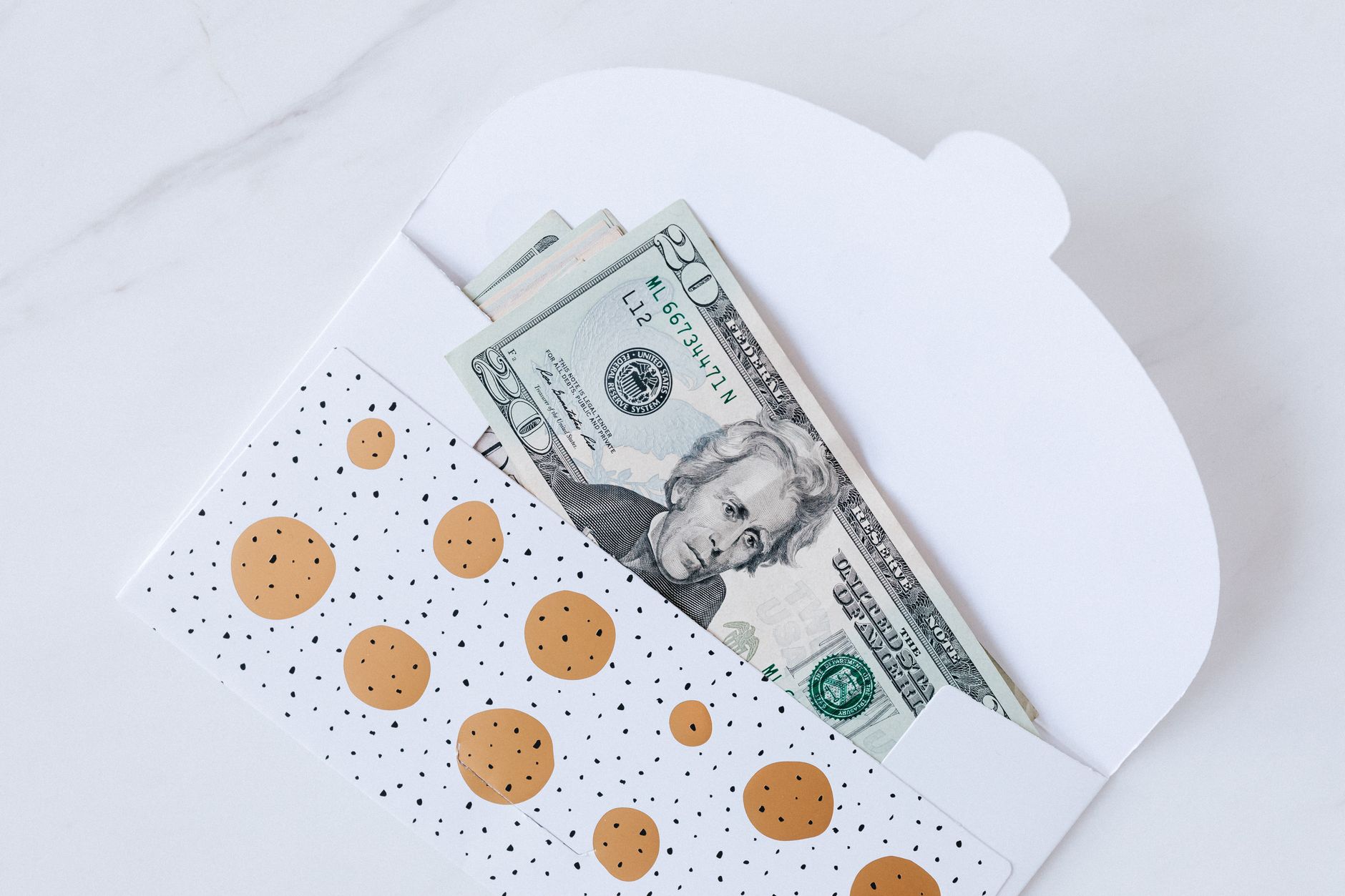

Cash envelopes control discretionary spending, while savings apps build savings automatically. The cash envelope system, which divides physical cash into labeled category envelopes, stops spending when an envelope empties. Savings apps move money on preset triggers without manual handling.
An envelope fits shoppers who overspend at stores. An app fits savers who want steady transfers on payday. Cost, bank access, and loss protection decide which works this fall.
Table of Contents
- How do cash envelopes limit spending?
- How do savings apps move money?
- What do fees and safety change?
- Which option fits your household this fall?
How do cash envelopes limit spending?
Cash envelopes set a visible cap for groceries, dining, clothes, and fun money. You place a fixed amount in each labeled envelope. Spending stops when the envelope is empty. Cash also creates friction at checkout.
Paying with cash feels more painful than paying by card, and Cornell and SUNY researchers linked that pain to fewer impulsive food buys in 1,000-shopper grocery data. That friction helps impulse control. The limit needs manual work. You must withdraw cash, refill envelopes, and track balances yourself.
How do savings apps move money?
Savings apps transfer small amounts on user-chosen Rules. Common triggers include round-ups, payday set-asides, and custom actions. The transfer happens without filling an envelope.
CFPB analysis of Qapital data found round-up rules were most popular, used in 81% of savings goals. Guaranteed rules such as every-payday transfers were associated with greater savings. Popular does not mean most effective. Use this scan to match the tool to the job:.
- pick envelopes to cap weekly variable spending
- pick round-ups to start saving without thinking
- pick payday transfers to build larger balances
- pick split direct deposit for a no-app automatic option
What do fees and safety change?
Qapital charges $3 per month for Basic, $8 for Complete, and $12 for Premier after a 30-day trial, according to Qapital's pricing page. Those fees can exceed interest on small balances. A bank automatic transfer avoids that drag. The Consumer Financial Protection Bureau advises two no-fee automatic methods: recurring checking-to-savings transfers and split direct deposit, described in the Bureau's auto-save guide.
Split deposit sends part of each paycheck straight to savings. A bank transfer repeats on a set date. Cash at home carries loss risk. FDIC guidance says cash in a home safe or safe-deposit box has no FDIC insurance, while deposits at insured banks are covered, as explained in FDIC consumer guidance. Stolen or fire-damaged cash is hard to recover.
Which option fits your household this fall?
Bank access matters. Six percent of U.S. adults were unbanked in 2025, according to the Federal Reserve household report. Cash envelopes remain usable without a linked account. App autosave does not.
Choose envelopes for one or two problem categories, such as takeout or groceries. Keep fixed bills in checking. Keep larger savings in an insured deposit account. Choose automatic transfers if you have direct deposit and miss goals. Start with a small payday amount, then raise it after two pay cycles without strain.