
When ranking bank bonuses by customer experience in early 2026, the highest-value offers don’t always deliver the best overall account experience. Chase Private Client Checking stands at the top for sheer bonus size, offering up to $3,000 for customers willing to deposit $500,000 or more, but that’s paired with steep wealth requirements. Meanwhile, banks like Western Alliance and Capital One 360 deliver stronger combinations of bonuses, favorable terms, and user-friendly account features that matter more to typical customers.
The real winner depends on which tradeoff matters most to you: maximum bonus dollars, ease of qualification, or account features you’ll actually use daily. Bank account bonuses have become increasingly competitive, but focusing only on bonus size misses half the story. A bank offering a $2,500 bonus with punishing monthly fees or poor customer service might cost you money over time, even after the bonus posts. This article evaluates the major bank bonuses currently available by looking at not just what banks are paying, but what the account experience actually feels like for real customers.
Table of Contents
- How Much Are Banks Actually Paying in Bonuses Right Now?
- The Disconnect Between Bonus Size and Customer Satisfaction
- High-Yield Savings Bonuses Offer a Different Value Proposition
- Comparing Qualification Requirements: Who Actually Qualifies?
- Watch Out for These Common Bonus Pitfalls
- The Role of Interest Rates in Your Overall Return
- Bank Bonuses in 2026—Expect Volatility and More Customization
- Conclusion
- Frequently Asked Questions
How Much Are Banks Actually Paying in Bonuses Right Now?
The current bonus landscape offers bonuses ranging from $100 to $3,000, depending on the bank and the account type. Chase Private Client Checking leads with its tiered bonus structure: $1,000 for a $150,000 deposit, $2,000 for $250,000, or $3,000 for $500,000. If you have those deposit levels, the bonus alone is significant—$3,000 worth of free money. Wells Fargo offers a flat $2,500 bonus for qualifying customers, making it the highest non-tiered offer available.
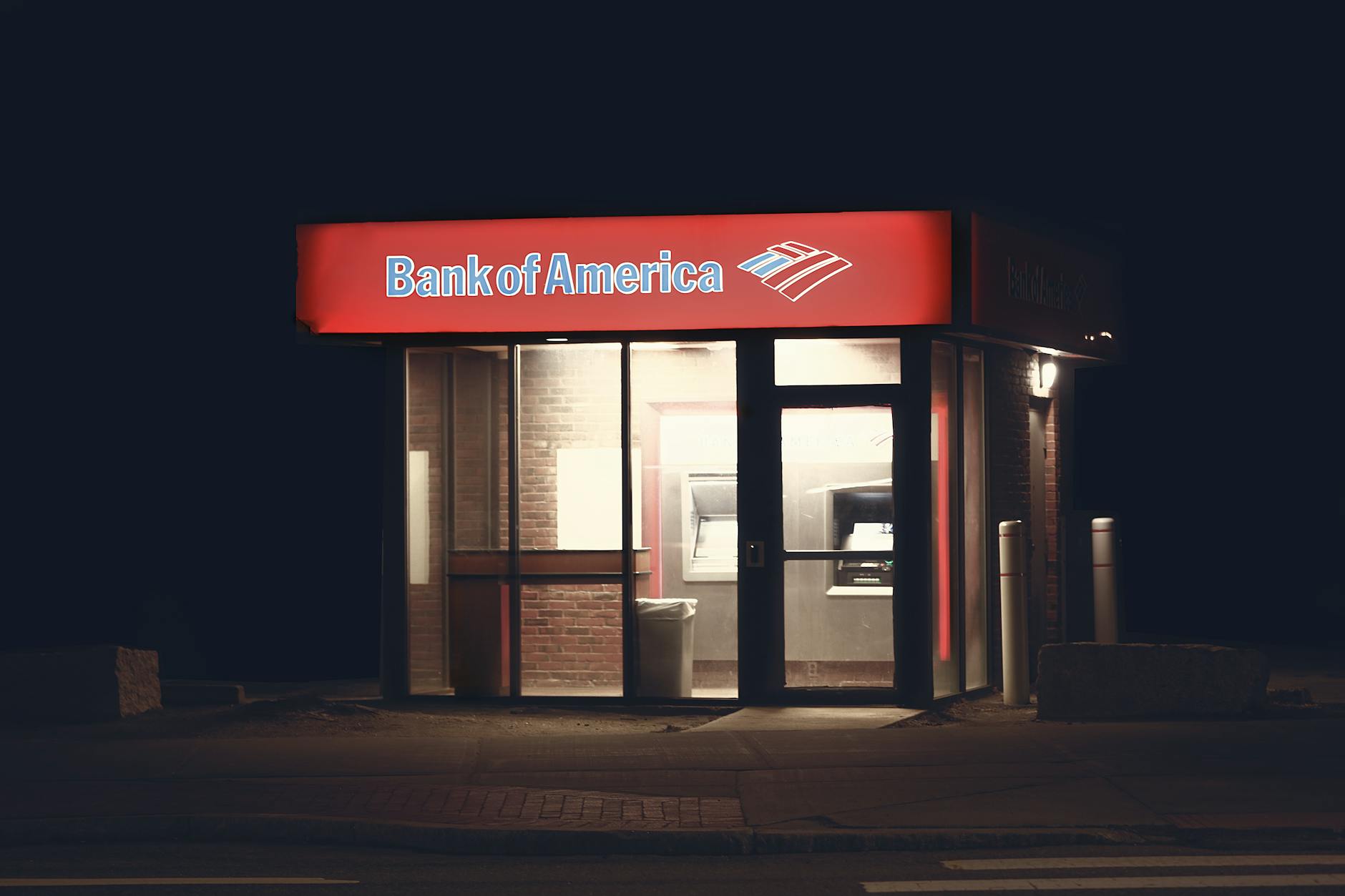
Chase Total Checking, aimed at everyday customers, provides a more accessible $400 bonus if you deposit at least $1,000 in direct deposits within 90 days of opening. For high-yield savings accounts, which offer both bonuses and competitive interest rates, Western Alliance Bank’s bonus goes up to $1,500 paired with a 3.80% APY, meaning your money continues earning after the bonus posts. Capital One 360 offers similar bonus levels up to $1,500. Centier Bank, accessible through the Raisin platform with the promo code FRESHSTART, structures its bonuses flexibly from $70 to $1,500 depending on deposit size. Bank of America keeps bonuses more modest, offering tiered checking bonuses of $100 for $2,000 in deposits, $300 for $5,000, or $500 for $10,000—more achievable for average customers but less lucrative overall.

The Disconnect Between Bonus Size and Customer Satisfaction
Bigger bonuses don’t automatically mean better customer experience. Chase Private Client Checking’s massive $3,000 bonus comes with strings attached: you need half a million dollars in deposits just to qualify, and the account is designed for high-net-worth individuals with concierge services you may not need. A customer on a typical personal finance forum described opening the account, getting the bonus, then closing it weeks later because the account features and fee structure assumed they’d be a long-term wealth management client.
The customer experience gap is especially evident when comparing checking accounts to savings accounts. Chase Total Checking customers report good mobile app performance and accessibility, but the $400 bonus requires hitting specific direct deposit thresholds within a tight 90-day window—a requirement that excludes self-employed people, gig workers, and anyone who receives irregular income. Wells Fargo’s $2,500 checking bonus has historically attracted customers, but the bank’s past compliance issues and customer service complaints remain a consideration when evaluating the “total experience,” even if they’ve made improvements. Bank of America’s tiered bonuses are easier to qualify for, making them more genuinely accessible, but the account carries a $12 monthly maintenance fee that erodes the bonus value over time unless you meet fee-waiver requirements.
High-Yield Savings Bonuses Offer a Different Value Proposition
If your goal is both a bonus and ongoing earnings, high-yield savings accounts provide a fundamentally different experience than checking accounts. Western Alliance Bank’s offer of up to $1,500 bonus plus 3.80% APY means your money keeps working for you after the promotion ends. Someone depositing $50,000 would receive their bonus relatively quickly, then earn roughly $1,900 annually in interest—a total first-year benefit of around $3,400 that checking bonuses can’t match.
The trade-off is that savings accounts typically have limited withdrawal privileges, though federal rules have relaxed those restrictions in recent years. Capital One 360’s up to $1,500 savings bonus comes with no monthly fees and a competitive interest rate, appealing to customers seeking simplicity. Centier Bank via Raisin offers flexibility with deposit-based bonus tiers, letting customers choose how much they want to deposit to earn different bonus levels. The limitation here is that Centier Bank is less widely known than Chase or Bank of America, which can create friction if you’re used to familiar banking interfaces or want easy access to local branches.

Comparing Qualification Requirements: Who Actually Qualifies?
The true test of a bonus’s value is whether you can actually qualify for it without undue hassle. Chase Total Checking’s $400 bonus hits a sweet spot for accessibility: you need $1,000 in direct deposits within 90 days, which is realistic for salaried employees and some self-employed people, though not all. But direct deposit is a moving target—if your income source changes mid-year, you might miss the window entirely. Bank of America’s tiered bonuses are more lenient: depositing $2,000 to $10,000 and maintaining them is achievable for a broader population without requiring specific deposit sources.
Western Alliance’s high-yield savings bonus requires deposit amounts ranging from lower minimums up to the $1,500 bonus tier. The practical takeaway: if you have direct deposit income, Chase checking makes sense. If you’re building an emergency fund or moving savings, high-yield accounts like Western Alliance make more sense. If you have significant liquid assets, the private banking bonuses from Chase Private Client become worth pursuing.
Watch Out for These Common Bonus Pitfalls
One frequent complaint: bonus qualification timelines are strict and easy to miss. Chase Total Checking’s 90-day direct deposit window has caught many people off guard—missing it by two weeks means forfeiting the $400 bonus. The IRS defines direct deposits narrowly, and some transfer services don’t count. Customers have reported frustration with support staff unable to clarify the rules, making it essential to confirm eligibility with the bank directly before opening.
Another pitfall is calculating net value after fees. Wells Fargo charges fees that may apply depending on account settings, and even Bank of America’s tiered bonuses can be negated if you don’t maintain the deposit levels or hit fee-waiver requirements. The $500 Bank of America bonus disappears if you drop below $10,000 after the promotional period. Some customers calculate the bonus’s value over a full year and find that monthly fees eat up 10-20% of the bonus during the first year alone.

The Role of Interest Rates in Your Overall Return
While checking account bonuses are one-time payouts, savings bonuses pair with ongoing interest earnings. Western Alliance’s 3.80% APY is significantly higher than the 4.00-4.50% rates available at some competitors, so the real comparison isn’t just $1,500 bonus—it’s $1,500 bonus plus substantially higher interest earnings on your balance.
Capital One 360 similarly pairs its bonus with competitive rates, creating a two-layer advantage. The implication: if you’re parking $50,000+ in savings, the bonus plus interest differential can outweigh a larger upfront bonus from a lower-rate account. Someone comparing a $2,500 checking bonus to $1,500 savings bonus plus 3.80% interest might find the savings account wins financially in year one if they maintain the deposit balance.
Bank Bonuses in 2026—Expect Volatility and More Customization
Bank bonuses fluctuate with interest rate environments and competitive pressure. As of April 2026, bonus offers are competitive but may not remain at current levels if the economic environment shifts. Banks increase bonuses when customer acquisition slows and decrease them when deposits flow in naturally.
Customers who locked in $2,500 or $3,000 bonuses recently may see those offers drop within the year. The trend toward tiered and customizable bonuses—like Centier’s deposit-based tiers or Chase Private Client’s wealth-level increases—suggests banks are moving away from one-size-fits-all offers. This could benefit customers with flexibility, but creates more complexity in comparing offers side-by-side.
Conclusion
The best bank bonus by customer experience in 2026 isn’t the highest-numbered offer—it’s the one that matches your deposit patterns, lifestyle, and financial goals. For salaried employees with direct deposit, Chase Total Checking’s $400 bonus with a solid app and low fees delivers reliability. For customers building savings, Western Alliance or Capital One 360 pair bonuses with competitive interest rates that continue paying dividends.
For high-net-worth customers, Chase Private Client offers substantial bonuses, though the account experience is built for a different demographic entirely. Before opening any account for a bonus, verify qualification requirements directly with the bank, calculate net value after any potential fees, and consider whether you’ll use the account long-term. The bonus is the hook, but the account experience determines whether it was worth your time.
Frequently Asked Questions
How long does it take to receive a bank account bonus?
Most bonuses post 30-60 days after you meet all qualification requirements, though some banks take up to 90 days. Chase and Bank of America typically post within 60 days. Always confirm the timeline in writing before opening the account.
Can I open multiple accounts at the same bank to get multiple bonuses?
Banks typically limit bonuses to one per customer per year, and some have longer restrictions. Chase requires at least 3-6 months between bonuses. Attempting to circumvent this can result in account closure without the bonus.
What counts as a “direct deposit” for bonus qualification?
The IRS defines direct deposits as ACH transfers from your employer’s payroll system. Transfers from other accounts, even if automated, don’t count. Gig economy apps sometimes code payments as direct deposits and sometimes don’t—verify with the bank first.
Are bank bonuses taxable income?
Yes, bank account bonuses are taxable as interest income. You’ll receive a 1099-INT form if your bonuses exceed $10 during the year. Plan accordingly when tax time comes.
Should I keep the account open after getting the bonus?
Only if the account makes sense for your finances. Some customers open for the bonus and close immediately, facing criticism from banks, though most won’t penalize you. Keeping the account active for 6-12 months is generally safer and sometimes required to keep the bonus.
Which bonus offer is truly the best?
It depends on your situation. Chase Total Checking’s $400 is realistic for most people with direct deposit. Western Alliance’s $1,500 plus 3.80% APY wins for savings-focused customers. Wells Fargo’s $2,500 is attractive if qualification fits your income. Compare against your own deposit patterns, not just the dollar amount.