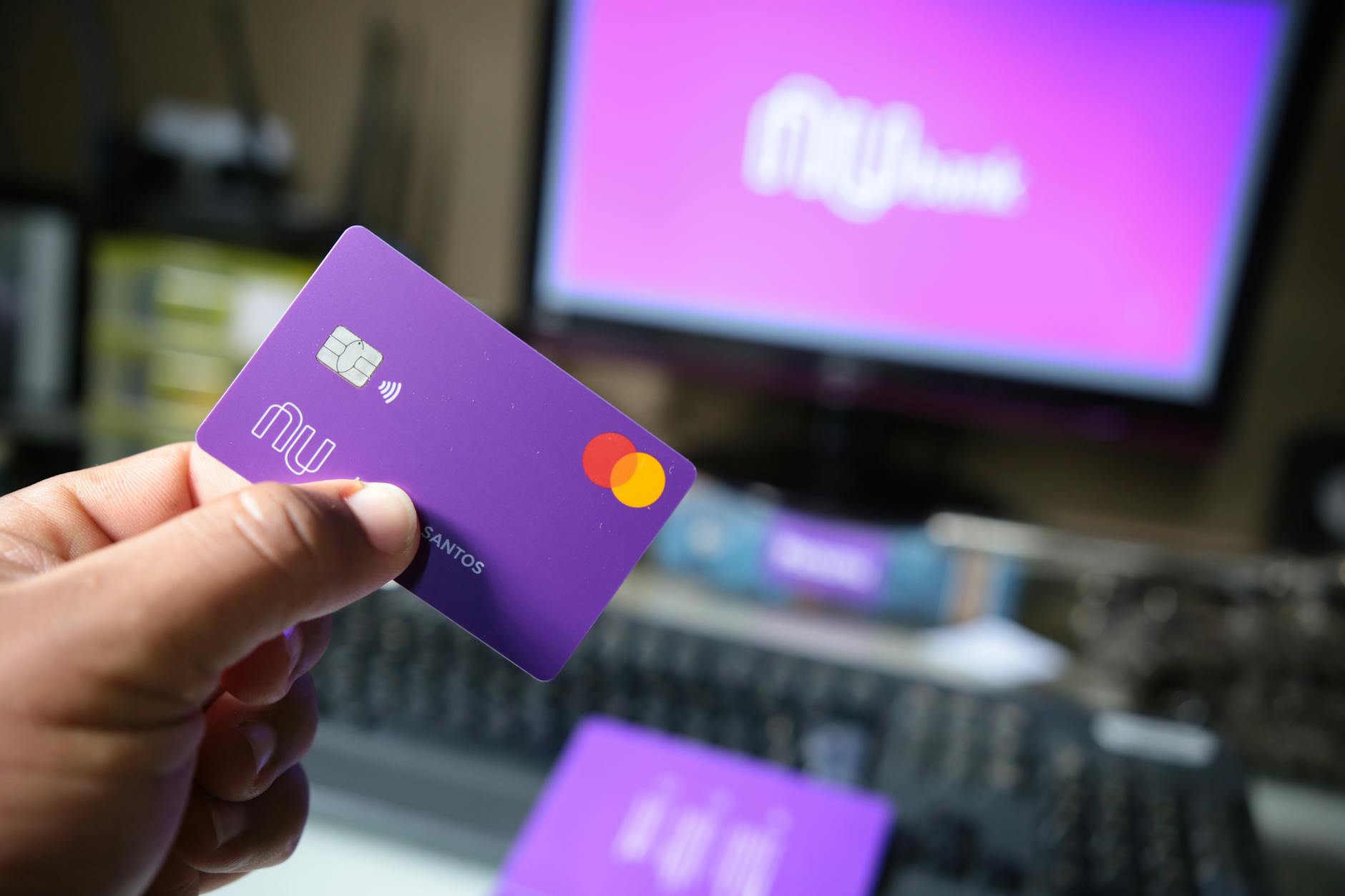

Fintech banks often offer better bonuses than traditional banks when you factor in both the sign-up incentive and the ongoing account benefits. While traditional banks like Wells Fargo and Chase offer competitive one-time bonuses—up to $2,500 and $3,000 respectively—fintech institutions typically pair their bonuses with superior interest rates, lower fees, and smarter account features that provide lasting value. For example, if you open a Chime checking account (noted as the best fintech checking bonus), you’ll get an account opening bonus plus access to instant cashback displays and dynamic reward categories based on your actual spending patterns, not just a flat rate everyone receives.
The real advantage of fintech bonuses isn’t just the initial dollars. Fintech banks like SoFi offer ongoing savings rates up to 3.30% APY on savings accounts and 0.50% on checking—rates that continue paying you month after month, long after the sign-up bonus disappears. Traditional banks, while offering larger upfront bonuses in some cases (HSBC premium accounts go up to $7,000), rarely match these ongoing rates and often charge monthly maintenance fees that fintech banks have eliminated. This article breaks down how to evaluate bank bonuses strategically, which type actually fits your financial situation better, and how to avoid the common mistake of chasing bonuses without considering what happens after the promotion ends.
Table of Contents
- What Counts as a “Better” Bank Bonus?
- Fintech Banks’ Advantages Beyond the Initial Bonus
- Traditional Banks’ Stability and Institutional Trust
- Comparing Specific Bonus Offers in 2026
- The Hidden Gotcha: Bonus Requirements and Account Closure
- What Happens After the Bonus Period Ends
- The Broader Context: Fintech vs. Traditional Banking in 2026
- Conclusion
What Counts as a “Better” Bank Bonus?
bank bonuses aren’t just about the headline number. A $2,000 bonus that arrives with $15 monthly maintenance fees and 0.01% savings rates actually costs you money over a year, while a $500 bonus paired with no fees and competitive interest rates keeps paying dividends. When comparing bonuses, you need to measure both the initial incentive and what the account costs or earns you long-term. Fintech institutions have engineered their bonuses to attract customers who stay—research shows only 12% of customers leave after receiving their account opening bonus, meaning banks count on you sticking around.
With fintech banks, that’s by design: they give you a smaller initial bonus but make the ongoing account so attractive you naturally stick with it. Traditional banks, conversely, sometimes depend on customers not reading the fine print about fees, which means their bonuses might look better on the surface than they actually are. The bonus structures differ too. Traditional banks mostly offer a flat one-time deposit (deposit $10,000, get $2,500), while fintech banks increasingly offer tiered bonuses or cashback that rewards continued use. This difference matters because it shifts the incentive: traditional bonuses are “sign up and forget,” while fintech bonuses encourage you to actually use and benefit from the account’s features.

Fintech Banks’ Advantages Beyond the Initial Bonus
Fintech banks win on the benefits that extend far beyond the opening bonus. Take interest rates: SoFi and other fintech lenders offer 3.30% APY on savings accounts, meaning a $10,000 balance earns $330 per year in interest. Compare that to many traditional banks offering 0.01% APY (earning just $1 on that same $10,000), and the fintech advantage becomes undeniable. Multiply that out over several years, and you‘re looking at hundreds of dollars in difference. The fee structure is another category where fintech dominates.
Most fintech checking accounts have zero monthly maintenance fees, no overdraft fees, and no minimum balance requirements. Traditional banks often charge $10-$25 monthly just to keep the account open, and they hit you with overdraft fees that can range from $25-$35 per incident. However, if you value having a physical branch you can walk into for help with complicated transactions or if you’re elderly and prefer face-to-face banking, traditional banks’ branch networks matter more than their fee disadvantage. A 12% customer retention rate only matters if that 12% is happy—it could also mean 88% of people left because the platform wasn’t what they needed. The technology angle gives fintech another edge: AI-powered budgeting tools, real-time spending alerts, and dynamic reward categories that actually track how you spend money and optimize rewards accordingly. Traditional banks have added these features too, but they’re typically slower to innovate and more prone to clunky user interfaces.
Traditional Banks’ Stability and Institutional Trust
Traditional banks still offer genuine advantages that shouldn’t be dismissed. They have greater regulatory oversight, physical locations you can visit in person, and deeper integrations with institutional services (business lines of credit, property lending, wealth management). If you’re managing a small business and need a banker who can walk you through complex financing, a traditional bank branch becomes invaluable. However, 98% of small businesses report that fintech services meet their financial needs better than traditional banks (according to a 2025 Financial Technology Association survey), which suggests the perception of traditional banks as more “trustworthy” is increasingly outdated. Fintech institutions are regulated by the same federal bodies (FDIC, NIST, etc.) as traditional banks.
The stability argument increasingly comes down to personal preference rather than objective fact. Yet the survey data doesn’t mean every business should switch—it means fintech has matured enough that it’s not a risk factor anymore. The remaining 2% likely have legitimate reasons (commercial real estate lending, large corporate accounts) where traditional banks still dominate. Physical branches, similarly, matter less for everyday banking with ATM networks and mobile deposits, but they matter a lot if you need to deposit large checks, get a certified check quickly, or speak to someone in person about account issues. Traditional banks won’t disappear because they have real advantages for specific use cases.

Comparing Specific Bonus Offers in 2026
Let’s look at concrete examples. Capital One 360 offers up to $1,500 in savings bonuses, Wells Fargo offers $2,500, and Chase Private Client offers up to $3,000, while Huntington ranges from $400-$600 depending on account type. These are substantial one-time payments. But each comes with conditions: minimum deposits (often $10,000-$25,000), specific direct deposit requirements, or maintenance fees that traditional banks charge and fintech banks don’t. When you calculate the total value over 18 months (the typical promotional period), the math shifts.
A $2,500 Wells Fargo bonus might be $2,500 one-time, but if the account charges $15 monthly and earns 0.01% APY, you’re netting only about $1,770 in actual value after 18 months of fees and lost interest opportunity. A $400 fintech bonus with zero fees and 2.5% APY on $20,000 nets you $400 + $1,000 in interest over 18 months—$1,400 total. The fintech bonus started lower but ended higher. The tradeoff: traditional bank bonuses feel like free money because they hit your account immediately. Fintech bonuses feel smaller, but they’re part of a system designed to benefit you continuously. Neither is objectively “better”—it depends whether you value a quick cash injection or long-term value.
The Hidden Gotcha: Bonus Requirements and Account Closure
Most bank bonuses come with hidden requirements that disqualify you if you don’t meet them. You might need to set up direct deposit, maintain a minimum balance, or keep the account open for 90-180 days. Close the account early, and you forfeit the bonus. This is where many people get burned—they collect the bonus and close the account without reading the fine print, then discover the bank is clawing back the funds. Traditional banks tend to have stricter requirements because they’re betting you’ll abandon the account and forfeit (or not notice) the fine print. Fintech banks, having designed their bonuses to encourage stickiness, have simpler requirements.
But both types do this, so read the terms carefully. The regulatory oversight that makes traditional banks feel “safer” doesn’t protect you from missing a bonus deadline—that’s on you. Another warning: bonuses are taxable income. If you get a $2,500 bonus, you’ll owe federal income tax on it (roughly $500-$750 depending on your bracket). This isn’t the bank’s problem, but it’s your problem come tax season. Account for this when comparing the net value of bonuses.

What Happens After the Bonus Period Ends
This is the most overlooked part of choosing a bank. After the promotional period ends—usually 90-180 days—the bonus disappears, but your ongoing account fees and interest rates remain for as long as you’re with the bank. If you picked a bank solely for the bonus and ignored the ongoing terms, you’ll regret it quickly.
Fintech banks are structured so the account remains attractive after the bonus: zero fees and competitive interest rates mean you actually want to keep your money there. Traditional banks, having collected their bonus-seeking customers, often revert to standard fee structures and interest rates. This is why the 12% customer retention rate tells a story: those customers likely stayed because the ongoing experience matched their expectations.
The Broader Context: Fintech vs. Traditional Banking in 2026
The global fintech sector generated $169 billion in revenue in 2023, but traditional banking remains far larger at $2.8 trillion. Scale isn’t the same as quality, but it matters for things like customer service capacity and product stability. Fintech is the newcomer with better products; traditional banking is the incumbent with deeper resources.
Looking forward, the distinction between “fintech” and “traditional” is blurring. Major traditional banks now offer digital-first accounts with competitive rates (Chase now offers some savings products at 4.5% APY), while fintech companies are adding services that look increasingly like traditional banking. The real question isn’t “which type is better” but rather “which specific bank’s offering matches what I need?”—and that question favors fintech today, primarily because their bonus structures are paired with genuinely better ongoing account terms.
Conclusion
Fintech bank bonuses are generally better than traditional bank bonuses when you measure the total value over time, combining the sign-up bonus, ongoing interest rates, and monthly fees. While traditional banks offer larger headline bonuses in some cases (up to $7,000 for premium accounts versus typically $500-$2,000 for fintech), these bonuses come with higher fees and lower interest rates that erode their advantage over months. Fintech banks pair smaller bonuses with superior features—zero fees, competitive interest rates up to 3.30% APY, and AI-powered tools—that keep working for you long after the promotional period ends.
The best approach is to ignore the bonus comparison alone and instead compare total account value: bonus amount plus fees minus interest earned over 18 months. For most people, this calculation favors fintech. However, if you need physical branch access, manage a complex business account, or value the personal service of a traditional banker, the traditional bank bonus might be worth its higher total cost. The goal isn’t to find the “better” bonus—it’s to find the better bank for your specific situation.