
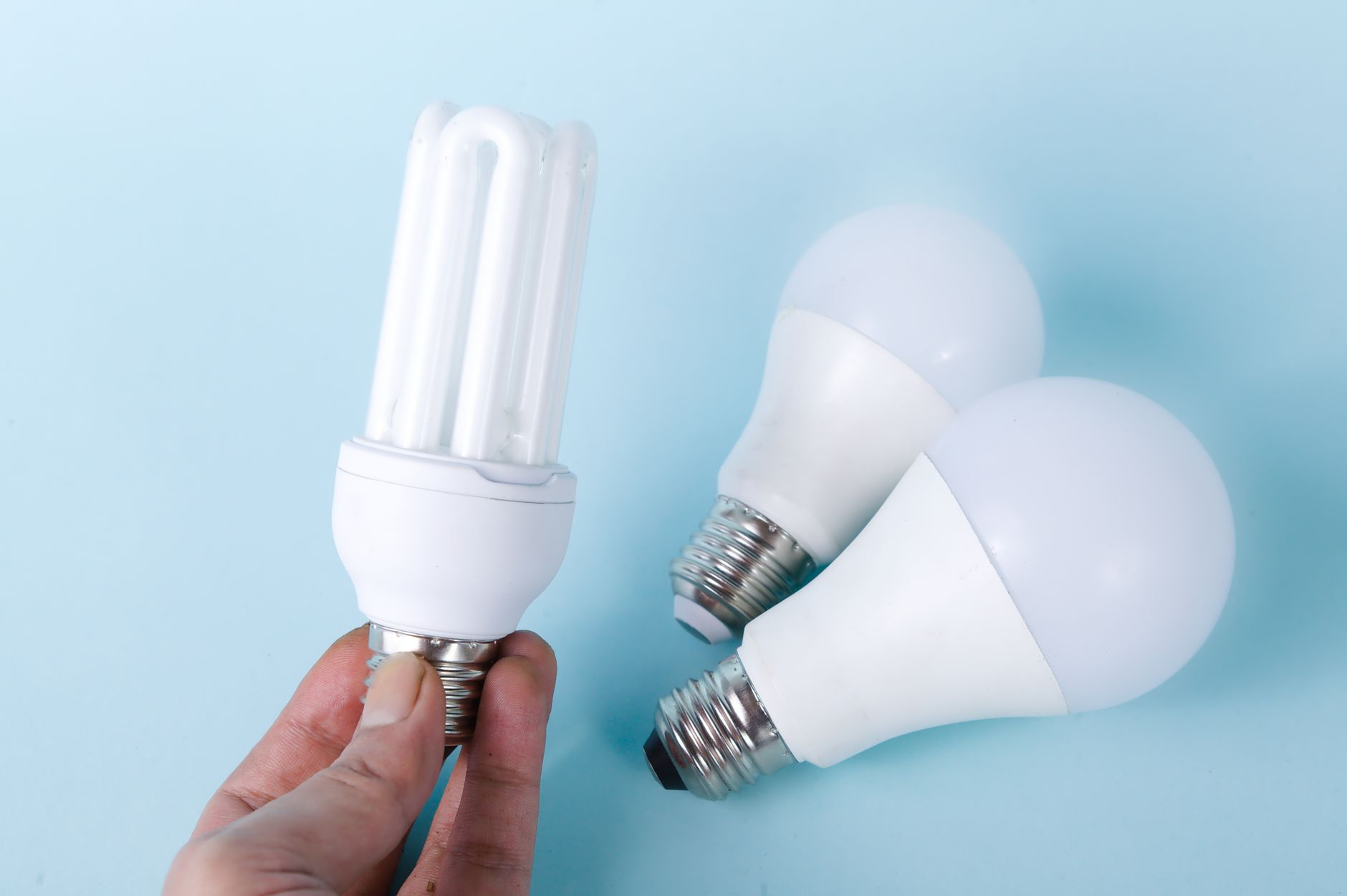

Switching to LED bulbs saves beginners money by using far less electricity and lasting far longer than old incandescents. Start with the lights you use most, match brightness using lumens, and check the package for dimmer and fixture ratings. LED means light-emitting diode, a bulb technology that makes light with very little wasted heat.
Most U.S. households now use LEDs for at least some indoor lighting, according to the U.S. Energy Information Administration, so replacement options are widely available.
Table of Contents
- How much can LEDs save?
- What brightness should you buy?
- How do you compare bulbs in the store?
- Which bulbs should you replace first?
- Can you still buy old incandescent bulbs?
How much can LEDs save?
Residential LEDs, especially ENERGY STAR models, use at least 75% less energy and last up to 25 times longer than incandescent bulbs, according to the University of Maryland Extension in its home energy lighting guide. One LED therefore replaces many incandescents over its life.
ENERGY STAR certified LEDs use 70-90% less energy than standard incandescents, according to the EPA through ENERGY STAR in its LED bulb savings archive. The agency estimates each bulb can save $40-$135 in electricity costs over its lifetime.
What brightness should you buy?
Shop by lumens for brightness, not watts for power. Watts now tell you energy use, while lumens tell you light output.
An 800-lumen LED replaces an old 60-watt bulb at about 9-12 watts, while 1,100 lumens replaces a 75-watt bulb and 1,600 lumens replaces a 100-watt bulb, according to the University of Maryland Extension in its home energy lighting guide. Pick the lumen number first, then choose the lowest-watt bulb that provides it.
How do you compare bulbs in the store?
Use the FTC Lighting Facts label to compare bulbs objectively. The Federal Trade Commission requires brightness in lumens, energy used in watts, bulb life, color temperature, and estimated yearly energy cost.
Look at yearly cost and life alongside price. A cheaper bulb with shorter life or higher wattage can cost more over time.
Which bulbs should you replace first?
Replace the most-used fixtures first because they deliver the fastest savings. A kitchen ceiling light, living-room lamp, or porch light used for hours daily matters more than a closet bulb.
Use this quick check before buying: These practical steps come from the University of Maryland Extension and the Fairfax County energy office guide. Bring the old bulb brightness or fixture type when you shop.
- Choose color temperature from warm 2700K to daylight 6500K based on the room.
- Choose CRI 80 or higher for more natural-looking color.
- Check the package for dimmer compatibility if the switch dims.
- Check for enclosed-fixture rating if the bulb sits inside a closed globe.
Can you still buy old incandescent bulbs?
Most incandescent and halogen general-service bulbs can no longer be sold because federal rules require at least 45 lumens per watt, enforced from August 2023. The University of Maryland Extension also notes stricter federal standards for bulbs made from July 2028.
That rule makes efficient choices the default, but check specialty exemptions, dimmer behavior, and fit before stocking up. Buy one bulb to test color and brightness in the room, then buy the rest.