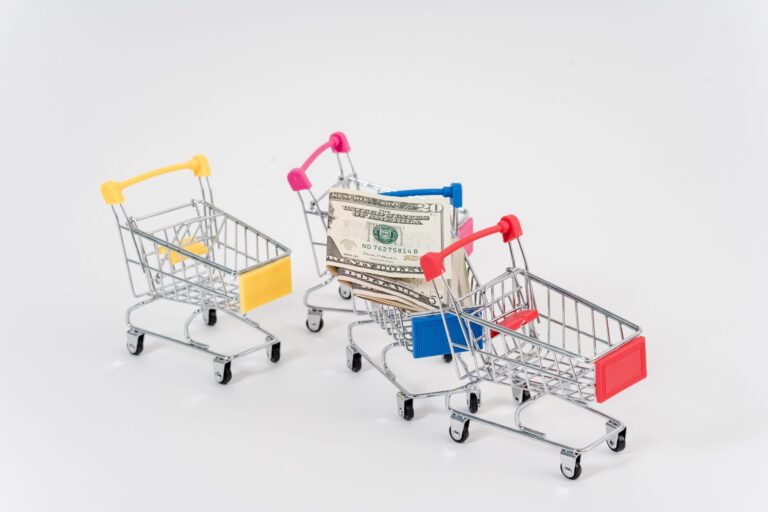


Bulk buying produce saves money only if you eat, cook, or freeze it before it spoils. If extra fruits and vegetables go bad, the lower unit price turns into wasted money and food. Bulk buying means purchasing a large bag, case, or multipack at a lower price per pound. That discount helps for shelf-stable foods, but fresh produce has limited shelf life.
Table of Contents
- Why bulk produce deals backfire
- What spoiled produce really costs
- When does buying more still pay off?
- How to buy bulk without wasting it
Why bulk produce deals backfire
The Academy of Nutrition and Dietetics warns shoppers to beware of bulk produce deals because short shelf life can erase the discount Academy's produce waste guide. A large bag of spinach, berries, or lettuce can wilt, mold, or turn slimy within days. Once you toss a third of the bag, the per-serving cost rises fast.
Losses are largest for perishables at home. USDA Economic Research Service data show vegetables lose about 22% at the consumer stage, compared with 8% at retail USDA food-loss data. That pattern means the risk shifts to your refrigerator. Retail waste already happened before you arrived, but home waste comes straight from your wallet.
What spoiled produce really costs
Spoilage wastes the purchase price plus the farming, transport, and storage behind the food. The U.S. EPA estimates uneaten food costs each consumer $728 per year, or $2,913 for a household of four EPA estimates of food-waste costs.
Small weekly losses add up quickly. Produce waste also fills trash bins and landfills. Buy only what fits your meals for the next few days. Treat any larger box as a preservation project, not just groceries.
When does buying more still pay off?
Bulk produce can save money when you have a clear use for the full amount. A large household, shared childcare meals, soup batch cooking, or a party tray can absorb ten pounds of carrots. A planned week of salads, smoothies, stir-fries, and lunchboxes can do the same.
It also works when several uses overlap. Buy bulk bell peppers if you will eat some fresh, roast some for pasta, and chop the rest for omelets. Skip the large pack when your schedule is uncertain, you dislike leftovers, or storage space is tight.
How to buy bulk without wasting it
Buy bulk produce only with a use-or-freeze plan. Decide before checkout which meals use it fresh and what gets frozen on day one or two.
South Dakota State University Extension says freezing excess fresh produce reduces waste, saves money, and keeps quality produce ready for later meals freezing excess produce guide. Use this quick routine for a bulk pack: Most vegetables need blanching before freezing, and frozen quality declines after months. Freeze only the amount you will use in a reasonable time.
- Sort at home and move the ripest pieces to eat first.
- Prep meal ingredients for the next two days.
- Wash, blanch vegetables that need it, then freeze the surplus in meal-size portions.
- Label each bag with the contents and date, then use the oldest frozen produce first.