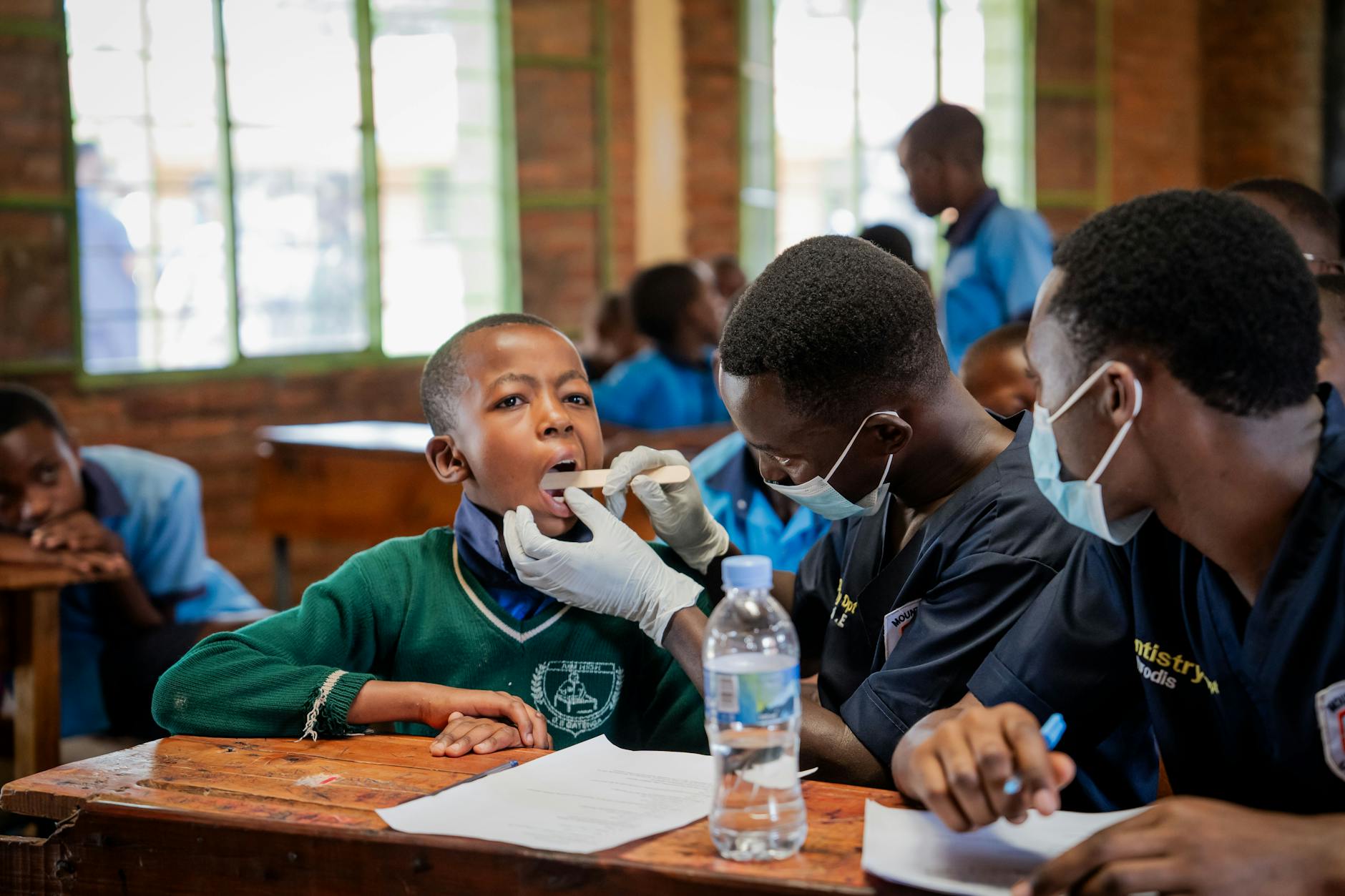

Free dental programs for uninsured adults exist in nearly every state, though you’ll need to know where to look to access them. These programs range from government-funded Medicaid dental coverage to nonprofit clinics that provide subsidized or free care based on income. The key is understanding that “free” often means income-qualified assistance rather than unrestricted access, and what’s available depends heavily on your state of residence and income level. For example, a single adult earning $18,000 annually in California might qualify for Medi-Cal dental benefits, while the same income in Texas might require seeking care through community health centers instead.
Getting uninsured doesn’t mean you’re locked out of dental care. Most states operate dental safety-net programs designed specifically for people without insurance, often providing preventive care like cleanings, exams, and X-rays at no cost, and larger procedures at reduced rates. The challenge is that these programs typically have waiting lists, limited provider networks, and may not cover complex restorative work like root canals or crowns. Planning ahead and understanding your options can save you hundreds or even thousands of dollars in dental expenses.
Table of Contents
- How to Find Free or Low-Cost Dental Care in Your State
- Medicaid Dental Coverage: Understanding Your State’s Benefits
- Community Health Centers and Federally Qualified Health Centers (FQHCs)
- Dental School Clinics and Reduced-Cost Treatment Options
- State-Specific Programs and Their Common Limitations
- Dental Discount Plans as a Supplementary Option
- Planning Your Dental Care Strategy for Long-Term Savings
- Conclusion
- Frequently Asked Questions
How to Find Free or Low-Cost Dental Care in Your State
The fastest way to locate free dental programs is through your state’s health department website or by contacting your state’s Medicaid office directly. Most states have a website listing community health centers that participate in government programs, and these facilities often provide dental services on a sliding scale based on income. You can also use the Health Resources and Services Administration (HRSA) “Find a Health Center” tool online, which shows participating federally qualified health centers (FQHCs) nationwide—these centers are required to offer dental services as part of their community health mission. Many states also operate special programs through university dental schools, where students provide care under faculty supervision at a fraction of the cost of private practice.
Another valuable resource is your state’s dental association, which frequently maintains a list of volunteer dentist networks and free clinic schedules. Some states run specific programs like Mission of Mercy events, where volunteer dentists provide free dental care for a single weekend each year. In Nevada, for instance, the annual Nevada Dental Volunteer Initiative provides a free clinic day where uninsured residents can receive cleanings, extractions, and basic care at no charge. Don’t overlook nonprofit organizations focused on your state—many states have separate entities dedicated specifically to dental access for low-income residents.

Medicaid Dental Coverage: Understanding Your State’s Benefits
Nearly all states offer some form of dental coverage through Medicaid, but the extent of coverage varies dramatically. About half of states provide comprehensive dental benefits that include preventive care, basic restorative work, and even some major procedures, while the other half offer only emergency services or limited preventive care. This inconsistency means an uninsured adult in one state might qualify for root canal coverage through Medicaid, while an identical patient in another state would receive only extraction services. To find your state’s specific Medicaid dental benefits, contact your state’s Medicaid office or check your state’s Medicaid website for the benefits guide.
One critical limitation to understand: even where Medicaid offers dental coverage, provider availability is often limited. Many dentists don’t accept Medicaid because of low reimbursement rates, meaning you may struggle to find a participating provider even if you technically qualify for benefits. Additionally, some states have waiting periods before dental coverage kicks in—Oklahoma, for example, has historically required waiting periods of several years for some Medicaid dental benefits. If you need immediate care and are waiting for Medicaid approval, community health centers remain your best option since they serve everyone regardless of insurance status.
Community Health Centers and Federally Qualified Health Centers (FQHCs)
Federally Qualified Health Centers are your most reliable option for guaranteed dental access regardless of insurance status or income. These centers receive federal funding specifically to provide primary care and dental services to underserved communities, and by law they must offer services to everyone on a sliding fee scale. If you have no income, you pay nothing; as your income increases, so does your fee, but it remains affordable. Nationally, FQHCs provide dental care to millions of uninsured patients annually, making them one of the largest dental safety-net providers in the country.
To find an FQHC near you, use the HRSA “Find a Health Center” tool (findahealthcenter.hrsa.gov) and filter for dental services. The quality of care varies by location, but these centers employ licensed dentists and offer standard preventive and restorative services. One limitation is appointment availability—popular centers may have weeks-long waiting lists during certain seasons. Additionally, while FQHCs handle routine care well, complex cases like orthodontics or implants are rarely available, and you may be referred elsewhere for major procedures. In a mid-sized city like Madison, Wisconsin, an FQHC might offer six-month waiting lists during spring, so calling ahead and being added to a cancellation list can sometimes get you in faster.

Dental School Clinics and Reduced-Cost Treatment Options
Dental schools offer another legitimate pathway to affordable care, with students providing treatment under licensed faculty supervision. Costs typically run 40 to 60 percent below private practice rates, and treatment quality is high because instructors are constantly reviewing and correcting student work. The trade-off is that procedures take significantly longer—a filling that takes 30 minutes in a private practice might take 2 to 3 hours in a dental school because of teaching requirements. If you have time flexibility, dental schools are an excellent choice for basic work like fillings, cleanings, and extractions. Not every state has a publicly accessible dental school clinic.
States with dental schools include California, Colorado, Indiana, Iowa, Oregon, Texas, and many others, but you need to contact the school directly to understand admission requirements and pricing. University of Iowa’s dental school, for example, provides care to uninsured patients on a sliding scale, with some patients paying nothing depending on income. Private dental schools like those in some cities may have different policies. The biggest limitation is geographic accessibility—if the nearest school is 200 miles away, the program doesn’t help you. Planning ahead is essential because dental schools often have long waiting lists, sometimes six months or longer for new patients.
State-Specific Programs and Their Common Limitations
Many states run innovative dental programs beyond standard Medicaid. California’s Denti-Cal covers adults comprehensively; Florida’s Medicaid covers only emergency services; New York offers limited preventive care. Arizona provides dental benefits through its AHCCCS program with different tiers based on income. The variation is significant enough that your eligibility and benefits can change dramatically if you move states. Before relying on a program, verify current eligibility requirements because programs change—what covered root canals last year might cover only extractions this year due to budget cuts.
A major limitation affecting many state programs is the annual maximum. Some states cap dental benefits at $500 or $1,000 per year, which sounds adequate for preventive care but disappears quickly if you need restorative work. A single crown can cost $800 to $1,500 even at reduced-fee clinics, exceeding annual limits. Additionally, waiting periods are common—newly eligible Medicaid recipients often wait 6 to 12 months before dental benefits activate. Some states also require prior authorization before major procedures, adding delays to your treatment timeline.

Dental Discount Plans as a Supplementary Option
If you don’t qualify for government programs, dental discount plans offer another route to affordability. These aren’t insurance—they’re membership programs costing $80 to $200 annually that offer negotiated discounts (10 to 60 percent) at participating private dentists. Plans like DentalPlans or Careington negotiate rates with dentists, reducing a $1,200 crown to perhaps $700 to $900.
The catch is that you pay out of pocket and then receive no insurance reimbursement, and not all dentists participate. Discount plans work best for people earning just above Medicaid thresholds who can’t access government programs. If you need immediate care and can’t wait for community health center appointments, a discount plan combined with a local dentist often gets you treated faster. However, these plans don’t cover preventive care as extensively as Medicaid, and the “negotiated” discounts are sometimes similar to what you’d receive by simply asking a dentist for an uninsured patient discount directly.
Planning Your Dental Care Strategy for Long-Term Savings
Rather than waiting until dental emergencies strike, uninsured adults save money by establishing care with a community health center or FQHC and staying current with preventive care. A cleaning and exam every six months costs $50 to $150 at reduced-fee centers but prevents emergencies that require expensive extractions. Establishing a relationship with a provider also means you’re already in their system when you need major work, avoiding intake delays.
Looking forward, increasing numbers of states are expanding dental Medicaid coverage to align with medical evidence showing dental health’s critical role in overall health. Telehealth dental consultations are also becoming more common in community health programs, potentially increasing access. In the meantime, your best strategy is researching your specific state’s programs now, before you need care, so you’re not scrambling when pain strikes.
Conclusion
Free and low-cost dental programs exist in every state, with community health centers and Medicaid being the most reliable options for uninsured adults. The specific benefits available depend on your state and income level, so verifying your eligibility is the first step. Planning ahead by identifying your nearest community health center or dental school clinic before you need emergency care dramatically improves both your access to treatment and your ability to afford it.
Start by visiting findahealthcenter.hrsa.gov or contacting your state’s Medicaid office this week. Get on waiting lists if necessary—the time to establish care is before the pain begins. Many of these programs provide excellent quality care; you’re simply trading some convenience and speed for substantial savings.
Frequently Asked Questions
If I earn too much for Medicaid but can’t afford private dentistry, what are my options?
Dental discount plans, dental schools, and community health centers often serve people above Medicaid thresholds on sliding scales. Many community health centers don’t strictly follow Medicaid income limits and base fees on actual ability to pay.
How long are waiting lists at community health centers for dental care?
Waiting lists vary from a few weeks to several months depending on the center’s size and location. Urban centers often have longer waits. Calling multiple centers and asking about cancellation lists can accelerate appointments.
Will I receive the same quality of care at a community health center as a private dentist?
Quality is comparable for preventive and basic restorative care. Dentists at community health centers are licensed professionals. The main difference is amenities and appointment convenience, not clinical competence.
Can I get dental coverage through Medicaid if I’m unemployed?
Most states extend Medicaid to unemployed adults based on income alone, without requiring work history. Eligibility requirements vary, so contact your state’s Medicaid office to verify your specific situation.
What if my state’s Medicaid doesn’t cover the procedure I need?
Community health centers sometimes provide services beyond Medicaid coverage limits. Dental schools and discount plans also remain options. Some nonprofits provide grants for specific procedures to eligible patients.
Are emergency dental extractions covered under most free programs?
Yes, virtually all state programs cover emergency extractions because they’re considered essential. Some programs cover extractions preventively to avoid future emergencies, even when other restorative options exist.