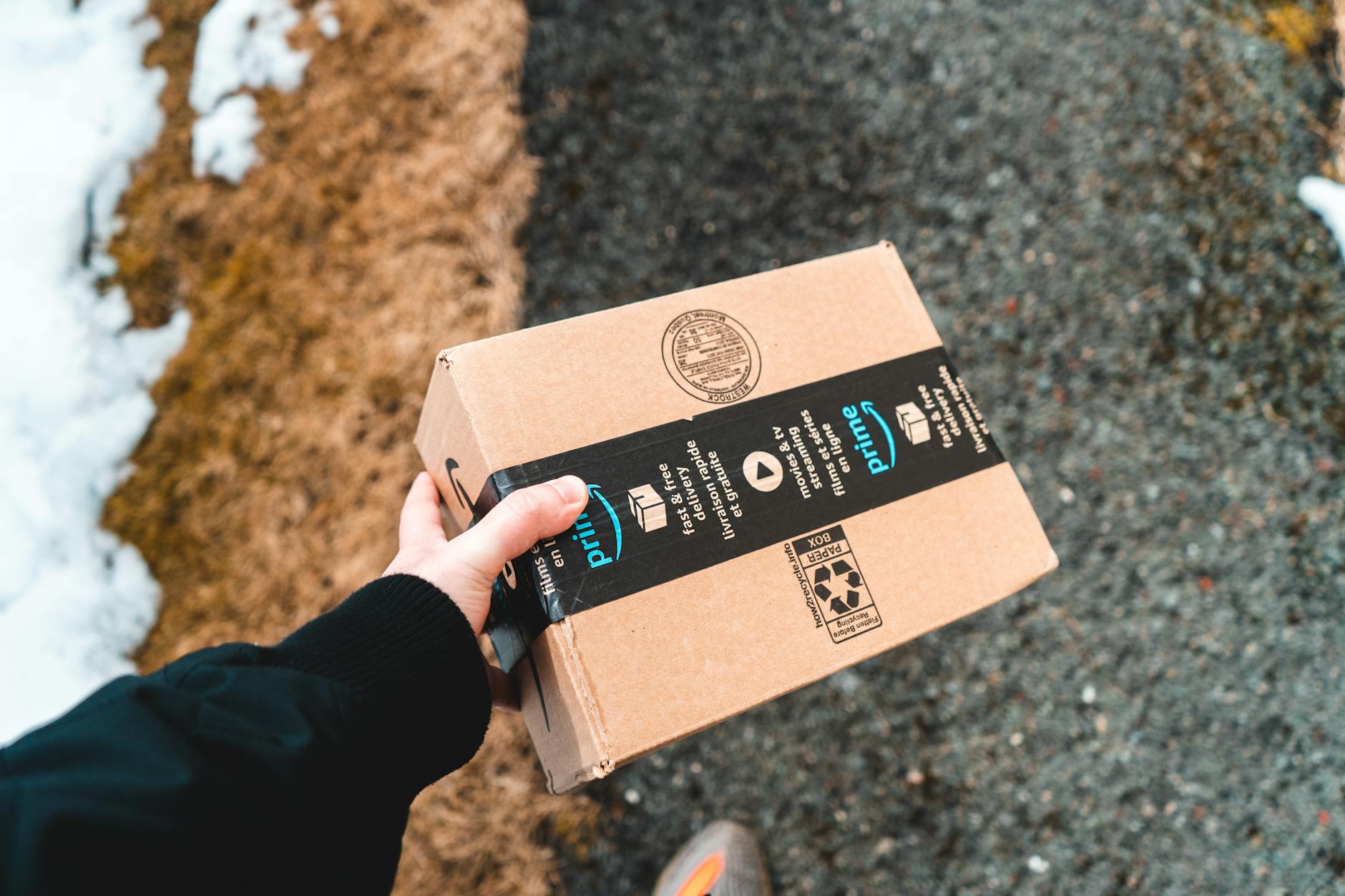

Amazon Prime Day 2025 took place July 8-11, 2025, with Amazon also hosting Prime Big Deal Days in October. If you’re a Prime member looking to save, this event is worth paying attention to—Amazon announced that Prime Day 2025 was its biggest ever, with record sales and more items available at discount than any previous year. But here’s the reality: just because something goes on sale doesn’t mean you need to buy it, and not all Prime Day deals are actually worth the price.
The good news for budget-conscious shoppers is that the data shows you don’t need to spend big money. Sixty-seven percent of items sold during Prime Day 2025 went for under $20, with the average item priced at just $24.59. That means if you shop strategically and stick to your list, Prime Day can actually work in your favor rather than becoming a spending trap. The key is knowing what to actually buy, when to buy it, and how to avoid impulse purchases disguised as deals.
Table of Contents
- When Does Amazon Prime Day 2025 Actually Happen and Why the Timing Matters
- What Categories and Products Actually Offer Real Savings During Prime Day 2025
- Best Products and Deals to Actually Target During Prime Day
- How to Shop Prime Day Without Breaking Your Budget or Impulse Buying
- Critical Limitations: Why Not Everything on Sale Is Worth Buying
- Prime Day for Back-to-School and Seasonal Shopping
- What’s Changed and What to Expect Going Forward
- Conclusion
When Does Amazon Prime Day 2025 Actually Happen and Why the Timing Matters
Amazon Prime Day 2025 ran for four consecutive days: July 8-11, 2025, starting at 12:01 a.m. PDT (3:01 a.m. EDT) on July 8 and ending at midnight on July 11. If you missed that window, Amazon also held Prime Big Deal Days in October (October 7-8, 2025), which offered another opportunity to catch sales without waiting a full year.
For frugal shoppers, knowing these dates matters because you can plan your purchases in advance and avoid rushing into buying things you don’t actually need. The timing of Prime Day has become predictable enough that savvy consumers plan major purchases around it. If you know you need a new laptop, kitchen appliance, or home goods, waiting until July gives you a legitimate savings opportunity rather than making an impulse purchase in January. However, the limitation here is that sale prices aren’t always dramatic—sometimes items drop only 10-15%, which isn’t the life-changing discount Amazon’s marketing suggests. Comparing prices in the weeks before and after Prime Day reveals that some “deals” were actually available at similar prices before the event even started.

What Categories and Products Actually Offer Real Savings During Prime Day 2025
The top product categories purchased during Prime Day 2025 were apparel and shoes, household essentials, and home goods. These aren’t glamorous categories, but they’re the ones where people actually spend money regularly anyway. If you need new work clothes or replacement household items, Prime Day legitimizes these purchases with actual discounts. Amazon reported that customers saved billions across more than 35 product categories, which sounds impressive until you realize it’s spread across millions of shoppers worldwide. Specific product discounts tell a clearer story.
Robot vacuums typically dropped 40-60%, a meaningful discount on expensive items. A 65-inch Samsung smart TV was discounted 34%. The Amazon Fire HD 10 tablet was 50% off, the Echo Pop dropped to $21.99 (the cheapest Echo device available), and the Anker Nano Charger 45W sold at an exceptional low price with a 6-foot USB-C cable included. The limitation to consider: these percentage discounts don’t apply equally across all products. Some bestsellers—like Premier Protein Shakes, Liquid I.V. packets, and BIODANCE collagen masks—likely saw smaller discounts despite high sales volume, meaning you’re buying them more for convenience than savings.
Best Products and Deals to Actually Target During Prime Day
Top-selling items during Prime Day 2025 give you a roadmap for quality purchases. Premier Protein Shakes, Dawn Platinum Powerwash, Liquid I.V. packets, Apple AirPods Pro 2, and BIODANCE Bio Collagen Real Deep Mask led sales, which tells you these are popular items with good customer reviews. AirPods Pro 2, in particular, represent the kind of electronics purchase that actually makes sense during Prime Day—they’re consistently discounted, and the sale price is typically $50+ lower than the retail price.
If you shop Whole Foods (Amazon-owned), you can stack Prime Day deals on top of regular promotions. During Prime Day 2025, Whole Foods offered 50% off all ice cream and frozen desserts, a specific discount worth planning around if you buy frozen food regularly. Amazon Fresh also joined the sale with $30 off purchases of $150 or more, which breaks down to a 20% discount—meaningful if you’re already spending that amount on groceries. The key: these grocery discounts work best if you’re buying food you’d purchase anyway, not if you stock up on extras just because they’re on sale.
How to Shop Prime Day Without Breaking Your Budget or Impulse Buying
The most practical strategy for Prime Day is to make a list before the sale starts. Decide what you actually need—a new laptop, kitchen appliances, toiletries you use regularly—and research normal prices for those items. When Prime Day arrives, check your list items and only buy if the discount exceeds 20%. This prevents the psychological trap of “it’s on sale” overriding your actual spending goals. The data supports this approach: average spend per item during Prime Day 2025 was $24.59, which is reasonable only if that item was on your list.
A comparison worth considering: waiting for Prime Day often saves more money than shopping other sale events. Black Friday and Cyber Monday discounts on many products aren’t deeper than Prime Day—they’re just broader in terms of which stores participate. However, Prime Day only benefits Prime members, so factor in your membership cost. If you’re using a free trial just for Prime Day, make sure you save more than the membership cost would be. Some shoppers dispute whether Prime membership pays for itself through Prime Day alone, so evaluate whether you’d use it for shipping, video streaming, and other benefits year-round.
Critical Limitations: Why Not Everything on Sale Is Worth Buying
The biggest limitation of Prime Day is that it can create artificial urgency. Seeing a 28% discount on Bose QuietComfort Bluetooth Earbuds feels like a deal—and it is, compared to full price—but if you don’t actually need earbuds, the $100+ you save means nothing because you shouldn’t have bought them at all. Amazon’s strategy works because it presents discounts for items in categories where people have budget allocated. If you’re planning to buy earbuds eventually, Prime Day makes sense.
If you buy them on impulse because they’re discounted, you’ve wasted money despite getting a “deal.” Another warning: Prime Day popularity among shoppers means some items sell out quickly, especially in low-price ranges. Stock issues during peak shopping hours may force you to either buy a higher-priced alternative or settle for delayed shipping. This is particularly true for items under $20, which made up 67% of Prime Day sales. Finally, price history data shows that many products return to similar prices within a few weeks. If you miss Prime Day, you may not be as far behind as Amazon’s marketing suggests.

Prime Day for Back-to-School and Seasonal Shopping
Parent participation in Prime Day was significant for a reason: the timing aligns with back-to-school shopping. Twenty-four percent of parents with grade-school children and 20% of parents with college students planned to shop during Prime Day 2025. This is the group most likely to benefit strategically, because they have concrete, large expenses coming. Backpacks, laptops, dorm supplies, and clothing are all purchased during this window anyway.
For families, Prime Day becomes a legitimate opportunity to consolidate these purchases and save 15-30% on an otherwise unavoidable expense. The advantage here is that you can bundle purchases. Instead of buying a dorm refrigerator from one store, bedding from another, and textbooks from a third, Prime Day gives you one consolidated shopping event where discounts apply across categories. College students especially benefit because they have both the budget allocated (through family support or summer work) and the specific, measurable needs.
What’s Changed and What to Expect Going Forward
Amazon’s announcement that Prime Day 2025 was its biggest ever suggests the event will continue growing and potentially shifting in structure. The fact that independent sellers achieved record sales indicates that Prime Day has become a real income driver for small and medium-sized businesses using Amazon’s marketplace. This means future Prime Days may feature even more diverse product selection, though it also means inventory management becomes more critical—you need to decide quickly on items you want.
Looking forward, Prime Day is unlikely to disappear or shrink, making it a dependable event to plan around annually. If you have major purchase categories—appliances, electronics, household goods—penciling Prime Day into your annual budget makes sense. However, treat it as one shopping opportunity among several rather than the only time to buy anything. The emergence of Prime Big Deal Days in October shows Amazon is spacing out major sales events, which actually benefits shoppers by preventing the “wait for Prime Day” paralysis while still offering discount opportunities twice yearly.
Conclusion
Amazon Prime Day 2025 happened July 8-11 and offered legitimate discounts on products people actually buy, especially in apparel, household essentials, and home goods. The 67% of items sold for under $20 and the $24.59 average price point show that you don’t need to spend heavily to participate meaningfully. However, the real savings come from strategic shopping: identify what you actually need, research normal prices, and buy only if the discount exceeds your personal threshold. The most important takeaway for frugal shoppers is that Prime Day is a tool, not a mandate.
It works when it aligns with purchases you were making anyway—back-to-school supplies, replacement appliances, regularly used items like protein shakes or household cleaners. It becomes counterproductive when it’s an excuse to buy things you didn’t plan for just because they’re discounted. If you’re a Prime member already, Prime Day absolutely deserves a spot in your annual savings calendar. If you’re not a member, evaluate whether the deals you’d catch are worth the membership cost, and remember that many sales prices return within weeks if you miss the event.