
OfferUp is a legitimate business with Better Business Bureau accreditation, an A- rating, and over 150 million downloads. The platform completes roughly 30 million annual transactions. So yes, OfferUp itself is real and regulated. But that legitimacy creates a false sense of security for users, and that’s exactly where scammers operate. OfferUp doesn’t guarantee every transaction on its platform—it’s a marketplace, and like any marketplace, criminals use it to prey on unsuspecting buyers and sellers. The overpayment and shipping tricks are among the oldest scams on the platform. A buyer contacts you about an item you’re selling, often with enthusiasm and quick responses that seem too good to be true.
They say they’ll pay extra to cover shipping costs. Or they send more money than the asking price. Then comes the request: can you refund the difference? Send it through Zelle or PayPal, they ask, since they want the money faster. You send the refund. Days later, you discover the original payment was fraudulent or the check bounced. You’ve now given away your product and your own money. Meanwhile, your Trustpilot rating for OfferUp shows 1.1 out of 5.0 stars from over 1,600 reviews—and stories like this are why.
Table of Contents
- How the “I’ll Pay Extra” Scam Actually Works
- The Fake Shipping Invoice Scheme and How It Differs
- Why Scammers Target OfferUp Specifically
- How to Protect Yourself: Practical Steps Every Seller Should Take
- What the Reviews Tell You About Risk on OfferUp
- What Happens If You Fall for the Scam
- The Bigger Picture—Why Peer-to-Peer Platforms Will Always Have Scams
- Conclusion
- Frequently Asked Questions
How the “I’ll Pay Extra” Scam Actually Works
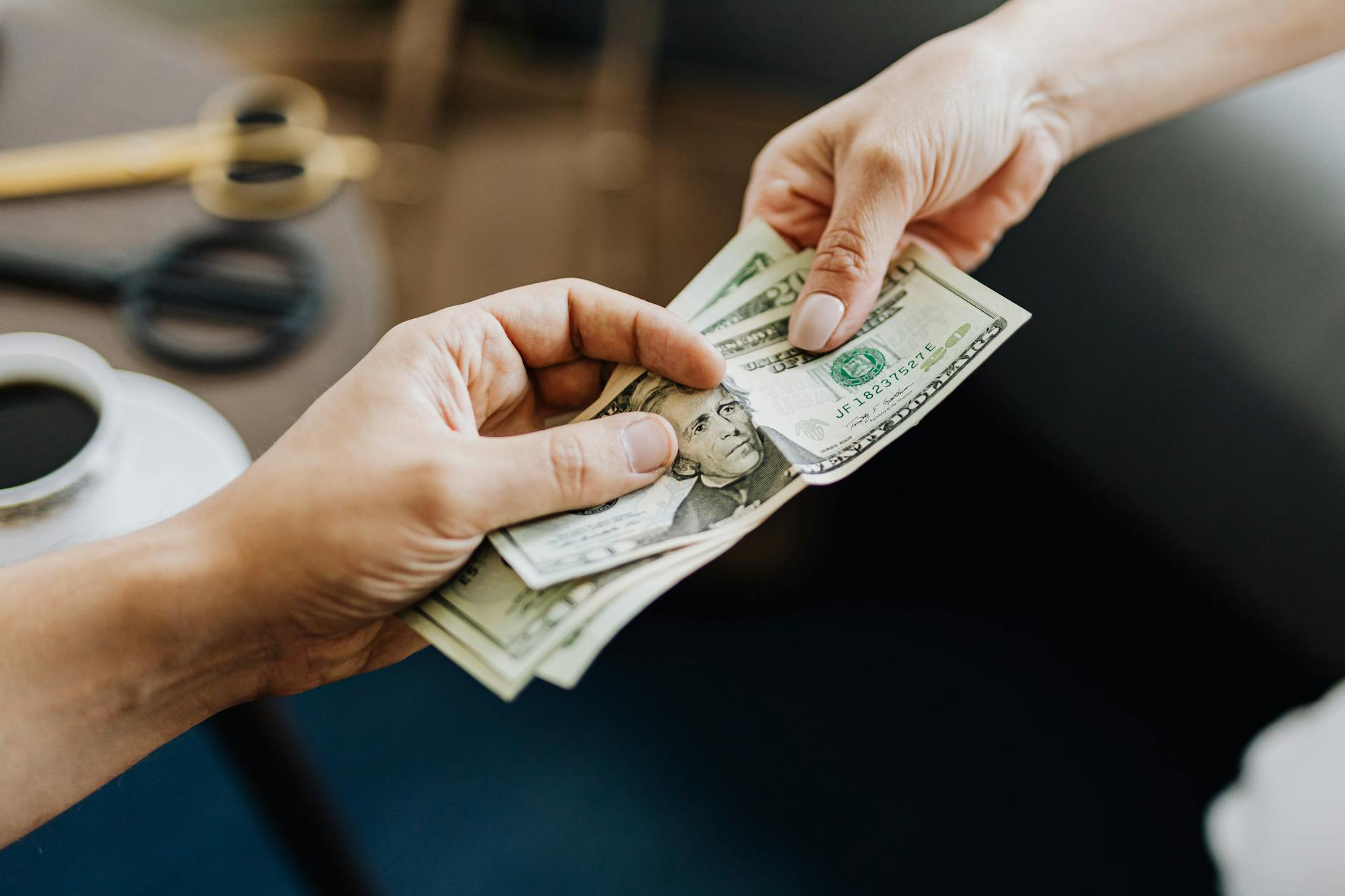
The overpayment scam begins with a message that feels like good news. A buyer claims they love your item and want to purchase it immediately. They offer to pay more than you’re asking, sometimes significantly more. The story varies: they say they need to cover shipping because you’re far away, or they’re in a rush and willing to pay a premium, or they want to ensure you’re serious about the sale. The urgency and willingness to overpay triggers a psychological response—you think you’re getting lucky. Here’s what’s actually happening: the scammer is using a stolen credit card, a fraudulent check, or a compromised payment account to send the “payment.” They have no intention of that payment going through. What they’re counting on is your trust in the OfferUp platform and the visible transaction confirmation. You see a notification that says you’ve been paid, and most sellers assume that means the money is real.
It isn’t. OfferUp’s support team explicitly warns that scammers use stolen payment accounts or send bad checks that never actually process. The key timing issue: banks and payment processors take several days to validate whether a transaction is legitimate. Scammers know this window exists. By the time the fraudulent payment is rejected, you’ve already refunded the overage amount to the scammer using your own money through a third-party service like Zelle, PayPal, or a direct bank transfer. You’ve lost both the item and the refund money. The scammer now has your product and your cash. OfferUp can’t reverse the damage because the original transaction on their platform never went through—only your out-of-platform refund actually completed.
The Fake Shipping Invoice Scheme and How It Differs
A variation on this scam involves a seller rather than a buyer initiating the fraud. You’re interested in buying something on OfferUp, and the seller seems legitimate. They tell you they’re willing to cover shipping costs to close the deal faster. You’re excited about the savings. Then they send you an invoice—but it’s not from OfferUp. It’s from Shippo, FedEx, or some other shipping platform, requesting payment directly to them. The invoice looks official. The seller claims they’re just expediting the process and want the item shipped immediately. OfferUp explicitly prohibits completing transactions on external platforms.
This is a critical rule, and violating it voids the platform’s protections. By sending you an invoice outside the app, the seller is breaking that rule, which should be a major red flag. But it’s designed not to feel like one. The invoice appears legitimate, the seller seems reasonable, and you’re promised quick shipping. What you’re actually doing is sending money to someone outside the platform’s oversight. Even if the invoice goes to a real shipping address, the seller now has your payment with no obligation to send anything, and you have no platform-backed recourse. This variant is particularly dangerous because it disguises itself as convenience and seller accommodation. You feel like you’re getting a deal and participating in a smooth transaction. In reality, you’re being funneled outside the protections that make OfferUp transactions safer in the first place.
Why Scammers Target OfferUp Specifically
OfferUp’s scale and legitimacy are part of what makes it attractive to criminals. With 30 million annual transactions, there’s a massive volume of legitimate activity to hide scam activity within. The platform’s A- BBB rating and widespread use create a veneer of trust. Most people buying or selling on OfferUp assume that if the platform is this established and regulated, the transactions must be safe. That assumption is understandable but misplaced. Legitimate platforms are targets precisely because users let their guard down.
The platform’s mobile-first design also plays a role. Most transactions happen on the app, which means users are making quick decisions on small screens without carefully reviewing details. Notifications pop up, payment confirmations appear, and everything seems official because it is—until you realize the payment hasn’t actually cleared. By then, you’ve already completed your part of the transaction in good faith. Scammers are betting on speed and the psychological comfort of the OfferUp environment. They know most sellers want to move items quickly and won’t dig into the fine print of payment verification.

How to Protect Yourself: Practical Steps Every Seller Should Take
The single most important protection is verification. Before you refund any money, before you ship anything, before you do anything, verify that a payment has fully cleared. This means checking your actual bank account, not just the OfferUp notification. Deposits take time. If a payment says it’s complete but your bank balance hasn’t changed, that payment hasn’t actually processed. OfferUp’s support team recommends waiting several business days before issuing any refunds. This wait is annoying if you’re eager to close a sale, but it’s the difference between completing a legitimate transaction and losing money. Never move transactions outside the OfferUp app, even if a buyer requests it. Using OfferUp’s in-app shipping and payment features is not just convenient—it’s how you maintain protection.
If a buyer asks you to accept Zelle, PayPal, or a check, you’re removing yourself from the platform’s dispute resolution system. Inside the app, OfferUp can investigate claims and reverse fraudulent transactions. Outside the app, you’re on your own. This is the trade-off: using the platform’s built-in system is slower and may involve fees, but it protects you legally and financially. If a buyer offers to overpay and asks for a refund, decline firmly. There’s no legitimate reason for this arrangement. Real buyers understand that they pay the asking price, and if they want to cover shipping, they negotiate that before sending payment. Overpayment followed by a refund request is the scam setup, period. The emotional appeal—”I’m such a great buyer, I’m willing to pay more”—is part of the manipulation. Recognize it and reject it.
What the Reviews Tell You About Risk on OfferUp
OfferUp’s official rating of A- from the Better Business Bureau is legitimate, but it’s only part of the story. User reviews on Trustpilot paint a different picture: 1.1 out of 5.0 stars from more than 1,600 reviews as of 2026. That massive gap between the BBB rating and user reviews is significant. The BBB primarily tracks how a company responds to complaints, not how many complaints exist. OfferUp responds to reports and investigates them, which earns it a good BBB rating. But the volume of negative user experiences tells you that scams are not rare on the platform—they’re common enough that thousands of users are posting about them.
A rating of 1.1 stars means most reviewers are having negative experiences. The patterns in these reviews involve exactly the scams described in this article: fraudulent overpayments, fake shipping invoices, buyers and sellers who disappeared after receiving money or items. Some users report being scammed multiple times before understanding the tricks. OfferUp isn’t responsible for every scam—it can’t monitor every transaction in real time—but the platform’s review score reflects the reality that scam activity is widespread. This doesn’t mean OfferUp is a scam itself, but it does mean you should approach it with the caution you’d use on any peer-to-peer marketplace. Legitimacy at the platform level doesn’t equal safety at the transaction level. The two are separate issues.
What Happens If You Fall for the Scam
If you’re a seller and you realize you’ve been scammed after refunding the overpayment, your options are limited. You can report the transaction to OfferUp, but the scammer will likely have already disappeared and created a new account using different information. You can report the fraudulent payment to your bank, but only if you used a platform like Zelle or PayPal where your bank has some oversight. Many banks treat these as authorized transfers, not fraud, because you initiated them yourself. You approved sending the money to the scammer. Reversing that is difficult and uncertain. If you’re a buyer who paid a fake invoice for shipping, you’re in a similar position.
You sent money to an external service, outside OfferUp’s platform. Disputing this requires contacting that service directly and proving you never received the goods. The seller, meanwhile, is gone. Your recourse requires documenting the entire conversation, the fake invoice, your payment confirmation, and proof that you never received a tracking number or item. Many scammers cover their tracks carefully enough that this becomes a lengthy, often unsuccessful process. The best case scenario is that you lose the money and get a lesson. The worst case is that you lose the money and the time required to fight with payment processors who have little incentive to reverse the transaction.
The Bigger Picture—Why Peer-to-Peer Platforms Will Always Have Scams
OfferUp’s overpayment and shipping scams aren’t unique to the platform. They appear on Facebook Marketplace, Craigslist, Letgo, and virtually every peer-to-peer selling platform. The fundamental problem is that these platforms enable direct contact between strangers with no shared accountability. A scammer on OfferUp can create an account, complete a few fake transactions, close the account, and start over. The cost to them is minimal. The financial incentive to scam is high.
Until peer-to-peer platforms implement more friction—more verification, more delays, more oversight—scams will persist. The evolution of these platforms suggests that better verification is coming. Some platforms now require ID verification, payment method verification, and address confirmation. OfferUp has added trust scores and buyer/seller ratings. But these improvements create friction that makes legitimate transactions slower and less convenient. Users face a trade-off: faster transactions with more risk, or slower transactions with more protection. There’s no perfect middle ground.
Conclusion
OfferUp is a legitimate platform with a large user base and genuine transactions. But legitimacy at the platform level doesn’t protect you from scams at the transaction level. The overpayment trick and shipping invoice scams are real, common, and designed to exploit your trust in the platform itself. Scammers know you feel safe on OfferUp, and they use that confidence against you.
Protect yourself by verifying payments before refunding anything, by keeping all transactions inside the OfferUp app, by declining overpayment offers, and by being skeptical of external invoices. If something feels too good to be true—a buyer willing to pay extra, a seller covering your shipping costs—it probably is. Your caution is worth the inconvenience. Your money isn’t recoverable once a scammer has it.
Frequently Asked Questions
Is OfferUp actually safe to use?
OfferUp is a legitimate business, but it’s only as safe as your transaction practices. The platform’s protections work best when you stay within the app, verify payments, and avoid arrangements that move transactions outside OfferUp’s oversight.
What should I do if I think I’ve been scammed?
Report the transaction to OfferUp immediately, providing all conversation screenshots and payment details. If you used Zelle, PayPal, or your bank, report it there as well. Document everything and file a complaint with your state’s attorney general if the amount is significant.
Can OfferUp reverse a fraudulent transaction?
OfferUp can reverse fraudulent transactions within the app if reported quickly. But if you moved the transaction outside the app (using Zelle, PayPal, or a bank transfer), OfferUp has no authority to intervene. Your bank or payment service must handle it.
Why do scammers ask for refunds instead of just taking the item and running?
Getting money out of an OfferUp transaction is sometimes easier if the seller sends a refund themselves. Scammers use the overpayment trick to trigger a voluntary transfer from you outside the platform’s oversight. It’s more successful than trying to extract money directly from OfferUp.
How long should I wait before considering a payment fully processed?
Wait at least 3-5 business days, or check your actual bank account to confirm the deposit. Don’t rely on app notifications alone. If you’re using a payment method unfamiliar to you, ask your bank how long verification typically takes.
Should I avoid OfferUp because of scams?
No. You can use OfferUp safely by understanding the scams, staying vigilant, and following the protective steps outlined in this article. Millions of legitimate transactions happen on OfferUp daily. The issue isn’t the platform—it’s that legitimate platforms attract scammers too.
You Might Also Like
- UserTesting Legit 2026? Why Some Tests Pay and Others Get Rejected With “Not Rated”
- TikTok Shop Exposed 2026: The 7 Seller Red Flags That Separate Legit Deals From Scams and Counterfeit Products
- PayPal Friends and Family Scam Warning 2026: The One Setting That Removes Your Protection and How Scammers Exploit It