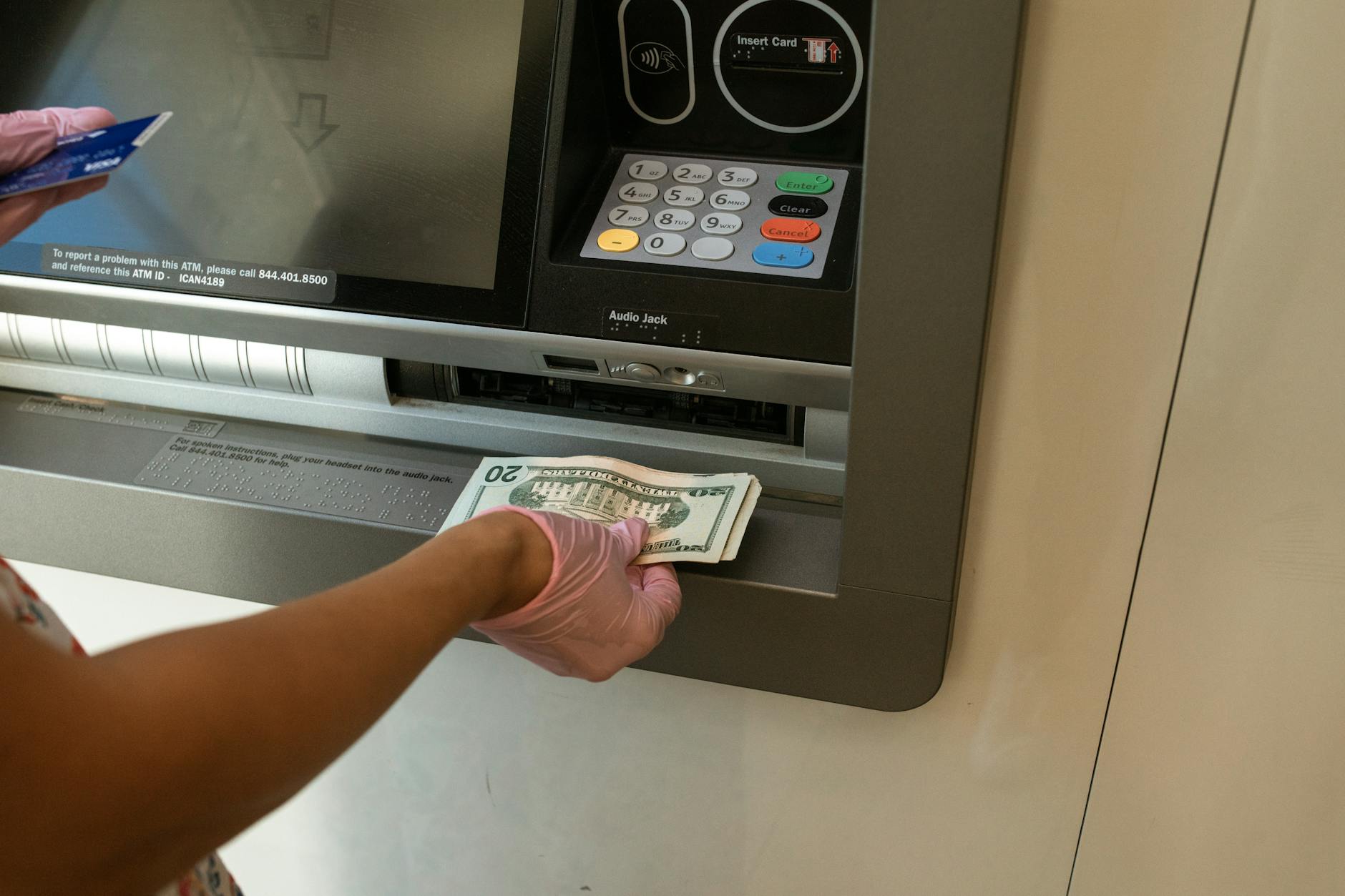

Banks warn against using Zelle with strangers because the payment system offers virtually no fraud protection once you’ve authorized a transfer—meaning scammers can drain your account with little recourse. If you send money to a stranger through Zelle and realize it was a scam, you will almost certainly lose that money. The system’s speed and finality, which make it convenient for legitimate payments to people you know, become dangerous vulnerabilities when dealing with unknown recipients. Between 2017 and 2023, over $1 billion in fraud occurred through Zelle, prompting lawsuits from New York’s Attorney General, who argues the platform’s parent company failed to implement adequate fraud prevention measures. When you authorize a Zelle payment, you’re making an electronic funds transfer that, once sent, goes directly into the recipient’s bank account.
Unlike credit card payments, which offer chargeback protections, or wire transfers, which have some federal safeguards, Zelle transfers initiated by you fall outside Regulation E protections because the law assumes you authorized the payment. In other words, the legal system essentially places the burden on you to verify the recipient’s identity before pressing send. If you’ve given a scammer your money, you’ve also given them direct access to your bank account with your explicit permission—a fact that makes recovery extremely difficult. The vast majority of Zelle transfers (99.95%) occur without fraud, yet the platform still handles millions of dollars in scams annually. This article explains why banks are cautious about stranger transactions, what happens if you fall victim to fraud, and whether you have any realistic options to recover your money.
Table of Contents
- Why Are Banks So Vocal About Zelle Safety With Strangers?
- The Fraud Problem: Understanding Zelle’s Vulnerability to Scammers
- What Actually Happens When You Send Money to a Stranger Through Zelle?
- Can You Actually Recover Your Money If You Fall Victim to Zelle Fraud?
- The Current State of Zelle Fraud Protections in 2026: What’s Changed and What Hasn’t
- How to Protect Yourself From the Most Common Zelle Scams in 2026
- The Future of Zelle Security: What Consumers Need to Know
- Conclusion
Why Are Banks So Vocal About Zelle Safety With Strangers?
Banks emphasize the danger of sending money to strangers through Zelle because the platform’s design prioritizes speed and irreversibility over buyer protection. Once a transfer is authorized, it’s processed almost immediately—typically within minutes—and the funds move directly from your bank account to the recipient’s account. This architecture means there’s no “hold” period, no merchant intermediary, and no chargeback process to reverse a fraudulent transaction. Your bank’s warning is essentially telling you: if you send this money and it turns out the recipient is a scammer, your bank cannot legally restore those funds because you authorized the transfer yourself. The $1 billion in documented fraud between 2017 and 2023 underscores the scale of this problem. A lawsuit filed by New York’s Attorney General in August 2025 alleges that Zelle’s parent company, Early Warning Services (EWS), failed to implement adequate fraud detection systems despite knowing about the vulnerability.
The company did not require additional authentication steps, did not monitor for common scam patterns, and did not quickly remove bad actors from the platform. This wasn’t a case of isolated, unpredictable fraud—it was a systemic vulnerability that affected hundreds of thousands of consumers. Banks warn against Zelle with strangers because they know the platform’s safeguards are weaker than credit cards or traditional wire transfers, and they want to limit their own liability for losses. Zelle’s own statistics claim a 99.95% fraud-free rate, but this framing obscures the reality: even a 0.05% fraud rate, applied to billions of dollars in annual transactions, means millions of dollars lost. For context, in 2024, Zelle processed an estimated $500 billion to $1 trillion in transactions—meaning even the claimed fraud rate likely translates to $2.5 to $5 billion in annual losses. A scam transaction that you authorized is still a scam, and banks want to be clear that they will not reverse it.

The Fraud Problem: Understanding Zelle’s Vulnerability to Scammers
Zelle’s vulnerability stems from a fundamental assumption baked into the platform’s design: that people will only send money to recipients they trust and have verified. This assumption breaks down in scam scenarios where criminals impersonate trustworthy people, manipulate victims into thinking they’re depositing funds into a legitimate business, or trick users into sending money that will then be re-sent to the scammer through a third party. The system cannot distinguish between a legitimate transfer to your daughter and a fraudulent transfer to a scammer pretending to be your daughter because, from Zelle’s perspective, both look identical—you authorized both. Common Zelle scams include romance fraud (scammers build fake relationships and convince victims to send money), imposter fraud (criminals pretend to be banks or government agencies), overpayment scams (someone “accidentally” sends you money, then requests you return it), and fake payment requests. In the overpayment scam, a fraudster might send you $500 via Zelle, claim it was a mistake, and ask you to wire $450 back—leaving you $50 up front but actually out $450 because the original $500 is later reversed after the scammer’s bank account is frozen.
You’ve become a secondary victim, complicit in laundering stolen money. The limitation of Zelle’s current protections is critical: the platform only reimburses fraud victims who were targeted by imposter scams (cases where a fraudster pretended to be a bank, government agency, or trusted contact) or specific “me-to-me” scams in 2026 where criminals spoofed bank phone numbers to trick victims into transferring funds to themselves. However, these protections are not federal law—they are bank-dependent policies that vary by institution. If your bank has not adopted this reimbursement policy, you have no protection, even for an imposter scam. Zelle’s parent company agreed to this reimbursement framework in June 2023, but compliance is voluntary.
What Actually Happens When You Send Money to a Stranger Through Zelle?
Once you initiate a Zelle transfer to a stranger, the transaction processes in minutes and the money enters the recipient’s bank account, where it can typically be withdrawn, transferred, or spent within hours. From that moment forward, recovery becomes exponentially harder. If you realize the transfer was fraudulent—either because the recipient was a scammer or because you were manipulated into sending it—your first instinct will be to contact your bank and request a reversal. Your bank will likely tell you that because you authorized the transfer, they cannot reverse it on their own; instead, they may initiate a fraud claim, which can take weeks or months to investigate. Here’s a concrete example: Sarah receives an email claiming to be from her landlord asking her to send a security deposit of $800 to a new Zelle account for her apartment renewal. She sends the money immediately, verified it on Zelle, and saw it go through. Three days later, her actual landlord calls asking about the deposit and Sarah realizes she was scammed. She contacts her bank on day four.
The bank tells her they’ll file a fraud claim with Zelle, but the scammer has already withdrawn the $800 from their account or transferred it elsewhere. Even if the bank freezes the account, the money is gone. Sarah’s claim sits in investigation for six weeks and is ultimately denied because she authorized the payment. Her bank is not liable because, under federal law, they are not responsible for reversal of consumer-authorized transfers. The speed of Zelle is both its advantage and its danger. Legitimate transfers that would take 1-3 business days through ACH or wire transfer can happen instantly through Zelle, making it perfect for splitting rent with roommates or paying a friend back for dinner. But that same speed means scammers can move stolen money through multiple accounts before your bank even files a fraud report. By the time your claim is investigated, the money has vanished into the broader financial system, and recovery is nearly impossible. This is why banks emphasize verification before sending—because once you send, the responsibility for that verification rests entirely on you, not on Zelle or your bank.

Can You Actually Recover Your Money If You Fall Victim to Zelle Fraud?
The short answer is: rarely, and only under specific, limited circumstances. The most common recovery scenario involves Zelle’s imposter scam reimbursement policy that went into effect in June 2023. If you were tricked by someone impersonating your bank, a government agency, or a trusted contact (like a family member or business associate), you may be eligible for reimbursement—but only if your bank has adopted this policy. According to the framework, 2,100+ participating financial institutions have committed to reimbursing imposter fraud victims, but not all banks participate. If your bank does participate and you can prove you were the victim of an imposter scam, you might recover some or all of your funds. The 2026 expansion of Zelle’s fraud protections includes coverage for a specific type of scam called “me-to-me” fraud, where criminals spoof your bank’s phone number, call you, and trick you into transferring funds to another account that you believe is controlled by your bank (but is actually controlled by the scammer).
This highly specific protection acknowledges that some victims are being manipulated by sophisticated social engineering, not just careless mistakes. However, this protection only applies if the scammer used spoofing technology to trick you—if you simply fell for a text message or email, you’re not covered. For all other Zelle fraud scenarios—including romance scams, accidental overpayment fraud, fake payment requests, and transfers to people you thought were legitimate—you have almost no legal path to recovery. The Federal Trade Commission noted that Zelle fraud complaints have increased significantly year over year, yet the company’s reimbursement policies remain narrow and bank-dependent. If you send money to a stranger who turns out to be a scammer, and that scammer is not impersonating a bank or government agency, you will almost certainly lose that money. This is the core limitation that makes banks so adamant about using Zelle only with people you know and trust.
The Current State of Zelle Fraud Protections in 2026: What’s Changed and What Hasn’t
The landscape of Zelle fraud protections shifted significantly after the Federal Trade Commission and state attorneys general began investigating the platform. In March 2025, the CFPB (Consumer Financial Protection Bureau) dropped its federal case against Zelle’s parent company, but in August 2025, New York’s Attorney General filed a $1 billion lawsuit alleging that Early Warning Services failed to prevent widespread fraud. This legal action reflects ongoing frustration with the company’s response to fraud complaints and its reluctance to implement stronger protections. Zelle reported that fraud incidents declined by 18% from 2024 to 2025, which the company attributes to increased fraud detection and education efforts. However, this marginal improvement does not address the fundamental problem: once you authorize a transfer, Zelle’s system treats it as legitimate, regardless of whether you’ve been manipulated or deceived. The 99.95% fraud-free transaction rate is not a measure of safety—it’s a reflection of the billions of transfers that occur without dispute. If only 0.05% of transfers are fraudulent, and Zelle processes $500 billion to $1 trillion annually, that still translates to $2.5 to $5 billion in annual fraud losses.
Zelle’s willingness to reimburse imposter scams and me-to-me fraud victims is a step forward, but it only protects a narrow slice of fraud victims. If you’re scammed by a romance artist, a fake payment scheme, or a social engineering attack that doesn’t involve spoofing, Zelle’s protections do not apply to you. The lack of federal law requiring Zelle to implement stronger protections means the company has limited incentive to overhaul its safety systems, despite ongoing litigation. Banks are not required to monitor Zelle transfers for fraud patterns. Zelle is not required to verify the identity of account holders before they can send money. Recipients do not have to confirm they recognize the sender or provide additional authorization. These gaps exist because the system was designed to prioritize speed and convenience over security. Until federal legislation mandates stronger controls—or until litigation forces changes—these vulnerabilities will persist.

How to Protect Yourself From the Most Common Zelle Scams in 2026
The most effective protection against Zelle fraud is verification before you send. If someone requests a Zelle payment—whether it’s an “employer” offering a job, a “landlord” asking for a deposit, or a “romantic interest” requesting funds for an “emergency”—stop and verify using an independent method. Call the person or organization back using a phone number from their official website or from a contact you already have. Do not use contact information from the message requesting payment, as scammers often provide their own phone numbers.
Common 2026 Zelle scams include job offer fraud (fake employers requesting Zelle deposits to “activate” a job), overpayment scams (someone sends you money and asks you to return it, but the original transfer is later reversed), and fake shipping requests (scammers claim a package needs Zelle payment for customs or delivery fees). Romance scams remain the largest category of Zelle fraud, where criminals build relationships over weeks or months before requesting money for travel, emergencies, or business opportunities. In every case, the pattern is the same: the scammer pressures you to send money quickly, requests Zelle specifically (because it’s irreversible), and disappears once the transfer is complete. Recognize these pressure tactics as red flags and refuse to send money unless you can verify the recipient’s identity through an independent, trusted method.
The Future of Zelle Security: What Consumers Need to Know
As litigation continues and regulatory pressure increases, Zelle will likely face mandatory security upgrades over the next 2-3 years. The New York Attorney General’s $1 billion lawsuit could result in settlements that require Zelle to implement additional authentication steps, fraud monitoring, or broader reimbursement policies. However, any changes will come slowly, and consumers cannot rely on the platform to protect them in the interim. The company’s current approach—minimal friction for transactions, reimbursement only for specific scam types, and bank-dependent policy adoption—will probably remain the status quo unless federal legislation mandates change.
For personal finance planning, the clear takeaway is this: Zelle is best used as a tool for transferring money to people you know well and have already established trust with—close friends, family members, roommates, and trusted service providers. For any transfer to a new contact or someone you’ve only met online, use alternative payment methods that offer more protection. Even a small amount of friction (waiting 1-2 business days for an ACH transfer, or paying a fee for a credit card transfer) is preferable to the risk of losing money to a scammer with zero recovery options. Banks will continue warning against Zelle transfers to strangers because the system’s design makes those warnings necessary—and no amount of incremental fraud protection will change that fundamental truth.
Conclusion
Banks warn against using Zelle with strangers because the platform offers no protection for authorized transfers, even if you’ve been scammed. Once you send money through Zelle, it reaches the recipient’s bank account within minutes and can be withdrawn or transferred elsewhere before you even realize fraud has occurred. Your bank cannot reverse the transaction because you authorized it, and Zelle’s reimbursement policies only cover specific imposter scams and me-to-me fraud scenarios. For all other fraud types—romance scams, fake payment requests, and social engineering attacks—you will almost certainly lose your money with no legal recourse.
Protecting yourself means verifying the recipient’s identity through independent methods before sending any Zelle payment, especially to people you’ve just met or contacted through the internet. While fraud rates have declined slightly in 2026 and new protections for specific scam types have been implemented, these improvements address only a fraction of Zelle fraud cases. Use Zelle only for transfers to people you already trust, and rely on slower payment methods for unfamiliar recipients. The convenience of Zelle is real, but its vulnerability to fraud is equally real—and the cost of being wrong is total loss of your funds.
You Might Also Like
- LifeLock Warning 2026: Recurring Billing Complaints, Cancellation Problems, and What You Should Know Before Subscribing
- Klarna Exposed 2026: How “Pay in 4” Can Quickly Turn Into Late Fees, Missed Payments, and Debt You Didn’t Expect
- Aura Legit Check 2026: What You Actually Get for the Price, Which Features Matter Most, and Whether It’s Worth It