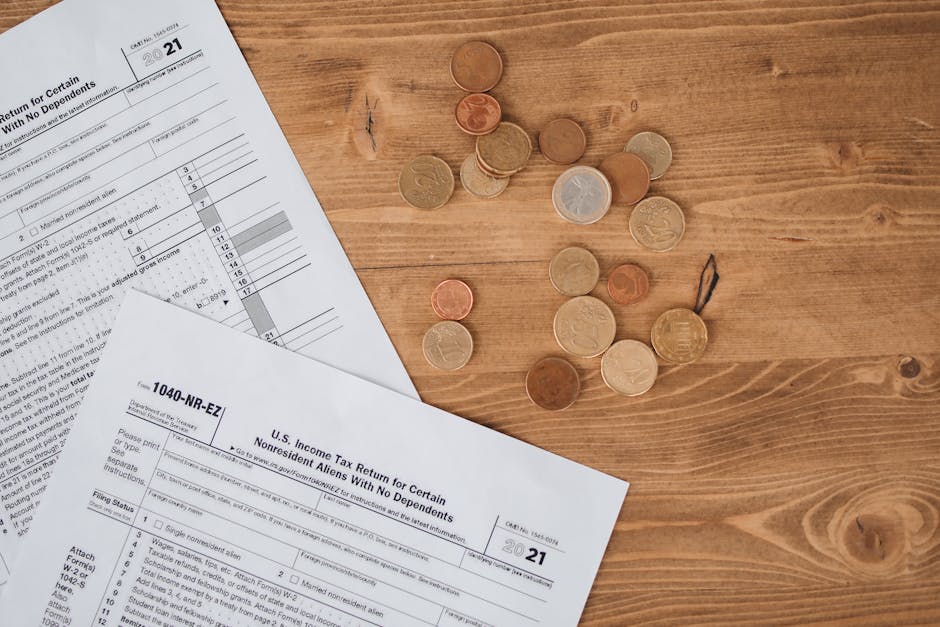

Handling taxes on multiple bank bonuses can be a complex and overwhelming task, but with the right understanding and approach, it can be managed effectively. When you receive multiple bank bonuses, you will likely need to report these earnings on your tax return, which can be time-consuming and may require additional tax forms. To handle taxes on multiple bank bonuses, you will need to calculate the gross income from each bonus, determine the applicable tax rate, and file any necessary tax forms.
In most cases, bank bonuses are considered taxable income and must be reported on your tax return. However, the tax implications can vary depending on the type of bonus, the amount earned, and your individual tax situation. It’s essential to understand how each bonus will affect your taxes and to plan accordingly. To minimize tax liabilities, it may be beneficial to consider strategies such as offsetting bonuses against other income, taking advantage of tax deductions or credits, or exploring options for tax-deferred savings.
Table of Contents
- Calculating Taxes On Multiple Bank Bonuses
- Understanding Tax Forms And Deadlines
- Managing Bank Bonus Income In A Side Hustle
- Weighing The Benefits Of Tax-Deferred Savings
- Limitations And Considerations
- Conclusion
Calculating Taxes On Multiple Bank Bonuses
When calculating taxes on multiple bank bonuses, it’s essential to keep accurate records of each bonus and its corresponding tax implications. This may involve tracking the gross income from each bonus, as well as any deductions or credits that may apply. In the United States, for example, bank bonuses are typically subject to federal income tax and may also be subject to state and local taxes. The tax rate applied to bank bonuses can vary depending on your individual tax situation, including your income level, filing status, and other factors.
For example, if you receive a bonus of $1,000 and are in the 24% tax bracket, you would owe federal income tax on that amount. However, if you have other deductions or credits available, such as a mortgage interest deduction or a child tax credit, these may help reduce your taxable income and lower your tax liability. In addition to federal taxes, you may also need to consider state and local taxes on bank bonuses. Some states, such as California and New York, impose their own income taxes, while others may have specific rules or exemptions for bank bonuses.

Understanding Tax Forms And Deadlines
When handling taxes on multiple bank bonuses, it’s essential to understand the tax forms and deadlines that apply. In the United States, for example, you will typically need to complete Form 1040, the standard form for individual income tax returns, as well as any additional schedules or forms required for bank bonuses. The deadline for filing tax returns in the United States is typically April 15th of each year, although this may vary depending on your individual situation.
You may also need to file Form W-2G, which reports certain types of income, including bank bonuses, to the IRS. To avoid penalties and interest, it’s essential to accurately report all income, including bank bonuses, on your tax return. This may involve working with a tax professional or accountant to ensure that you comply with all tax laws and regulations.
Managing Bank Bonus Income In A Side Hustle
When handling taxes on multiple bank bonuses, it’s essential to understand how these earnings will affect your side hustle income. For example, if you receive a bank bonus of $1,000 and also earn $20,000 from freelancing, you will need to consider how this combined income affects your tax situation. In some cases, bank bonuses may be subject to self-employment taxes, which can increase your tax liability.
However, you may be able to offset these taxes by deducting business expenses or taking advantage of other tax credits. To manage bank bonus income in a side hustle, it’s essential to keep accurate records of all earnings and expenses. This may involve separating personal and business income, tracking deductions and credits, and working with a tax professional to ensure that you comply with all tax laws and regulations.

Weighing The Benefits Of Tax-Deferred Savings
When handling taxes on multiple bank bonuses, it’s essential to consider the benefits of tax-deferred savings. By contributing to a retirement account or other tax-deferred savings vehicle, you may be able to delay paying taxes on your earnings until a later date. In some cases, tax-deferred savings may offer additional benefits, such as higher contribution limits or more flexible investment options.
However, these benefits often come with trade-offs, such as lower earnings potential or more complex rules and regulations. To determine whether tax-deferred savings is right for you, it’s essential to weigh the benefits against the costs. This may involve considering factors such as your income level, tax situation, and long-term financial goals.
Limitations And Considerations
When handling taxes on multiple bank bonuses, it’s essential to be aware of limitations and considerations that may apply. For example, some bank bonuses may be subject to withholding requirements, which can reduce the amount you receive in your paycheck. In some cases, bank bonuses may also be subject to penalties or fines for non-compliance with tax laws.
To avoid these risks, it’s essential to accurately report all income and follow all tax laws and regulations. Additionally, some bank bonuses may have specific rules or restrictions that apply. For example, some bonuses may be subject to a minimum or maximum payout threshold, or may require you to meet certain conditions or criteria.

Conclusion
Handling taxes on multiple bank bonuses requires a thorough understanding of tax laws, regulations, and forms. By accurately calculating taxes, understanding tax forms and deadlines, managing bank bonus income in a side hustle, weighing the benefits of tax-deferred savings, and being aware of limitations and considerations, you can minimize tax liabilities and achieve your long-term financial goals. Ultimately, the key to handling taxes on multiple bank bonuses is to stay informed, plan ahead, and seek professional guidance when needed. By taking a proactive approach to managing your taxes, you can ensure that you are in compliance with all tax laws and regulations, and that you are making the most of your earnings.