
Yes, many major banks do allow repeat bonuses after you close an account, but it depends entirely on which bank and how long you wait. Chase requires 24 months between bonuses (unless you closed within 90 days, in which case you’re ineligible). Wells Fargo, TD Bank, Associated Bank, and PNC Bank all impose 12-month waiting periods from your last bonus payout or account closure.
Huntington Bank allows one bonus per rolling 24-month period. If you’re strategic about account timing and closures, you can legally earn multiple bank bonuses—but missing one deadline or closing with a negative balance can add years to your waiting period. This article covers the repeat bonus rules for the major banks where bonus hunting is actually viable, explains what resets your waiting period, shows you how to calculate when you’ll be eligible again, and reveals the common mistakes that people make that extend their ineligibility window unexpectedly.
Table of Contents
- Which Major Banks Allow Repeat Bonuses—And What Are Their Waiting Periods?
- The Traps That Can Extend Your Waiting Period by Years
- How Banks Calculate Your Waiting Period—Account Opening Date Versus Bonus Payout Date
- Building a Strategy to Earn Multiple Bank Bonuses Legally and Safely
- Common Mistakes That Disqualify You From Repeat Bonuses Without Warning
- Reading the Fine Print Before You Open—The Exclusions That Banks Won’t Highlight
- The Landscape Is Shifting—What This Means for Future Bonus Hunters
- Conclusion
Which Major Banks Allow Repeat Bonuses—And What Are Their Waiting Periods?
The good news is that most major banks do allow customers to earn bonuses on new accounts even if they’ve previously received a bonus. The bad news is that each bank has its own timeline, and these timelines are not negotiable. Chase stands out with the longest waiting period: you must wait 24 months from your account opening date before you’re eligible for another Chase bonus. However, Chase adds an extra layer of complexity—if you closed an account within the past 90 days, you’re currently ineligible, no matter how long it’s been since you received a previous bonus. This 90-day rule is separate from the 24-month bonus waiting period.
The other tier of banks operates on a 12-month waiting period. Wells Fargo requires 12 months since you last received a bonus on a consumer checking account. TD Bank also requires 12 months after your previous account closure, though some TD offers may add an additional requirement that you’ve never received a personal checking bonus at all—meaning these accounts might be one-time bonuses only. PNC Bank is slightly different: you must have closed your account more than 12 months ago AND you cannot have received any promotional payment within the last 24 months, so the 24-month restriction on bonus payouts is the real bottleneck. Associated Bank mirrors this with a 12-month waiting period since account closure plus a 24-month restriction on receiving prior bonuses. Huntington Bank limits you to one bonus per rolling 24-month period per customer across all account types, which is the most restrictive approach because it locks you out for the full 24 months regardless of closing dates.
The Traps That Can Extend Your Waiting Period by Years
The waiting period rules sound straightforward until you encounter the exceptions, which can turn a 12-month wait into a 3-year wait. The most significant trap is closing an account with a negative balance. Chase will not let you qualify for a new bonus if you closed an account with a negative balance within the last 3 years—this is an entirely separate restriction from the 24-month bonus waiting period. So if you mismanaged an account and overdrafted before closing it, you’ve just locked yourself out of Chase bonuses for 36 months, not 24.
Most banks also require that you keep the account open for a minimum period—typically 6 months—before they’ll pay out the bonus. If you close the account before hitting this duration, the bonus gets clawed back (reversed), which doesn’t directly reset your waiting period but does mean you didn’t actually earn the bonus money. However, if you close the account and still get the bonus, closing before 6 months might trigger bonus fraud investigations or add informal restrictions that take longer to clear than the official waiting period. The safest approach is to keep accounts open for at least 6 months and, ideally, avoid closing accounts with negative balances at all costs, since that triggers much longer waiting periods that vary by bank.
How Banks Calculate Your Waiting Period—Account Opening Date Versus Bonus Payout Date
one common source of confusion is whether the waiting period resets from when you opened the account or when you actually received the bonus payment. For Chase and most banks, the 24-month or 12-month countdown starts from your account opening date, not the bonus payout date. This matters because bonuses often don’t pay out until 30 to 90 days after you meet the account requirements.
If Chase requires you to maintain a $500 minimum balance for 30 days and then pays out the bonus on day 45, your 24-month waiting period still started on day zero when you opened the account, not day 45 when you received the money. PNC Bank and some others use the bonus payout date as the trigger, not the opening date, which gives you slightly more flexibility if the bonus takes time to post. Before opening any account specifically for a bonus, verify which date the bank uses—this can make the difference between being eligible in 11 months versus 13 months. The safest approach is to add an extra month of buffer to your waiting period calculation, since bonus payout dates can vary and banks may have different interpretations of when their promotional eligibility clocks reset.
Building a Strategy to Earn Multiple Bank Bonuses Legally and Safely
If you’re interested in earning repeat bonuses over time, the strategy shifts based on which banks you want to target. Start with the 12-month banks (Wells Fargo, TD Bank, Associated Bank, PNC Bank) if you want to earn bonuses more frequently than Chase allows. You could theoretically open a Wells Fargo account in January 2026, close it in July 2026, wait 12 months, and reopen in July 2027 for another bonus—earning two bonuses from the same bank within roughly 18 months. With Chase, the same timeline would require 24 months between opening dates, which is nearly twice as long.
However, don’t treat this as a reason to churn accounts quickly. Banks monitor for account churning and can flag accounts as ineligible if they see a pattern of opening, satisfying bonus requirements, and closing repeatedly. The safer approach is to treat each bonus account as a genuine banking relationship lasting at least 6 to 12 months. Spread your bonus attempts across different banks rather than repeatedly hitting the same one, and maintain at least one account permanently if you want to avoid being labeled as a bonus hunter. This approach allows you to earn 2 to 3 bonuses per year across different banks without triggering fraud detection.
Common Mistakes That Disqualify You From Repeat Bonuses Without Warning
The single biggest mistake is closing an account within 90 days at Chase if you’ve previously had a Chase bonus—this resets your eligibility clock entirely and adds a 90-day waiting period on top of the 24-month waiting period. People often don’t realize this rule exists until they’re denied a new bonus and confused about why they’re ineligible despite believing the 24-month waiting period had passed. Always verify Chase’s specific requirements before opening a new account. Another dangerous mistake is keeping an account open too short before closing it if you’ve already received the bonus payout.
Even though Chase and other banks officially only require the bonus to be earned (not the account to stay open forever), closing an account within days of receiving the bonus can trigger fraud reviews that extend your ineligibility beyond the standard waiting period. The industry standard for “legitimate” account closure is 6 months minimum, and ideally 12 months. If you need to move your money elsewhere, do it as a transfer, not an account closure, until you’ve held the account long enough to avoid suspicion. Similarly, never close an account with a negative balance—this triggers the extended 3-year restriction at Chase and can cause issues at other banks as well.

Reading the Fine Print Before You Open—The Exclusions That Banks Won’t Highlight
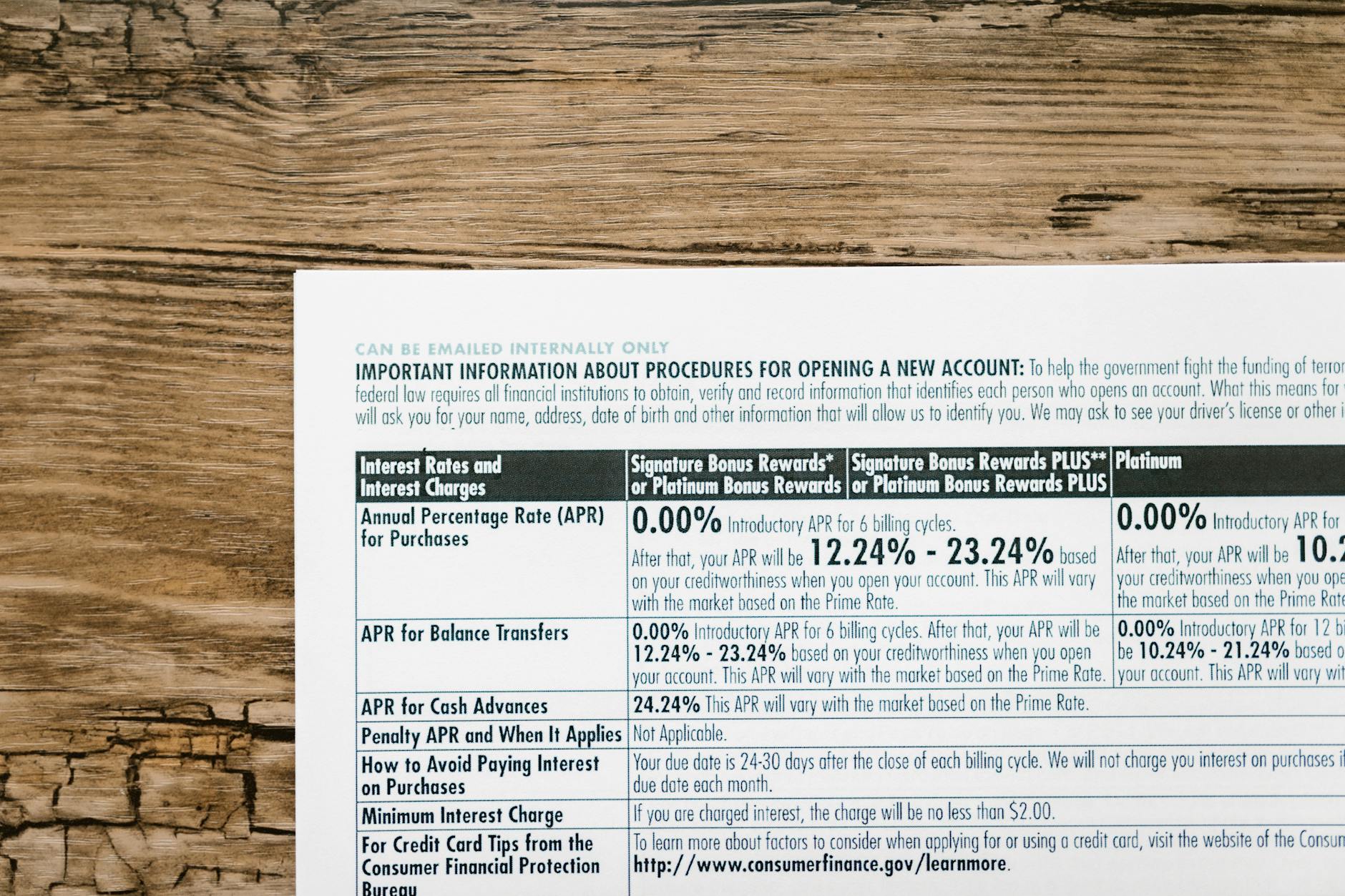
Each bank publishes its bonus eligibility rules, but they’re often buried in terms and conditions rather than prominently displayed in the marketing materials. Chase’s eligibility rules appear in full at their checking offers page but require reading through multiple clauses to understand that the 90-day closure rule and 3-year negative balance rule exist separately from the 24-month waiting period. TD Bank specifically notes on some offers that customers who have previously received any personal checking bonus ever are ineligible—meaning if you got a TD checking bonus five years ago, you may not qualify for a new one, even if the 12-month waiting period has passed.
Always search for the eligibility section before applying, or contact the bank directly if you’re unsure. Banks typically have a customer service line that can tell you whether you’re eligible based on your account history, and this information is usually accurate. Don’t assume that a website says you can open a new account; verify that the specific offer doesn’t exclude you based on prior bonus history.
The Landscape Is Shifting—What This Means for Future Bonus Hunters
Bank bonus rules have become increasingly restrictive over the past few years as banks attempt to reduce fraud and weed out professional bonus hunters. The industry trend is toward longer waiting periods (more 24-month windows, fewer 12-month ones) and harder-to-meet requirements (higher opening balances, more direct deposits). Some banks have started enforcing negative balance restrictions like Chase’s 3-year rule across the industry, and we’re seeing more fine print about excluding customers with prior bonuses at all.
If you’re interested in bonus hunting in 2026 and beyond, expect that the rules will only get stricter and that new banks may join Chase in adopting extended waiting periods. The takeaway is to act now if you’re eligible—don’t delay opening an account assuming the offer will still be there in a few months. Bonus offers themselves are frequently discontinued or reduced, and the eligibility rules are unlikely to become more lenient. Keep detailed records of when you opened accounts, when you closed them, and when you received bonuses so you can track your own eligibility across multiple banks without relying on your memory.
Conclusion
Most major banks do allow repeat bonuses after account closure, but the waiting periods range from 12 to 24 months depending on the bank, and numerous traps can extend that timeline significantly. Chase requires 24 months plus a 90-day closure restriction, while Wells Fargo, TD Bank, Associated Bank, and PNC Bank use 12-month waiting periods (with variations in how they calculate the clock). Huntington Bank limits you to one bonus per rolling 24-month period.
The safest approach is to keep accounts open for at least 6 months, never close with a negative balance, and verify your eligibility directly with the bank before applying for a new account. If you’re planning to earn multiple bank bonuses, spread them across different institutions rather than repeatedly churning the same bank. Document your opening and closing dates to stay on top of your waiting periods, and prioritize banks with 12-month waiting periods if you want to earn bonuses more frequently. Don’t assume that marketing pages are accurate—always read the fine print or call customer service to confirm you meet the eligibility requirements, since missing one rule can add months or years to your waiting period without warning.